Nullam dignissim, ante scelerisque the is euismod fermentum odio sem semper the is erat, a feugiat leo urna eget eros. Duis Aenean a imperdiet risus.

Hight Resolution Led Panel

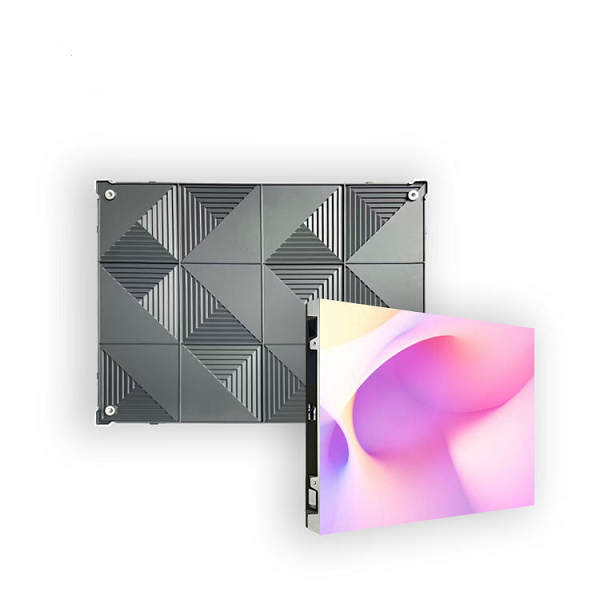
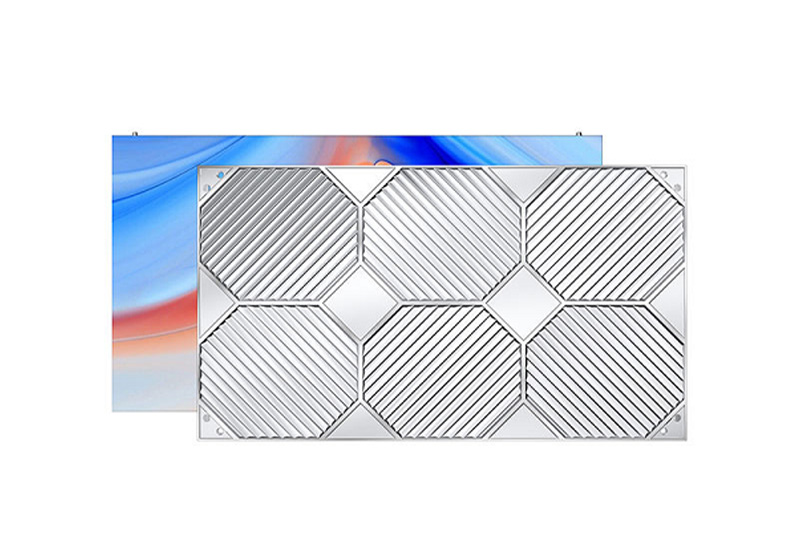
Fixed Installation LED Cabinet P1.8 Indoor LED Display

<p>P1.8 Fixed Installation LED Cabinet delivers ultra-HD indoor display with seamless splicing, high refresh rate, and reliable performance for conference rooms, control centers, and commercial spaces.</p>
Read More
Back-side-5

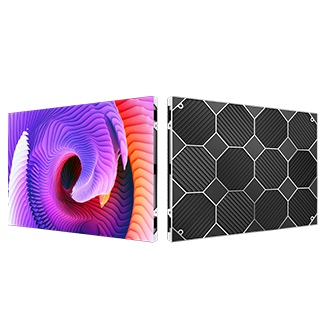
P1.5 Fine Pitch Led Display Screen

<p>Suitable spacing:P1.5<br /> Fine Pitch LED Display Super Compatible</p>
Read More
Movable Indoor HD LED Display Conference Room Touch All-in-one LED TV Display1210-5

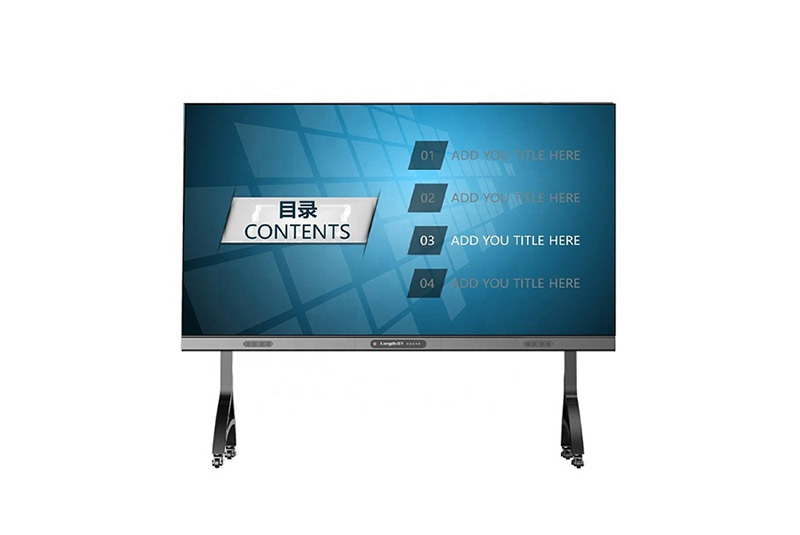
Movable Indoor HD LED Display Conference Room Touch All-in-one LED TV Display

<p>Advertising Publish, Retail Store, Shopping Mall, Display of Dishes, Welcome Display, Self-service Business, Exhibition Hall,<br /> Wayfinding, Airport, Subway, Elevator, Restaurant & Hotel Supplies<br /> All in one pitch:P0.9,P1.25,P1.56,P1.8,P1.95</p>
Read More
Back side

Indoor Small Pitch High Resolution LED Wall Panel

<p>Suitable spacing:P0.9,P1.25,P1.53,P1.8,P1.95<br /> Fine Pitch LED Display Super Compatible<br /> Universal cabinet fits in various modules of different pixel pitches, exceptionally friendly for product upgrade and cost saving.</p>
Read More
Back side

HD LED Video Wall COB GOB P0.9 P1.25 P1.56 P1.87 Hard Connection Indoor LED Display

<p>Suitable spacing:P0.9,P1.25,P1.56,P1.87<br /> Fine Pitch LED Display Super Compatible<br /> Universal cabinet fits in various modules of different pixel pitches, exceptionally friendly for product upgrade and cost saving.</p>
Read More
ABOUT4
LED Screen Display

Sign Up and Never Miss a Deal Again

Longcheng firmly believes that quality is the soul of a product. Adhering to every standard, every process of production, and every detail of service, we aim to create the greatest value for our customers. We provide professional and considerate LED display technology consulting services. With 24-hour service response, we warmly welcome your inquiries.
Your Name*

Email*

Tel*

WhatsApp*

Message*

Latest News

Check out our blog posts

View More
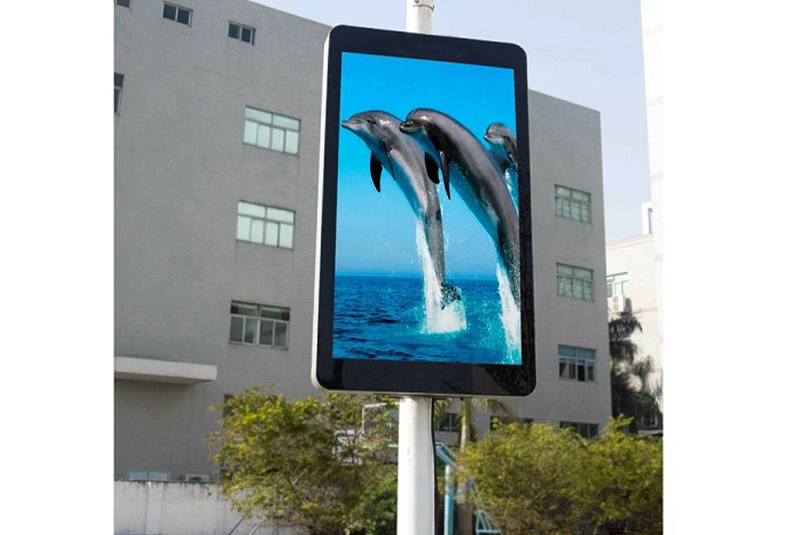
How to Choose a Digital Street LED Sign for Smart City Advertising Projects

How to Choose a Digital Street LED Sign for Smart City Advertising Projects

Picking a digital street LED sign for a smart city advertising project takes more than just checking screen sizes and basic costs. Street-side LED displays have to perform well in tough outdoor settings. In these spots, sunlight, heavy rain, thick dust, high heat, and fast traffic all play a role. Pedestrian viewing distance, easy network control, smart content scheduling, simple maintenance access, and overall operating costs are also very important. Digital out-of-home media keeps expanding rapidly. Because of this, buyers really need solid, practical specifications. These details must support clear advertising visibility, quick city information release, urgent emergency messaging, and steady daily operation. The global digital signage market is expected to expand from USD 20.1 billion in 2024 to about USD 27.3 billion by 2029. This growth highlights a strong, ongoing demand for commercial display networks across public spaces and busy retail areas. How Should Buyers Define the Street Advertising Scenario First? A digital street LED sign might be set up on a light pole, a roadside structure, or a lively commercial street. It could also go at a bus stop, a public plaza, a shopping area, a school campus, or a smart city information point. Every single location brings its own specific needs. These include different viewing distances, required brightness levels, exact cabinet sizes, proper installation heights, and specific content types. Roadside Advertising and City Roads On busy city roads, drivers and passengers usually spot the screen for just a few quick seconds. Therefore, the displayed content must be bold, very short, and simple to read. A screen placed in this spot requires excellent daylight visibility. It also needs stable refresh performance, tough weather resistance, and the ability to handle remote content updates easily. Digital out-of-home media remains a massive growth driver for outdoor advertising. The OAAA noted that DOOH made up 36.3% of total U.S. OOH revenue in 2025. This sector also grew by 10.5% year over year. Such numbers clearly prove the high commercial value of modern digital street advertising networks. Retail Streets and Pedestrian Areas Along retail streets, viewers naturally stand much closer to the screen. They might take more time to read special promotions, local store ads, helpful maps, upcoming event notices, and useful community service details. In this specific situation, a finer pixel pitch is essential. Smooth video playback and comfortable, adjustable brightness control also become incredibly important. A great public commercial example exists in huge shopping and pedestrian display projects. The Dubai Mall promenade LED installation was noted to be around 1,450 square meters. It features a sharp 3.91mm pixel pitch. This setup clearly shows how massive digital displays can effectively support crowded, high-footfall commercial environments. Which Pixel Pitch Is Suitable for a Digital Street LED Sign? Pixel pitch directly impacts fine image detail, comfortable viewing distance, overall cabinet resolution, and total project cost. Buyers must carefully match the chosen pixel pitch with exactly how far people will stand from the screen. What Do P2.94, P3.33, and P3.84 Mean? Pixel pitch simply refers to the tiny distance between adjacent LED pixels. A smaller pitch gives a much higher pixel density. This results in much clearer images at a close distance. Shenzhen Longcheng’s Digital Street LED Sign Advertising Video Screen comes in P2.94, P3.33, and P3.84 options. These specific models have ideal viewing distances of 3m, 3.5m, and 4m, respectively. For tight pedestrian spaces, the P2.94 model displays sharper text and richer video detail. For wider streets or tall pole-mounted roadside signs, P3.33 or P3.84 models provide a much better balance between visual clarity and overall cost. How Can Buyers Avoid Overspending on Resolution? The absolute smallest pixel pitch is not always the smartest choice. If the audience is standing farther away, paying for extra pixel density might not boost real advertising results at all. A smart, practical choice must look at the actual viewing distance, the exact content type, the total screen size, and the available budget. For instance, a retail street promotion screen might require very crisp product images and easily readable prices. Meanwhile, a city road announcement screen might only need large text and basic, simple graphics. In that case, a slightly larger pixel pitch will still work perfectly well.   How Bright Should a Street LED Advertising Screen Be? Outdoor street displays must stay clearly visible in bright daylight. At the same time, they must avoid causing harsh glare at night. Choosing the right brightness directly impacts basic readability, total power use, and overall viewer comfort. Why Is 4000–7000 Nits Useful Outdoors? Longcheng’s Digital Street LED Sign Advertising Video Screen offers a solid 4000–7000 nits brightness, depending on the specific configuration. The main product page also highlights a fast 1920Hz–3840Hz refresh rate. This high rate makes fast video content look much smoother and far more camera-friendly. For heavily shaded streets, a lower brightness level might be completely fine. However, for open roads, bright sunny plazas, and wide city intersections, a much higher brightness is required to keep ads visible during the bright day. Why Should Brightness Be Adjustable? A display that looks perfectly bright at noon might seem way too intense late at night. Using automatic brightness and smart timing switch functions can greatly cut down on energy waste. These features also boost overall viewing comfort. Longcheng’s street LED product comes with helpful energy-efficiency features, like automatic brightness control and a handy timing switcher.   Why Are Control Methods Important for Smart City Advertising? Street LED signs are frequently set up in large groups across many different roads or city districts. Trying to manage them one by one is very slow and highly expensive. How Can Cluster Control Reduce Operating Cost? Longcheng’s product smoothly supports 3G, 4G, WiFi, local LAN, phone control, and advanced cluster control. By using cluster control, system operators can instantly send programs to many smart light pole LED displays at the exact same time. They can also quickly check every single display’s current status using the secure cloud system. For a massive citywide advertising network, this smart setup can drastically reduce manual labor, extra travel time, and annoying content update delays. It also allows operators to easily schedule specific ads by district, exact time, marketing campaign, or special public event. Why Do Emergency Messages Matter? Smart city screens should never just show standard commercial ads. They must also be ready to display urgent public notices, helpful traffic guidance, vital safety reminders, severe weather warnings, and clear event instructions. Longcheng’s solution features include precise GPS content synchronization and the ability to handle real-time urgent message insertion. What Outdoor Protection and Maintenance Features Should Buyers Check? Street LED signs operate in highly exposed, tough environments. Heavy rain, thick dust, extreme heat, constant vibration, and basic maintenance access must all be a big part of the final buying decision. Why Is IP65 Protection Important? Longcheng’s product utilizes a tightly sealed waterproof iron cabinet and clearly lists a strong IP65 protection rating. It also comfortably supports AC110–240V power input. This makes it highly suitable for many different regional power conditions. For demanding outdoor advertising, solid IP protection greatly lowers the serious risk of failure from dust and water damage. Buyers must also carefully inspect cable sealing, reliable power protection, proper grounding, good ventilation, and specific local climate conditions. Why Does Back Service Matter? This product uses a convenient back service maintenance design. For tall pole-mounted or tricky roadside installations, proper maintenance planning directly affects manual labor costs, worker safety, and total system downtime. Buyers must always verify if technicians can safely reach internal modules, power supplies, receiving cards, and connecting cables after the initial installation. How Should Buyers Estimate Budget and ROI? A complete street LED display project budget involves much more than just the main screen body. A truly realistic quotation has to cover the core hardware, the control system, the sturdy mounting structure, shipping fees, installation costs, necessary spare parts, and reliable after-sales service. What Costs Are Often Missed? Commonly missed costs often include special pole structure adaptation, complex power distribution, secure network access, a solid media player, and the required cloud platform. Other hidden costs are waterproof cabling, tricky traffic-side installation labor, heavy crane or lift rental, initial content setup, precise color calibration, and all future maintenance work. A very low upfront price might actually become quite expensive later on. This happens if the screen suffers from weak brightness, highly limited remote control, a poor waterproof design, or very difficult servicing needs. How Can ROI Be Improved? ROI naturally improves when the screen delivers high uptime, very clear visibility, simple content updates, and highly flexible ad scheduling. Recent OAAA research on OOH budget reallocation showed that small, incremental increases in OOH spending can effectively improve optimized revenue and boost brand metric gains. This strongly supports the vital role of outdoor media within much broader advertising plans. For system operators, steady revenue can easily come from local merchant ads, important public service announcements, special event promotions, large brand campaigns, and flexible time-based ad slots. Why Choose Shenzhen Longcheng Photoelectrictechnology Co., LTD. as a Reliable Digital Street LED Sign Advertising Video Screen Supplier? Shenzhen Longcheng Photoelectrictechnology Co., LTD. provides top-quality LED display products. These include fixed LED displays, flexible rental LED displays, sleek poster LED displays, massive sports stadium LED displays, sharp small pitch LED displays, standard LED modules, and all related accessories. Its popular Digital Street LED Sign Advertising Video Screen offers P2.94, P3.33, and P3.84 options. It features 4000–7000 nits brightness and a fast 1920Hz–3840Hz refresh rate. It also includes a sealed waterproof iron cabinet, strong IP65 protection, easy back service, and multiple handy control methods. For complex smart city advertising projects, Longcheng can expertly support detailed product selection, clear technical communication, and specific cabinet customization. They also help with control system planning, proper installation guidance, and solid after-sales service. They do all this without forcing buyers into a rigid, one-size-fits-all display solution. Conclusion Selecting the right digital street LED sign for smart city advertising demands a very careful evaluation. You must look at the exact location, the typical viewing distance, the proper pixel pitch, and the needed brightness. Also check the IP rating, the best control method, easy maintenance access, total installation cost, and expected long-term ROI. The P2.94, P3.33, and P3.84 models can each be highly suitable. You just need to match them correctly with the right viewing distance and specific content type. For busy city roads, lively retail streets, standard bus stops, and useful public information points, the absolute best LED sign is rarely the cheapest one. It is also not always the highest-resolution option. The very best choice is the one that remains clearly visible, highly stable, easily manageable, totally serviceable, and consistently profitable over a long period of time. FAQs Q1: What pixel pitch is best for a digital street LED sign? It really depends on the expected viewing distance. The P2.94 model is much better for closer pedestrian viewing. Meanwhile, the P3.33 and P3.84 models can be highly suitable for much wider streets, tall roadside signs, and generally longer viewing distances. Q2: Why do street LED signs need cloud or cluster control? Advanced cloud and cluster control systems allow busy operators to quickly update many screens all at once. They can easily check display status remotely, efficiently schedule content, and instantly release urgent messages without ever visiting each physical installation site. Q3: What information should buyers provide before requesting a quotation? Smart buyers should clearly provide the exact screen size, the specific installation location, and the expected viewing distance. They also need to state their pixel pitch preference, the required brightness requirement, and the local power conditions. Furthermore, they should list their network control needs, required maintenance access, total project quantity, final shipping destination, and their realistic budget range.

Commercial LED Display Screen Buying Guide Pixel Pitch, Brightness, IP Rating, and Budget Explained

Commercial LED Display Screen Buying Guide: Pixel Pitch, Brightness, IP Rating, and Budget Explained

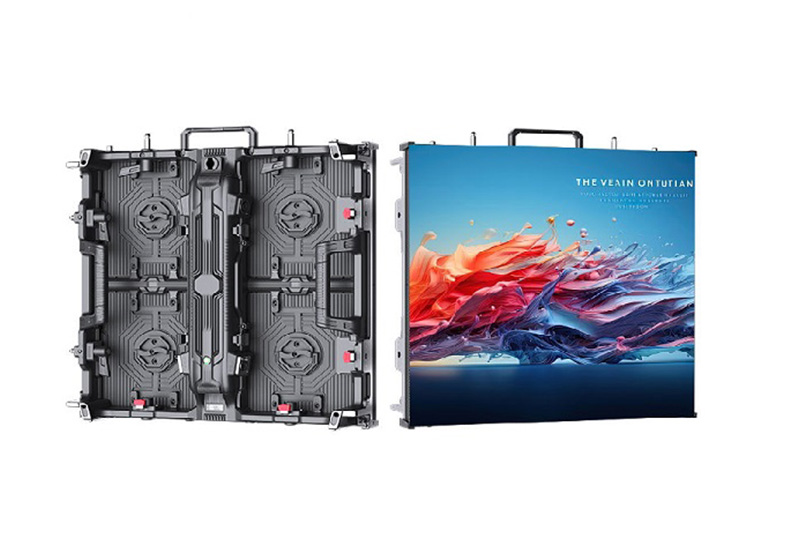
Today, commercial LED display screens appear in many places. You can see them in shopping malls, retail streets, and building facades. They are also common in transportation hubs, highways, exhibitions, and outdoor advertising projects. For buyers, the main challenge is not just finding a bright screen. A dependable commercial LED display screen must fit several factors. These include viewing distance, installation environment, and content type. It must also match maintenance access, weather exposure, and the total project budget. Industry demand keeps growing. Grand View Research estimated the global digital signage market at USD 31.1 billion in 2025. They expect this number to hit USD 58.4 billion by 2033. At the same time, the digital out-of-home advertising market will likely show strong growth. For advertisers and project buyers, picking the right LED advertising screen is crucial. It supports better visibility. It also lowers long-term maintenance pressure and delivers a stronger return on investment. Why Should Buyers Start with the Application Scenario? Before checking product prices, buyers must first decide where the LED screen will go. They also need to know how it will operate. A screen for a roadside billboard requires specific features. A shopping mall entrance or a building multimedia facade might need completely different specifications. Outdoor Advertising and Highway Visibility Outdoor commercial LED video signs generally require high brightness. They also need wide viewing angles and tough weather protection. Furthermore, these screens must run steadily for 24 hours a day. For highway advertising, viewers stay far away. They also move quickly in vehicles. Therefore, large text and strong contrast matter a lot. A suitable pixel pitch is much more important than ultra-fine resolution here. Shopping Malls and Retail Streets For shopping mall posters, retail streets, and commercial plazas, the audience stands closer to the screen. These specific projects normally demand sharper images. They also require excellent color performance and smooth video playback. Public OOH research confirms the value of highly visible outdoor media. An OAAA/Morning Consult study showed that 88% of adults noticed an out-of-home ad during the past 30 days. Additionally, 69% of them saw a billboard.   How Should Pixel Pitch Be Selected? Pixel pitch stands as a primary technical factor for buyers to check. It directly impacts image clarity and viewing distance. It also changes the screen cost, power demand, and production complexity. What Do P4, P5, and P6 Mean? Pixel pitch means the exact distance between two neighboring LED pixels. A P4 screen features a 4mm pixel pitch. Meanwhile, P5 and P6 models have larger spacing. A smaller pitch delivers higher pixel density. This creates clearer images at close distances. However, it also raises the overall cost. Shenzhen Longcheng’s commercial LED display screen advertise video sign comes in P4, P5, and P6. This variety makes it ideal for different outdoor advertising setups. It also fits various commercial display distances. Which Pixel Pitch Fits Which Location? For close-view retail entrances or pedestrian streets, P4 or P5 can show excellent visual detail. For shopping malls, transportation hubs, and building walls, P5 or P6 often proves more cost-effective. This also applies to medium-distance outdoor advertising. For massive highway billboards, buyers might not need a very fine pixel pitch. This happens because the viewing distance remains quite long. A helpful rule is to match the pixel pitch with the actual viewing distance. Buyers should avoid simply purchasing the smallest pitch available. Picking an overly fine pixel pitch increases the equipment cost. It does not always improve the real advertising impact. How Bright Should a Commercial LED Display Be? Brightness determines if the content remains clear under sunlight or indoor lighting. It also matters during rain, haze, and nighttime hours. Furthermore, brightness affects energy use and viewer comfort. Why Is Outdoor Brightness Different from Indoor Brightness? Indoor screens generally function well with much lower brightness. This happens because the indoor lighting environment stays controlled. In contrast, outdoor LED advertising screens require much higher brightness. They must compete directly with natural daylight. Longcheng’s commercial LED display screen product page highlights high brightness for outdoor daylight conditions. It lists the white-balance brightness at ≥6000 cd/m² for the P6-8S module. How Can Buyers Avoid Glare and Power Waste? Higher brightness is not always the best choice. A screen that shines too brightly at night can create heavy glare. It will also waste electricity. For commercial LED signage, buyers must think about brightness adjustment and content scheduling. They should also review ambient light levels and local regulations. Daytime ads require strong visibility. Nighttime ads need visual comfort and easy readability. Why Does IP Rating Matter for Outdoor LED Advertising Screens? Commercial outdoor LED screens deal with rain, dust, and humidity. They also endure heat, UV exposure, and constant temperature changes. The IP rating helps buyers figure out if the screen can survive outdoor conditions. What Does IP65 Mean for Buyers? Longcheng’s commercial LED display screen advertise video sign features an IP65 waterproof level. It also uses iron and aluminum body material. IP65 protection is a popular choice for outdoor advertising projects. It effectively protects the display from dust and water contact. When Should Buyers Consider Higher Protection? Some projects sit in coastal areas, desert regions, or heavy rain zones. Locations with high humidity also pose challenges. For these places, buyers must check more than just the IP rating. Cabinet sealing, waterproof connectors, and anti-corrosion treatment remain critical. Grounding, ventilation, and regular maintenance are equally important. Longcheng’s outdoor LED screen content points out a key fact. Outdoor displays might require IP65/IP66 waterproof cabinets and sealed modules. They also need thermal management, anti-corrosion treatment, and surge protection in tough environments. How Do Maintenance Methods Affect Long-Term Cost? Many buyers focus heavily on the initial screen price. However, they often forget about maintenance access. This mistake can lead to massive service costs later. Front Maintenance or Rear Maintenance? A front-maintenance LED display lets technicians fix modules from the front side. This design proves highly useful when the screen sits on a solid wall. It also helps when rear access remains strictly limited. Rear maintenance might be simpler when plenty of space exists behind the screen. Longcheng’s commercial LED display supports complete front or rear maintenance. The product page explains that this feature helps save valuable installation space. This flexibility is great for building facades, store walls, and tight commercial sites. Why Should Spare Parts Be Planned Early? A solid project budget must include spare modules, power supplies, and receiving cards. It should also cover cables, packaging, shipping, and installation. Calibration and after-sales support are vital too. Longcheng’s own buying-guide content shares similar advice. It states that LED signage cost involves the control system, power supplies, and mounting frame. It also includes cables, receiving cards, packaging, and shipping. Installation, calibration, spare parts, and after-sales service complete the list. How Should Buyers Evaluate Budget and ROI? The lowest upfront price does not automatically result in the lowest total cost. Commercial LED display ROI relies on visibility, uptime, and content quality. It also depends on maintenance cost, advertising income, and the total screen lifespan. What Costs Are Often Missed? Buyers often miss several hidden costs. These include the steel structure, installation labor, and power distribution. The control system, media player, and network connection add to the bill. Shipping, customs, spare parts, waterproof testing, and safety inspection matter as well. Long-term servicing is another crucial expense. For B2B buyers, a thorough quotation must clearly separate the display hardware from the control equipment. It should also list accessories, installation support, and after-sales items independently. This clear breakdown makes supplier comparison much more accurate. What Can Real Projects Teach Buyers? Large retail display projects offer a helpful public reference. For instance, reports described the Dubai Mall’s 2025 promenade LED installation. It covered about 1,450 square meters with a 3.91mm pixel pitch. This shows how large-format LED displays blend into commercial foot-traffic and branding environments. Not every project requires this massive scale. Still, the main lesson remains very clear. Screen size, pixel pitch, location, and content strategy must function smoothly together. Why Choose Shenzhen Longcheng Photoelectrictechnology Co., LTD. as a Reliable Commercial LED Display Screen Advertise Video Sign Supplier? Shenzhen Longcheng Photoelectrictechnology Co., LTD. provides indoor and outdoor LED screens. The company also offers fixed LED displays, rental LED displays, and poster LED displays. Their catalog includes sports stadium LED displays, LED modules, and related display accessories. Its commercial LED display screen advertise video sign features P4, P5, and P6 options. These units deliver high brightness and IP65 waterproof protection. They utilize iron and aluminum body material. They also offer convenient front or rear maintenance support. For B2B buyers, Longcheng actively supports product selection and technical communication. The team assists with installation planning, OEM/ODM needs, and spare parts planning. They also provide solid after-sales service. This comprehensive support makes the company a great match for advertising agencies and system integrators. Distributors, shopping mall operators, and outdoor media project buyers will also find them highly suitable. Conclusion Selecting a commercial LED display screen takes more effort than just comparing screen size and unit price. Buyers must carefully evaluate pixel pitch, viewing distance, and brightness. They should also check the IP rating, cabinet material, and maintenance method. The control system, installation cost, spare parts, and long-term ROI require close attention. For close-view commercial locations, P4 or P5 models can deliver excellent image detail. For medium-distance advertising and larger outdoor projects, P5 or P6 models often prove more cost-effective. Outdoor screens must also possess adequate brightness, weather protection, and proper maintenance access. By matching exact specifications with real project conditions, buyers can easily reduce waste. They will improve advertising visibility and secure a highly reliable digital signage investment. FAQs Q1: What pixel pitch is best for a commercial LED display screen? The best choice depends heavily on the viewing distance. P4 works beautifully for closer commercial viewing. Meanwhile, P5 and P6 can be much more cost-effective for shopping malls and building facades. They also suit transportation hubs and medium-distance outdoor advertising. Q2: How bright should an outdoor LED advertising screen be? Outdoor LED advertising screens typically demand high brightness for clear daylight visibility. Buyers must think about sunlight exposure and viewing distance. They should also review nighttime brightness control, content type, and local installation conditions. These factors matter greatly before choosing a final brightness level. Q3: What information should buyers provide before requesting a quotation? Buyers need to share the exact screen size and installation location. They must state whether the project involves indoor or outdoor use. The viewing distance, preferred pixel pitch, and brightness requirement are also essential. Furthermore, buyers should explain their maintenance access and control system needs. Local climate details, the shipping destination, and the expected budget range complete the necessary information.  
P2.6 vs P2.9 vs P3.9 Indoor LED Screens Which Pixel Pitch Fits Retail, Exhibitions and Events

P2.6 vs P2.9 vs P3.9 Indoor LED Screens Which Pixel Pitch Fits Retail, Exhibitions and Events

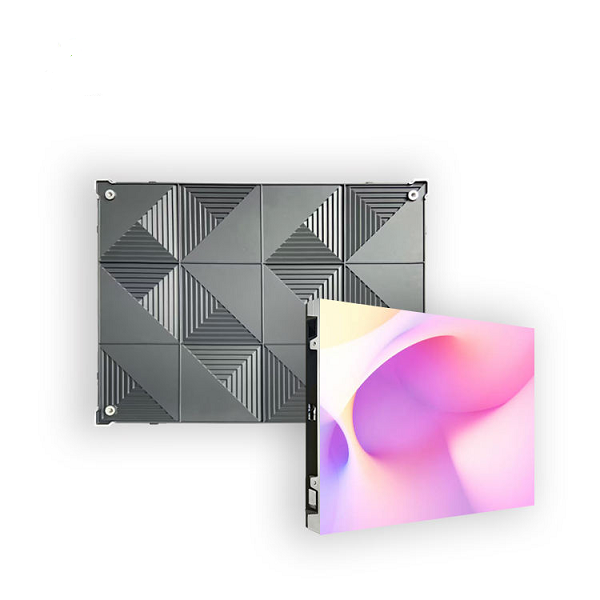
Picking a P2.6, P2.9, or P3.9 indoor LED screen goes beyond just checking the resolution. Your choice impacts the viewing distance and the total project cost. It also changes how clear your content looks. Furthermore, this decision affects installation methods, maintenance access, camera performance, and your long-term return on investment. Many buyers compare an indoor LED display screen for retail stores, exhibition booths, and shopping malls. Others need screens for hotels, conference halls, or event stages. In all these cases, the right pixel pitch must match the viewer’s distance. You must also consider the content type and how often you will move the screen. Finally, you need to set a budget for installation and service. Experts valued the global digital signage market at USD 31.1 billion in 2025. They expect it to reach USD 58.4 billion by 2033. This growth shows that buying a digital display is a major business decision. It is never just a simple decoration choice.   Why Does Pixel Pitch Matter for Indoor LED Screen Projects? Pixel pitch refers to the center-to-center gap between two neighboring LED pixels. A smaller pitch gives you higher pixel density and very sharp image details. However, this smaller gap also raises manufacturing costs and control complexity. Sometimes, it increases your maintenance expenses as well. How Does Pixel Pitch Affect Viewing Distance? Audiences might stand very close to your LED screen display indoor installation. In this situation, you should pick a smaller pixel pitch. Planar’s direct-view LED viewing distance guide offers a simple rule. A finer pixel pitch allows people to stand much closer to the screen. On the other hand, a larger pitch works perfectly when viewers stay further back. You can follow a very basic rule for indoor advertising projects. The pixel pitch in millimeters shows the minimum comfortable viewing distance in meters. Longcheng’s HD full-color indoor LED advertising display shares exact optimum viewing distances. These distances are about 2.6 m for P2.604, 3 m for P2.976, 4 m for P3.91, and 5 m for P4.81. Pixel Pitch Approx. Pixel Density Best-Fit Viewing Distance Common Use P2.6 / P2.604 147,456 pixels/m² Around 2.6 m+ Premium retail, close exhibition booths, product demos P2.9 / P2.976 112,896 pixels/m² Around 3 m+ Retail stores, event backdrops, meeting spaces P3.9 / P3.91 65,536 pixels/m² Around 4 m+ Stage rental, exhibition halls, hotel events, medium-distance viewing When Should You Choose a P2.6 Indoor LED Screen? Among the three options here, P2.6 has the finest pitch. It works best when visitors stand very close to the display. These viewers expect to read clear text, see sharp product images, and watch high-definition video. Which Retail and Brand Scenarios Fit P2.6 Best? P2.6 serves as a great option for luxury retail stores and cosmetic counters. It also fits jewelry displays, electronics showrooms, and boutique storefronts. You will often see it in close-viewing product launch areas. In these places, customers might stand just two or three meters away from the screen. A large pixel pitch would cause problems here. Shoppers would easily spot pixelation in small text, facial close-ups, and fine textures. A brand store might place an indoor advertising LED display screen near the front door. Here, P2.6 makes product pictures look smooth and highly professional. This pitch proves especially helpful for close-up product photos and skin tones. It also displays packaging details, QR codes, short slogans, and campaign videos perfectly. Cost is the main trade-off. P2.6 packs more LEDs per square meter than P2.9 or P3.9. Therefore, the starting hardware price is usually higher. You should select this pitch when sharp image quality directly boosts your brand value or sales.   When Is P2.9 the Most Balanced Choice? P2.9 acts as an excellent middle ground. It balances high image clarity with strict cost control. This pitch looks sharper than P3.9. At the same time, it remains much more budget-friendly than P2.6. Why Does P2.9 Work Well for Retail, Events and Meeting Spaces? You can use P2.9 for shopping mall promotional screens and brand pop-up stores. It also fits indoor rental LED display screen projects, hotel ballrooms, and corporate events. Furthermore, it works great for product presentations and exhibition booths. In these locations, most people stand at least three meters away from the screen. Many buyers find that P2.9 offers the best overall balance. It provides clean visuals for videos, logos, and medium-sized text. You also save money because you avoid the high resolution costs of P2.6. If your audience stays a few meters back, the slight visual difference between P2.6 and P2.9 does not justify spending extra money. B2B buyers, like event rental companies and display integrators, love P2.9. They can easily standardize this pitch across many different projects. It offers great flexibility for indoor advertising, conference backdrops, live presentations, and short-term campaigns.   When Is P3.9 Indoor LED Screen a Better Investment? You should never view P3.9 as a low-quality option. Instead, it becomes a very smart investment when audiences stand further away. It also helps buyers who want a large screen on a strict budget. Which Exhibition and Event Scenarios Fit P3.9 Best? People widely use P3.9 indoor LED screen panels for stage backgrounds and medium-sized exhibition halls. These screens also appear at hotel events, church stages, indoor concerts, school auditoriums, and conference venues. In these large spaces, viewers normally stand four meters or more away from the display. P3.9 handles large-format visuals, sponsor logos, and speaker backgrounds perfectly. It also shows animation loops and event branding with plenty of clarity. You get this good performance without paying the high LED density cost of P2.6. Because of this, rental companies prefer P3.9 to keep their equipment busy and protect their profits. If a client asks about the indoor LED display screen price, P3.9 usually offers a better ROI for huge screens. A large P3.9 display creates a massive visual impact. It beats a smaller P2.6 display at the exact same budget, especially when the crowd stands far back.   How Do Cost, ROI and Maintenance Change by Pixel Pitch? Pixel pitch changes much more than just image clarity. It directly impacts your cabinet quantity, spare modules, and power load. It also affects receiving cards, calibration work, and daily maintenance plans. What Should Buyers Include in Total Cost? A full budget needs to cover the LED display panels, control system, sending card, and video processor. You must also pay for the support structure, installation labor, spare modules, and cables. Do not forget to include packaging, logistics, maintenance access, and future content update costs. Cost Factor P2.6 P2.9 P3.9 Hardware cost Highest Medium Lower Close-view image detail Best Strong Moderate Best screen size for budget Smaller Medium Larger Suitable for text-heavy content Strong Good Better for larger text Rental durability focus Medium Good Good ROI advantage Premium brand impact Balanced Large-area cost efficiency In the retail world, ROI comes from quick content updates and lower printing costs. You also get better promotion visibility and reusable campaign assets. Digital signage draws attention because you can update promotions instantly. You never have to reprint posters for a new campaign. Retail signage providers point out that digital displays support dynamic ads. They lower your regular print costs and provide measurable customer engagement. Why Do Refresh Rate, Brightness and Cabinet Design Matter? Pixel pitch is a big deal, but you should not ignore other features. A screen might have the perfect pixel pitch but a terrible refresh rate. Weak cabinet designs and hard maintenance access will also ruin real projects. Why Is 3840Hz Useful for Events and Camera Shooting? Longcheng’s HD full-color indoor advertising display offers great specs. It supports a 1920Hz or 3840Hz refresh rate and reaches 600–1000 nits of brightness. The screens feature front and back service access. They use die-casting aluminum cabinets. You can buy these cabinets in 500×500 mm or 500×1000 mm sizes. A high refresh rate is vital for exhibitions, product launches, live streaming, and event filming. It stops visible flicker and ugly scan lines when cameras point at the LED screen. LED display technical experts agree on this point. High refresh rates, like 3840Hz, keep fast motion stable. A 3840Hz refresh rate can significantly reduce visible flicker and scan lines in most filming and live-streaming scenarios.. Brightness holds equal importance. Indoor LED display screen projects happen in malls, hotels, conference halls, and exhibitions. For these places, 600–1000 nits works perfectly. This brightness level keeps images bright under normal indoor lights. It avoids the harsh glare that outdoor LED billboards produce. What Do Real Application Cases Show? Real-world cases prove a very important point. The best pitch relies on viewer behavior, content type, and site conditions. You cannot rely on the pitch number alone. What Can Buyers Learn from Retail, Exhibition and Hotel Examples? Longcheng’s published indoor LED poster article highlights three great application cases. First, an electronics brand used P2 LED posters at a global expo to play looping product videos. Second, a retail chain installed foldable LED screens in their stores to run daily sales ads. Third, several hotels removed static roll-up banners. They installed digital agendas for weddings and corporate seminars instead. These cases teach us three valuable lessons. First, exhibitions demand fast-moving visuals. Visitors walk past many booths in a very short time. Second, retail campaigns require rapid content updates. Store promotions change almost every day. Third, hotels and conference centers need reusable digital signage. Every new event needs a totally different welcome message. If you have a small expo booth, P2.6 or P2.9 works best. If you need a hotel ballroom display or a stage backdrop, P3.9 saves you money. In those large rooms, viewers stay far away from the screen. How Should You Choose Between P2.6, P2.9 and P3.9? Your choice must begin with the viewing distance. After that, look at content detail, installation methods, maintenance access, and your final budget. What Is the Practical Selection Rule? Pick P2.6 when your viewers stand nearby. Use it if your content features tiny text or premium product photos. This pitch perfectly supports high-value retail and brand presentations. Pick P2.9 when you need a fair balance between image clarity and project budget. It fits retail advertising, pop-up stores, exhibitions, and events. People also use it for conference rooms and indoor rental projects. Pick P3.9 when you plan to build a massive screen. Use it when the audience stands far away. Here, overall visual impact matters much more than tiny details. It perfectly suits stage backgrounds, exhibition halls, hotel events, and medium-distance indoor advertising. You can use this simple decision formula: Best Pixel Pitch = Viewing Distance + Content Detail + Screen Size + Budget + Maintenance Plan Why Choose Shenzhen Longcheng Photoelectrictechnology Co., LTD. as an Indoor LED Screen Supplier? When you pick a supplier, look at engineering fit, product stability, clear documentation, and after-sales support. Do not just hunt for the absolute lowest price. How Does Longcheng Support Indoor LED Display Projects? Shenzhen Longcheng Photoelectrictechnology Co., LTD. builds LED display solutions for both indoor and outdoor spaces. Their lineup includes rental LED displays, small-pitch LED displays, fixed LED displays, and poster LED displays. They also make sports stadium LED displays, LED display modules, and related accessories. The company holds CE, RoHS, FCC, KC, and UL certifications. Their official website shows over 12 years of industry experience and more than 350 products. They sell to over 120 countries and regions. Furthermore, they provide service to more than 900 enterprises and institutions. Buyers often compare P2.6, P2.9, and P3.9 indoor LED screen display options. Longcheng’s wide product range easily meets different project demands. They supply everything from close-view retail displays to portable rental screens and massive event video walls. Conclusion P2.6, P2.9, and P3.9 indoor LED screens all serve a clear purpose. P2.6 wins for close-view, premium, and highly detailed applications. P2.9 provides the best balance for most retail, exhibition, and event setups. P3.9 stands out as the top investment for huge screens and medium-distance viewing. In those cases, cost efficiency is the main goal. The smallest pitch is not always your best decision. Buyers must review viewing distance, screen size, and content type. They also need to check installation methods, maintenance modes, refresh rates, brightness, and total ownership costs. When your chosen pitch fits the real site conditions, your indoor LED display screen performs perfectly. It delivers huge visual impact, total content flexibility, and a highly practical long-term ROI. FAQs Q1: Is P2.6 always better than P2.9 or P3.9? No. P2.6 offers higher pixel density, but it is not always the smartest investment. If your audience stands more than three or four meters back, P2.9 or P3.9 looks just as good. They also save you a lot of money. Q2: Which pixel pitch is best for indoor exhibitions? For small exhibition booths, P2.6 or P2.9 works best. Visitors will stand right next to the screen. For massive exhibition halls, stage backgrounds, or sponsor walls, P3.9 provides much better cost efficiency. Q3: What should I check besides pixel pitch? You need to check viewing distance, brightness, and refresh rate. Also, look at cabinet weight, front or rear maintenance, and the installation method. Finally, review the control system, spare modules, warranty terms, and supplier support. These extra details impact your long-term project success much more than the pixel pitch alone.
P2.5 Mirror LED Screen for Shopping Malls Buying Guide for Retail Advertising and Digital Signage

P2.5 Mirror LED Screen for Shopping Malls Buying Guide for Retail Advertising and Digital Signage

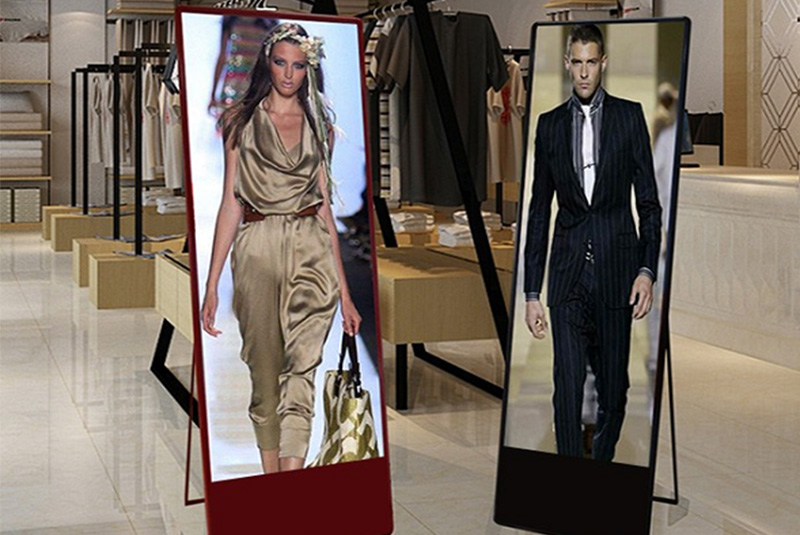
A P2.5 mirror LED screen serves as an effective option for shopping malls, retail stores, and brand pop-up spaces. It also works well in hotel lobbies, exhibitions, and indoor digital signage projects where people stand near the display. Static posters require reprinting. However, a digital display can instantly refresh promotions, product videos, seasonal campaigns, and event messages. When buyers evaluate an indoor LED display screen, they should look beyond simple image sharpness. A more important consideration is whether the screen suits the viewing distance, content type, and installation method. Buyers must also review the content management workflow, maintenance plan, and expected return on investment. In 2025, the global digital signage market reached a value of USD 31.1 billion. Experts project this figure will hit USD 58.4 billion by 2033. This growth indicates that digital signage now plays a major role in commercial communication and retail advertising strategy.   Why Is a P2.5 Mirror LED Screen Suitable for Shopping Mall Advertising? Shopping malls require displays that capture the attention of passers-by instantly. This need is especially strong in busy areas like entrances, escalators, corridors, atriums, and storefronts. A P2.5 mirror LED screen excels in this setting. It merges excellent close-view clarity with a sleek, poster-style design. How Does P2.5 Pixel Pitch Affect Viewing Distance? Pixel pitch refers to the gap between the centers of two neighboring LED pixels. A 2.5 mm pixel pitch provides the screen with sufficient pixel density for close-range viewing inside retail environments. The Longcheng Indoor P2.5 Mirror LED Screen product page details P2, P2.5, and P3 options. Specifically, the P2.5 version features a 2.5 mm pixel pitch and a 160,000 dots/m² pixel density. This detail is vital for shopping malls because customers often stand just 2–5 meters away from the screen. If the pixel pitch is too wide, small text, product images, QR codes, facial close-ups, and promotion specifics will appear blurry. Conversely, if the pitch is too fine for the location, the buyer might spend extra money on resolution that viewers cannot actually notice. Application Area Typical Viewing Distance Suggested Display Logic Luxury retail entrance 2–3 m P2.5 supports close-view product detail Cosmetic or jewelry counter 2–4 m Fine pitch helps show texture, skin tone, and packaging Mall corridor advertising 3–6 m P2.5 can keep text and video sharp Hotel lobby signage 3–8 m P2.5 works for agenda, welcome message, and branding Pop-up retail booth 2–5 m Portable poster-style screen improves flexibility What Specifications Should Buyers Check Before Choosing an Indoor LED Display Screen? A careful buyer needs to evaluate more than just the initial price. A screen that is cheap initially but hard to control, relocate, or fix will likely cost more in the long run. Which Product Parameters Matter Most? The Longcheng product page provides various important specifications for the Indoor P2.5 Mirror LED Screen. These include 800 cd/m² brightness and a 320 × 160 mm module size. Buyers can select between 1600 × 640 mm / 1760 × 640 mm panel size options. The product features a steel body material and a 1/32 scan mode. Furthermore, it holds CE, RoHS, and FCC certificates. The company offers a 2-year warranty and notes a 100,000-hour listed lifespan. For shopping malls, an 800 cd/m² brightness level generally suits indoor ambient-light conditions. The screen remains clear without producing the intense glare typical of outdoor LED billboards. Before buying an indoor LED screen display, purchasers should also verify the refresh rate, grayscale, and cabinet weight. They must review heat dissipation, the module replacement process, content input methods, and the exact warranty terms. Specification Why It Matters for Retail Advertising Pixel pitch Controls close-view clarity and screen price Brightness Affects visibility under mall lighting Pixel density Determines image detail and text sharpness Refresh rate Reduces camera flicker for events and livestreaming Module size Affects spare parts and repair convenience Control method Determines how fast staff can update campaigns Warranty Reduces buyer risk after installation Certificates Helps distributors and importers meet market requirements How Can a Mirror LED Screen Improve Retail Promotion Results? Retail advertising screens must offer more than just a modern appearance. They need to help stores share information faster and test various promotions easily. They also reduce the daily hassle associated with swapping out printed signs. What Does Retail Research Say About Digital Screens? Academic and industry studies show that digital screens impact retail shopping habits. However, this effect relies heavily on the store layout, screen position, displayed content, and specific product category. A 2016 study in the Journal of Retailing, based on real-world experiments, discovered that digital displays boosted sales in large hypermarkets. In contrast, the impact was minimal or occasionally negative in smaller retail shops. Another study published in the Journal of Retailing in 2024 involved two grocery-store experiments with 7,009 shoppers. It revealed that digital screens showing discounts successfully increased spending on discounted items located further away from the displays. The takeaway for shopping malls is quite clear. A led display screen for advertising indoor spaces requires careful placement and thoughtful programming. A screen situated near the entrance easily catches the eye. Yet, the content must direct customers to take specific actions. These actions include entering the store, scanning a QR code, visiting a special promotion area, comparing items, or participating in a campaign.   How Should Buyers Calculate Cost and ROI? Numerous buyers search for the indoor LED display screen price first. However, the purchase price forms only a single element of the final decision. A much better metric to evaluate is the total cost of ownership. What Should Be Included in the Budget? A comprehensive shopping mall display project budget must cover several items. These include the screen body, control system, content player, shipping fees, and installation charges. The budget should also account for spare modules, electricity usage, maintenance labor, and future content creation costs. For portable poster-style screens, buyers need to evaluate another factor. They must consider how frequently the display will shift between store entrances, exhibition booths, product launch events, and seasonal campaign zones. Cost Item Why It Matters Hardware price Main upfront investment Shipping and packaging Important for cross-border buyers Installation labor Lower when the display is portable and easy to assemble Content updates Digital content reduces repeated printing Maintenance access Affects downtime and repair cost Spare modules Helps restore the screen quickly after damage Power use Affects long-term operating cost Campaign reuse Improves ROI across seasons and events Longcheng’s product page emphasizes an ultra-thin, lightweight, and highly portable design. The page also confirms that the product is simple to install and take apart. These specific features greatly minimize setup difficulties for malls, retailers, and event organizers. They prove especially helpful for teams that require frequent repositioning or manage short-term promotional campaigns.   How Does Content Management Affect Daily Store Operations? A screen delivers true value only when staff members can refresh the content smoothly. For shopping malls and large chain stores, a slow content replacement process significantly diminishes the benefits of digital signage. Why Are WiFi, USB, HDMI, and APP Control Useful? The Longcheng product page explains that users can upload content via WiFi, USB, or HDMI. This setup allows for unified playback and simple control through a smart management application. This capability is crucial for retail teams. They need to modify promotions swiftly without requesting an engineer’s help every single time. A fashion boutique might display fresh arrivals every single week. A busy restaurant could alter its lunch, dinner, and holiday menus regularly. A cosmetics brand might rotate campaigns according to different product lines. Meanwhile, a mall operator could utilize the exact same led digital display screen for advertising indoor promotions early in the day. Later, they might show event schedules in the afternoon and switch to engaging brand videos during the evening hours. To achieve optimal results, managers should tailor the content to match typical mall traffic patterns: Content Type Best Use Short product video Attract attention from moving shoppers Large discount message Communicate offer within 2–3 seconds QR code Connect offline display with online campaign Event schedule Guide visitors in hotel or mall lobby Brand loop Build image in high-end retail areas Directional signage Support mall navigation and pop-up events   When Should Buyers Use Single Screens or Cascaded Poster Displays? Certain projects require just one vertical poster. Other projects demand a much larger visual wall. They achieve this without mounting a permanent led wall screen display indoor system. How Does 2–10 Unit Cascade Connection Help? The Longcheng product page notes that users can connect 2–10 poster LED displays together. This setup allows them to project the identical image on every unit. Alternatively, they can form one massive image across all the connected displays. This feature significantly enhances the product’s adaptability for mall atriums, short-term brand campaigns, exhibition booths, and new product launch zones. A solitary unit functions perfectly near a store entrance or a busy checkout area. Combining two or three units creates a broader campaign wall. Connecting six or more units supports a substantial mall activation event. It does this without requiring the heavy framework associated with a standard fixed indoor SMD LED display screen. Setup Suitable Scenario 1 unit Store entrance, menu board, digital poster 2–3 units Pop-up retail wall, product launch, hotel lobby 4–6 units Mall corridor campaign, exhibition booth backdrop 7–10 units Large promotion zone, atrium branding, event wall What Do Real Application Patterns Show? Actual use cases do not always feature dramatic setups. In the retail signage sector, the true practical value usually stems from quicker updates, high reusability, and strategic placement. What Can Shopping Malls Learn from Published LED Poster Use Cases? The published LED poster materials from Longcheng outline several common application patterns. For instance, an electronics brand utilized P2 LED posters at a major international expo to broadcast continuous product videos. A retail chain deployed foldable screens to handle their daily promotional updates. Furthermore, hotels swapped out their traditional static roll-up banners. They used digital agendas instead for weddings and professional corporate seminars. These practical examples highlight three important lessons for shopping mall buyers. First, engaging dynamic video content helps a booth or storefront grab attention in a busy, crowded space. Second, executing daily promotion changes becomes much simpler when staff can update content digitally. Third, employing reusable digital signage significantly cuts down on repetitive printing and setup chores. This is highly beneficial for hotels, malls, and retailers that host frequent events. Why Choose Shenzhen Longcheng Photoelectrictechnology Co., LTD. as an Indoor LED Screen Supplier? Selecting a supplier requires looking at more than just the lowest price. Buyers should evaluate product fit, engineering support, clear documentation, reliable warranty terms, and strong after-sales service. How Does Longcheng Support Indoor LED Display Buyers? Shenzhen Longcheng Photoelectrictechnology Co., LTD. began operations in 2013 in Shenzhen, Guangdong. The company produces various LED screen display products. These include small pixel pitch LED modules alongside comprehensive indoor and outdoor LED screen display solutions. The official company website highlights that their products serve multiple venues. These locations include stages, conference rooms, special events, live broadcast studios, sports arenas, auditoriums, classrooms, and training rooms. The site also emphasizes high definition visuals, high refresh rates, and energy-saving designs. Customers benefit from customization options, rigorous 72-hour product testing, dedicated technical support, and accessible 24-hour online service. Many buyers compare options to find a reliable China indoor LED display screen manufacturer or a dependable indoor advertising LED display screen supplier. Longcheng offers an extensive product range to meet these needs. Their catalog features rental LED displays, small pitch LED displays, fixed LED displays, and poster LED displays. They also supply sports stadium LED displays, high-quality LED display modules, and necessary accessories. Conclusion A P2.5 mirror LED screen represents a robust choice for shopping malls and retail advertising environments. It performs exceptionally well when viewers stand nearby and content requires frequent modifications. The display maintains a sleek appearance, avoiding the bulky nature of a conventional video wall. Making the right purchasing decision involves evaluating several factors. Buyers must review the pixel pitch, brightness levels, and pixel density. They should also consider content control systems, installation methods, and cascade connection capabilities. Finally, they need to check the warranty, maintenance access, and the overall total cost of ownership. For B2B buyers, the greatest value usually emerges from aligning the display with a specific business purpose. Typical uses include mall entrance advertising, storefront promotions, and hotel event signage. Other popular applications involve pop-up retail shops, exhibition booths, or multi-screen campaign walls. For C-end buyers, like independent store owners and event operators, the primary advantage remains highly practical. They gain access to dynamic content, simpler updates, and reusable campaigns. This provides a much more powerful visual presence compared to standard printed posters. FAQs Q1: Is a P2.5 mirror LED screen suitable for close viewing in shopping malls? Yes. The P2.5 model is highly suitable for close indoor viewing. Its 2.5 mm pixel pitch delivers greater detail than displays with larger pitches. It performs excellently at retail entrances, along mall corridors, in product promotion areas, inside hotel lobbies, and at exhibition booths. Q2: What affects the price of an indoor LED display screen? Several key factors influence the final cost. These include pixel pitch, screen dimensions, brightness capacity, refresh rate, and cabinet structure. The control system, module quality, and chosen installation method also play a role. Shipping fees, warranty coverage, and after-sales support add to the expense. Buyers should carefully compare the total cost of ownership rather than focusing solely on the initial quotation. Q3: Can multiple P2.5 LED poster screens be connected together? Yes. The Longcheng product page confirms that users can splice 2–10 poster LED displays together. This arrangement allows them to show the same image on every single unit. Alternatively, they can display one seamless image across all the connected screens. This function proves highly useful for extensive shopping mall campaigns, large exhibitions, and temporary event backdrops.
Football Stadium Perimeter LED Screen Buying Guide Pixel Pitch, Brightness, Safety and Budget Explained

Football Stadium Perimeter LED Screen Buying Guide: Pixel Pitch, Brightness, Safety and Budget Explained

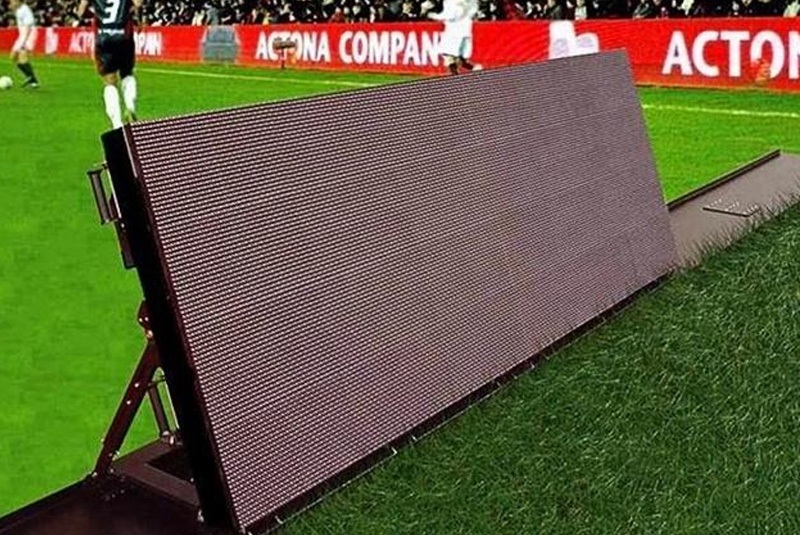
Perimeter LED screens around football fields have evolved from simple perimeter boards carrying advertisements to powerful tools to display information of great value to spectators. Information such as sponsor branding, latest scores, player details, fan engagement, communication from the match to spectators and team branding can be displayed on these screens. For stakeholders such as owners of football stadiums, football clubs, advertising companies, event organizers and contractors, distributors etc. choosing a suitable perimeter display is not just a case of comparing prices. There are many factors that need to be considered such as the pixel pitch, brightness, weather rating, refresh rate, player safety, cabinet design and maintenance method plus the total project cost. This guide will help you choose a suitable perimeter display to meet the demands of your matches and also deliver return on investment over time. Which Pixel Pitch Is Best for a Football Stadium Perimeter LED Screen? Pixel pitch can affect several aspects including image quality, the required viewing distance, the visibility of any sponsors, and cost. When selecting a pitch buyers can avoid paying for unnecessary resolution as well as ensuring the screen does not appear too pixelated from the audience viewing position and thus they do not get overcharged. What Do P5, P6.67, P8 and P10 Mean? Pixel pitch is the distance from the center of one pixel to the center of the next nearest pixel. Lower pixel pitches give higher pixel density and look great when viewed up close. I would be grateful to understand how to better meet the needs of Longcheng’s football stadium perimeter LED screen with the following options supported of P5, P6.67, P8 and P10. Generally speaking P5 is the highest pixel density and is best for close up viewing and higher end advertising packages, whilst P10 is generally lower pixel density and can be more cost effective for viewing from a larger distance. How Should Buyers Match Pixel Pitch with Viewing Distance? P5 is best for use in smaller arenas, closer viewing areas, VIP suites, sponsor logos etc. that require greater detail. P6.67 offers a good compromise between detail and cost, being suitable for most mid-sized venues and events where high detail is not required but good images are required. P8 is generally suitable for normal use football field advertising. P10 is more suited to very large venues and events where the majority of the audience are sat some distance from the screen. When purchasing a sports simulator there are several items to take into consideration. View from of where spectators are sitting, size of field on screen, camera angle, ability to see and read all sponsor logos on clothing of players on screen. Lastly one must also take into consideration their budget. Just because you may have a smaller in yard version of a full size soccer field it does not necessarily mean it would be better for your dollar if spectators are sitting way back from a screen. Pixel Pitch Comparison Pixel Pitch Best For Buyer Priority P5 Close viewing, premium ads, smaller stadiums Higher image detail P6.67 Medium viewing distance Balance of clarity and cost P8 Standard football perimeter advertising Practical project value P10 Larger venues and longer viewing distance Lower cost per display area Img.Football Stadium Perimeter LED Screen Buying Guide.webp How Bright Should a Stadium Perimeter LED Screen Be? In choosing a screen for an outside football field, the Brightness of the screen is probably the most important parameter. A screen that seems to be bright enough in an inside environment will most likely not be bright enough in a sunny outdoor environment or in a very bright environment with flood lights in a big stadium. Why Does Daytime Visibility Matter? Football matches are played during the day in bright light or in cloudy weather, in the evening or under floodlights. In cases where the screen brightness is too low, the print of the sponsor ads will not be visible and the text will not be read clearly. High brightness helps to see for spectators as well as for cameras. It also helps to protect the commercial value of perimeter advertising. The logos and ads of sponsors and of promotional messages of a team need to be clearly visible during the whole match. Is 5000–7000 Nits Suitable for Football Stadiums? The perimeter LED display for the football stadium of Longcheng is suitable for many outdoor sports display applications. The display reaches a brightness of 5000 to 7000 nits depending on the pixel pitch. 5000 nits would be sufficient for standard general outdoor use of a football field and good display quality for most scenarios while 7000 nits would provide better visibility for very strong daylight, greater distance to screen and extremely large / high impact Sponsor Displays. When selecting the brightness of a projector there are several other factors to consider rather than just choosing the highest to ensure you get the best from your purchase. These would include power consumption, viewing angle, ambient light and audience comfort. What Else Affects Visual Performance Besides Brightness? Image quality has more to it than just brightness. There is also refresh rate, contrast, the way colors are shown in different shades of gray, as well as color calibration, viewing angle and last but not least, the way content is designed. For football advertising, sponsor logos must remain vivid and readable. For scoreboard content, numbers and names must be clear. For fan interaction content, videos and animations should look smooth without visible delay or smear. Why Are Safety and Anti-Collision Design Important for Perimeter LED Boards? Our Football perimeter LED boards are installed close to the Football field. So there are some differences between the safety of perimeter display solutions and the usual advertising display. Players, balls, Football stadium staff, match equipment etc. can come into contact with the perimeter display. How Can Rubber Protection Improve Safety? The rubber protection has two functions: On the one hand it will reduce the impact on player or football in case of a hit on the screen. On the other hand it will also protect the single LED modules from direct impact of the ball. A safer perimeter screen design is crucial for professional clubs, school stadiums, training fields and multi-purpose sports venues. It will not only keep the players safe and prevent serious injuries, but also protects the display system from possible damage. Why Does Cabinet Structure Matter? The perimeter LED screen for the Longcheng football stadium’s perimeter uses a die-casting aluminum cabinet. Compared with lesser structures die-casting aluminum cabinets have the advantage of greater structural stability, corrosion resistance and heat dissipation. This product is 960×960mm and weighs 28kg. Dimensions and weight of the product’s cabinet can affect how the product is transported, installed and possibly the use of a structure to support the cabinet as well as the maintenance planning. What Should Buyers Check for Player-Safe Installation? When purchasing a number of screens it is advisable to check the initial setup of a few of them for features such as screen height, tilt angle, soft edge protection, cable routing, ground stability and the distance from the field boundary. Also ensure that there is adequate maintenance access to allow for any necessary work to be carried out in a safe manner to avoid interfering with match play. For football stadiums installation of displays should focus on more than visibility of the screens. It also has to protect players, stadium staff, stadium equipment as well as the displays themselves in the long run. How Does Refresh Rate Affect Broadcast and Sponsor Visibility? A stadium screen is more than just the view of the people in the venue itself. The contents of the screen are also captured by TV cameras, smart phones, live streaming and social media. Why Do Cameras Need a High Refresh Rate? A low refresh rate on screens can cause the images recorded by cameras to flicker, display horizontal lines or be of unstable image quality. This affects the appearance of sponsor logos and the match content in poor quality. Longcheng Football Stadium Perimeter LED Display Screen has been configured to run at 1920-3840Hz refresh rate, to give the smoothest display for all cameras capturing footage whether for live transmission, short video or for slow motion replays. How Does This Help Sponsors? A sponsor pays for visibility. If a logo is clearly visible on screen then the value of that perimeter advertising will increase. Good quality camera shots can support the live broadcast of the event as well as highlight videos and social media clips as well as event photography. Add more commercial value from the same advertising space for clubs, event operators and advertising agencies with our broadcast-friendly LED perimeter boards. What Factors Influence the Budget of a Football Stadium Perimeter LED Screen? A perimeter LED screen budget is not just for buying LED cabinets. It also includes the cost of the remainder of the system: the hardware, the control, the installation, logistics, the calibration of the screen, the service afterwards and the maintenance afterwards. What Are the Main Cost Components? Main cost factors are: LED cabinets, LED modules, pixel pitch, control system, power supplies, mounting system, connection cables, packaging, transport, installation, alignment, spare parts and after-sales service. Total screen length also plays a large role. A short installation on a training field versus a full perimeter installation around a full football stadium will have two vastly different budgets. Why Does Pixel Pitch Change the Price? A smaller pixel pitch typically means more LEDs per square meter. Producing these requires more precise production, more components and more calibration work. Therefore P5 normally is more expensive than P8 or P10. When selecting a pixel pitch, the viewer’s distance from the screen and the level of visibility required for the sponsor to be recognized needs to be taken into account. The lowest cost option may not provide sufficient clarity of message and the highest detail option may not be required for longer distance viewing. How Can Buyers Control Budget Without Reducing Reliability? Budget can be controlled by selecting the correct pixel pitch, correct brightness, correct cabinet configuration, sufficient planning for the power and signal distribution and stocking of spare parts for the first match. A reliable quotation for an LED screen is more than the price of the screen itself. It needs to include the accessories, the control system, packaging, after sales service support and the provisions for long term maintenance. Why Choose Shenzhen Longcheng Photoelectrictechnology Co., LTD. as a Reliable LED Screens Supplier? Selecting the right supplier is important for both the quality of the products you choose to implement and the effective management of the implementation itself. When it comes to a Football stadium LED implementation in particular, there are a number of key considerations around communication, the quality of the hardware supplied, and implementation support post-sale. What Does Longcheng Offer for Stadium LED Projects? Shenzhen Longcheng Photoelectrictechnology Co., LTD. is a China-based LED screen supplier. We are providing sports stadium LED displays, indoor and outdoor LED screens, rental LED displays, fixed LED displays, poster LED displays, LED modules and other related display accessories. We supply a range of products for Football Stadium Perimeter LED screen solutions, from P5 to P10. They are all designed for Outdoor use, have IP65 rating, High refresh rate, Die-casting aluminum cabinet and Rear service access. How Can Longcheng Support B2B Buyers? Longcheng can support stadium contractors, system integrators, distributors, advertising agencies, sports clubs, and event operators. Useful support areas include product selection, OEM/ODM options, technical communication, installation guidance, packaging, after-sales service, and spare parts planning. A reliable supplier should help buyers confirm pixel pitch, brightness, cabinet layout, maintenance method, power planning, control system, and project feasibility before production. Conclusion Buying a football stadium perimeter LED display is more than just buying the cheapest screen. There are many important parameters that need to be looked at such as the pixel pitch, the brightness, the safety features, the weather resistance, the refresh rate, the maintenance method and last but not least the total budget for the project. P5 P6.67 P8 P10 – These pages cover four different pitches or field sizes, viewing distances and a number of different advertising goals. The brightness level of 5000 – 7000 nits for the best outdoor visibility is combined with a number of other features that all together guarantee a good and durable long-term product. Such features are the IP65 protection, the rubber safety, the high refresh rate and the appropriate maintenance planning. Prior to requesting a quotation for Football Stadium Perimeter LED Displays it would be advisable to prepare the following information to allow a supplier to recommend the most accurate and reliable solution for your stadium. Stadium Dimensions, Recommended Viewing Distance, Examples of previous Installation Photos, Project Goals & Requirements, Rough Estimated Budget and what type of content you intend to display. FAQs What is a football stadium perimeter LED screen? A football stadium perimeter LED screen or display is typically an LED advertising and information solution installed around the perimeter of a football field / soccer field. The perimeter LED screen can display; sponsor ads, scores in real time, match time and date, player info, player interviews, stadium specific animations and a multitude of other fan interactive type content and information. Which pixel pitch is best for stadium LED perimeter boards? The best pixel pitch depends on viewing distance and budget. P5 offers better image detail for closer viewing, while P8 and P10 can be more cost-effective for larger fields and longer viewing distances. P6.67 is often a balanced option. How bright should a football stadium LED screen be? Outdoor football stadium LED screens generally require higher brightness in order to guarantee good visibility during the day. With a brightness of 5000–7000 nits, the perimeter LED screen for the football stadium of Longcheng can be used for a variety of outdoor sports advertising and match information applications. Why do stadium LED perimeter boards need rubber protection? Rubber protection reduces the risk of impact related damage to the screen. Rubber protection also protects the LED modules and reduces the risk of player injury due to intense play in match situations. What information should buyers provide before asking for a quotation? Buyers should provide field size, required screen length and height, viewing distance, pixel pitch preference, brightness requirement, installation photos, match-day use case, budget range, project deadline, and any OEM or customization needs.
P1.8 Indoor LED Panel Buying Guide Pixel Pitch, Viewing Distance and Project Budget Explained

P1.8 Indoor LED Panel Buying Guide Pixel Pitch, Viewing Distance and Project Budget Explained

Buyer’s Guide to P1.8 Indoor LED Panels for Video Walls. P1.8 indoor LED panels are very popular for indoor video wall installations that require sharp images to be viewed up close. As with selecting any pixel pitch for video wall installations, choosing a P1.8 indoor LED panel requires more than just selecting a small pixel pitch. The buyer must also consider the viewing distance, screen size, resolution, refresh rate, brightness, installation method, maintenance access and total project budget. This article will elaborate on how P1.8 indoor LED panels work, when it is wise to invest in such panels and what you should verify before ordering.   What Does P1.8 Mean in an Indoor LED Panel? Before you start comparing prices or display size you should first know what P1.8 means. The term pixel pitch is one of the most important specs for a monitor, because it determines the amount of detail that a monitor can display, how comfortable it is to view and how much it will cost. Pixel Pitch and LED Spacing The distance between two adjacent LED pixels is defined as the pixel pitch, P1.8 for this product equals 1.8mm. The smaller the pixel pitch, the higher the pixel density for a given display surface area. The result is very sharp images with very smooth edge definition. For close-up viewing, such displays deliver very high detail. Compared to P2, P2.5 and P3 indoor LED panels, the display density of a P1.8 panel is significantly higher, meaning finer text, sharper charts and more detailed video are displayed. Therefore, P1.8 panels are predominantly used in rooms where viewers are close to the display and require to clearly read details. Why P1.8 Is Used for Fine-Pitch Indoor Displays P1.8 is fine-pitch indoor LED display, ideal for indoor video wall applications where high image quality is critical over low cost for large screens. These are just a few examples of how screens can be used to display different types of content. In the control room, for example, the screens can display a dashboard, a map or even a feed of live surveillance footage. In a conference room, screens can be used to display slide presentations, video conferences as well as financial charts and brand related content. A retail showroom could display product videos, close-up images of products or even promotional messages and offers. As screens are more than just a decorative item they must display clear and readable content.   How Close Should Viewers Be to a P1.8 Indoor LED Display? One of the key factors for why buyers choose P1.8 is viewing distance. A high-resolution LED display only brings value to end users when viewed up close and they are able to appreciate the additional fine detail and depth. Recommended Viewing Distance P1.8 indoor LED panels are perfect for short-distance viewing indoors. They are great for viewing from short-range by people who are standing or sitting in front of the screen in meeting rooms, retail stores, showrooms and monitoring centers. There is no one-size-fits-all viewing distance rule for digital screens. The optimal viewing distance for a screen will depend on a number of factors including the screen size, the type of content being displayed, the aspect ratio of the display, the viewing angle and how much detail the viewer needs to be able to see. For example a screen playing brand videos may not require the same level of detail as a screen being used for data monitoring or financial dashboards. What Happens If the Pixel Pitch Is Too Large? However, when pixel pitch is set too high in relation to the viewing distance, the screen will start to display so-called pixel grain, and text will look harsh and lose its clearness. This will negatively impact the image quality and give the display an non-professional look, which is not suitable for high end indoor installations. However, even for close-range applications small text may appear less clean than desired, product images and also other images might lose too much detail. On a monitoring desk in a control room even simple data could be too difficult to read or only a very small part of a signal window is visible. What Happens If the Pixel Pitch Is Too Small? Picking the smallest pixel pitch isn’t necessarily best. Smaller pixel pitches are typically more expensive because of more LEDs, tighter manufacturing tolerances and higher quality control measures to maintain uniformity. If the viewing position is far enough that one can’t resolve the differences then the additional cost likely will not deliver enough additional value to warrant the increase. Pixel pitch is typically chosen based on the viewing environment. So, for example, close indoor viewing can be achieved with P1.8 pixel pitch screens but P2 or even P2.5 might end up being more cost effective for larger spaces or longer viewing distances. Pixel Pitch Comparison Pixel Pitch Best For Typical Buyer Need P1.8 Close-viewing indoor video walls Higher image detail P2 Meeting rooms, retail, mid-distance viewing Balanced quality and cost P2.5 Larger indoor spaces More budget-friendly display area How Does Screen Size Affect Resolution and Budget? After choosing the pixel pitch of your display, you will need to choose the screen size or the dimensions of the final video wall. A P1.8 panel will produce vastly different results based on the final width and height of your wall. Larger Screen Size Means More Modules An indoor LED video wall is made up of modules and cabinets. The more a screen needs to be enlarged, the more modules, cabinets, receiving cards, power supplies, framework, cables, and assembly work are required. A small meeting room screen and a large showroom video wall would both probably use P1.8 panels, but have very different total budgets. A large screen needs more than one piece of hardware, more labor to install, more thought to how to power it, and more time to calibrate it. Resolution Depends on Pixel Pitch and Screen Dimensions P1.8 gives higher pixel density, but the final resolution depends on the complete screen dimensions. A P1.8 video wall does not automatically mean full HD or 4K. The supplier should calculate the actual pixel resolution based on the screen width, height, cabinet size, and pixel pitch. In environments like conference rooms or command centers, displays are often used to connect to computers. In these situations it is crucial to determine the required resolution prior to production in order to check whether the required signal can be displayed on the screen. This may be a presentation or several open windows. Content Format Should Match Display Ratio There is often a preference to use a 16:9 ratio for conference rooms, corporate presentations and video play out. Retail environments, exhibition stands and shopping malls often use vertical format screens, wide format banners or custom shaped formats and the best wall format will often be determined by the content format not just the available wall space.   What Factors Influence the Project Budget of P1.8 Indoor LED Panels? A project budget for an indoor LED display installation is more than the square-meter price of an LED panel. In addition to the hardware, there is the control system, the installation, the service and the maintenance during the coming years. Main Cost Components The main cost items for a LED signage system are: the LED panels or cabinets, the control system, the power supplies, the mounting frame, the cables and accessories for connection, the receiving cards, the packaging, the shipping, the installation, the calibration of the display, the spare parts, and the after-sales service support. In addition to designing the P1.8 indoor LED panel itself, it may be necessary to design front-service, a backup system, signal processors, etc. depending on the installation. In addition, custom cabinet design may be required. Why Fine-Pitch LED Panels Cost More Fine-pitch LED panels are higher priced displays because they contain more pixels in the same surface area than other displays. As a result they demand greater precision in manufacturing, more precise calibration, a more careful assembly process and more stringent quality control measures to detect and correct any defects prior to their leaving the factory. Longcheng’s P1.8-class indoor LED panel is a fixed installation indoor LED panel that can be serviced from the full front using magnetic modules. Product data for the panel includes White Balanced brightness of 800 nits, 3840Hz refresh rate, 160° viewing angle, 14–16 bits grayscale and contrast of at least 5000:1. These data points are critical for indoor applications where smooth display performance, wide viewing angle and stable images are required. How to Control Budget Without Sacrificing Quality To control budget, customers can select the most appropriate pixel pitch for the required viewing distance, determine the correct screen size based on the required resolution, check installation details in advance and avoid over-specifying products and services which are not required. But lowering the base price by cutting out important characteristics has its own drawbacks. In addition to short term problems, other characteristics such as refresh rate, brightness, service, cabinet, calibration, power supply, and spare parts affect long-term performance.   Why Choose Shenzhen Longcheng Photoelectrictechnology Co., LTD. as an Indoor LED Panel Supplier? We believe choosing the right supplier for your indoor LED panel project is very important. Not only does a supplier deliver your products, but also they provide you technical support for problems when they occur. Reliable Indoor LED Panel Manufacturing Support Shenzhen Longcheng Photoelectrictechnology Co., LTD. is a China-based manufacturer of LED displays such as small pitch LED displays, indoor LED display panels, LED modules, rental LED displays, fixed displays, poster displays and also various accessories for LED displays. Longcheng provides products for P1.8 indoor LED panel projects. The products are designed for indoor video wall applications. The main features of the product are die-casting aluminum body for heat dissipation, multiple installation methods, light weight, high precision mold, and magnetic modules for front-end maintenance. Support for Project Buyers and Distributors Longcheng supports system integrators, distributors, contractors, ad agencies, retail brands and corporate project buyers. For B2B customers Longcheng offers the following areas of support: product selection, product customization, technical Q&A, installation planning, after sales service and spare parts. A good supplier is more than just a panel seller. He or she should help the buyer to check several details before production such as pixel pitch, screen size, cabinet, signal input, maintenance and feasibility of the project. Conclusion P1.8 indoor LED panels are ideal for very close viewing applications such as indoor applications that require great image detail and smooth display. Such applications include conference rooms, control rooms, retail stores, showrooms, corporate lobbies and exhibition environments where a professional visual display is required. From all of the aspects above, P1.8 may seem like an obvious choice because it has the smallest pixel pitch; but there are more aspects to choosing the right indoor LED panel. P1.8 would be best chosen based on factors such as viewing distance, screen size, target resolution, content that will be viewed on the display, method of installation, maintenance access and total project budget. A reputable indoor LED panel supplier will be able to help work out the required resolution and recommend a suitable configuration of displays and ancillary equipment to meet your needs. They will also be able to ensure that the indoor LED panel continues to function at optimal levels over the long term. FAQs Is P1.8 good for indoor LED video walls? P1.8 is a powerful option for indoor LED video wall applications where the viewer is close to the screen and detailed imagery is required. Typical applications are meeting rooms, showrooms, retail environments, control rooms and presentation rooms. What is the best viewing distance for a P1.8 indoor LED panel? This TV is intended for short distance viewing in an indoor environment. The viewing distance will depend on the size of the screen, the type of content being viewed, the viewing angle, and the amount of detail in the images. It is recommended that buyers check the room size and environment with the supplier before choosing the TV. Is P1.8 more expensive than P2 or P2.5? Usually, yes. P1.8 has higher pixel density, which can increase module cost, manufacturing precision, and calibration requirements. However, it may be worth the cost when close-viewing image clarity is important. Can P1.8 indoor LED panels be used in conference rooms? Yes. P1.8 indoor LED screens are suitable for use in conference rooms. They are best for displaying text, charts, video conferencing, presentations and all high detail business content. What information should I provide before asking for a quotation? Buyers should provide screen width and height, viewing distance, installation location, wall condition, content type, required resolution, service method, project deadline, and any customization needs.
Home
WhatsApp
Email
Contacts