W e l c o m e t o L o n g C h e n g

Loading

Nullam dignissim, ante scelerisque the is euismod fermentum odio sem semper the is erat, a feugiat leo urna eget eros. Duis Aenean a imperdiet risus.

ABOUT4
LED Screen Display

Sign Up and Never Miss a Deal Again

Longcheng firmly believes that quality is the soul of a product. Adhering to every standard, every process of production, and every detail of service, we aim to create the greatest value for our customers. We provide professional and considerate LED display technology consulting services. With 24-hour service response, we warmly welcome your inquiries.
Your Name*

Email*

Tel*

WhatsApp*

Message*

Latest News

Check out our blog posts

View More
Why are outdoor rental LED screens the first choice for large-scale events

Why are outdoor rental LED screens the first choice for large-scale events

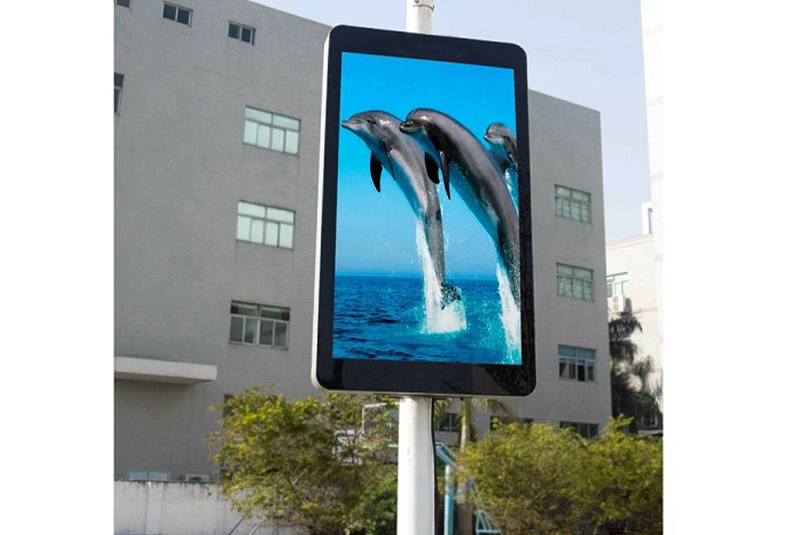
Outdoor rental LED screens have changed the way big events offer visual experiences. They mix strong brightness, easy-to-adjust flexibility, and tough build quality. This makes them essential for concerts, festivals, sports tournaments, and corporate presentations. They keep top-notch image quality in many weather conditions. This sets outdoor LED technology apart as the top choice for event planners. Key Technical Features That Support Large-Scale Applications Strong brightness is a main trait of outdoor rental LED screens. These displays are built to reach light levels over 5,000 nits. They ensure clear views even in bright sunlight. This matters a lot for events during the day. Ambient light can easily fade images from projectors or LCD setups. Their adjustable design lets planners create screens in different sizes and shapes. This flexibility helps with creative stage setups. It also boosts how audiences feel involved. The screens fit small groups or huge outdoor spots. Tough build against weather is another big plus. Outdoor rental LEDs usually have an IP65 rating or better. This guards against dust and heavy rain. Such strength promises steady work no matter the weather changes. It keeps visuals going without stops for the whole event. The Role of Visual Impact in Audience Engagement The strong visual effect from big outdoor LED displays really affects how audiences connect. These screens turn simple stages into engaging spaces. They use moving graphics, live video feeds, and matched light shows. The size and sharpness grab focus from far away. Lively content sharing helps interaction. It includes animations, social media links in real time, or fun branding. This links the real world with digital ones. Sharp images make text easy to read. They also show a brand’s skill. For business events or product reveals, this clear look keeps messages steady. It raises the overall quality feel of the show. How Do Outdoor Rental LED Screens Enhance Event Efficiency? Efficiency matters most in managing big events. From putting up to taking down, each saved minute cuts labor costs and smooths the flow. Outdoor rental LED screens are made for easy handling in logistics. Simplified Installation and Maintenance New rental LED panels have light aluminum frames. These make moving and carrying simple. Quick-lock systems allow setup without tools. This cuts assembly time a lot compared to old truss-based projector setups. Technicians can build big displays in just hours, not days. Upkeep is straightforward too. Modules with front or rear access let quick swaps of single parts. You don’t need to take apart the whole setup. This cuts stoppages during live shows. It’s key for tight timelines or events running days in a row. Cost Efficiency Through Rental Solutions Renting outdoor LED screens gives real money flexibility for planners. You avoid big upfront buys. Instead, you get cutting-edge tech for much less. Rental periods fit short shows or long tours. Pro rental services often come with full tech help. This covers setup oversight, tuning, content handling, and on-site fixes. Such all-in-one support lowers risks. It also keeps screens working at their best through the event’s life. Why Are Outdoor LEDs Superior to Other Display Technologies for Events? Against projection mapping or LCD video walls, outdoor LEDs do better in even brightness, growth potential, and weather toughness. Performance Comparison with Traditional Display Systems Projectors have trouble in bright outdoor light. Their output relies on bounced surfaces that lose sharpness outside. But LED screens send light straight from diodes. They hold image clear even in noon sun. LCD panels show lines between parts because of edges. LED modules make smooth big surfaces. These work well for wide views or stage backs. Plus, their solid build lasts through many setups. It keeps color true and brightness even. This is vital for tours needing steady work in different places. Adaptability to Various Event Environments Outdoor LEDs shine in many uses. They fit open-air concerts, sports fields, trade shows, and city events. Pixel pitches from P2.6 to P5 let exact matches to viewing range. Smaller ones like P2.6 give sharp details for nearby crowds at talks. Bigger ones like P4 or P5 balance clearness and cost for far-off viewers in stadiums. Growable rigging setups allow fitting into odd stage shapes. Think curves or hangs. This freedom lets designers blend building ideas with tech smarts. How Does Technology Advancement Improve Outdoor Rental LED Screen Performance? Ongoing progress has pushed outdoor LED tech to better levels. It shows in sharper details and smart controls. Advancements in Display Quality and Control Systems Newer pixel closeness brings clearer pictures up close. It doesn’t cut brightness. Better control setups match many screens in big areas. They keep frames exact. This is needed for shows with tricky multi-media moves. High Dynamic Range (HDR) tech boosts color range. It widens gaps between dark and light parts. You get a bright color set that matches movie looks. This holds in tough light of outdoor spots. Integration with Digital Event Ecosystems Current outdoor rental LEDs link well with digital setups. They handle live data shows and fun content making. Wireless links allow checking screen status from afar. Things like heat or signal steadiness get watched. Cloud tools let quick content changes. They also work with streaming systems. This lets mixed events send shows worldwide. On-site screens stay in sync. It connects in-person crowds with online ones well. Why Choose Shenzhen Longcheng Photoelectric Technology Co., LTD as a Reliable Supplier? Shenzhen Longcheng Photoelectric Technology Co., LTD is a solid maker of quality outdoor rental LED options. It’s known worldwide for fresh ideas and steady work in event displays. Company Strengths and Product Advantages The firm has a wide range of items. Pixel pitches from P2.6 to P5 cover many uses like concerts, exhibits, sports shows, and business events. Each series has high refresh rates over 3,840Hz. Plus, good color tuning keeps true colors in different lights. They run on low power and meet world rules. Custom designs add project ease. They adjust box sizes or fix points to fit client space needs. This helps with special stages around the globe. Commitment to Quality Assurance and Customer Support Shenzhen Longcheng Photoelectric Technology Co., LTD uses strict checks for quality. From material reviews to end tests, they use top tools for light measures. This keeps steady results in every batch. Their shipping web handles fast world sends. Tech teams give round-the-clock help from afar. This covers setup or live runs. It makes sure things go smooth even with tight event schedules. What Are the Key Factors When Selecting an Outdoor Rental LED Screen Provider? Choosing the best provider sets display standard and steady work during key event parts. Evaluation Criteria for Selecting a Supplier Pros in events should check certs like CE, RoHS, or FCC. These show they follow world safety rules for electric match and green ways. Look at past work in big setups. It shows skill in hard projects. Also, check upkeep plans. Look at spare parts stock and fix times on site. This keeps things going if surprises hit during a show. Conclusion: The Strategic Value of Outdoor Rental LED Screens in Modern Events Outdoor rental LED screens act as key tools in today’s event worlds. They mix tech skill with real-world ease. Their power for strong visuals in any weather, plus fast setup, lets planners create lasting moments. It also helps control costs. This mix keeps shaping high marks in world fun fields. FAQs About Outdoor Rental LED Screens 1. What is the typical lifespan of an outdoor rental LED screen? Good outdoor rental LEDs last reliably from 80,000 to 100,000 hours. This depends on weather contact and sticking to care plans. That includes regular tuning checks. 2. Can outdoor rental LED screens perform well during rain or extreme weather? Yes. Top models have IP65-rated covers. They fight water entry, dust build-up, and wetness changes. This lets steady work in bad weather at outdoor events. 3. How do I determine the right pixel pitch for my event? Pick pixel pitch based on usual viewer range. Small ones like P2.6 give great clearness for near groups at meetings. Bigger choices like P4 to P5 offer good mix of detail, clear view, and low cost for big stadium shows. There, people watch from far spots.
How to Utilize movable LED Displays to Create an Efficient Digital Signage System

How to Utilize movable LED Displays to Create an Efficient Digital Signage System

Movable LED displays have changed the digital signage world. They bring in ease of movement, portability, and strong visual effects to marketing and communication settings. Businesses now need flexible display options more than ever. Movable LED technology offers the adaptability to connect with people in lively ways at various spots. Key Features That Define Movable LED Displays Portability stands out as a main quality of movable LED displays. Their light build and piece-by-piece design let users shift them from one place to another or from one area to the next. This happens without much setup effort. The piece-by-piece setup allows for speedy putting together and taking apart. As a result, quick placement becomes possible at trade shows, shops, or company gatherings. Moreover, power-saving LEDs keep steady light levels. At the same time, they cut down on energy use. This proves vital for green practices. Such savings not only lower running expenses but also lengthen the life of the display parts. Benefits of Mobility in Digital Signage Applications Mobility boosts how audiences connect. It lets businesses place displays where people walk by the most. Or it positions them where they can be seen best for strong results. With quick shifts in real time, companies adjust their messages right away. They base this on who is watching or what the event needs. This flexibility cuts down on setup delays and planning hassles. It works better than setups that stay in one place. For instance, an event planner can shift a screen from a meeting room to a front area in just minutes. Thus, steady message flow continues without stopping work. How Can Movable LED Displays Be Integrated into an Efficient Digital Signage System? Creating a strong digital signage setup with movable LEDs goes beyond just the equipment. It calls for a smooth blend of software handling, content oversight, and link setups. All these keep things in sync across several units. Essential Components of a Digital Signage System A solid system starts with display parts that have tough frames. These frames provide both steadiness and ease of carrying. They guard the inside pieces during moves. At the same time, they ensure even picture results. Handling systems matter a lot for directing content from afar. They let workers change visuals on all screens at once. This occurs via web-based tools or nearby networks. Link parts, either without wires or with them, allow smooth changes and checks. So, content stays fresh no matter the spot. Optimizing Content Delivery Across Movable Displays Central hubs for managing content hold a key role. They line up playback on many movable units. By using planning tools, businesses can set up automatic switches. These happen between different spots or message drives without hands-on work. Data checks also improve this step. They follow viewer interest measures like time spent watching and response levels. Marketers then fine-tune messages from these findings. A well-blended system makes sure each movable LED display gives steady brand marks and picture standards in varied settings. How Does Display Configuration Affect Performance and Efficiency? Display setup shapes how well a digital signage network works. It impacts picture sharpness, power needs, and lasting power. Expert arrangement makes each display run at its best. It also keeps even visual rules. Factors Influencing Display Configuration Choices Choosing pixel spacing decides how clear pictures look at different watch distances. Small spacings work well inside where people stand near. Bigger spacings fit outside uses that need wide views. Light levels should match the surrounding glow. Inside screens gain from average light to skip shine. Outside types require stronger light for clear reading in day time. Right tuning ensures even colors over all panels. So, brand shades stay the same no matter part swaps or moves. Techniques to Enhance Operational Efficiency Auto check systems spot issues early. They cut down on stop times with ahead-of-time fix warnings. Smart air flow methods stop too much heat in long runs. This guards LEDs from heat harm and lengthens use time. Fix plans based on real use info, not set times, improve resource use. Techs step in only when needed. This lowers extra fix costs. At the same time, it keeps trust in the system. What Are the Key Considerations When Deploying Movable LED Displays? Good planning for rollout ensures safe running and steady results over many spots. It follows tech rules and move needs. Site Assessment and Structural Planning Before setting up, check the floor’s weight hold. Confirm surfaces can bear mobile units without risk. Paths for access should stay open for carry tools or wheel bases during shifts. Wire paths need to cut trip risks. They also avoid signal mix with other tech setups. Plus, checking firm power links promises no breaks in work during events or ongoing ad runs. Mobility Management and Transportation Logistics Safe frames or boxes prove essential in travel. They stop harm from shakes or hits. Worker lessons on careful put-together steps ensure build strength after each shift. Adding track tech for items helps watch gear spots over many places. This holds great value for firms handling big groups of movable displays in country-wide drives or moving shows. How Can Shenzhen Longcheng Photoelectric Technology Co., LTD Support Your Project? Shenzhen Longcheng Photoelectric Technology Co., LTD counts as a reliable provider of movable indoor HD LED displays. They give custom fixes for varied digital signage uses around the globe. Their build method mixes new materials with fast refresh speeds and piece-by-piece move traits. These ease rollout steps without losing picture truth. The firm’s goods line backs short-term setups like shows and long-term ones like shop displays or company entry areas. This ensures easy growth based on task needs. What Are the Future Trends in Movable LED-Based Digital Signage Systems? The coming wave of digital signage stresses smart features, two-way links, and green ways. New techs reshape how displays link with watchers. Emerging Technologies Driving Innovation Artificial intelligence allows instant message tailoring. It studies watcher habits caught by sensors or cameras. IoT links aid far-off state checks. Workers can view light levels, heat states, or play results from main boards anywhere. Steps forward in light mix materials keep bettering portability. They cut total weight without losing build strength. This offers a big plus for often moves. Sustainability in Next-generation Digital Signage Solutions Taking up low-power LEDs fits world green aims. It drops carbon marks tied to steady display work. Piece-by-piece fix options add to green efforts. They let single part swaps instead of whole unit throws when issues hit. These steps together stretch good lives. They also cut tech waste making, a rising worry in today’s tech worlds. Conclusion: Building an Efficient Visual Communication Ecosystem with Movable LEDs Setting up a strong digital signage system with movable LED displays means matching ease with exact handling of gear and software parts. When blended well into group message networks, these systems offer growing fixes. They adjust smoothly to different work scenes, from shop pushes to live show sending. In the end, they bring strong picture moments where people gather. FAQs What distinguishes movable LED displays from traditional fixed installations? Movable LED displays offer enhanced flexibility through modular construction and portable design, allowing them to be repositioned easily without extensive reinstallation work. How can businesses ensure consistent image quality across multiple movable units? Consistency is achieved by calibrating brightness, color temperature, and pixel alignment using professional control software before deployment at each location. Are movable LED displays suitable for both indoor and outdoor use? Yes, depending on their IP rating and brightness specifications; indoor models focus on fine pixel pitch clarity while outdoor versions emphasize weather resistance and higher luminance levels for visibility in daylight conditions.
The Versatility of Stadium LED Displays How Can They Enhance the Spectator Experience

The Versatility of Stadium LED Displays How Can They Enhance the Spectator Experience

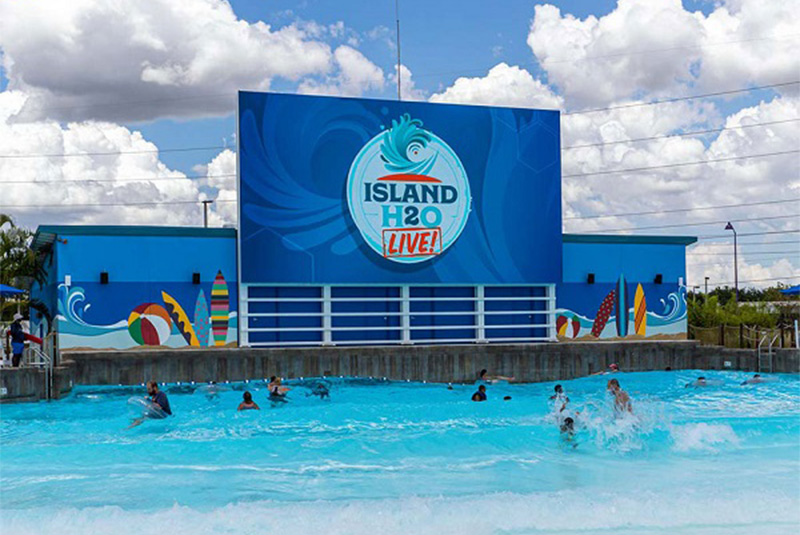
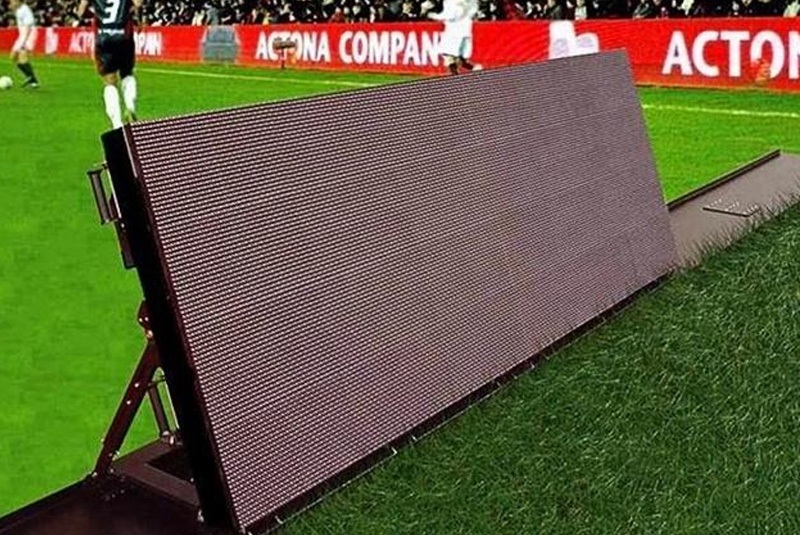
Stadium LED displays have become a key part of the design and operation of today’s sports venues. They started as simple scoreboards. Now, these systems work as lively communication tools. They boost audience involvement, share up-to-date information, and help with detailed event handling. Their flexibility and ability to grow make stadiums offer steady visual results in different weather. This makes them essential for sports and entertainment gatherings. The Evolution of Stadium Display Technology The change from old signage to better LED setups shows a major turn in venue tech. In the past, stadiums used hand-operated scoreboards and printed signs. Those gave little room for changes. Then, digital LED parts came along. They let workers update info right away. They also show live video and blend in brand items easily. As years passed, panels with sharp details and small pixel gaps brought clearer pictures from far off. Power use has gotten much better too. New LED chips use less energy. Yet, they give stronger light. Plus, links to live data sources—like player stats, game breakdowns, and social media news—have made displays more lively and drawing. This growth shows how stadium LED screens now sit at the heart of the live event world. Key Features That Define Modern Stadium LED Systems Today’s stadium LED setups stand out due to certain tech traits. These ensure top work in big spaces. Great light levels and sharp contrasts let people see clearly in bright sun or strong lights. This keeps viewing smooth all through the event. A building-block style boosts setup ease on bent walls, edge boards, or huge video areas. Smart control tools allow even content handling over several screens in one place. Workers can run ad switches, quick replays, and safety notes from one main spot. This brings steady work and smooth running. Such skills make modern stadium led screen solutions not just eye-catching but also smartly useful for event planners. How Do Stadium LED Screens Elevate the Spectator Experience? LED displays do more than look good. They play a big role in building emotional ties during live happenings. By mixing visual tales with hands-on elements, stadium LEDs turn quiet watchers into lively joiners. Enhancing Visual Communication and Immersion LED screens raise the thrill of live sports. They show quick replays, slow highlights, close views of big moments, and full player stats right then. This lets fans far from the action get a deep dive feel like a TV show. For player intros before games or shows at half-time, matched light tricks and moving graphics build exciting settings that build eagerness. Large stadium led screens also handle video from many angles and added visual boosts. These add to fan depth. Be it a title win party or a music show between games, these screens act as main spots. They link crowd feelings through common visual moments. Improving Fan Engagement Through Interactive Content New venues use their LED setups to build back-and-forth talk with crowds. Links to phone apps let fan votes, quiz games, or live social feeds show on big screens. QR codes shown on displays help attendees join in prizes or pick the top player. This connects real presence with online action. Game-like setups add more pull by giving rewards for joining in sponsor plans shown on screen. Custom notes—like happy birthday wishes or fan shout-outs—bring warm feelings to being there. They also give extra chances for ad views. In What Ways Do Stadium LEDs Benefit Venue Operations and Revenue Streams? LED display tech does more than lift fun for crowds. It helps venue running smoothness and money gains for owners. Advertising Opportunities and Brand Exposure Changing ad skills mark one of the best money parts of stadium led display systems. Fixed signs limit ad changes. But digital panels switch many ads during an event. This raises sponsor sight without needing more room. Planned timing lets workers fit content to crowd types or event kinds. Live data tools in control software aid sponsors in checking pull measures like stay time or view counts. This fact-based way builds ties between brands and venues. It also makes sure clear gains on spending. Operational Efficiency and Cost Management LED tech’s low power use cuts long-term energy needs a lot. It beats old types like glowing or gas screens. Main control spots make content spread easy over many areas in a venue. Think edge boards to walkway displays. This cuts staff work during events. Strength counts as another strong point. Rain-proof covers guard from water, dirt, and heat shifts. Tough builds lower fix needs. These traits together drop running costs over time. They keep steady work levels across years. How Are Advanced Display Technologies Shaping Future Stadium Experiences? The coming wave of stadium led changes is reshaping fan ties to live fun. It uses deep tech like added reality (AR), info show tools, and super-quick link options. Integration with Augmented Reality (AR) and Data Visualization AR links let add-ons of plan views like heat maps or player paths right on big screens. This happens in game review parts. Fans see boosted shows of plan work live. Coaches get study insights on special panels near practice spots or team benches. These blended-real features change old broadcasts into hands-on learning times. Crowds grasp game flows deeper than before. This key point helps hold viewer interest in busy fun markets. The Role of 5G Connectivity in Real-Time Display Performance 5G setups are changing how fast high-clear content moves from broadcast points to screen ends in stadiums. Very low wait times make perfect match between TV feeds and on-site sights. This cuts delays that break depth in key times like goal reviews or shot tries. Big data flow backs smooth streaming of super-clear video. It avoids wait problems even with thousands of devices linked at once in the same spot. Also, this link aids hands-on fan times via tied phones. It allows live vote setups or added shows reachable on personal tools while seats-watching. Why Choose Shenzhen Longcheng Photoelectric Technology Co., Ltd as a Reliable Supplier? Shenzhen Longcheng Photoelectric Technology Co., Ltd has built a solid name as a trusted maker. It focuses on better sports stadium led solutions for world markets. These seek steadiness and fresh ideas. Commitment to Quality and Innovation The firm puts first study-based product building. It aims to boost life through better part design. Its fit-to-need choices handle varied building plans. From small inside courts to wide outside fields, they ensure best sight lines no matter seat setup. Full after-care help covers setup advice, tune services, software updates, and steady fix plans. These aim to keep top running work over long stretches. Proven Track Record in Global Sports Venues Shenzhen Longcheng Photoelectric Technology Co., Ltd’s work list has winning setups in soccer fields, ball courts, run tracks, and all-use buildings around the world. Clients often note system firmness in tough spots. Like bad weather or non-stop show times. The firm’s stick to world quality rules boosts its good name in the tough field for pro-level stadium led display making. This sets it as a top choice for coming build improvements worldwide. Key Takeaways on the Role of Stadium LED Displays in Enhancing Experiences Stadium LED tech has changed watcher spaces into hands-on systems. There, fun blends smoothly with info sharing. From deep visuals that lift emotional links to running smoothness that drives money rise, these setups show the mix of build care with feel-based planning. This is vital for today’s sports build growth. FAQs About Stadium LED Displays 1. What factors should be considered when selecting a stadium LED display? Main points cover pixel gap based on sight distance needs. Light levels fit for outside light. Update speeds for even move shifts. Rain-proof rules. Power use numbers. And fit with current control setups used by venue workers. 2. How long do high-quality stadium LED screens typically last? With right care routines—like regular tune checks—top units often reach work lives from 80,000 to 100,000 hours. They show no big light drop over time. 3. Can existing stadiums upgrade their current systems to modern LED technology? Yes. The building-block style in most new designs allows easy add-ons to old builds. No big rebuild work needed. This boosts clearness along with wider content handling ease. It fits growing digital talk needs in sports places worldwide.
Color performance and image quality of fixed LED displays How to ensure a perfect display

Color performance and image quality of fixed LED displays How to ensure a perfect display

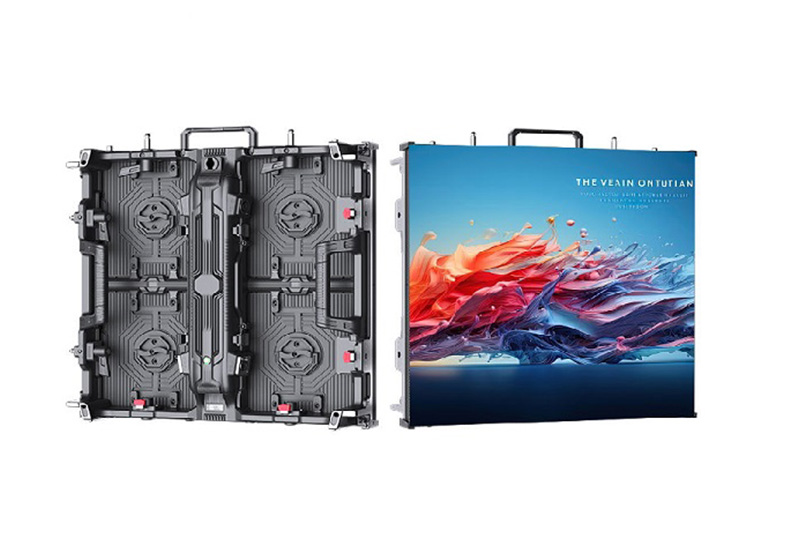
Color performance shows how well a fixed LED display recreates visual content with accuracy and brightness. Several technical factors shape this aspect. They work together to provide exactness, steadiness, and true-to-life visuals. The Role of LED Chips and Materials Top-notch LED chips form the base for strong color output in fixed LED displays. These chips keep a steady wavelength release. As a result, red, green, and blue sub-pixels give out even light strength. If chip quality differs, color mismatches appear clearly across display modules. The cleanliness of materials matters a lot too. Impurities in semiconductor mixes can warp light emission patterns. This leads to color tone changes or uneven light spread. Precise binning improves color evenness. It sorts LEDs by their light output and color positions. Thus, each module holds a steady color shade when put together into bigger screens. Better sealing materials, like silicone types, guard LED chips from outside wear. They also boost light use. These substances cut down on yellowing. Plus, they stop slow color shifts during long runs. This stays key for keeping true image sharpness in setups that last years. The Impact of Driver ICs and Refresh Rates Driver ICs manage the electric flow to each pixel. They affect light steadiness and color exactness right away. Strong driver ICs lower power swings. So, they avoid flickering and make smooth shifts in brightness levels. A faster refresh rate betters moving images. It cuts down on flicker sight in quick-action scenes. This proves vital for uses like sign boards or TV backgrounds. Matching between display modules counts just as much. Timing mismatches between modules can cause ghost images or stripe marks. These spoil the seen image sharpness. Right driver setup makes sure data flows in sync over all panels. It keeps smooth visual flow, even in big fixed LED setups. Color Calibration and White Balance Control Color calibration matches the display’s results to standard color ranges, such as sRGB or DCI-P3. Expert tools check light response patterns. They adjust RGB strength levels for true content playback. White balance setup handles changes in room light. This matters a lot in places with mixed lights, like shops or control areas. Ongoing calibration with auto systems keeps steady output as time passes. LEDs wear out, and outside factors change. This method fixes small shifts in light strength or color points. It holds the planned visual truth over the display’s full work life. How Does Image Quality Reflect the Overall Performance of Fixed LED Displays? Image quality comes from the mix of resolution, contrast level, shade range, and ease of viewing. It decides how engaging and real a display looks to people watching. Pixel Pitch and Resolution Optimization Pixel pitch means the gap between nearby pixels. It shapes image clearness directly. Tighter pixel pitches allow better resolution in small screen spaces. This suits near-view spots, like office entrances or TV rooms. But very tight pitches raise making costs. So, picking the right pixel closeness weighs sharpness against budget sense. Setup accuracy also sways seen resolution. Wrong alignment in building can shift pixels. This twists small details or adds wavy patterns. Exact fitting systems keep even gaps over panels. They hold high-detail image steadiness. Contrast Ratio and Brightness Management A strong contrast level boosts depth sense. It creates dark blacks next to bright spots. This wide range lifts visual energy in different room light setups. Smart brightness handling changes light levels based on nearby glow. It ensures clear sight without too much shine. Too much brightness can tire eyes over long looks. So, fine-tuning light settings saves power too. It makes viewing comfy without losing detail hold in dim content parts. Grayscale Depth and Color Gradation Accuracy Grayscale depth sets how many tones a display can show from full black to white. Deeper grayscale lets smoother shade changes. This fits movie scenes or graphics with many blends. Even power spread over pixels stops clear steps in shade levels at low light. Right gamma fix makes sure shown tones match their planned light values in digital standards. Good gamma linking avoids over-bright colors or dull middles. It keeps natural shade flow across light changes. What Environmental Factors Influence Display Stability and Visual Consistency? Handling the surroundings proves key for steady work in indoor and outdoor fixed LED displays. Heat changes, dampness, and power shifts can harm dependability. Temperature Control and Heat Dissipation Design Good heat release setups protect from heat shifts. Heat rises and changes diode traits. This causes color unevenness or light drop. Aluminum cases with built-in heat removers speed up heat flow. Active cooling keeps inside temps steady during non-stop work. Heat sensors inside display modules watch temp shifts live. They allow quick changes to light output if overheat dangers show. This rule lengthens part life. It also keeps steady color hold during long work periods. Humidity Resistance and Protection Standards Water entry can rust wires or spark shorts. These lead to uneven light over panels. To fight this, outdoor fixed LED displays use IP-rated covers. They block dust and water from inside parts. Special coatings on printed circuit boards add safety against rust in damp areas. They ensure lasting trust even in tough weather, like seaside spots or half-outdoor places. Power Supply Stability and Signal Integrity Steady power flow stops flicker signs from uneven electric paths over modules. Top power units have voltage steady circuits. They hold outputs during main power swings. Protected data lines cut electric noise. This keeps clear signal send between controls and receiver cards. Extra power plans assure non-stop work if one line fails. This stays key for must-run tasks, like road control spots or live show broadcasts where stops can’t happen. How Can Maintenance Practices Enhance Long-Term Image Quality? Upkeep shapes how a fixed LED display keeps its starting image traits over many years of use. Scheduled Cleaning and Inspection Procedures Dust buildup blocks air flow near heat removers. It cuts cooling power and dims light faces that spread light unevenly. Regular cleaning with no-static brushes keeps cooling work and light clearness. It avoids static harm to touchy parts. Often checks spot early issues, like dead pixels or panel fade. They catch them before bigger problems need pricey fixes. This cuts stop time with ahead-of-time steps. Firmware Updates and System Calibration Routines Firmware changes better driver steps. They improve signal handling truth. This means smoother blends and less wait in hard visual plays. Regular re-setup brings back white balance evenness after long runs. Slow wear may change light releases among RGB diodes. Central watch systems aid far-off checks. They let upkeep groups follow health measures over spread setups. This smooths fix steps with ahead-guess tools, not just fix-after ways. Why Choose Shenzhen Longcheng Photoelectric Technology Co., Ltd.? As a skilled maker focused on fixed LED displays, Shenzhen Longcheng Photoelectric Technology Co., Ltd. offers forward-thinking fixes built for exact work in many uses around the world. Commitment to Quality Engineering The firm blends new making gear with strict check rules. It promises great color evenness, build strength, and work steadiness in all items. These range from inside tight-pitch displays to big outdoor signs made for round-the-clock runs in changing weather. Technical Expertise and Customization Capabilities Using deep know-how in light-tech design advances, Longcheng gives custom setups fit for ad webs, order rooms, shop spots, travel points, or fun areas. It ensures best fit in each plan’s space limits. Plus, it hits top image traits matched to buyer needs. What Are the Key Takeaways for Achieving Perfect Display Performance? Getting flawless color output and image sharpness needs a full plan. It includes top hardware picks, like fine LED chips with exact driver ICs. It also covers pro setup steps matched to known field rules, such as DCI-P3 or Rec.709 types. Surround fitting through tough cover builds, plus ahead upkeep plans, locks in long work without losing visual top marks over time. FAQs Q1: How often should fixed LED displays be recalibrated? Recalibration is typically recommended every 6–12 months depending on usage intensity, environmental exposure, and operational hours to maintain consistent color accuracy. Q2: Can ambient lighting affect perceived image quality? Yes, excessive ambient light can reduce perceived contrast ratios; adaptive brightness control or shading structures help preserve visual clarity under bright conditions. Q3: What factors should be prioritized when selecting a fixed LED display supplier? Key considerations include product reliability certifications, after-sales technical support availability, customization flexibility, and proven expertise in large-scale display integration projects.
Exploring Small Pitch LED Displays Revolutionizing Outdoor Lights

Exploring Small Pitch LED Displays Revolutionizing Outdoor Lights

Small pitch LED displays have changed the world of modern advertising. They let brands show high-definition visuals with great clarity and brightness. These advanced display solutions feature a fine pixel pitch — the space between two nearby pixels. This setup allows for greater pixel density and clearer images. In today’s busy digital world, advertisers want technologies tha t grab attention and keep viewers interested. Small pitch LED displays meet these needs. They provide excellent image quality and smooth content blending across different platforms. Key Features of Small Pitch LED Displays A main feature of small pitch LED displays is their high pixel density. It ensures clear details even when people view from close up. This makes them perfect for indoor setups like shopping malls, airports, and company lobbies. There, audiences get near the screens. The small pixel arrangement reduces visual issues. It also keeps brightness even across the whole surface. Another big plus is their strong color accuracy and brightness. Today’s small pitch LED tech uses modern calibration methods. These create bright colors and deep contrasts. As a result, they offer engaging visual experiences. This good color performance is vital for current advertising efforts. Those efforts use real-life images to share brand identity well. Integration with digital advertising platforms is also key. Small pitch LED displays work with various content management systems (CMS). They handle real-time data feeds too. So, advertisers can update campaigns right away. They can also target certain groups dynamically. These displays match multiple input sources. That includes HDMI, DVI, and network-based protocols. This boosts ease of use in business setups. These features together make small pitch LEDs essential for today’s advertising plans. Those plans focus on accuracy, interaction, and strong visual effects. How Do Small Pitch LED Displays Enhance Commercial Displays? In business settings, small pitch LED displays offer flexible tools. Businesses use them to boost brand visibility and customer interest. Unlike old display types like LCD or projection systems, small pitch LEDs have modular designs. This flexibility lets users create custom setups for any space or building need. Benefits for Commercial Use Custom sizes and shapes are top benefits for business uses. Companies can build special display arrangements. For example, they make curved setups or big video walls. There are no visible seams or edges to break the image flow. This freedom helps in creating engaging retail spaces or work presentation areas. Energy savings matter a lot in current business operations. Small pitch LED displays use modern driver ICs and low-power diodes. These cut energy use compared to older systems. So, they lower running costs. Plus, they fit with eco-friendly practices that big companies value more now. Moreover, their sturdy build ensures steady work in different conditions. The panels use tough materials. They resist moisture, heat changes, and physical wear. For outside or half-outside spots, special coatings protect from dust and water. They keep brightness at its best too. Small pitch LED displays mix style options with smart operations. Thus, they help businesses make interactive areas. These areas draw in crowds and give good value over time. Why Choose Shenzhen Longcheng Photoelectric Technology Co., LTD. as a Supplier? Shenzhen Longcheng Photoelectric Technology Co., LTD. leads in small pitch LED tech. It focuses on new ideas, quality checks, and customer-focused service. The company has built a solid name in the worldwide LED market. It does this through ongoing tech improvements and following global making standards. Highlights of Shenzhen Longcheng Photoelectric Technology Co., LTD. The firm’s long background in LED display production helps it offer products that fit strict needs. These needs come from fields like retail, transport, fun, and business areas. Its engineers stress exact making steps. These steps ensure even pixel placement and steady light levels across all parts. Shenzhen Longcheng Photoelectric Technology Co., LTD. has modern making sites. They include automatic assembly lines, exact calibration tools, and full testing areas. All this keeps product dependability high for large amounts. These sites handle standard items and custom fixes for client wants. The company also commits to good customer help and tech aid. From before-sale talks to after-setup care, clients get pro advice. This ensures the system works best over its life. Plus, the firm’s worldwide shipping setup promises fast delivery and quick help no matter the project spot. With these strong points — tech skills, top making, and loyal client aid — Shenzhen Longcheng Photoelectric Technology Co., LTD. stays a reliable choice. It serves groups looking for dependable small pitch LED options in today’s advertising uses. Conclusion Small pitch LED displays are changing outdoor lights. They bring top image quality and flexibility in advertising and business settings. Their high resolution allows detailed stories through lively visuals. These visuals catch viewer focus right away. Also, their fit for indoor spots and outside areas makes them a go-to for strong brand messages. Businesses keep putting money into digital changes. These changes aim to boost customer ties. Small pitch LEDs will stay key in visual marketing growth. This is due to their growth options, energy savings, and links with new tech like AI-based content systems. FAQs What is the primary advantage of small pitch LED displays over traditional displays? Small pitch LED displays give higher resolution and better color match than usual types like LCDs or projectors. This suits detailed visual items where clearness up close is key. It’s a must in modern advertising. There, each pixel helps make the message work well. How do small pitch LED displays contribute to energy efficiency? These displays use new semiconductor parts. They cut power waste while running. At the same time, they keep steady brightness. Compared to old lighting or big LCDs, they use less power per space. They don’t lose light strength. This leads to big energy cuts over time. Can small pitch LED displays be used in outdoor environments? Yes, they handle different weather like rain, dust, heat swings, and sun rays. Makers add IP-rated covers and cooling systems. These keep steady work in tough outside spots. So, they fit indoor shows and big outdoor ad setups in city areas.  
Exploring Poster LED Displays Key Advantages for Advertising Experts

Exploring Poster LED Displays Key Advantages for Advertising Experts

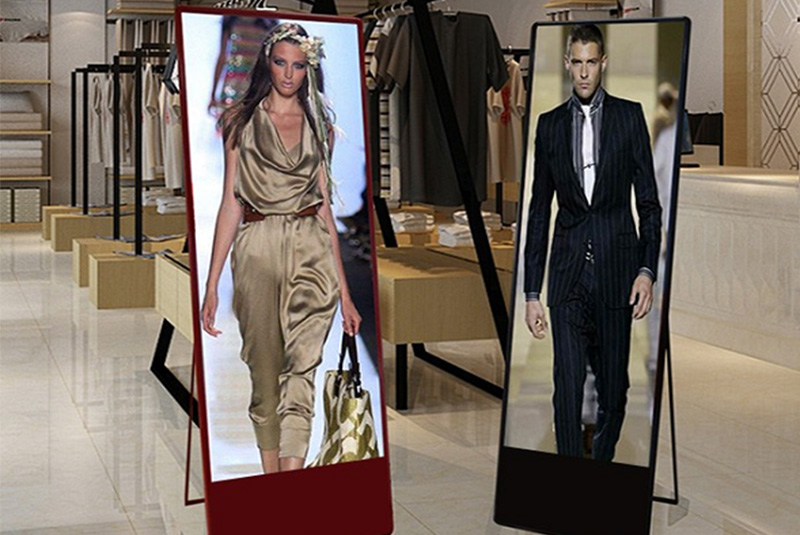
Poster LED displays have changed the advertising and business world. They provide a lively, power-saving, and eye-catching option instead of old printed posters. These digital LED posters mix modern screen tech with simple designs. That makes them a top pick for companies wanting to grab people’s focus in tough markets. Defining Poster LED Displays Poster LED displays are sharp digital screens. They use light-emitting diodes (LEDs) to show bright pictures, videos, and moving images. These screens are often thin, light, and simple to set up. So, they work well for inside and outside uses. Their key parts include the LED panel, control system, power supply unit, and a frame built for strength and easy moving. Unlike old posters that use fixed printed pictures, digital LED posters let you change content easily. Businesses can update ads with software or remote controls. They do this without needing to print new items. This ease helps advertisers share timely deals or tweak messages based on group traits or weather. Old posters do not have the changeability and interaction of digital screens. Printed media needs full swaps for each new push. But poster LED displays allow quick changes with little work. This difference boosts work flow and cuts down on trash from usual ad items. Importance of Poster LED Displays in Modern Advertising In today’s quick ad scene, being seen is key. Poster LED displays give strong light levels. So, content stays clear even in direct sun or bright inside areas. Their lively colors and moving graphics pull in people walking by. This raises interest rates over fixed signs. Plus, these screens offer great ease in handling content. Advertisers can plan several pushes on one device. They can switch messages during the day or adjust pictures from viewer data. This turns fixed ads into a hands-on event. It fits current marketing plans that focus on custom touches and instant links. How Do Poster LED Displays Enhance Advertising Campaigns? Poster LED displays boost ad pushes by blending smart tech with free creativity. Their skill in giving strong visuals makes sure marketing words hit hard with aimed groups. At the same time, they keep costs low over periods. Increased Engagement with Target Audiences A main power of poster LED displays is their skill for interaction. Some types add touch screens or movement sensors. These let viewers join in with the content. So, it shifts from just watching to taking part. This link builds brand memory and creates feelings between buyers and items. On top of that, digital LED posters allow content that fits the moment. Businesses can adjust ads based on spot, time, or group info from built-in software. For instance, a shop might show varied deals in busy hours versus calm times. This raises fit and sales chances. Cost-effectiveness Compared to Traditional Advertising Methods The starting costs for poster LED displays might be more than printed stuff. But over the long run, savings are big. Skipping repeat printing fees cuts work costs a lot. Also, since digital content updates from afar and right away, costs for moving or setting up drop. Power saving adds to the value. New LED tech uses much less energy than past systems like fluorescent or plasma screens. Yet, it keeps top light levels. This means smaller power bills. It also helps green business ways that match world eco aims. Why Choose Poster LED Displays for Commercial Use? Many fields now use poster LED displays. This shows their smart worth in business spots where sight talk shapes buyer actions. Versatility Across Different Business Environments Poster LED displays show great fit in many areas. These include shops, hotels, airports, eateries, trade fairs, and company events. Their piece-by-piece build lets you adjust for space limits. You can mount them straight as single units or line them side by side for big video walls. For outside uses like street ads or event boosts, tough models with strong LEDs work steady in changing weather. Think rain or full sun. Inside, they act as fine brand tools. They can turn plain areas into deep sight events that lift how customers see things. This fit makes poster LEDs vital tools in fixed setups and short-term ad plans. Quick setup is a must there. Durability and Longevity of Poster LED Displays Strength is a big reason poster LED setups are popular in business places. They use solid stuff like aluminum mixes or hard glass sides. These are made to handle non-stop work in busy spots without losing picture sharpness. LED tech gives a longer life than other screen kinds. It often goes over 100,000 hours before light fades much. Low care needs boost work flow more. You just need basic cleaning, not often swaps or fixes. These traits together give steady work even in hard use spots common in full shops or public areas. How Does Shenzhen Longcheng Photoelectric Technology Co., Ltd. Stand Out as a Supplier? Shenzhen Longcheng Photoelectric Technology Co., Ltd. leads in making poster LED setups. It has built trust in the world ad field. This comes from its focus on new ideas and top service. Commitment to Quality and Innovation The company adds fresh tech at every step of building products. This includes fine pixel tuning for even light on panels. It also has smart controls for smooth links between many units. Its study-based way keeps improving screen sharpness, power saving, and look styles for current business areas. What’s more, Shenzhen Longcheng Photoelectric Technology Co., Ltd. gives made-to-order fixes for exact client needs. These cover size changes, setup styles, or special link choices that work with current setups used by big ad groups around the world. Customer Support and Service Excellence Besides strong products, there is full client help. This sets Shenzhen Longcheng Photoelectric Technology Co., Ltd. apart from others. The company gives aid through all stages. This includes talks before sales, setup tips, skill training for users, and quick fix services after. These keep steady work over the product’s life. Its name in the field shows steady delivery rules. Clear talk channels build long bonds on trust and shared growth aims. Clients range from small firms to big global groups looking for growing digital sign setups. Conclusion Adding poster LED displays to today’s ad plans gives companies tools for top effect. They mix nice looks with useful fit in many spots. Their skill for instant updates raises message fit. At the same time, they cut eco harm through smart resource use in work cycles. These plus points show why poster LEDs are key parts in current marketing setups. There, quick moves and new ideas set win measures in all fields tied to sight talk-based trade. FAQs What are the main advantages of using poster LED displays over traditional posters? Poster LED displays give lively content skills for instant updates without print fees. They bring higher viewer interest with moving graphics. They use power-saving lights to lower work costs. And they offer longer strength than fixed paper options used in old ad pushes. Can poster LED displays be used outdoors? Yes. Many types are built for outside use. They have tough covers that guard inner parts from water or heat shifts. This keeps clear sight no matter the weather issues in long promo work done outside closed spots. How does Shenzhen Longcheng Photoelectric Technology Co., Ltd. support its clients post-purchase? The company gives full after-sales aid. This covers tech fix help through many talk ways. It includes set care plans to boost device life. There are also software boosts for better work. Plus, special client teams make sure smooth ties between bought items and changing work needs for global clients in digital sign net setups.  
Home
WhatsApp
Email
Contacts