W e l c o m e t o L o n g C h e n g

Loading

Nullam dignissim, ante scelerisque the is euismod fermentum odio sem semper the is erat, a feugiat leo urna eget eros. Duis Aenean a imperdiet risus.

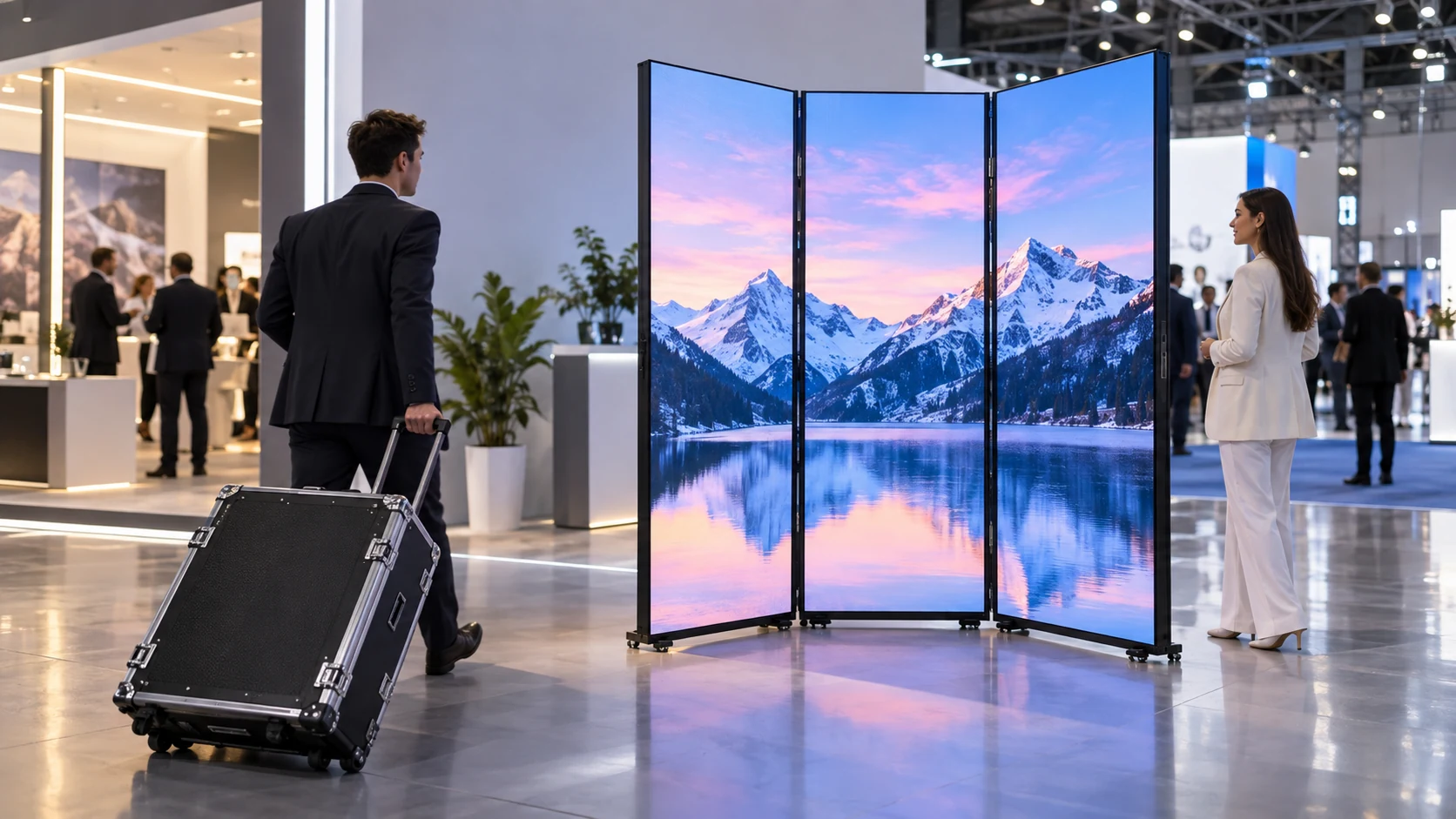
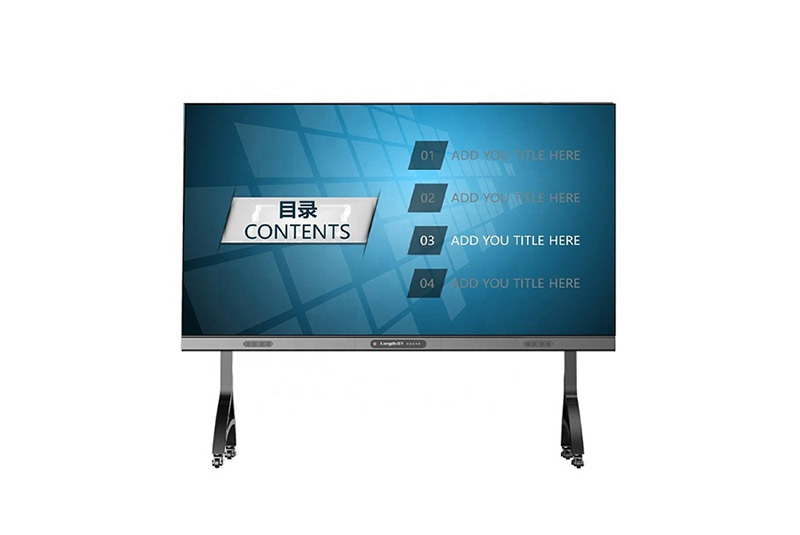
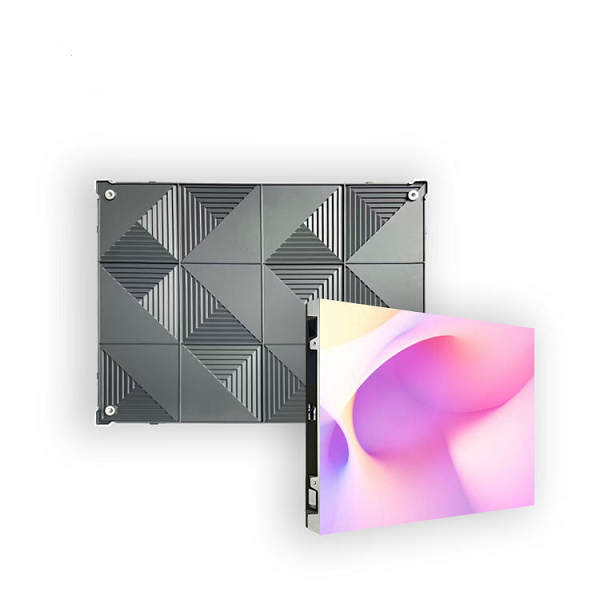
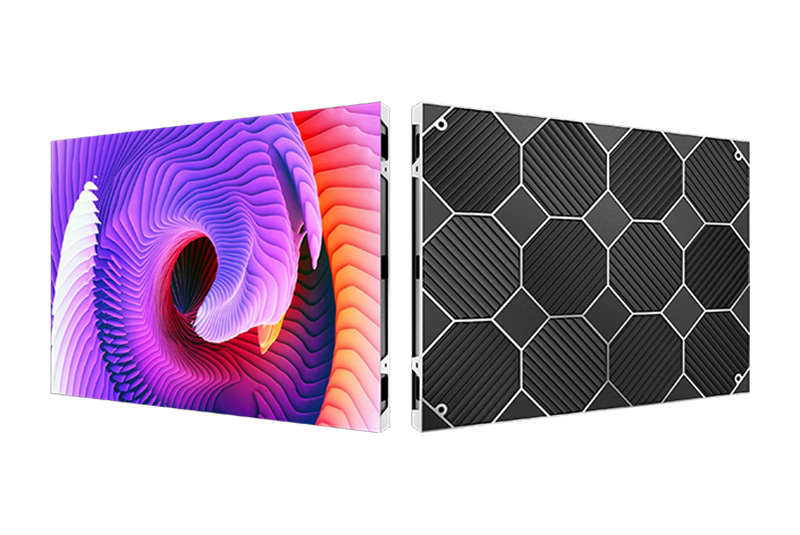
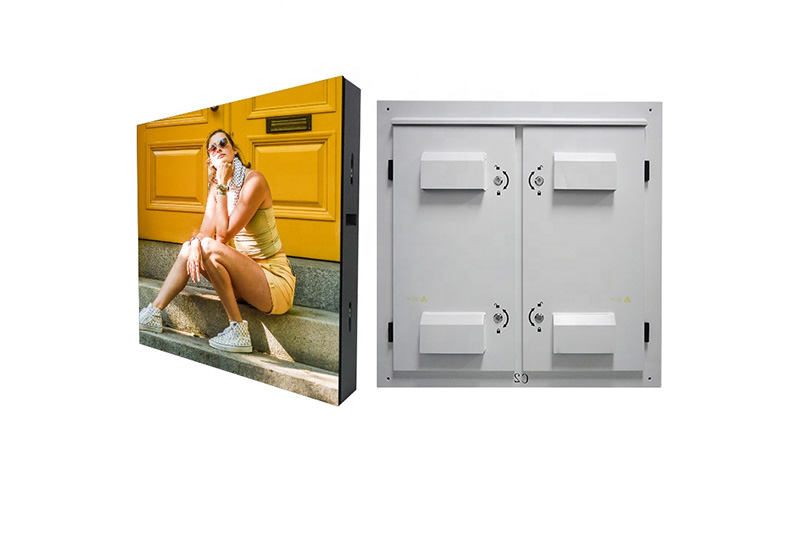
Movable Indoor HD LED Display Conference Room Touch All-in-one LED TV Display1210-5
Front display
Main display
Side display
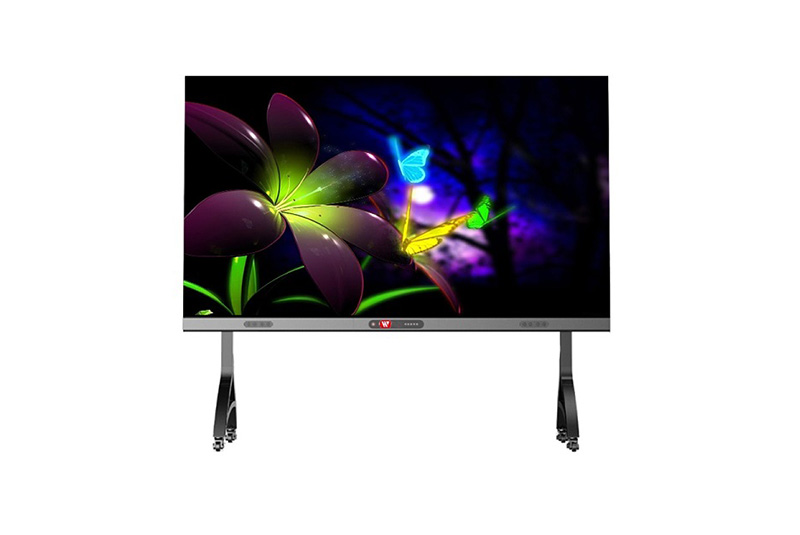
Movable Indoor HD LED Display Conference Room Touch All-in-one LED TV Display1210-5
Front display
Main display
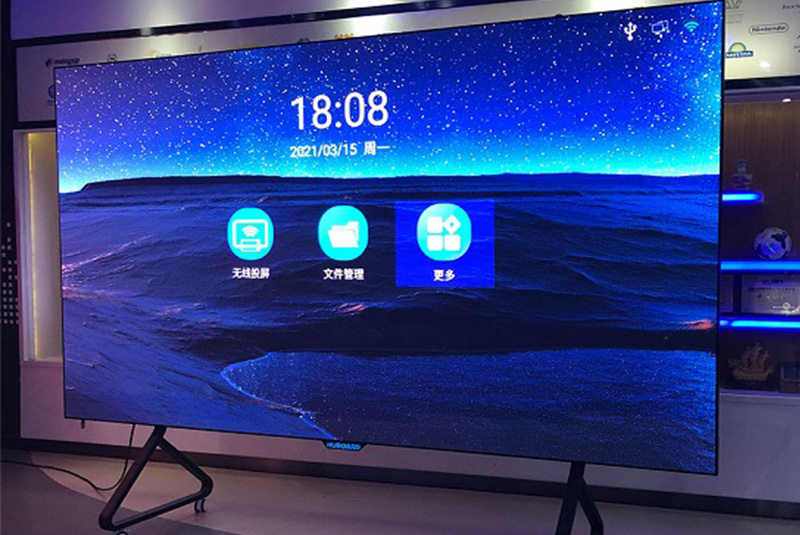
Side display

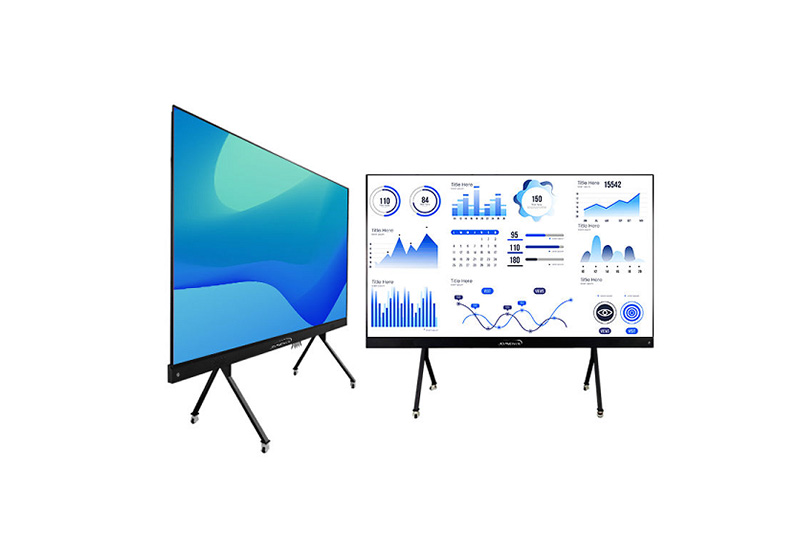
Movable Indoor HD LED Display Conference Room Touch All-in-one LED TV Display

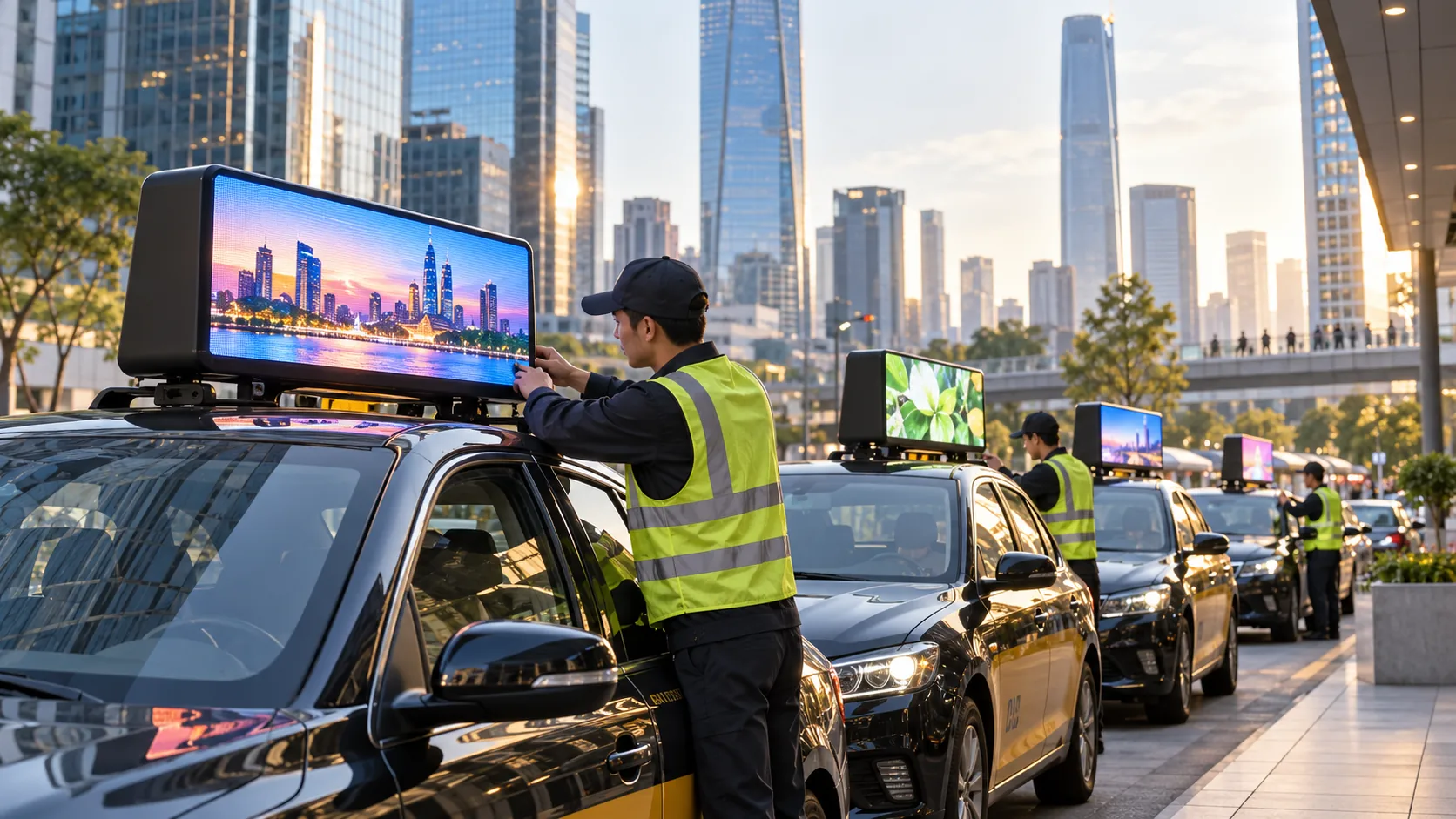
Advertising Publish, Retail Store, Shopping Mall, Display of Dishes, Welcome Display, Self-service Business, Exhibition Hall, Wayfinding, Airport, Subway, Elevator, Restaurant & Hotel Supplies All in one pitch:P0.9,P1.25,P1.56,P1.8,P1.95

Product introduction

LED large screen all-in-one machine

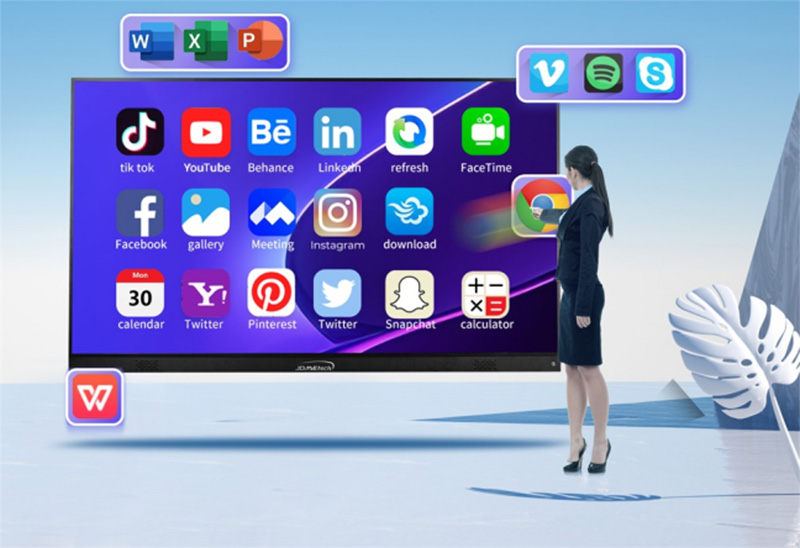
Super giant screen | dual systems | high-definition display | multi-touch


Movable Indoor HD LED Display Conference Room Touch All-in-one LED TV Displayv65


Touch writing large screen

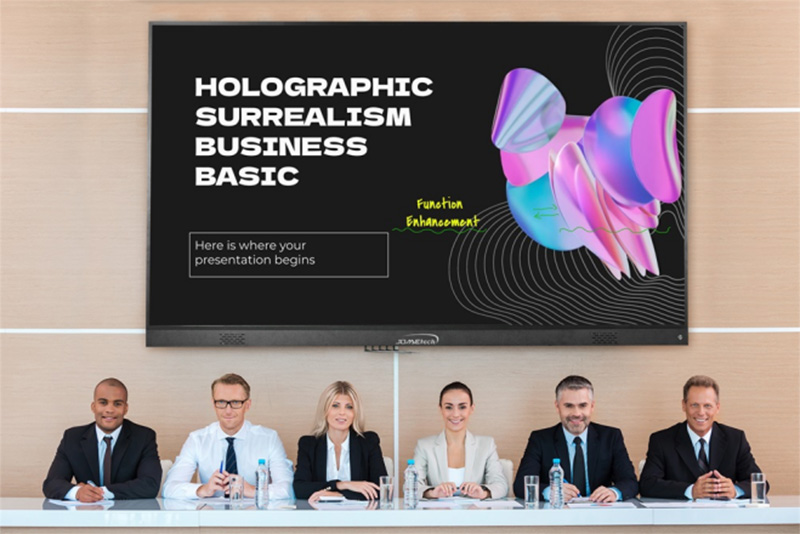
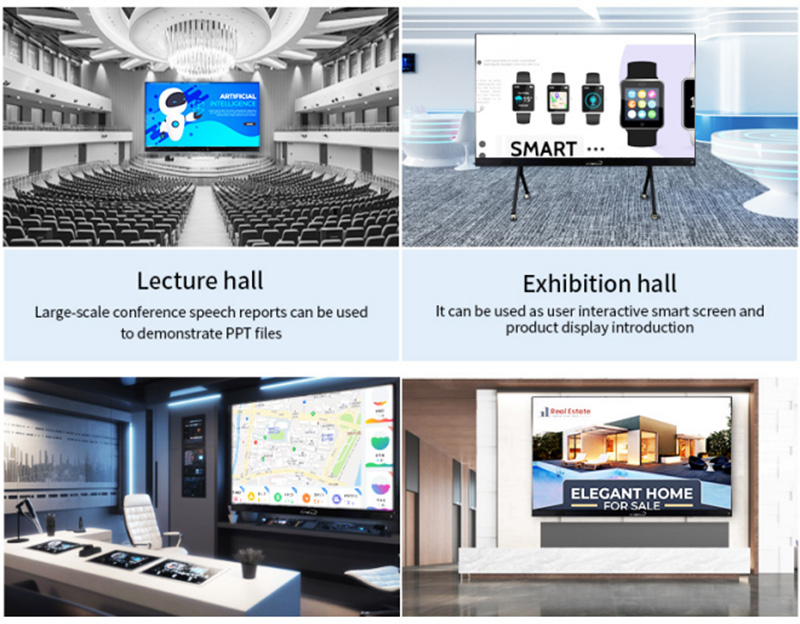
The press conference can not only display the theme content, but also write explanations and demonstrations.


Movable Indoor HD LED Display Conference Room Touch All-in-one LED TV Displayv66


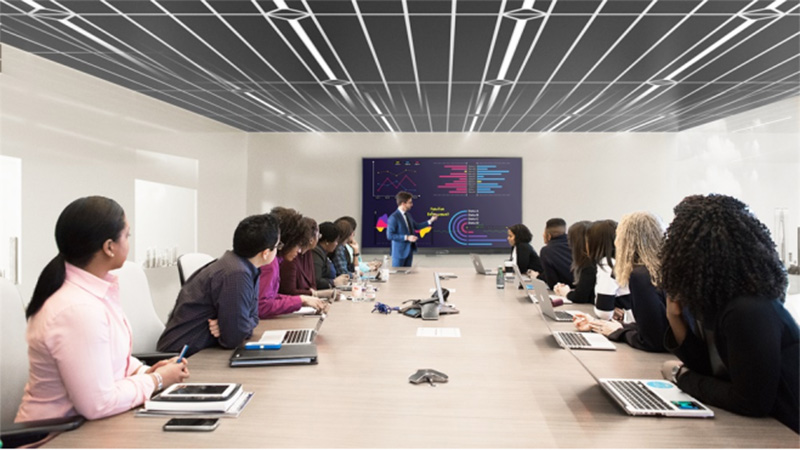
Large conference site

In large conference settings, utilize a large screen for high-definition presentations, ensuring efficient and effective meetings.


Movable Indoor HD LED Display Conference Room Touch All-in-one LED TV Displayv67


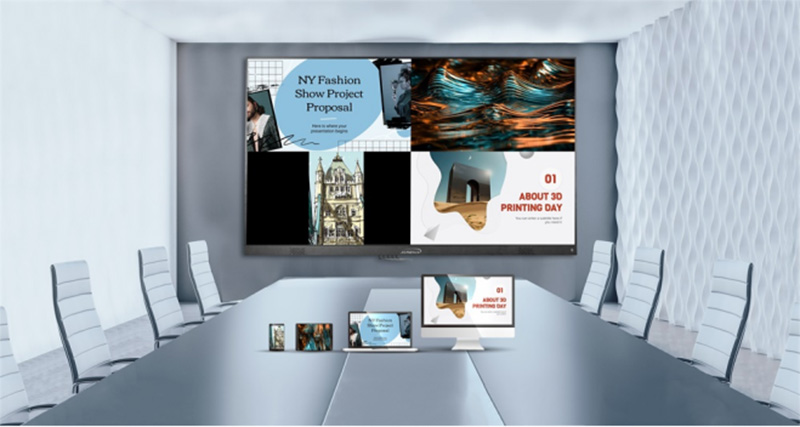
Multi-device projection

Multi-device conference collaboration, mobile phones and computers can collaborate on the same screen at the same time.


Movable Indoor HD LED Display Conference Room Touch All-in-one LED TV Displayv68


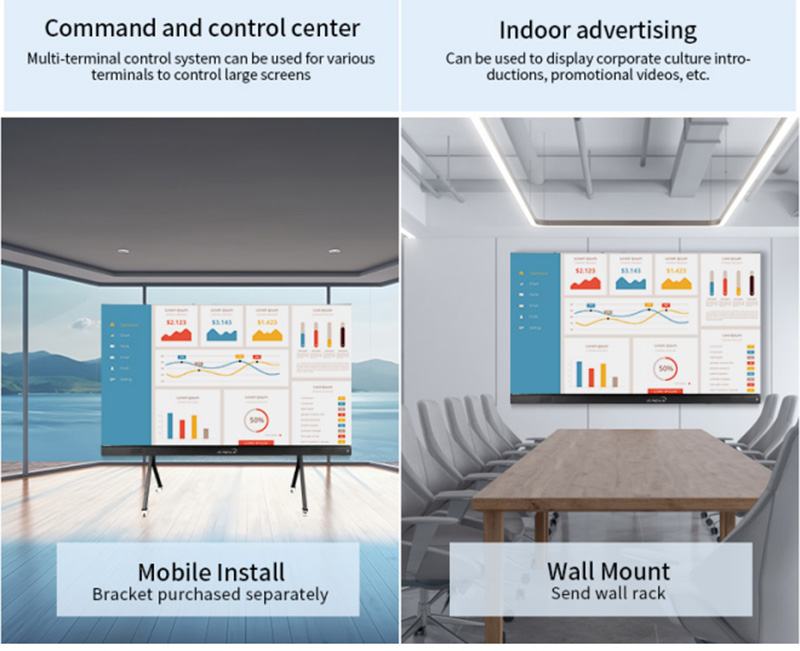
Versatile usage for various scenarios

meeting the needs of different occasions. Widely applicable across various industries


Movable Indoor HD LED Display Conference Room Touch All-in-one LED TV Displayv69


Optional installation methods

Purchase based on usage scenarios, and feel free to consult customer service for a more suitable solution


Movable Indoor HD LED Display Conference Room Touch All-in-one LED TV Displayv70

Product parameter list

ModelP0.95P1.25P1.56P1.87P1.95P2
Pixel Pitch(mm)0.951.251.561.871.952
Panel Size W*H(mm)640*480MM
Panel Resolution(Pixel)674*521512*384418*314342*256328*246320*240
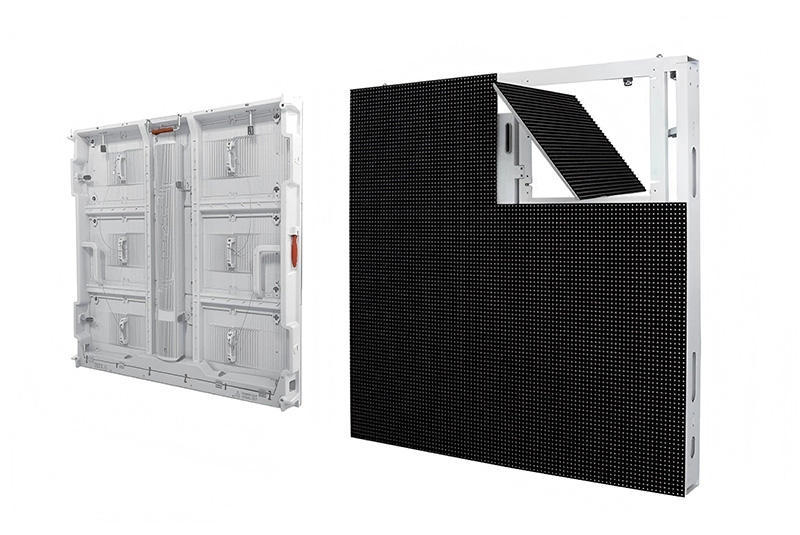
Panel Type and MaterialDie-cast Aluminum Cabinets
Panel Weight(Kg/pcs)9kg
Brightness(nits)600-800
ServiceabilityFront/Rear
Refresh rate3840HZ
Latest Product

Check out our Product

View More
dual-service-led-cabinet

Outdoor LED energy-saving screen

This series is a new generation of fixed outdoor LED billboards.
Read More
led1

Indoor HD Small Spacing LED Screen

Pixel Pitch: P1.25, P1.53, P1.667, P1.86, P2 Refresh Rate: 1920Hz-3840Hz Brightness: 600nits-1000nits
Read More
Fixed Outdoor LED Display Billboard1

Fixed Outdoor LED Display Billboard

Pixel Pitch: P2.5, P3, P4, P6, P8, P10 Brightness: 4500nits-7500nits Refresh Rate: 1920Hz-3840Hz Cabinet type: Waterproof Iron Cabinet
Read More
Stage Rental LED Display Screen500M.2

Stage Rental LED Display Screen

Pitch Available: 2.6mm, 2.9mm, 3.91mm, 4.81mm Refresh Rate: 1920Hz~3840Hz Brightness: 600~5000nits Cabinet Material: Die casting aluminu
Read More
Latest News

Check out our blog posts

View More

22/ May

What is the Difference Between P4, P6, P8, and P10 Outdoor LED Displays

The classification of outdoor LED displays by “P” values directly relates to pixel pitch — the distance between two adjacent pixels. This measurement determines how sharp and detailed an image appears when viewed from different distances. The Concept of Pixel Pitch in LED Displays Pixel pitch defines the density of LEDs on a display surface. A smaller pixel pitch such as P4 means each pixel sits closer to the next one. As a result, it gives better resolution and clearer pictures. These work best for close-up viewing. On the other hand, a larger pixel pitch like P10 creates more space between pixels. Therefore, it fits better for big setups seen from a distance. Fixed Outdoor LED Display Billboard Pixel Pitch: P2.5, P3, P4, P6, P8, P10 Brightness: 4500nits-7500nits Refresh Rate: 1920Hz-3840Hz Cabinet type: Waterproof Iron Cabinet. This specification shows that these models are made for outdoor settings. In those places, strong brightness and tough build quality play a key role. How Pixel Pitch Influences Viewing Experience Close viewing distances call for smaller pixel pitches. They help with eye comfort and clear sight. Take a shop front with lots of foot traffic, for example. It gains from a detailed P4 display. Bigger pitches, such as P8 or P10, save money more. They suit broad advertising spots like roads or sports fields. There, people watch from far off. Finding the right mix of detail and spending relies on the setup location. It also hinges on the kind of material shown. How Do Brightness and Resolution Differ Across These Models? Brightness and resolution stand as two main ways to measure how well these screens perform. They change quite a bit in outdoor LED displays based on the pixel pitch used. Comparative Resolution Characteristics A P4 display brings detailed pictures. It works well for nearby outdoor uses like shop signs or stage backgrounds. P6 strikes a good middle ground. It offers clear images without high costs. This suits spots viewed from a moderate distance, such as game areas or travel centers. P8 gives enough sharpness for big digital signs. People view them from 15–25 meters away. P10 has fewer pixels per area. Yet, its bigger diodes aim at seeing well from afar. It also saves on power. Brightness Levels and Their Impact on Outdoor Performance LED screens for outside need to hold steady high brightness. This fights back against sun glare in a strong way. Bigger pixel pitches often produce more light. They do this thanks to larger diodes. Also, they handle heat better. P5 Outdoor Digital Signage Billboard Led Screen Pixel Pitch: P3,P4,P5,P6,P8,P10 Brightness: 4500-10000CD Process classification:SMD/DIP Resistance to heavy rain, high humidity, high temperature, low temperature and salt spray Flexible and convenient advertising large screen. Good setup of colors keeps the light even. It stops too much brightness or shine in direct sun. Which Applications Are Suitable for Each Type of Outdoor LED Display? Every display type matches certain weather setups, how far people stand, and what kind of content shows up. This holds true for pro outdoor projects. Common Use Cases by Pixel Pitch Category P4 Outdoor LED Displays They suit open-air stages, shop signs, and nearby ad walls in city spots. Viewers stay 5–10 meters from the screen there. P6 Outdoor LED Displays People use them a lot in game venues, travel spots, and stage setups. These give a fair trade-off between how well they work and setup costs. This applies at distances of 8–15 meters. P8 Outdoor LED Displays The P8 LED display serves as a main choice in outdoor digital signs. It fits big business boards or road signs. These run smoothly at viewing spots 15–25 meters out. They offer great sight in daylight. P10 Outdoor LED Displays Builders make them for wide outdoor ads like front walls of buildings or around sports fields. They shine best over 25 meters away. At that range, small details matter less than the big picture. How Do Environmental Factors Affect Performance Among These Models? Outside settings bring changes like shifts in heat, moisture amounts, dirt buildup, and straight sun rays. Each of these affects how long the display lasts. Weather Resistance and Durability Considerations Outdoor Waterproof LED Cabinet 960x960mm Big LED Billboard Pixel Pitch: P3,P4,P5,P6,P8,P10 Brightness: 4500-10000CD Process classification:SMD/DIP Resistance to heavy rain, high humidity, high temperature, low temperature and salt spray Flexible and convenient advertising large screen. Every model has IP65 or better shields against water and dirt entry. Box parts from things like aluminum or cast iron help spread heat well. At the same time, rust-proof layers lengthen life in sea-side or factory zones. Power Consumption and Maintenance Efficiency Tighter pixel pitches use more electricity. The reason is they pack in more LEDs every square meter. Box designs that snap together let you swap bad parts fast. You avoid taking everything apart. Steady color checks keep shades even in changing weather. In turn, this guarantees steady picture quality as time goes on. Why Choose Shenzhen Longcheng Photoelectric Technology Co., Ltd.? As a top maker in the LED display field, Shenzhen Longcheng Photoelectric Technology Co., Ltd. focuses on modern outdoor LED options. These match worldwide rules for build quality and steadiness. Shenzhen Longcheng Photoelectric Technology Co., LTD has set itself as a top maker. It focuses on advanced modular LED screen fixes for world markets. The company brings together research, making, selling, and follow-up help. It supplies tailored screen setups for many areas. Those cover ad media, public info networks, fun spots, and travel lines. Key Strengths of Shenzhen Longcheng Photoelectric Technology Co., Ltd. Full range of items from close-up indoor types to huge outdoor ones. Tight checks on quality that follow ISO rules. Expert help with tech to make setup smooth. Skilled engineer aid gives made-to-fit fixes for exact project sites. Worldwide shipping know-how with good prices and solid delivery support. What Should Be Considered When Selecting Between These Models? Picking the best model ties to project goals. These involve how far the crowd stands, the place size, light around, material kind, and money plans. Evaluation Criteria Before Purchase Figure out the usual viewer range to pick the right pixel pitch. Check the weather risks to choose the needed IP level. Look at brightness details based on day use plans. Weigh the full ownership costs. Include power use and upkeep needs. Do all this before settling on buys. Summary of Key Differences Among P4, P6, P8, and P10 Model Pixel Pitch Typical Viewing Distance Recommended Application P4 4mm 5–10m Retail signage & small outdoor screens P6 6mm 8–15m Sports venues & transport terminals P8 8mm 15–25m Large billboards & public squares P10 10mm >25m Stadiums & building façades Choosing among these models means weighing picture sharpness against money savings. Base it on the exact weather setups. A tight pixel pitch brings better detail. But it calls for more upfront cash. Wider pitches stand out for far-off views. They also cut down on power needs. Working with a skilled maker like Shenzhen Longcheng Photoelectric Technology Co., Ltd. gives tough goods. These are built to run steady in all sorts of outside spots. FAQs What does “pixel pitch” mean in an outdoor LED display? Pixel pitch points to the gap between nearby pixels on an LED part. Smaller numbers mean better detail. This fits near viewing ranges. Can a P10 display be used effectively for short-distance applications? Though it can work in theory, a big-pitch screen like P10 up close might show clear pixel spaces. Smaller pitches like P4 or P6 fit better. How does weather resistance differ among these models? All models reach IP65 shield or more. Still, box parts and build care set how long they last against wet, dirt pile-up, and heat shifts outside.
Read More
What is the Difference Between P4, P6, P8, and P10 Outdoor LED Displays

21/ May

Understanding Modular LED Display Technology and Its Core Engineering Principles

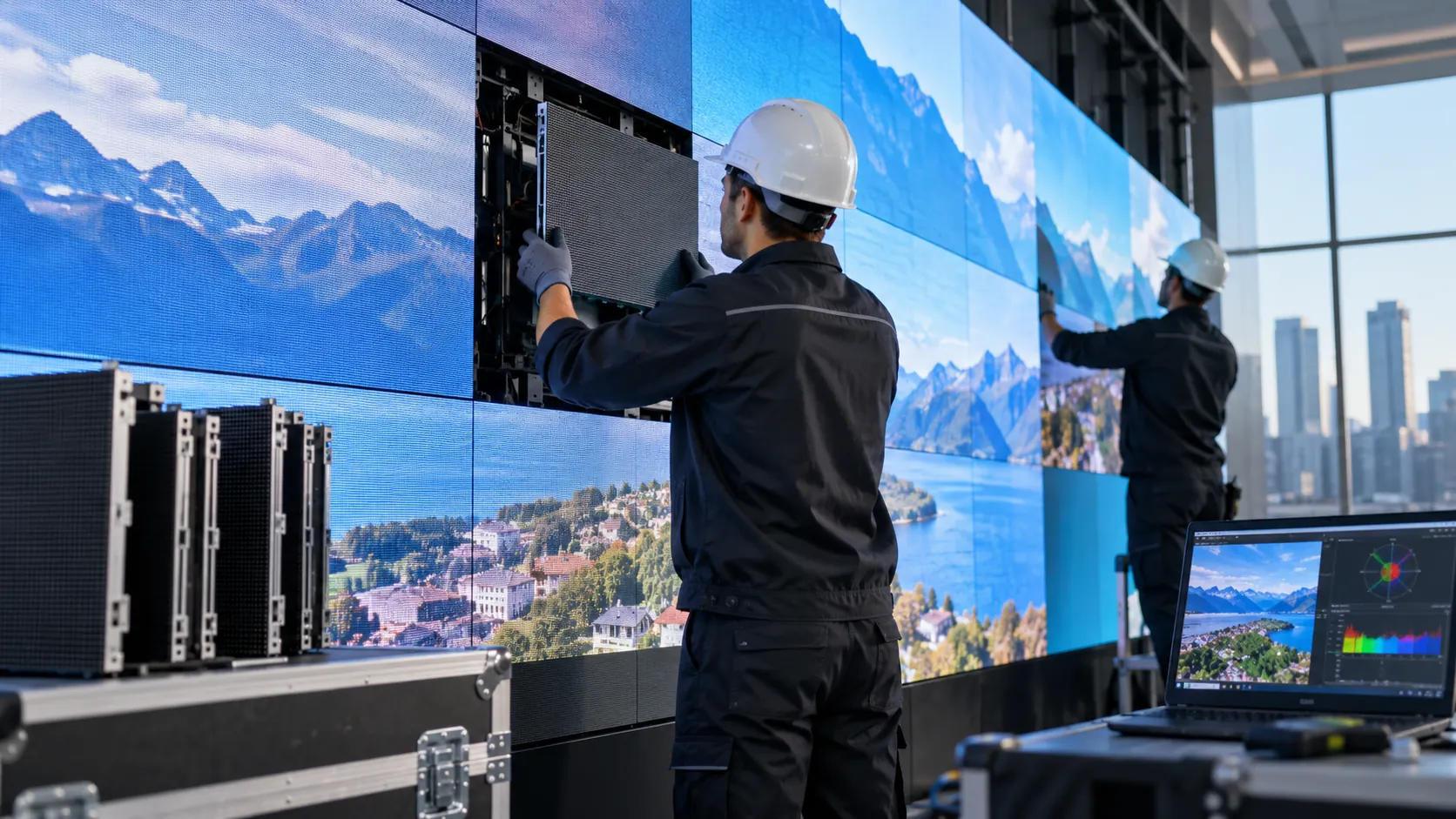
A modular LED display forms a visual setup from several joined panels or modules. These units link up to build one ongoing big screen. Each module functions alone. This makes repairs easy, setups adaptable, and size increases straightforward for many purposes. Modular LED screens stand out as a major advance in digital display tools. They combine growth potential, adaptability, and solid visual clarity. As a result, they deliver reliable outcomes in different settings. Such a design shifts how digital images fit into various spaces and building arrangements. People use these displays in places like events, ads, and info centers. The panels snap together without hassle. Workers can add or remove them as needed. This keeps things running smooth. Overall, the system proves practical for both small and large jobs. Structural Composition of Modular LED Displays The modular build includes separate panels. Each one holds LED pixels placed in regular patterns. Teams connect these panels with accurate mechanical locks and electrical ties. This setup guarantees straight lines and unbroken signal paths. Each panel depends on those precise connectors. Therefore, the overall image looks even. No visible seams or breaks appear. The modular framework supports quick putting together or taking apart. This occurs during setup or upkeep tasks. It reduces time out of service. Yet, it preserves smooth visual results. Builders often praise this for its ease. In practice, it saves hours on site. The connections hold firm over time too. Key Components in Each Module Each module includes a number of core parts. These shape its overall function: LED Units:Light-emitting diodes create bright pictures. They show colors that stand out with true shades. Driver ICs:These chips manage current to keep light levels even on every pixel. Control Systems:They oversee data matching across modules. This produces a unified picture display. Power Supply Units:They supply steady power under changing loads. LED Modules: Every module contains a pattern of light-emitting diodes. These produce lively colors. They align perfectly across the full screen. All these elements combine to provide steady operation. They also ensure true-to-life image creation on the whole display area. Users find these parts reliable in daily use. They rarely fail, which cuts down on worries. How Do Modular LED Screens Operate at the Engineering Level? Modular LED screens work through careful teamwork of signal handling circuits, control tools, and heat control features. These elements support lasting dependability. Engineers design them for tough conditions. Daily checks help spot issues early. This approach keeps performance high. Signal Processing and Image Rendering Picture information starts from video feeds. It moves through sending cards to receiving cards inside each module. Then, the receiving card breaks down the data. It changes it into directions for single pixels. This allows correct color placement. Control Systems: They direct data transfer between modules. They make playback on schedule. Frame rates remain constant, even in large arrays. Sync rules match frame times over all modules. Thus, they avoid splits or delays in fast-action videos. In tests, this setup handles complex graphics well. Viewers notice no lags during shows. Thermal Management and Power Efficiency Heat oversight plays a key role. It holds steady work during extended sessions. Aluminum frames or added heat spreaders release warmth well. Smart detectors track temp shifts. They change power flow as required. Improved heat handling through clever cooling prevents excess warmth in drawn-out operations. This extends service life and reliability. Power-saving LEDs lower energy needs further. Meanwhile, they uphold light levels fit for indoor events and outdoor promo spots. Many sites report lower bills thanks to this. It also means less strain on power grids. Why Choose a Modular LED Display Over Traditional Screens? Modular LED displays do better than usual LCD or projector setups. They provide greater adaptability, even pictures, and simpler fixes. For businesses, this means less hassle. Teams can adjust quickly to new needs. It fits modern demands well. Scalability and Customization Advantages The modular idea enables boundless growth. People can put together displays in any size or form using standard panels. The modular design of these LED screens allows makers and specialists to construct screens in nearly any dimension or proportion. Teams achieve bent or uneven shapes. They do so by changing angles where modules meet. This widens options for building blends or event designs. Examples include stadium wraps or store fronts. Each project turns unique with ease. Maintenance and Longevity Benefits Upkeep speed marks a clear strength of modular systems. Bad modules get swapped one at a time. No need to break down the full setup. This greatly lessens downtime. Fix jobs stay basic as well. Individual modules replace independently. Hence, it trims lost hours and repair bills. Also, choices for front or back entry ease service in varied setup types. Solid part construction guarantees ongoing strength. Owners often note fewer calls for tech support. The system lasts years with basic care. What Factors Should Be Considered When Selecting a Modular LED Screen? Selecting the proper modular LED screen needs thorough checks of tech specs. Consider things like pixel pitch, refresh rate, brightness, protection level, and setup factors. Buyers should match these to their site. This avoids regrets later. Planning ahead pays off. Evaluating Pixel Pitch and Resolution Requirements Pixel pitch sets the gap between close LEDs. Tighter gaps create finer detail. This works for areas with near views, such as studios or meeting spaces. Wider gaps suit outdoor ads. There, people view from a distance. Pixel pitch counts as a prime element to review. Tighter pitches offer crisper visuals for close areas like conference rooms or retail spots. Weighing detail against costs secures best results within spending limits. Common choices range from 1mm for indoors to 10mm outdoors. Test views to decide. Assessing Environmental Adaptability and Installation Conditions Outdoor placements require tough shells rated IP65 or better. These resist dirt, water, and weather changes. Indoor jobs favor light frames with quiet fans. These suit quiet zones like command posts or theaters. Outdoor types need stronger constructions. They feature protective covers rated IP65 or more. Attachment styles range from steady mounts to portable frames based on movement needs. Site surveys help pick the right one. Weather data guides the choice too. How Is Shenzhen Longcheng Photoelectric Technology Co., Ltd Enhancing the Modular LED Industry? Shenzhen Longcheng Photoelectric Technology Co., Ltd has built a strong name as a leading producer. It specializes in modern modular LED options made for worldwide use. Shenzhen Longcheng Photoelectric Technology Co., LTD has positioned itself as a chief builder. It concentrates on advanced modular LED screen solutions for international markets. The company’s focus on fresh ideas pushes ongoing product tweaks. This stems from study-driven growth methods. Years of work have honed their skills. They serve clients from small firms to big events. Trust builds through quality. Their wide product lineup covers indoor fine-pitch displays, outdoor billboards, rental screens, flexible panels, and transparent modules. These address varied needs in fields like trade ads, performance stages, travel oversight, and structure graphics. Its broad research and growth expertise targets advanced LED tools. This emphasizes improved function and resilience. Innovation comes from team efforts. Labs test new ideas daily. Results show in real products. Strict quality rules maintain evenness in making lots. They also meet world approvals like CE, RoHS, FCC, KC, and UL. This points to following safety guidelines everywhere. The company supplies full tailor-made services too. Skilled engineer groups support this. They offer answers fit for exact projects around the globe. Global reach includes exports to Europe and Asia. Feedback loops improve offerings. Key Takeaways on Modular LED Display Engineering Principles The core build for modular LED tech rests on its piece-by-piece structure. It joins with accurate electronic timing and smart heat plans. Recent moves like fine pixel pitch methods have lifted image clearness sharply. Through blending wise control steps with strong material progress, these displays gain top image accuracy. They manage this in hard work scenarios. At the same time, they hold growth that outpaces old display methods. Experts highlight the blend of tech and ease. Future updates promise even better tools. Users benefit from ongoing advances. FAQs About Modular LED Displays What distinguishes a modular LED display from a fixed-size panel? A modular display system holds switchable panels. These join into diverse forms without remaking the whole frame. Thus, it offers more adaptability than set-size options. How does pixel pitch affect visual performance? Pixel pitch shapes detail directly. Lower figures provide greater clarity for brief view ranges. Higher figures boost value for big outdoor boards. Are modular LED displays suitable for outdoor environments? Yes. Outdoor-rated models include water-tight shells with bright LEDs past 5000 nits. They add shine blockers for clear sight in full sun. Outdoor-rated modular screens feature protective shells. These shield from wet, grit, and heat swings. They keep even work over the seasons.
Read More
Understanding Modular LED Display Technology and Its Core Engineering Principles

15/ May

Indoor LED Displays Your Go-To FAQ for Advertising Solutions

Indoor LED displays have turned into a key part of today’s digital advertising. They offer lively visual shows and great adaptability. In shops, company entrances, airports, and fun spots, these displays change plain messages into engaging experiences. Their skill to show live updates and hands-on content makes them vital for companies that want to connect with people well. Key Benefits of Indoor LED Displays Indoor LED displays give bright, clear pictures that boost brand notice and keep messages easy to see even in well-lit areas. Their piece-by-piece setup lets you adjust sizes and shapes easily. This fits different building designs, from small shop desks to big video walls in meeting halls. Smart control tools allow quick content changes. Marketers can tweak plans right away based on how people react or sale times. So, this flexibility aids lively ad plans that keep things new and interesting. Comparing LED Screens with Traditional Display Technologies LED screens beat LCDs or projectors in brightness and steady color match over the whole surface. They hold up picture quality without light leaks or contrast problems seen in other methods. Plus, they need less upkeep. This comes from longer use times and tough parts. It leads to better costs over years for firms. Smooth join tech makes big pictures without gaps. Thus, it builds one full image that draws viewers in more. How Do Technical Specifications Affect Display Performance? The tech details of indoor LED displays shape how well they work in areas like picture sharpness, power use, and lasting strength. Knowing these points helps experts pick the right display options for certain places. The Role of Pixel Pitch in Image Quality Pixel pitch means the space between nearby pixels. It stands as a main factor in setting display sharpness. Tighter pixel pitches, like P1.2mm to P2mm, create clearer pictures. These suit near views, such as in control areas or shop displays. On the other hand, wider pixel pitches save money for setups where people stand back. So, matching pixel pitch to spending plans gives the best sight clearness without extra costs. Refresh Rate and Color Accuracy Considerations Fast refresh rates matter a lot for even motion in videos or moving graphics. A rate over 3,840 Hz cuts down on flickers and blur. It offers a comfy view, even when cameras record it. Better color setup methods keep steady results across many panels. This holds brand colors true in setups with several screens. Good timing between hardware parts and software guides stops shadow effects. Those can harm picture quality. What Installation and Maintenance Practices Ensure Longevity? Good setup and care steps form the base for getting the most from indoor LED displays’ working life. Right setup cuts down on problems. It also keeps safety and trust over years of steady use. Best Practices During Installation A firm mounting frame is key to hold the load of big LED screens. It keeps parts lined up just right. Enough air flow stops heat build-up by letting cool breeze move behind modules. Use pro tools for setup to get even light and color match over all parts. Safe wire setups lower electric noise. They guard against signal drops or power swings that might stop work. Routine Maintenance Strategies for Extended Lifespan Regular care keeps both sight quality and electric steadiness as time goes on. Clean now and then with soft tools to clear dust. Do this without hurting light parts or cover layers. Watch systems for surroundings help keep heat and wet levels in suggested ranges. This stops early wear on pieces. Usual software updates boost system firmness. They also improve fit with fresh media types and add work boosts from new growth. How Are Indoor LED Displays Integrated into Advertising Systems? Fitting in plays a big part in using all the strengths of indoor LED displays in wider digital ad setups. Mixing hard parts with smart software lets plans run together across many spots. Content Management Systems (CMS) for Dynamic Control Content Management Systems act as main centers for planning, sending, and updating mixed media over screens at once. Far-off handling lets workers change lists or fix problems without being there. This cuts wait times a lot. Smart CMS tools add data check features. They gauge plan success by people measures like stay length or action counts. Synchronization with Other Digital Media Platforms Today’s ad plans often link indoor LED displays with other online spots like social pages or live show feeds. API links allow instant two-way action. For example, show user-made content in sales or events. Auto ad systems turn content based on group info or day times. This keeps things fitting for aimed groups. Steady links across spots build strong brand feel. They give one message over all digital points. Why Choose Shenzhen Longcheng Photoelectric Technology Co., LTD as Your Supplier? Shenzhen Longcheng Photoelectric Technology Co., LTD shows as a reliable maker focused on modern LED display fixes made for world markets. Its drive for exact building makes sure each item hits strict quality rules. These fit pro uses from shop signs to company talk systems. Core Strengths of Shenzhen Longcheng Photoelectric Technology Co., LTD The firm gives a wide choice of indoor LED displays built just for business spots that need sharp work under steady run states. Using top production ways promises even light spread and true color show over every set made. Also, buyers get full tech help. This covers before-setup talks, on-spot guide, tune aid, and after-sale care. It makes sure steady work over the item’s full time. Summary Insights on Indoor LED Displays in Advertising Solutions Indoor LED displays keep changing how brands talk in closed areas. They blend tech new ideas with story skills. Their growth fit makes them great for varied places. Think shop groups wanting people links through moving sights. Or company spots using them as digital signs. Transport centers use them for rider info. Show halls set them as deep talk backs. With top picture quality, bendy fit choices, and smart guide systems, indoor LED screens bring real worth. They raise people focus hold rates. At the same time, they fine-tune work flow in ad nets. Frequently Asked Questions (FAQs) What is the ideal pixel pitch for indoor advertising environments? The ideal pixel pitch usually falls between P1.2mm to P3mm based on view range. Smaller ones give better details for near spots like display rooms or meet halls. There, sight exactness counts most. How long can an indoor LED display operate before replacement is needed? Top indoor LED displays often reach lives over 100,000 hours with good care. This means some years of steady run in normal use without big light drop. Can indoor LED screens be customized according to architectural design requirements? Yes, change options cover shifting size measures, bent shapes, side ratio tweaks, and custom edge looks. All this lets smooth fit into hard building plans. It keeps even picture out over setups.
Read More
Indoor LED Displays Your Go-To FAQ for Advertising Solutions

14/ May

From Flat to Fantastic — What Flexible LED Display Panels Can Do for Your Brand

Flexible LED display panels are changing how brands connect with their audiences. They blend technology, creativity, and adaptability in fresh ways. These panels, often called flexible digital displays, support lively visual stories. They go beyond the limits of usual flat screens. Their bendable build lets them fit onto different surfaces. This creates engaging spaces that boost brand impact and viewer involvement. The Evolution from Traditional Screens to Flexible Displays The shift from stiff LED screens to bendable, light options shows a big step in display tech. Old LED setups had rigid builds and weighty parts. These factors limited creative uses. Today’s flexible screens use smart composite materials and micro-LED tech. This allows bending without losing picture sharpness. Such progress meets the rising need for engaging, curved visual setups in shops, fun spots, and building projects. Flexible LED panels now fit on rounded walls, tube-shaped columns, or even wavy areas. They turn still places into moving visual scenes. As experience-based marketing grows, these displays help creators and ad makers build spaces where content seems active. It also responds to the area around it. The Role of Flexibility in Creative Brand Expression Flexibility goes beyond a simple tech trait. It acts as a tool for imagination. Bent and wrap-style setups let brands escape the boxy limits of old displays. They surround watchers with action and hues that grab focus. This boosts viewer interest by wrapping them in a brand’s story. It does so instead of showing it on one level. Plus, flexible digital displays blend well into building parts like posts, roofs, or art setups. Their skill to match various shapes aids in telling tales through active forms and shifts. This turns solid structures into breathing spaces for brand shows. Why Should Brands Invest in Flexible Digital Displays? Using flexible LED tech does more than improve looks. It stands as a smart choice for better visibility, savings, and lasting use. Companies that use these tools get ahead with lasting customer moments. These lead to stronger brand recall and faithfulness. Enhanced Brand Visibility Across Varied Environments Flexible digital displays work in almost any setting. Think upscale shops, show rooms, travel centers, or open-air gatherings. Their fitting nature allows setup on odd surfaces like bent walls or pillars. There, regular flat panels would not work. This range increases how well messages stick. It does so by offering eye-catching designs that draw eyes, even in busy spots. For brands in image-filled markets, this fitting quality keeps messages clear and strong. It works no matter the place or light setup. Cost Efficiency and Longevity as Strategic Benefits Besides their shape flexibility, these panels bring clear work perks. Their light weight makes setup easier. It cuts down on worker costs and building needs. Power-saving LEDs lower energy use. Yet they keep strong light levels for inside or outside spots. The piece-by-piece build of flexible LED systems also eases upkeep. Single pieces can swap out without taking apart the whole setup. This growth-friendly style aids in saving money over time. It lets brands grow or adjust displays as ad plans change. How Do Flexible Screens Integrate with Modern Marketing Strategies? In today’s marketing world, driven by data checks and instant links, flexible screens act as active hubs. They are not just show units. They fit well with all-channel plans that focus on custom touches and quick replies. Integration with Interactive Technologies New flexible LED panels handle touch features, movement detectors, and added reality (AR) tools. These turn still ads into hands-on events. At gatherings or shop sales points, buyers can join in with shown content. They might check item facts or take part in game-like deals built around move following or hand signs. This joining creates stronger feeling ties between brands and viewers. It also pulls in useful action data for plan tweaks. Data Analytics and Content Adaptation Capabilities The real strength of flexible digital displays comes from changing content on the spot with live data. By linking with cloud-based content handling systems (CMS), ad folks can refresh images right away across many sites. They base updates on crowd traits or flow patterns. For instance, a shop brand could shift promo images by time or buyer crowd spotted through sensors. This keeps every message fitting the moment. Such a data-led way turns flexible LED setups into smart talk tools. They can grow with viewer actions. What Technical Features Make Flexible LED Panels Stand Out? The smart building of flexible LED panels guarantees top work in tough spots. It keeps great picture quality even when shaped into tricky bends or turns. Display Performance and Durability Factors Fine pixel spacing gives sharp images from any watch angle. It holds clearness over uneven areas. Smart materials in panel making fight heat rise, water contact, and force strain. These traits matter for setups facing changing weather. Strong wire plans with good power control add to long life stats. These often beat those of usual flat LEDs. This toughness ensures even light spread over years of steady run. It avoids fade in color truth. Installation Versatility and Control Systems Setup range is a key plus of new flexible LED systems. Magnet pieces make fixing on uneven spots simple. They keep exact line-up between parts for smooth sight flow. Fit with various control rules allows matched play across big nets or multi-screen plans. Far-off watch tools add to trust by letting quick fixes via main boards. These track heat changes, power steadiness, or pixel issues. They cut stop time with ahead upkeep steps. How Does Shenzhen Longcheng Photoelectric Technology Co., Ltd Enhance the Market for Flexible Digital Displays? Shenzhen Longcheng Photoelectric Technology Co., Ltd shines as a reliable maker focused on pro-level flexible digital display answers. These suit world fields like shops, fun areas, building works, and travel nets. The firm’s pledge to exact building ensures steady product trust. It comes with full tech help plans aimed at long client joy. Core Competencies of Shenzhen Longcheng Photoelectric Technology Co., Ltd Their main skills cover know-how in making top flexible LED modules. These adjust to many weather types. From inside shows needing close pixel work to outside fronts wanting weather-proof strength. Steady research and development spending pushes gains in panel bend and picture truth. It also tunes making steps for green ways. On top, Shenzhen Longcheng Photoelectric Technology Co., Ltd stresses top after-sale care. This includes pro setup tips, system tune help, and ongoing fix programs. They guard run steadiness through each item’s life span. What Future Trends Are Shaping the Next Generation of Flexible Screens? As display tech moves toward deeper ties with smart setups, the coming wave of flexible screens will mix art style with digital smarts. This will reshape how sight talk links with daily spots around the globe. Innovations Driving the Next Phase of Development New ideas include see-through flexible LEDs for two-way sight uses. These fit well for glass walls or shop fronts. There, watchers can view content from both sides at once. Linking with Internet of Things (IoT) setups will let auto content shifts based on setting clues. Examples are light levels or user nearness info. At the same time, makers are using earth-kind materials in all making steps. This cuts harm to nature while boosting reuse. It matches tech steps with world green aims key to today’s firm duty plans. Conclusion: Transforming Brand Experiences Through Flexibility Flexible LED display panels mark a big change from still signs to active tale media. These can remake space views. By adding these handy techs into ad bases, especially via ties with solid suppliers like Shenzhen Longcheng Photoelectric Technology Co., Ltd, groups can lift brand spots. They go from flat shows to deep events marked by savings, lasting time, hands-on links, and free imagination. FAQs 1. What distinguishes flexible LED display panels from traditional flat screens? Flexible panels can bend or curve without affecting image quality. They allow installation on irregular surfaces where standard flat screens cannot fit. 2. Are flexible digital displays suitable for outdoor use? Yes, many models are designed with weather-resistant coatings and high brightness levels suitable for outdoor advertising or architectural integration. 3. How can businesses ensure long-term performance of flexible screens? Partnering with reputable manufacturers like Shenzhen Longcong Photoelectric Technology Co., Ltd ensures access to durable components, professional installation guidance, and consistent technical support throughout the product lifecycle.
Read More
From Flat to Fantastic — What Flexible LED Display Panels Can Do for Your Brand

8/ May

Modular LED Screen The Future of Flexible Digital Displays

Modular LED screens have become a key breakthrough in digital display systems. They mix scalability, flexibility, and strong visual quality to provide great results in various uses. Unlike old fixed-size screens, modular LED screens consist of several linked panels. These panels can be set up to match any size or form. This setup boosts adaptability. It also improves repair ease and setup simplicity. Key Features Defining Modular LED Screens The main trait of modular LED screens is their easy assembly and disassembly. Each panel uses exact connectors. This ensures a smooth image without clear lines or spaces. Their bright light output and sharp contrast make them fit for indoor shows and outdoor ads. They keep clear sight even in strong sun. Plus, their light weight eases transport. It helps with fast setup and takedown at events or short-term spots. How Modularity Enhances Display Flexibility The modular design of these LED screens lets creators and experts build screens of almost any size or ratio. Panels join together to reach the needed scale. This happens without losing image evenness. The tech also allows bent or odd shapes. Thus, it gives freedom to builders and event staff for unique visual setups. Repair work is simple too. Single modules can swap out on their own. This cuts downtime and fix expenses. How Do Flexible Digital Displays Transform Visual Communication? Flexible digital displays have changed how content appears in many fields. They blend adaptability with better image features. These setups allow lively stories through deep visuals. Such visuals fit unusual surfaces or building lines. Applications Across Diverse Environments In shops, flexible digital displays boost product interest. They make active displays that draw in buyers. Event teams use modular LED screens for changing backgrounds. These can update content live during shows or talks. In building design, big LED walls act as art and brand tools. They turn outside building faces into active art spaces. These respond to weather signals or crowd input. The Role of Flexibility in Creative Design Flexibility lets creators try new ideas past standard box shapes. By forming screens into bends or uneven forms, visual talks become more engaging and touching. Content can shift to fit the screen’s lines. This allows smooth changes and space-based stories. Such design freedom builds stronger crowd ties. It mixes tech with art in fresh ways. Rigid screen systems could not do this before. What Are the Technical Components Behind Modular LED Screens? The work of a modular LED screen depends on its electronic, optical, and build parts. All these are made for exact timing. Core Elements of a Modular System LED Modules: Each module holds a grid of light-emitting diodes. These create bright colors with exact match over the whole screen area. Control Systems: These handle data flow between modules. They ensure timed playback and steady frame speeds, even on big setups. Power Supply Units: Steady voltage control is vital. Power spread systems keep even light output. They avoid flicker or wear over time. Innovations Improving Performance and Reliability New steps like fine pixel pitch tech have greatly raised image sharpness. This makes near-view uses possible, such as watch rooms or show halls. There is no clear pixel show. Better heat control via smart cooling stops overheat in long runs. It lengthens life and steadiness. Smart setup software auto-fixes color match across modules. It removes unevenness from old diodes or outside factors. Why Are Modular LED Screens Considered the Future of Digital Display Solutions? As fields lean more on visual media for talks and brands, modular LED screens give top versatility and value for money. This beats old tech like LCD walls or projector setups. Scalability and Cost Efficiency Advantages Groups can set up growing installs. They start small and add on as needs rise. No need to swap whole setups. The swapable module build cuts long-term repair costs. Only bad units need work, not full panels. Energy-saving LEDs lower power use. They keep top light output. This aids green work habits. Integration with Emerging Technologies Today’s modular LED systems link well with Internet of Things (IoT) setups for far-off checks, fixes, and work boosts. AI-based content tools study crowd reaction data live. They tweak message plans on their own. Also, fit with augmented reality (AR) and virtual reality (VR) tech creates active setups. These blend real places with digital stories. It starts a new time for hands-on marketing. How Does Shenzhen Longcheng Photoelectric Technology Co., LTD Stand Out as a Supplier? Shenzhen Longcheng Photoelectric Technology Co., LTD has set itself as a top maker. It focuses on advanced modular LED screen fixes for world markets. The firm’s push for study-based new ideas ensures goods that hit strict global rules. At the same time, they meet varied buyer needs in trade, fun, and building areas. Strengths That Define Shenzhen Longcheng Photoelectric Technology Co., LTD Its wide study and development skills aim at building next-level LED tech. This stresses better output and toughness. Strict quality checks promise steady work across make runs. This means trust even in hard settings. Also, Shenzhen Longcheng gives full custom choices. These fit special project needs, from small inside setups to wide outside fields. What Factors Should Be Considered When Choosing a Modular LED Screen? Picking the right modular LED fix needs close look at tech details tied to planned uses. Key Selection Criteria for Professionals Pixel pitch is a top factor to think about. Smaller pitches give sharper images for near spots like meeting rooms or shop areas. Larger pitches save money for far views, such as signboards or sports fields. Weather-proof levels, including IP ratings, set fit for outside use. There, wet or dirt exposure happens often. Fit with current control setups must check too. This ensures easy link into present audio-visual systems without big changes. Conclusion: The Path Forward for Flexible Digital Displays Modular LED screens do more than offer small steps ahead. They reshape how digital content links with real space via flexibility, exact build work, and changing smarts. As screen tech keeps growing toward better links and depth, flexible digital displays will stay key in forming future talk areas. This includes smart cities lit by quick-response walls and fun spots run by shifting visual setups. FAQs What distinguishes a modular LED screen from a traditional fixed display? A modular LED screen consists of interconnected panels that can be assembled or reconfigured as needed, offering greater flexibility than fixed-size displays which are limited by their frame dimensions. How long do modular LED screens typically last? With proper maintenance, high-quality modular LED screens can operate efficiently for over 100,000 hours, depending on usage conditions and component quality. Can modular LED screens be used outdoors year-round? Yes, outdoor-rated modular screens are designed with weatherproof enclosures that protect against moisture, dust, and temperature fluctuations while maintaining consistent performance throughout the year.
Read More
Modular LED Screen The Future of Flexible Digital Displays

7/ May

Choosing the Right LED Video Wall for Your Project Location

Picking an LED video wall for a particular project site calls for careful review of the nearby surroundings. Local conditions play a big part in how well the wall works and how long it lasts. Grasping these effects lets experts pick wisely. Such picks match up with setup aims. How Climate and Weather Affect Display Performance LED video walls placed outside deal with erratic weather shifts. So, shielding them ranks high on the list. Units meant for outside must include tough cabinets with at least IP65 rating. This blocks water and dust from getting in. Shifts in temperature might change how even the brightness stays. They could also cut short the life of parts if heat management lacks proper setup. In damp or seaside spots, fighting rust turns crucial. That’s because wetness harms electrical links as time goes on. Picking units with rust-proof layers and closed modules thus guarantees steady running in hard weather. The Role of Ambient Light in Display Visibility Surrounding light shapes how clear an LED display looks to people watching. In bright sunny places like stadiums, open squares, or spots for outdoor ads, LEDs with strong brightness matter a lot. These usually go beyond 5000 nits. They hold sharp pictures even in straight sun rays. By contrast, inside uses in spots like control areas or meeting rooms call for milder brightness. This cuts down on shine and tiredness in eyes. At the same time, it keeps colors true. Newer setups with sensors that tweak brightness on their own boost power saving. They adjust the light based on what’s happening right then with the surroundings. How Does Project Location Influence Pixel Pitch Selection? The spot for the project sets the best pixel pitch. This means the space between next-door pixels. It has a direct effect on picture sharpness and ease for viewers. Getting a sense of how close the crowd is and how high the setup sits proves key. It leads to clear sights without adding costs that aren’t needed. Determining Pixel Pitch Based on Viewing Distance Places where people watch up close need tighter pixel pitches. Think P1.2 to P2.5. These give crisp pictures fit for watching nearby in shops or TV studios. Bigger spots like sports arenas or open-air stages can make good use of broader pitches. Such as P4–P10. That’s since folks view from farther off. There, the gaps between pixels don’t stand out much. Weighing picture sharpness against money limits brings the best results. It skips adding extras that just hike up the bill. Matching Pixel Density to Content Type Various kinds of content gain from different levels of pixel closeness. In office settings showing fine drawings or writing, panels with high detail count are needed. They offer exactness and simple reading. Spots for fun might put more weight on light strength and color shifts. They do this instead of pixel closeness to draw in crowds better during shows. Screens for ads set by roads or in town hubs often find a middle ground. They mix clearness with sight over big areas. This boosts the punch over broad angles of view. Which Installation Methods Suit Different Project Environments? Ways to install hinge on if the LED video wall aims for lasting fit-in or short stays. Every way calls for its own building plans and tech steps. These match the work setting. Fixed vs. Rental Installation Approaches Setups that stay put aim for lasting firmness in office entrances, watch centers, or shop areas. There, steady running is a must. These arrangements use solid hang systems blended into building frames. Rental setups lean toward bendability. They use piece-by-piece frames that allow fast putting together and taking apart for gatherings or shows. Light metal frames from aluminum ease moving and readying for on-the-go uses. In those, saving time counts most. Integration with Architectural Design Fresh building works more and more weave in LED video walls as style pieces. Not as lone screens. Fitting them smoothly into walls adds to a tidy look in up-to-date insides. Meanwhile, bent or edge-set designs give room for fresh ideas in drawing-in places like display halls or fun centers. Proper air flow planning stays vital in every setup. It stops too much heat build-up over long run times. What Technical Specifications Should Be Prioritized? Tech details set how well an LED video wall handles work pressures. These include round-the-clock running, shifting light setups, or ups and downs in power. Brightness, Contrast Ratio, and Refresh Rate Considerations Strong contrast levels boost sense of depth. They do this by sharpening the split between shady and lit parts. That’s key for TV studios or control hubs needing true picture copies. Rates over 3840Hz wipe out shake problems in on-site shooting or TV airing. They make movement flow smooth without twist marks. Controls that adjust brightness offer fit for many light setups. They hold steady clearness through shifts from day to dusk. Power Efficiency and Maintenance Accessibility Saving on power holds a large spot in keeping things going long-term. Newer control chips cut down on energy draw. Yet they keep brightness even. This cuts running bills as years pass. Designs with front reach for modules ease fix-up tasks in tight rooms like control spots. There, getting to the back proves hard. Plus, backup power plans guard from surprise stops in nonstop work. They back non-stop screen running in key spots. Why Is Supplier Reliability Crucial in Long-Term Project Success? How trusty the LED video wall provider is shapes project ends from buying on to after-fit aid. A solid maker makes sure of even goods quality. It gives tech tips and on-time handling of shipping over the full span of each fit-up. Evaluating Manufacturer Capabilities and Certifications Makers sticking to world certifications such as CE, RoHS, and FCC show they follow safety rules everywhere. This points to goods steadiness in varied places. Their built-in study and build skills show push for new ideas. They commit to steady betterment loops that hold goods ahead in tech. Open terms on guarantees also show faith in lasting strength and quick aid response. These traits matter when handling screen buys over several years. Who Is Shenzhen Longcheng Photoelectric Technology Co., LTD.? Shenzhen Longcheng Photoelectric Technology Co., LTD., set in China’s tech base of Shenzhen, centers on forward LED display fixes made for world uses in commercial advertising, stage performance, transportation monitoring, and corporate visualization areas. The company pulls together design, production, sales, and after-sales support in one spot. It brings solid display systems to fields like commercial advertising, stage performance, transportation monitoring, and corporate visualization projects. Key Strengths of Shenzhen Longcheng Photoelectric Technology Co., LTD. A broad lineup of goods covers indoor fine-pitch displays, outdoor billboards, rental screens, and transparent LED panels. The company’s firm quality check setup promises even work even in tough surroundings. Skilled engineer aid gives made-to-fit fixes for exact project sites. This blend of tech skill and buyer aimed service sets Shenzhen Longcheng Photoelectric Technology Co., LTD. as a sure teammate for hard fits across the globe. What Are the Essential Steps Before Finalizing an LED Video Wall Purchase? Ahead of buy choices, experts ought to carry out full checks. These line up tech details with work needs tied to each project place. Conducting Site Surveys and Technical Consultations Spot checks aid in figuring build weight hold that’s needed for safe fit plans. They also pick best hang spots tied to crowd view paths. Gauging light around lets spot-on picks for brightness needs. This brings top clearness without overusing power. Teaming with power pros makes sure right spread of power. It backs firm work in full-run loops. Comparing Product Options Based on Application Needs Weighing full cost of holding. This includes how often to fix and if spare bits are on hand. It gives real view into long-hold worth past first buy price thoughts. Looking at sample units lets buyers check even picture spread before deal lock. Fit checks make sure smooth blend with current guide systems or content handle setups already set at the project spot. Summary of Key Insights on Selecting the Right LED Video Wall Picking the fitting LED video wall means matching toughness to surroundings with sharp sight needs. Think of fit limits special to each project spot. Experts have to balance points like weather face, watch range asks, build blend chances, tech measures like refresh rate or contrast ratio, power save ways, fix reach traits. And chiefly, the steadiness of their picked provider teammate. FAQs About Choosing the Right LED Video Wall for Your Project Location Q1: How do I decide between indoor and outdoor LED walls? Indoor types fit tuned light setups with softer brightness fit for shut areas. While outdoor kinds add weather-tough shells built to take rain face, dust slip, sun shine changes common in open spots. Q2: What maintenance practices extend the lifespan of an LED video wall? Usual wipe of module faces stops dust pile. Checking air flow wholeness holds heat even. Program tune shifts keep color match. Set checks find early part wear. All add to longer work life. Q3: Can custom-shaped LED walls be used in architectural projects? Yes. New bendy modules let fresh builds with bent faces, 90-degree turns, smooth lines. These fit drawing-in brand shows, hall displays, digital art sets where shape aids work smooth in build frames. It weaves LED light newness into space plan top work.
Read More
Choosing the Right LED Video Wall for Your Project Location

Our Brand

Colorlight logo
G-ENERGY
kinglight
Mean well
nationstar
Nova
Rayshine
Home
WhatsApp
Email
Contacts