
Nullam dignissim, ante scelerisque the is euismod fermentum odio sem semper the is erat, a feugiat leo urna eget eros. Duis Aenean a imperdiet risus.
Nullam dignissim, ante scelerisque the is euismod fermentum odio sem semper the is erat, a feugiat leo urna eget eros. Duis Aenean a imperdiet risus.
 author
Buyer’s Guide to P1.8 Indoor LED Panels for Video Walls. P1.8 indoor LED panels are very popular for indoor video wall installations that require sharp images to be viewed up close. As with selecting any pixel pitch for video wall installations, choosing a P1.8 indoor LED panel requires more than just selecting a small pixel pitch. The buyer must also consider the viewing distance, screen size, resolution, refresh rate, brightness, installation method, maintenance access and total project budget. This article will elaborate on how P1.8 indoor LED panels work, when it is wise to invest in such panels and what you should verify before ordering.
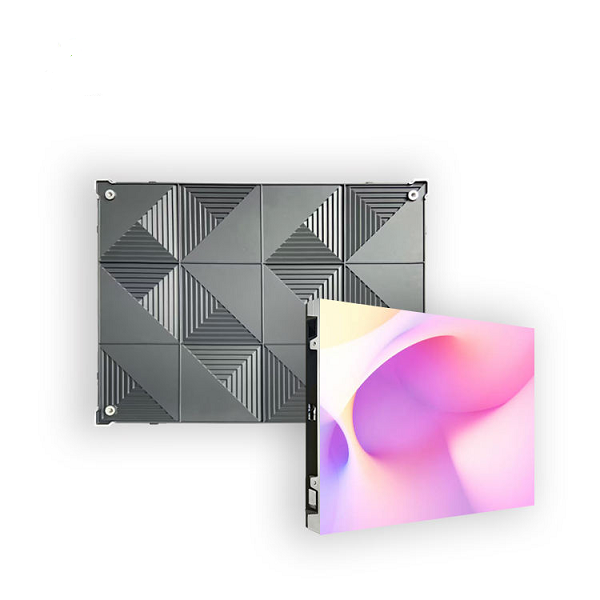
Before you start comparing prices or display size you should first know what P1.8 means. The term pixel pitch is one of the most important specs for a monitor, because it determines the amount of detail that a monitor can display, how comfortable it is to view and how much it will cost.
The distance between two adjacent LED pixels is defined as the pixel pitch, P1.8 for this product equals 1.8mm. The smaller the pixel pitch, the higher the pixel density for a given display surface area. The result is very sharp images with very smooth edge definition. For close-up viewing, such displays deliver very high detail.
Compared to P2, P2.5 and P3 indoor LED panels, the display density of a P1.8 panel is significantly higher, meaning finer text, sharper charts and more detailed video are displayed. Therefore, P1.8 panels are predominantly used in rooms where viewers are close to the display and require to clearly read details.
P1.8 is fine-pitch indoor LED display, ideal for indoor video wall applications where high image quality is critical over low cost for large screens.
These are just a few examples of how screens can be used to display different types of content. In the control room, for example, the screens can display a dashboard, a map or even a feed of live surveillance footage. In a conference room, screens can be used to display slide presentations, video conferences as well as financial charts and brand related content. A retail showroom could display product videos, close-up images of products or even promotional messages and offers. As screens are more than just a decorative item they must display clear and readable content.
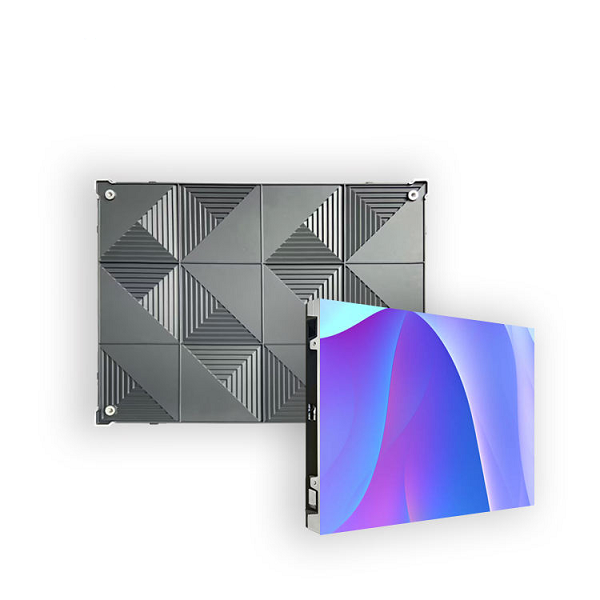
One of the key factors for why buyers choose P1.8 is viewing distance. A high-resolution LED display only brings value to end users when viewed up close and they are able to appreciate the additional fine detail and depth.
P1.8 indoor LED panels are perfect for short-distance viewing indoors. They are great for viewing from short-range by people who are standing or sitting in front of the screen in meeting rooms, retail stores, showrooms and monitoring centers.
There is no one-size-fits-all viewing distance rule for digital screens. The optimal viewing distance for a screen will depend on a number of factors including the screen size, the type of content being displayed, the aspect ratio of the display, the viewing angle and how much detail the viewer needs to be able to see. For example a screen playing brand videos may not require the same level of detail as a screen being used for data monitoring or financial dashboards.
However, when pixel pitch is set too high in relation to the viewing distance, the screen will start to display so-called pixel grain, and text will look harsh and lose its clearness. This will negatively impact the image quality and give the display an non-professional look, which is not suitable for high end indoor installations.
However, even for close-range applications small text may appear less clean than desired, product images and also other images might lose too much detail. On a monitoring desk in a control room even simple data could be too difficult to read or only a very small part of a signal window is visible.
Picking the smallest pixel pitch isn’t necessarily best. Smaller pixel pitches are typically more expensive because of more LEDs, tighter manufacturing tolerances and higher quality control measures to maintain uniformity. If the viewing position is far enough that one can’t resolve the differences then the additional cost likely will not deliver enough additional value to warrant the increase.
Pixel pitch is typically chosen based on the viewing environment. So, for example, close indoor viewing can be achieved with P1.8 pixel pitch screens but P2 or even P2.5 might end up being more cost effective for larger spaces or longer viewing distances.
| Pixel Pitch | Best For | Typical Buyer Need |
| P1.8 | Close-viewing indoor video walls | Higher image detail |
| P2 | Meeting rooms, retail, mid-distance viewing | Balanced quality and cost |
| P2.5 | Larger indoor spaces | More budget-friendly display area |
After choosing the pixel pitch of your display, you will need to choose the screen size or the dimensions of the final video wall. A P1.8 panel will produce vastly different results based on the final width and height of your wall.
An indoor LED video wall is made up of modules and cabinets. The more a screen needs to be enlarged, the more modules, cabinets, receiving cards, power supplies, framework, cables, and assembly work are required.
A small meeting room screen and a large showroom video wall would both probably use P1.8 panels, but have very different total budgets. A large screen needs more than one piece of hardware, more labor to install, more thought to how to power it, and more time to calibrate it.
P1.8 gives higher pixel density, but the final resolution depends on the complete screen dimensions. A P1.8 video wall does not automatically mean full HD or 4K. The supplier should calculate the actual pixel resolution based on the screen width, height, cabinet size, and pixel pitch.
In environments like conference rooms or command centers, displays are often used to connect to computers. In these situations it is crucial to determine the required resolution prior to production in order to check whether the required signal can be displayed on the screen. This may be a presentation or several open windows.
There is often a preference to use a 16:9 ratio for conference rooms, corporate presentations and video play out. Retail environments, exhibition stands and shopping malls often use vertical format screens, wide format banners or custom shaped formats and the best wall format will often be determined by the content format not just the available wall space.
A project budget for an indoor LED display installation is more than the square-meter price of an LED panel. In addition to the hardware, there is the control system, the installation, the service and the maintenance during the coming years.
The main cost items for a LED signage system are: the LED panels or cabinets, the control system, the power supplies, the mounting frame, the cables and accessories for connection, the receiving cards, the packaging, the shipping, the installation, the calibration of the display, the spare parts, and the after-sales service support.
In addition to designing the P1.8 indoor LED panel itself, it may be necessary to design front-service, a backup system, signal processors, etc. depending on the installation. In addition, custom cabinet design may be required.
Fine-pitch LED panels are higher priced displays because they contain more pixels in the same surface area than other displays. As a result they demand greater precision in manufacturing, more precise calibration, a more careful assembly process and more stringent quality control measures to detect and correct any defects prior to their leaving the factory.
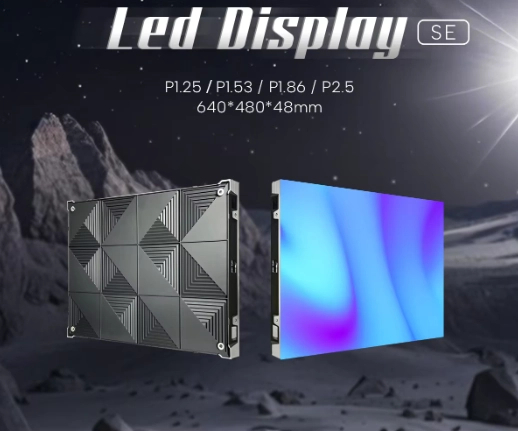
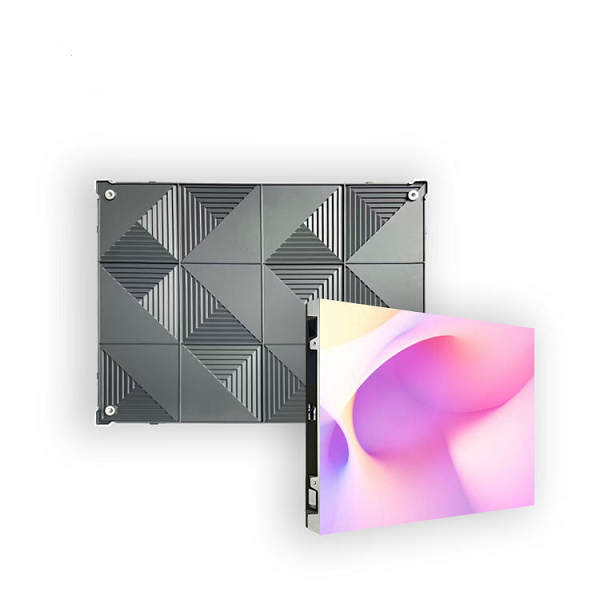
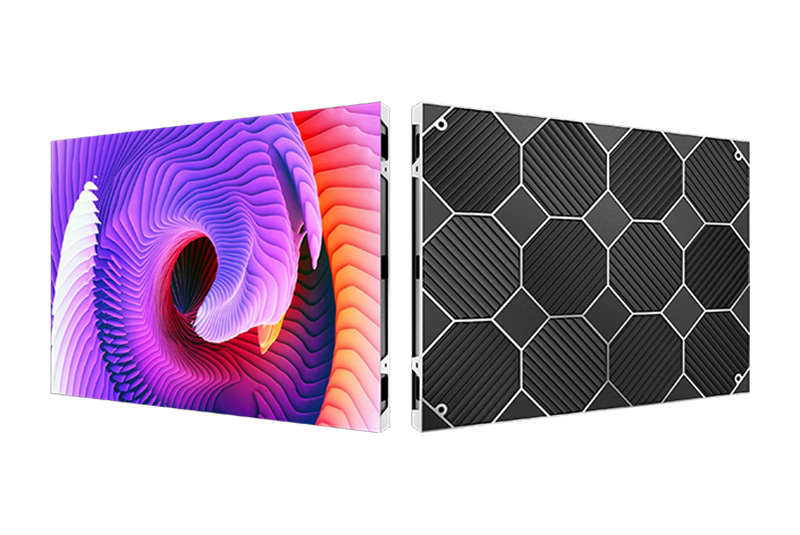
Longcheng’s P1.8-class indoor LED panel is a fixed installation indoor LED panel that can be serviced from the full front using magnetic modules. Product data for the panel includes White Balanced brightness of 800 nits, 3840Hz refresh rate, 160° viewing angle, 14–16 bits grayscale and contrast of at least 5000:1. These data points are critical for indoor applications where smooth display performance, wide viewing angle and stable images are required.
To control budget, customers can select the most appropriate pixel pitch for the required viewing distance, determine the correct screen size based on the required resolution, check installation details in advance and avoid over-specifying products and services which are not required.
But lowering the base price by cutting out important characteristics has its own drawbacks. In addition to short term problems, other characteristics such as refresh rate, brightness, service, cabinet, calibration, power supply, and spare parts affect long-term performance.
We believe choosing the right supplier for your indoor LED panel project is very important. Not only does a supplier deliver your products, but also they provide you technical support for problems when they occur.
Shenzhen Longcheng Photoelectrictechnology Co., LTD. is a China-based manufacturer of LED displays such as small pitch LED displays, indoor LED display panels, LED modules, rental LED displays, fixed displays, poster displays and also various accessories for LED displays.
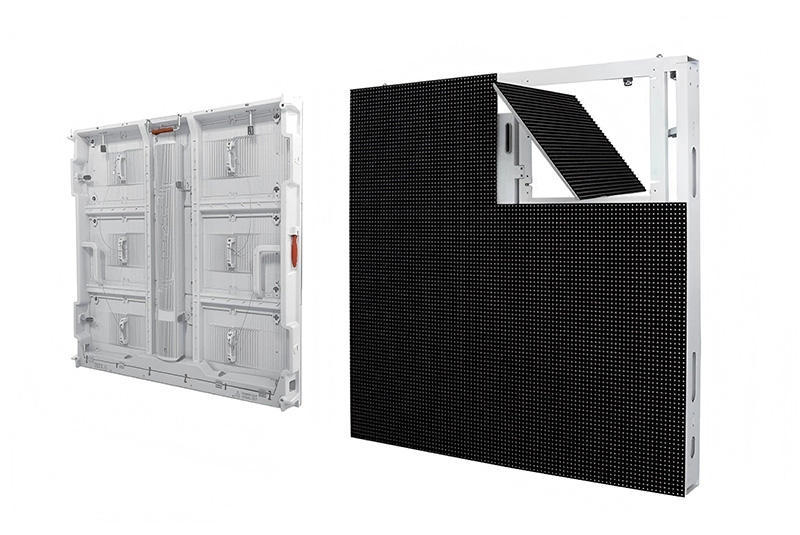
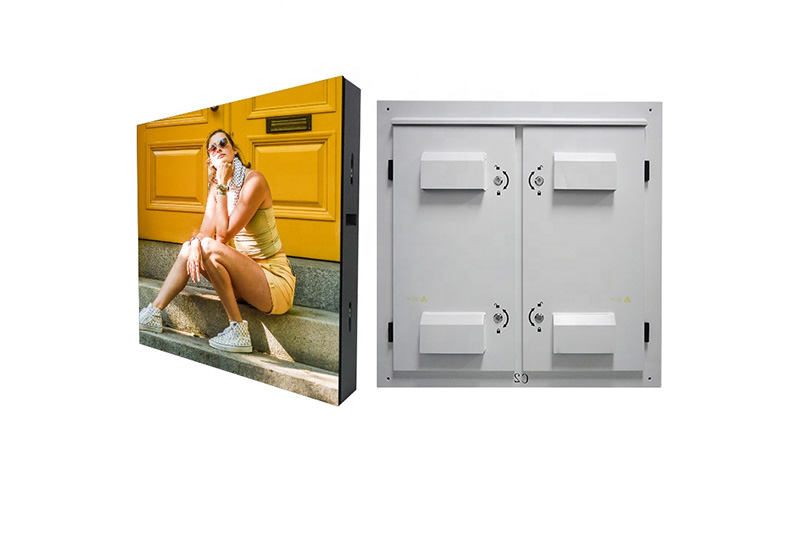
Longcheng provides products for P1.8 indoor LED panel projects. The products are designed for indoor video wall applications. The main features of the product are die-casting aluminum body for heat dissipation, multiple installation methods, light weight, high precision mold, and magnetic modules for front-end maintenance.
Longcheng supports system integrators, distributors, contractors, ad agencies, retail brands and corporate project buyers. For B2B customers Longcheng offers the following areas of support: product selection, product customization, technical Q&A, installation planning, after sales service and spare parts.
A good supplier is more than just a panel seller. He or she should help the buyer to check several details before production such as pixel pitch, screen size, cabinet, signal input, maintenance and feasibility of the project.
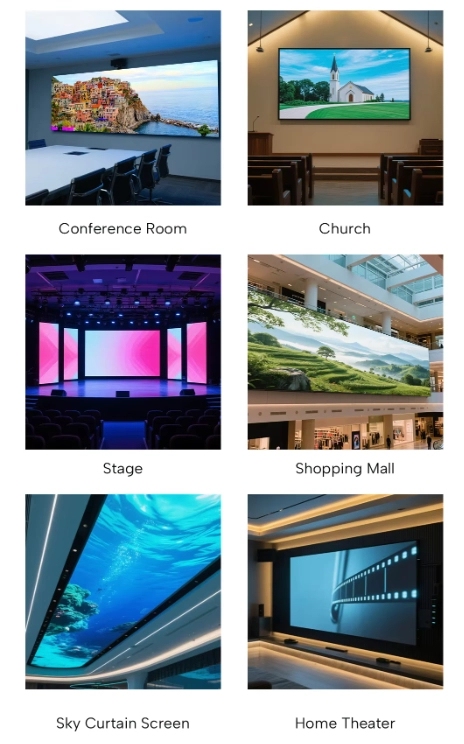
P1.8 indoor LED panels are ideal for very close viewing applications such as indoor applications that require great image detail and smooth display. Such applications include conference rooms, control rooms, retail stores, showrooms, corporate lobbies and exhibition environments where a professional visual display is required.
From all of the aspects above, P1.8 may seem like an obvious choice because it has the smallest pixel pitch; but there are more aspects to choosing the right indoor LED panel. P1.8 would be best chosen based on factors such as viewing distance, screen size, target resolution, content that will be viewed on the display, method of installation, maintenance access and total project budget. A reputable indoor LED panel supplier will be able to help work out the required resolution and recommend a suitable configuration of displays and ancillary equipment to meet your needs. They will also be able to ensure that the indoor LED panel continues to function at optimal levels over the long term.
P1.8 is a powerful option for indoor LED video wall applications where the viewer is close to the screen and detailed imagery is required. Typical applications are meeting rooms, showrooms, retail environments, control rooms and presentation rooms.
This TV is intended for short distance viewing in an indoor environment. The viewing distance will depend on the size of the screen, the type of content being viewed, the viewing angle, and the amount of detail in the images. It is recommended that buyers check the room size and environment with the supplier before choosing the TV.
Usually, yes. P1.8 has higher pixel density, which can increase module cost, manufacturing precision, and calibration requirements. However, it may be worth the cost when close-viewing image clarity is important.
Yes. P1.8 indoor LED screens are suitable for use in conference rooms. They are best for displaying text, charts, video conferencing, presentations and all high detail business content.
Buyers should provide screen width and height, viewing distance, installation location, wall condition, content type, required resolution, service method, project deadline, and any customization needs.












Leave a comments