
Nullam dignissim, ante scelerisque the is euismod fermentum odio sem semper the is erat, a feugiat leo urna eget eros. Duis Aenean a imperdiet risus.
Nullam dignissim, ante scelerisque the is euismod fermentum odio sem semper the is erat, a feugiat leo urna eget eros. Duis Aenean a imperdiet risus.
 author
Picking a digital street LED sign for a smart city advertising project takes more than just checking screen sizes and basic costs. Street-side LED displays have to perform well in tough outdoor settings. In these spots, sunlight, heavy rain, thick dust, high heat, and fast traffic all play a role. Pedestrian viewing distance, easy network control, smart content scheduling, simple maintenance access, and overall operating costs are also very important. Digital out-of-home media keeps expanding rapidly. Because of this, buyers really need solid, practical specifications. These details must support clear advertising visibility, quick city information release, urgent emergency messaging, and steady daily operation. The global digital signage market is expected to expand from USD 20.1 billion in 2024 to about USD 27.3 billion by 2029. This growth highlights a strong, ongoing demand for commercial display networks across public spaces and busy retail areas.
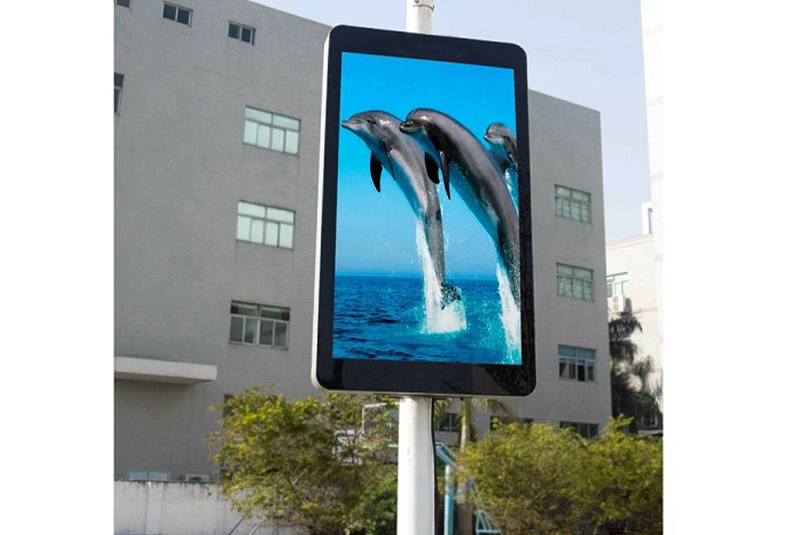
A digital street LED sign might be set up on a light pole, a roadside structure, or a lively commercial street. It could also go at a bus stop, a public plaza, a shopping area, a school campus, or a smart city information point. Every single location brings its own specific needs. These include different viewing distances, required brightness levels, exact cabinet sizes, proper installation heights, and specific content types.
On busy city roads, drivers and passengers usually spot the screen for just a few quick seconds. Therefore, the displayed content must be bold, very short, and simple to read. A screen placed in this spot requires excellent daylight visibility. It also needs stable refresh performance, tough weather resistance, and the ability to handle remote content updates easily.
Digital out-of-home media remains a massive growth driver for outdoor advertising. The OAAA noted that DOOH made up 36.3% of total U.S. OOH revenue in 2025. This sector also grew by 10.5% year over year. Such numbers clearly prove the high commercial value of modern digital street advertising networks.
Along retail streets, viewers naturally stand much closer to the screen. They might take more time to read special promotions, local store ads, helpful maps, upcoming event notices, and useful community service details. In this specific situation, a finer pixel pitch is essential. Smooth video playback and comfortable, adjustable brightness control also become incredibly important.
A great public commercial example exists in huge shopping and pedestrian display projects. The Dubai Mall promenade LED installation was noted to be around 1,450 square meters. It features a sharp 3.91mm pixel pitch. This setup clearly shows how massive digital displays can effectively support crowded, high-footfall commercial environments.
Pixel pitch directly impacts fine image detail, comfortable viewing distance, overall cabinet resolution, and total project cost. Buyers must carefully match the chosen pixel pitch with exactly how far people will stand from the screen.
Pixel pitch simply refers to the tiny distance between adjacent LED pixels. A smaller pitch gives a much higher pixel density. This results in much clearer images at a close distance. Shenzhen Longcheng’s Digital Street LED Sign Advertising Video Screen comes in P2.94, P3.33, and P3.84 options. These specific models have ideal viewing distances of 3m, 3.5m, and 4m, respectively.
For tight pedestrian spaces, the P2.94 model displays sharper text and richer video detail. For wider streets or tall pole-mounted roadside signs, P3.33 or P3.84 models provide a much better balance between visual clarity and overall cost.
The absolute smallest pixel pitch is not always the smartest choice. If the audience is standing farther away, paying for extra pixel density might not boost real advertising results at all. A smart, practical choice must look at the actual viewing distance, the exact content type, the total screen size, and the available budget.
For instance, a retail street promotion screen might require very crisp product images and easily readable prices. Meanwhile, a city road announcement screen might only need large text and basic, simple graphics. In that case, a slightly larger pixel pitch will still work perfectly well.
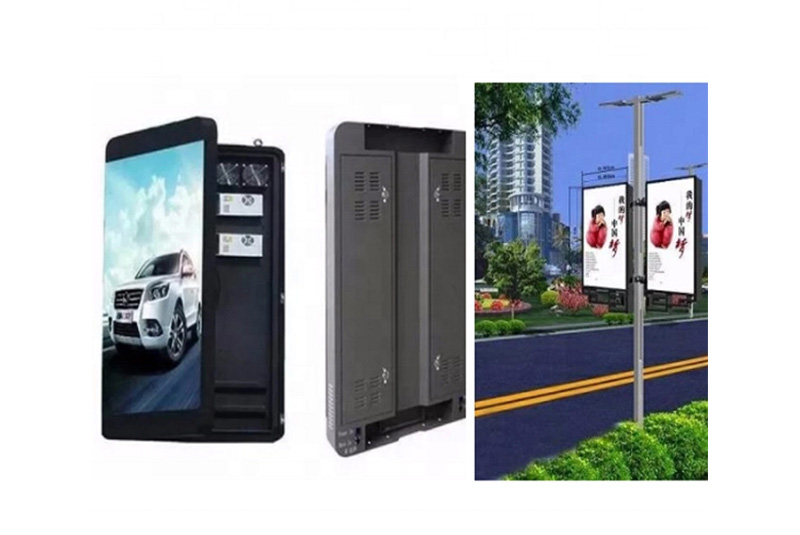
Outdoor street displays must stay clearly visible in bright daylight. At the same time, they must avoid causing harsh glare at night. Choosing the right brightness directly impacts basic readability, total power use, and overall viewer comfort.
Longcheng’s Digital Street LED Sign Advertising Video Screen offers a solid 4000–7000 nits brightness, depending on the specific configuration. The main product page also highlights a fast 1920Hz–3840Hz refresh rate. This high rate makes fast video content look much smoother and far more camera-friendly.
For heavily shaded streets, a lower brightness level might be completely fine. However, for open roads, bright sunny plazas, and wide city intersections, a much higher brightness is required to keep ads visible during the bright day.
A display that looks perfectly bright at noon might seem way too intense late at night. Using automatic brightness and smart timing switch functions can greatly cut down on energy waste. These features also boost overall viewing comfort. Longcheng’s street LED product comes with helpful energy-efficiency features, like automatic brightness control and a handy timing switcher.
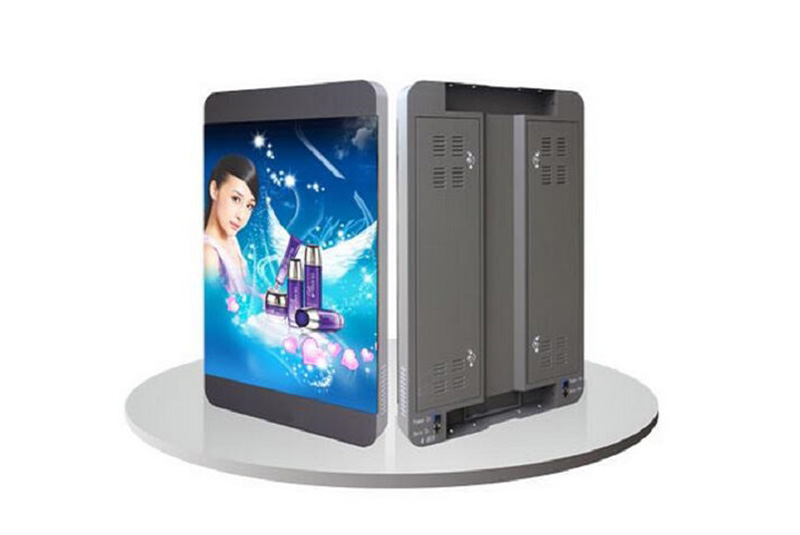
Street LED signs are frequently set up in large groups across many different roads or city districts. Trying to manage them one by one is very slow and highly expensive.
Longcheng’s product smoothly supports 3G, 4G, WiFi, local LAN, phone control, and advanced cluster control. By using cluster control, system operators can instantly send programs to many smart light pole LED displays at the exact same time. They can also quickly check every single display’s current status using the secure cloud system.
For a massive citywide advertising network, this smart setup can drastically reduce manual labor, extra travel time, and annoying content update delays. It also allows operators to easily schedule specific ads by district, exact time, marketing campaign, or special public event.
Smart city screens should never just show standard commercial ads. They must also be ready to display urgent public notices, helpful traffic guidance, vital safety reminders, severe weather warnings, and clear event instructions. Longcheng’s solution features include precise GPS content synchronization and the ability to handle real-time urgent message insertion.
Street LED signs operate in highly exposed, tough environments. Heavy rain, thick dust, extreme heat, constant vibration, and basic maintenance access must all be a big part of the final buying decision.
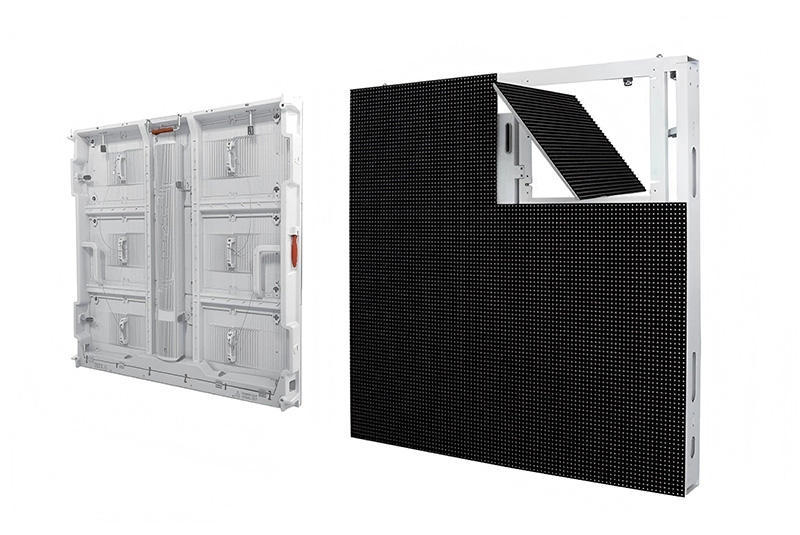
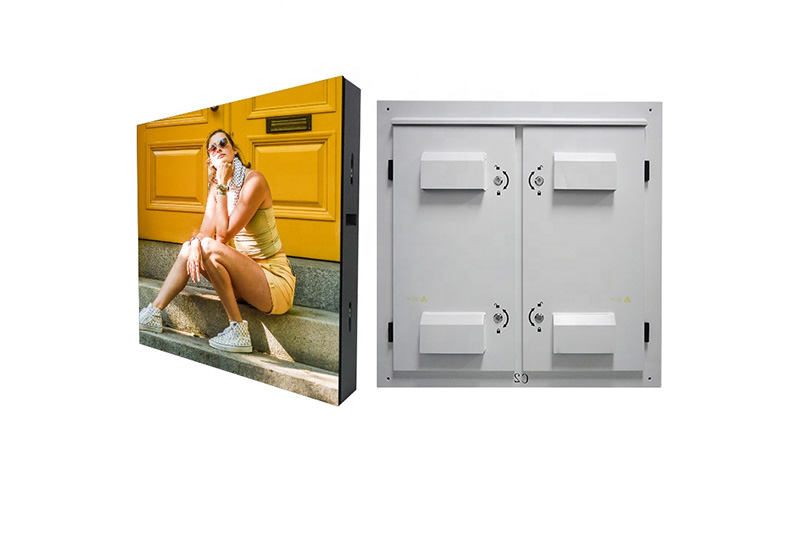
Longcheng’s product utilizes a tightly sealed waterproof iron cabinet and clearly lists a strong IP65 protection rating. It also comfortably supports AC110–240V power input. This makes it highly suitable for many different regional power conditions.
For demanding outdoor advertising, solid IP protection greatly lowers the serious risk of failure from dust and water damage. Buyers must also carefully inspect cable sealing, reliable power protection, proper grounding, good ventilation, and specific local climate conditions.
This product uses a convenient back service maintenance design. For tall pole-mounted or tricky roadside installations, proper maintenance planning directly affects manual labor costs, worker safety, and total system downtime. Buyers must always verify if technicians can safely reach internal modules, power supplies, receiving cards, and connecting cables after the initial installation.
A complete street LED display project budget involves much more than just the main screen body. A truly realistic quotation has to cover the core hardware, the control system, the sturdy mounting structure, shipping fees, installation costs, necessary spare parts, and reliable after-sales service.
Commonly missed costs often include special pole structure adaptation, complex power distribution, secure network access, a solid media player, and the required cloud platform. Other hidden costs are waterproof cabling, tricky traffic-side installation labor, heavy crane or lift rental, initial content setup, precise color calibration, and all future maintenance work.
A very low upfront price might actually become quite expensive later on. This happens if the screen suffers from weak brightness, highly limited remote control, a poor waterproof design, or very difficult servicing needs.
ROI naturally improves when the screen delivers high uptime, very clear visibility, simple content updates, and highly flexible ad scheduling. Recent OAAA research on OOH budget reallocation showed that small, incremental increases in OOH spending can effectively improve optimized revenue and boost brand metric gains. This strongly supports the vital role of outdoor media within much broader advertising plans.
For system operators, steady revenue can easily come from local merchant ads, important public service announcements, special event promotions, large brand campaigns, and flexible time-based ad slots.
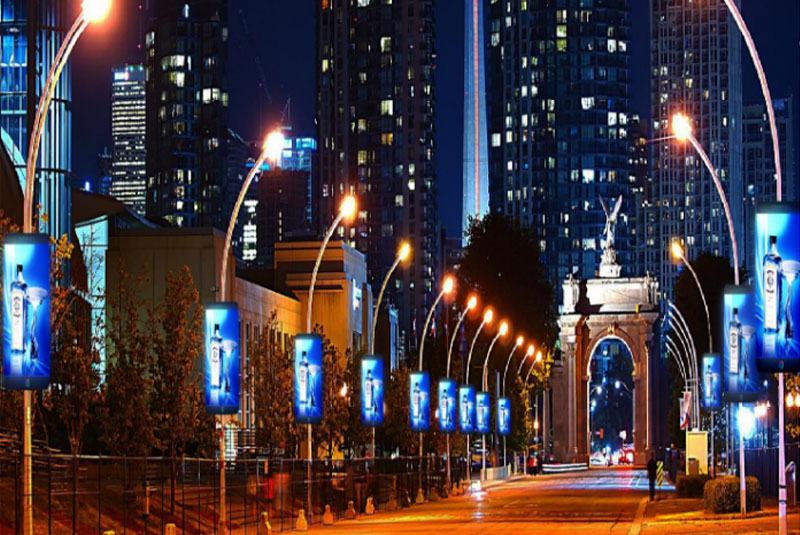
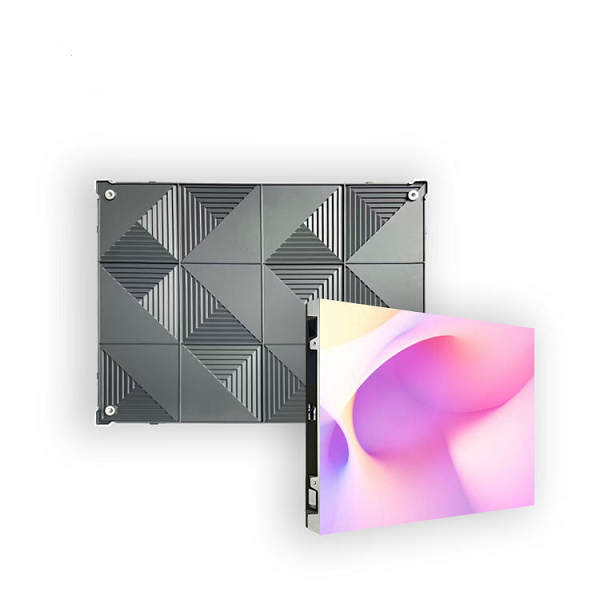
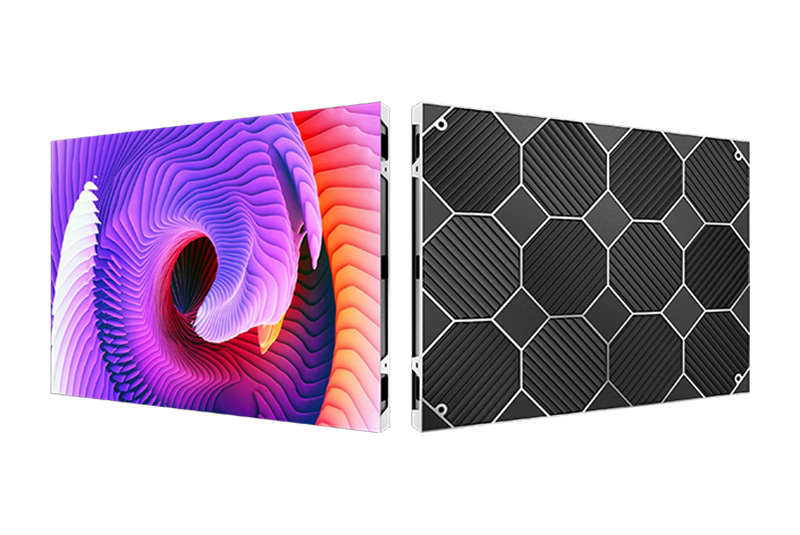
Shenzhen Longcheng Photoelectrictechnology Co., LTD. provides top-quality LED display products. These include fixed LED displays, flexible rental LED displays, sleek poster LED displays, massive sports stadium LED displays, sharp small pitch LED displays, standard LED modules, and all related accessories. Its popular Digital Street LED Sign Advertising Video Screen offers P2.94, P3.33, and P3.84 options. It features 4000–7000 nits brightness and a fast 1920Hz–3840Hz refresh rate. It also includes a sealed waterproof iron cabinet, strong IP65 protection, easy back service, and multiple handy control methods.
For complex smart city advertising projects, Longcheng can expertly support detailed product selection, clear technical communication, and specific cabinet customization. They also help with control system planning, proper installation guidance, and solid after-sales service. They do all this without forcing buyers into a rigid, one-size-fits-all display solution.
Selecting the right digital street LED sign for smart city advertising demands a very careful evaluation. You must look at the exact location, the typical viewing distance, the proper pixel pitch, and the needed brightness. Also check the IP rating, the best control method, easy maintenance access, total installation cost, and expected long-term ROI. The P2.94, P3.33, and P3.84 models can each be highly suitable. You just need to match them correctly with the right viewing distance and specific content type.
For busy city roads, lively retail streets, standard bus stops, and useful public information points, the absolute best LED sign is rarely the cheapest one. It is also not always the highest-resolution option. The very best choice is the one that remains clearly visible, highly stable, easily manageable, totally serviceable, and consistently profitable over a long period of time.
It really depends on the expected viewing distance. The P2.94 model is much better for closer pedestrian viewing. Meanwhile, the P3.33 and P3.84 models can be highly suitable for much wider streets, tall roadside signs, and generally longer viewing distances.
Advanced cloud and cluster control systems allow busy operators to quickly update many screens all at once. They can easily check display status remotely, efficiently schedule content, and instantly release urgent messages without ever visiting each physical installation site.
Smart buyers should clearly provide the exact screen size, the specific installation location, and the expected viewing distance. They also need to state their pixel pitch preference, the required brightness requirement, and the local power conditions. Furthermore, they should list their network control needs, required maintenance access, total project quantity, final shipping destination, and their realistic budget range.












Leave a comments