
Nullam dignissim, ante scelerisque the is euismod fermentum odio sem semper the is erat, a feugiat leo urna eget eros. Duis Aenean a imperdiet risus.
Nullam dignissim, ante scelerisque the is euismod fermentum odio sem semper the is erat, a feugiat leo urna eget eros. Duis Aenean a imperdiet risus.
 author
Today, commercial LED display screens appear in many places. You can see them in shopping malls, retail streets, and building facades. They are also common in transportation hubs, highways, exhibitions, and outdoor advertising projects. For buyers, the main challenge is not just finding a bright screen. A dependable commercial LED display screen must fit several factors. These include viewing distance, installation environment, and content type. It must also match maintenance access, weather exposure, and the total project budget. Industry demand keeps growing. Grand View Research estimated the global digital signage market at USD 31.1 billion in 2025. They expect this number to hit USD 58.4 billion by 2033. At the same time, the digital out-of-home advertising market will likely show strong growth. For advertisers and project buyers, picking the right LED advertising screen is crucial. It supports better visibility. It also lowers long-term maintenance pressure and delivers a stronger return on investment.
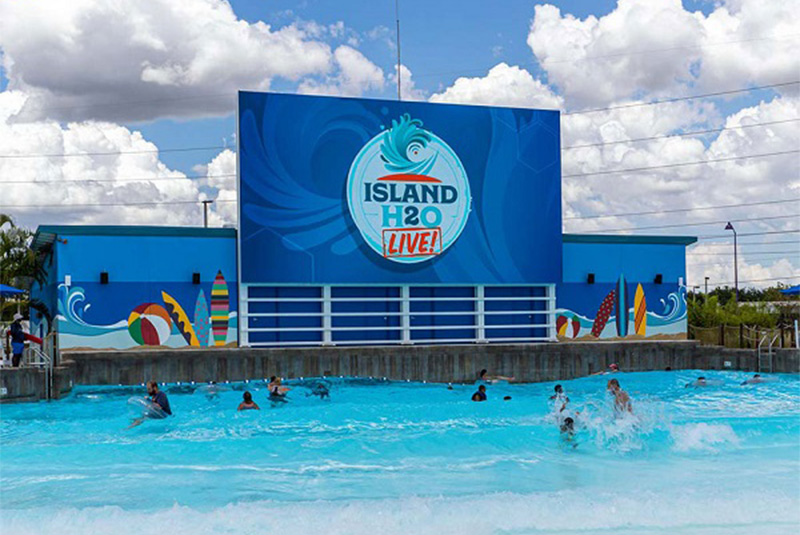
Before checking product prices, buyers must first decide where the LED screen will go. They also need to know how it will operate. A screen for a roadside billboard requires specific features. A shopping mall entrance or a building multimedia facade might need completely different specifications.
Outdoor commercial LED video signs generally require high brightness. They also need wide viewing angles and tough weather protection. Furthermore, these screens must run steadily for 24 hours a day. For highway advertising, viewers stay far away. They also move quickly in vehicles. Therefore, large text and strong contrast matter a lot. A suitable pixel pitch is much more important than ultra-fine resolution here.
For shopping mall posters, retail streets, and commercial plazas, the audience stands closer to the screen. These specific projects normally demand sharper images. They also require excellent color performance and smooth video playback. Public OOH research confirms the value of highly visible outdoor media. An OAAA/Morning Consult study showed that 88% of adults noticed an out-of-home ad during the past 30 days. Additionally, 69% of them saw a billboard.
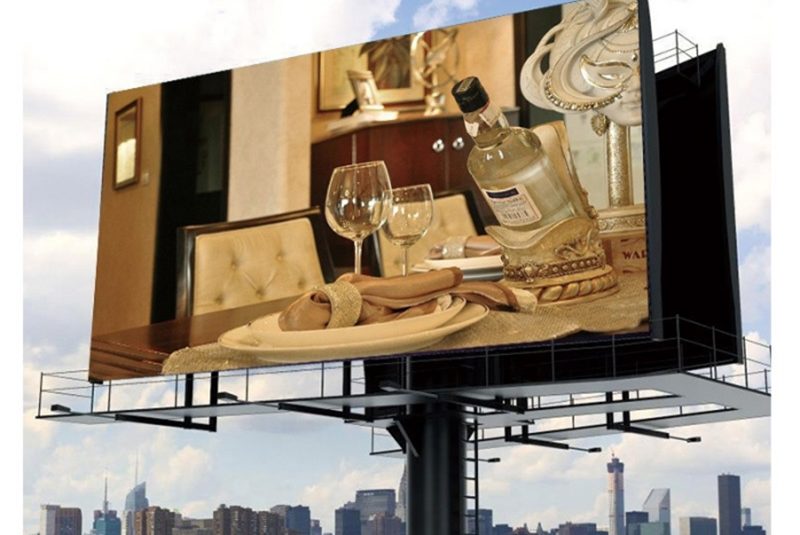
Pixel pitch stands as a primary technical factor for buyers to check. It directly impacts image clarity and viewing distance. It also changes the screen cost, power demand, and production complexity.
Pixel pitch means the exact distance between two neighboring LED pixels. A P4 screen features a 4mm pixel pitch. Meanwhile, P5 and P6 models have larger spacing. A smaller pitch delivers higher pixel density. This creates clearer images at close distances. However, it also raises the overall cost.
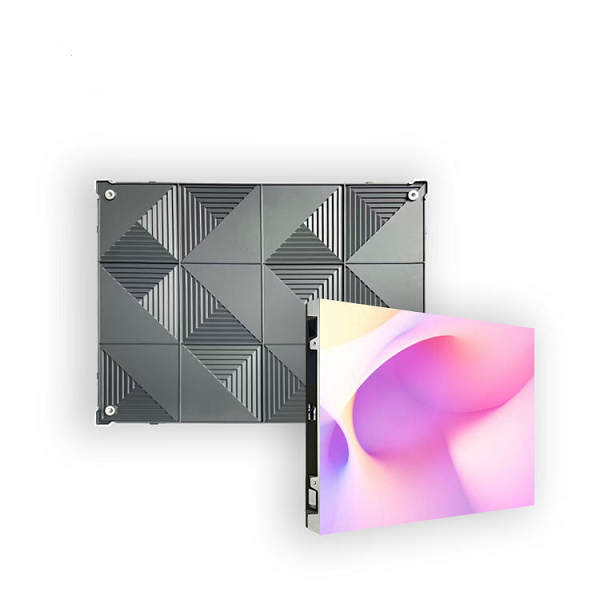
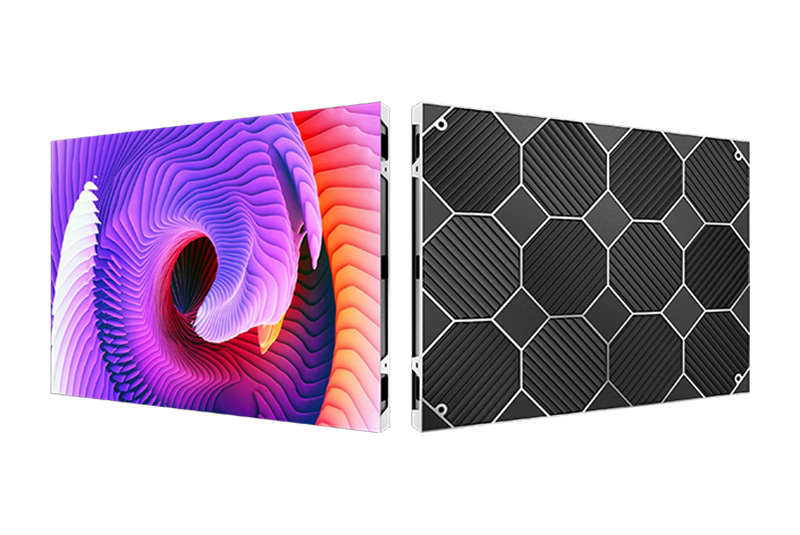
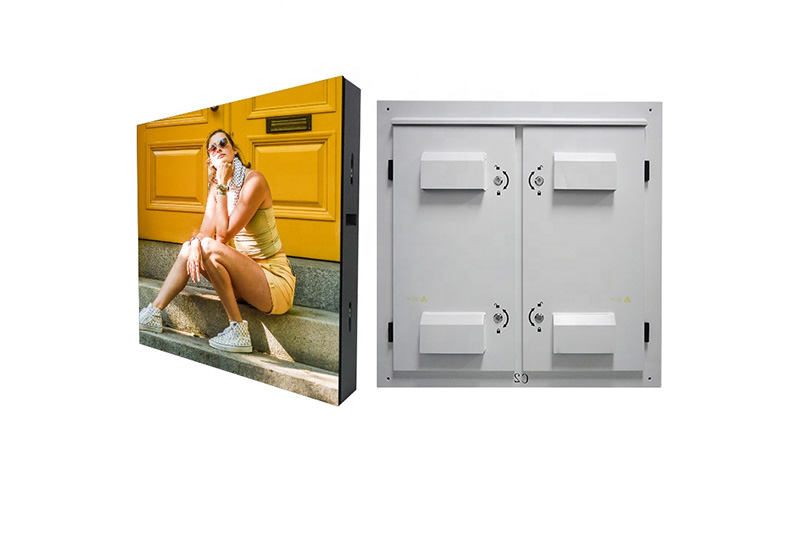
Shenzhen Longcheng’s commercial LED display screen advertise video sign comes in P4, P5, and P6. This variety makes it ideal for different outdoor advertising setups. It also fits various commercial display distances.
For close-view retail entrances or pedestrian streets, P4 or P5 can show excellent visual detail. For shopping malls, transportation hubs, and building walls, P5 or P6 often proves more cost-effective. This also applies to medium-distance outdoor advertising. For massive highway billboards, buyers might not need a very fine pixel pitch. This happens because the viewing distance remains quite long.
A helpful rule is to match the pixel pitch with the actual viewing distance. Buyers should avoid simply purchasing the smallest pitch available. Picking an overly fine pixel pitch increases the equipment cost. It does not always improve the real advertising impact.
Brightness determines if the content remains clear under sunlight or indoor lighting. It also matters during rain, haze, and nighttime hours. Furthermore, brightness affects energy use and viewer comfort.
Indoor screens generally function well with much lower brightness. This happens because the indoor lighting environment stays controlled. In contrast, outdoor LED advertising screens require much higher brightness. They must compete directly with natural daylight. Longcheng’s commercial LED display screen product page highlights high brightness for outdoor daylight conditions. It lists the white-balance brightness at ≥6000 cd/m² for the P6-8S module.
Higher brightness is not always the best choice. A screen that shines too brightly at night can create heavy glare. It will also waste electricity. For commercial LED signage, buyers must think about brightness adjustment and content scheduling. They should also review ambient light levels and local regulations. Daytime ads require strong visibility. Nighttime ads need visual comfort and easy readability.
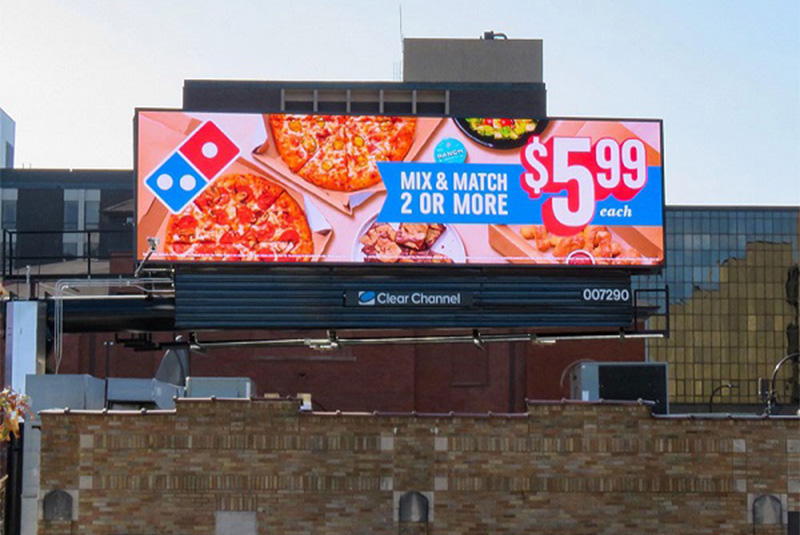
Commercial outdoor LED screens deal with rain, dust, and humidity. They also endure heat, UV exposure, and constant temperature changes. The IP rating helps buyers figure out if the screen can survive outdoor conditions.
Longcheng’s commercial LED display screen advertise video sign features an IP65 waterproof level. It also uses iron and aluminum body material. IP65 protection is a popular choice for outdoor advertising projects. It effectively protects the display from dust and water contact.
Some projects sit in coastal areas, desert regions, or heavy rain zones. Locations with high humidity also pose challenges. For these places, buyers must check more than just the IP rating. Cabinet sealing, waterproof connectors, and anti-corrosion treatment remain critical. Grounding, ventilation, and regular maintenance are equally important. Longcheng’s outdoor LED screen content points out a key fact. Outdoor displays might require IP65/IP66 waterproof cabinets and sealed modules. They also need thermal management, anti-corrosion treatment, and surge protection in tough environments.
Many buyers focus heavily on the initial screen price. However, they often forget about maintenance access. This mistake can lead to massive service costs later.
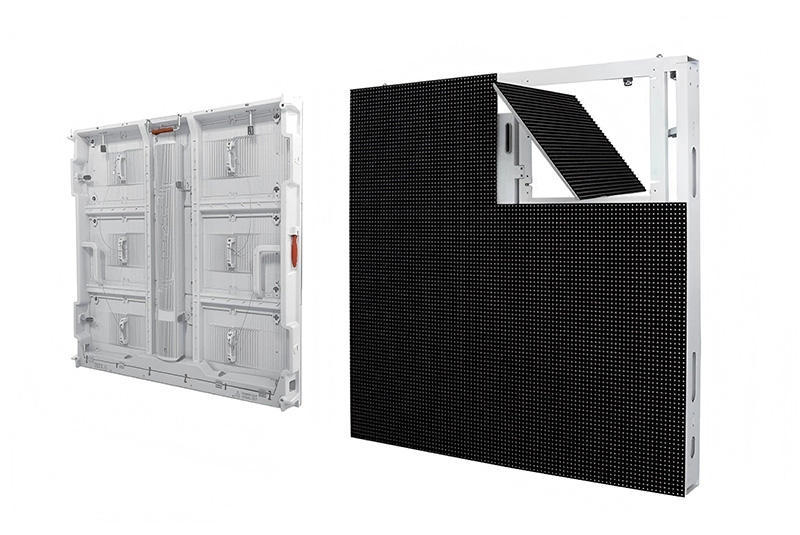
A front-maintenance LED display lets technicians fix modules from the front side. This design proves highly useful when the screen sits on a solid wall. It also helps when rear access remains strictly limited. Rear maintenance might be simpler when plenty of space exists behind the screen.
Longcheng’s commercial LED display supports complete front or rear maintenance. The product page explains that this feature helps save valuable installation space. This flexibility is great for building facades, store walls, and tight commercial sites.
A solid project budget must include spare modules, power supplies, and receiving cards. It should also cover cables, packaging, shipping, and installation. Calibration and after-sales support are vital too. Longcheng’s own buying-guide content shares similar advice. It states that LED signage cost involves the control system, power supplies, and mounting frame. It also includes cables, receiving cards, packaging, and shipping. Installation, calibration, spare parts, and after-sales service complete the list.
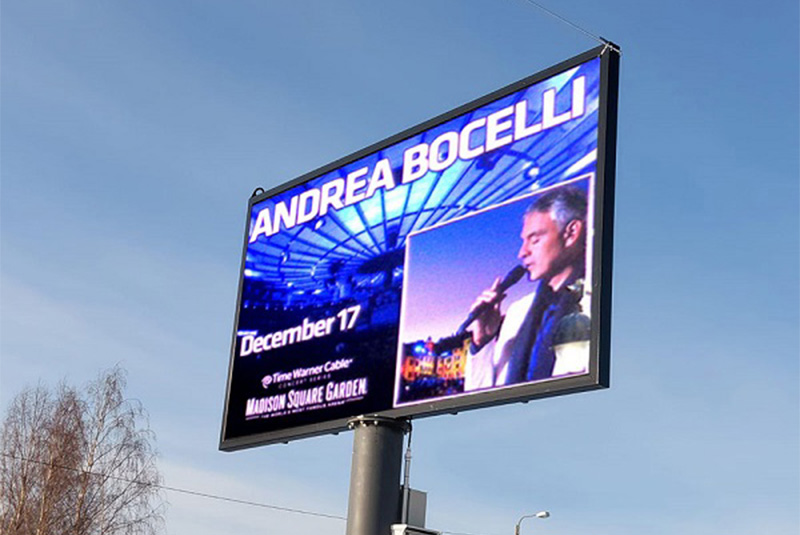
The lowest upfront price does not automatically result in the lowest total cost. Commercial LED display ROI relies on visibility, uptime, and content quality. It also depends on maintenance cost, advertising income, and the total screen lifespan.
Buyers often miss several hidden costs. These include the steel structure, installation labor, and power distribution. The control system, media player, and network connection add to the bill. Shipping, customs, spare parts, waterproof testing, and safety inspection matter as well. Long-term servicing is another crucial expense.
For B2B buyers, a thorough quotation must clearly separate the display hardware from the control equipment. It should also list accessories, installation support, and after-sales items independently. This clear breakdown makes supplier comparison much more accurate.
Large retail display projects offer a helpful public reference. For instance, reports described the Dubai Mall’s 2025 promenade LED installation. It covered about 1,450 square meters with a 3.91mm pixel pitch. This shows how large-format LED displays blend into commercial foot-traffic and branding environments. Not every project requires this massive scale. Still, the main lesson remains very clear. Screen size, pixel pitch, location, and content strategy must function smoothly together.
Shenzhen Longcheng Photoelectrictechnology Co., LTD. provides indoor and outdoor LED screens. The company also offers fixed LED displays, rental LED displays, and poster LED displays. Their catalog includes sports stadium LED displays, LED modules, and related display accessories. Its commercial LED display screen advertise video sign features P4, P5, and P6 options. These units deliver high brightness and IP65 waterproof protection. They utilize iron and aluminum body material. They also offer convenient front or rear maintenance support.
For B2B buyers, Longcheng actively supports product selection and technical communication. The team assists with installation planning, OEM/ODM needs, and spare parts planning. They also provide solid after-sales service. This comprehensive support makes the company a great match for advertising agencies and system integrators. Distributors, shopping mall operators, and outdoor media project buyers will also find them highly suitable.
Selecting a commercial LED display screen takes more effort than just comparing screen size and unit price. Buyers must carefully evaluate pixel pitch, viewing distance, and brightness. They should also check the IP rating, cabinet material, and maintenance method. The control system, installation cost, spare parts, and long-term ROI require close attention.
For close-view commercial locations, P4 or P5 models can deliver excellent image detail. For medium-distance advertising and larger outdoor projects, P5 or P6 models often prove more cost-effective. Outdoor screens must also possess adequate brightness, weather protection, and proper maintenance access. By matching exact specifications with real project conditions, buyers can easily reduce waste. They will improve advertising visibility and secure a highly reliable digital signage investment.
The best choice depends heavily on the viewing distance. P4 works beautifully for closer commercial viewing. Meanwhile, P5 and P6 can be much more cost-effective for shopping malls and building facades. They also suit transportation hubs and medium-distance outdoor advertising.
Outdoor LED advertising screens typically demand high brightness for clear daylight visibility. Buyers must think about sunlight exposure and viewing distance. They should also review nighttime brightness control, content type, and local installation conditions. These factors matter greatly before choosing a final brightness level.
Buyers need to share the exact screen size and installation location. They must state whether the project involves indoor or outdoor use. The viewing distance, preferred pixel pitch, and brightness requirement are also essential. Furthermore, buyers should explain their maintenance access and control system needs. Local climate details, the shipping destination, and the expected budget range complete the necessary information.












Leave a comments