Nullam dignissim, ante scelerisque the is euismod fermentum odio sem semper the is erat, a feugiat leo urna eget eros. Duis Aenean a imperdiet risus.

Exploring Small Pitch LED Displays Revolutionizing Outdoor Lights
                                   

Exploring Small Pitch LED Displays Revolutionizing Outdoor Lights

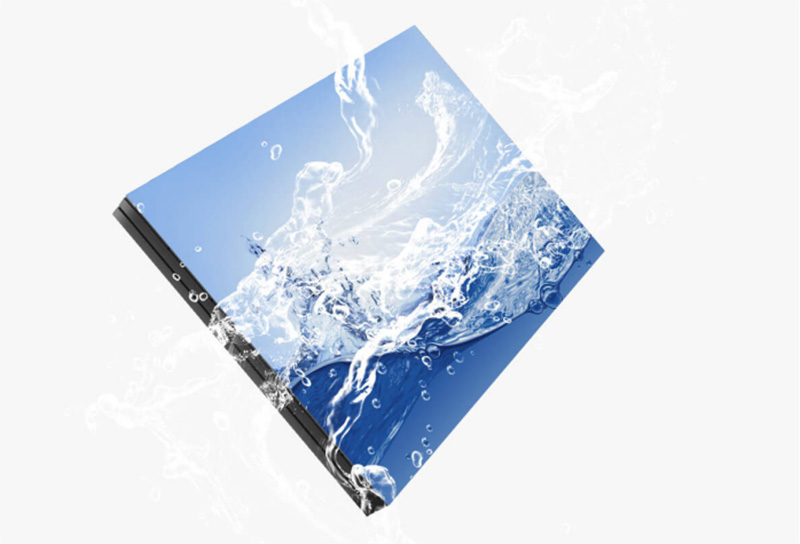
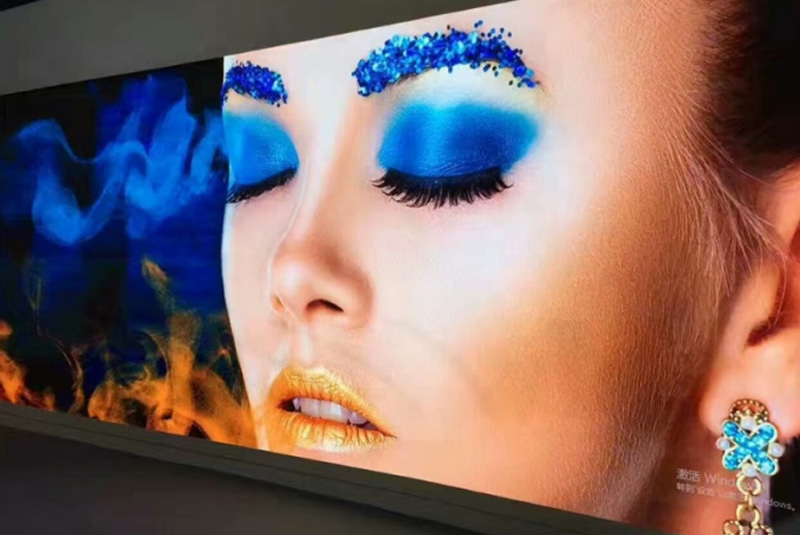
Small pitch LED displays have changed the world of modern advertising. They let brands show high-definition visuals with great clarity and brightness. These advanced display solutions feature a fine pixel pitch — the space between two nearby pixels. This setup allows for greater pixel density and clearer images. In today’s busy digital world, advertisers want technologies tha t grab attention and keep viewers interested. Small pitch LED displays meet these needs. They provide excellent image quality and smooth content blending across different platforms. Key Features of Small Pitch LED Displays A main feature of small pitch LED displays is their high pixel density. It ensures clear details even when people view from close up. This makes them perfect for indoor setups like shopping malls, airports, and company lobbies. There, audiences get near the screens. The small pixel arrangement reduces visual issues. It also keeps brightness even across the whole surface. Another big plus is their strong color accuracy and brightness. Today’s small pitch LED tech uses modern calibration methods. These create bright colors and deep contrasts. As a result, they offer engaging visual experiences. This good color performance is vital for current advertising efforts. Those efforts use real-life images to share brand identity well. Integration with digital advertising platforms is also key. Small pitch LED displays work with various content management systems (CMS). They handle real-time data feeds too. So, advertisers can update campaigns right away. They can also target certain groups dynamically. These displays match multiple input sources. That includes HDMI, DVI, and network-based protocols. This boosts ease of use in business setups. These features together make small pitch LEDs essential for today’s advertising plans. Those plans focus on accuracy, interaction, and strong visual effects. How Do Small Pitch LED Displays Enhance Commercial Displays? In business settings, small pitch LED displays offer flexible tools. Businesses use them to boost brand visibility and customer interest. Unlike old display types like LCD or projection systems, small pitch LEDs have modular designs. This flexibility lets users create custom setups for any space or building need. Benefits for Commercial Use Custom sizes and shapes are top benefits for business uses. Companies can build special display arrangements. For example, they make curved setups or big video walls. There are no visible seams or edges to break the image flow. This freedom helps in creating engaging retail spaces or work presentation areas. Energy savings matter a lot in current business operations. Small pitch LED displays use modern driver ICs and low-power diodes. These cut energy use compared to older systems. So, they lower running costs. Plus, they fit with eco-friendly practices that big companies value more now. Moreover, their sturdy build ensures steady work in different conditions. The panels use tough materials. They resist moisture, heat changes, and physical wear. For outside or half-outside spots, special coatings protect from dust and water. They keep brightness at its best too. Small pitch LED displays mix style options with smart operations. Thus, they help businesses make interactive areas. These areas draw in crowds and give good value over time. Why Choose Shenzhen Longcheng Photoelectric Technology Co., LTD. as a Supplier? Shenzhen Longcheng Photoelectric Technology Co., LTD. leads in small pitch LED tech. It focuses on new ideas, quality checks, and customer-focused service. The company has built a solid name in the worldwide LED market. It does this through ongoing tech improvements and following global making standards. Highlights of Shenzhen Longcheng Photoelectric Technology Co., LTD. The firm’s long background in LED display production helps it offer products that fit strict needs. These needs come from fields like retail, transport, fun, and business areas. Its engineers stress exact making steps. These steps ensure even pixel placement and steady light levels across all parts. Shenzhen Longcheng Photoelectric Technology Co., LTD. has modern making sites. They include automatic assembly lines, exact calibration tools, and full testing areas. All this keeps product dependability high for large amounts. These sites handle standard items and custom fixes for client wants. The company also commits to good customer help and tech aid. From before-sale talks to after-setup care, clients get pro advice. This ensures the system works best over its life. Plus, the firm’s worldwide shipping setup promises fast delivery and quick help no matter the project spot. With these strong points — tech skills, top making, and loyal client aid — Shenzhen Longcheng Photoelectric Technology Co., LTD. stays a reliable choice. It serves groups looking for dependable small pitch LED options in today’s advertising uses. Conclusion Small pitch LED displays are changing outdoor lights. They bring top image quality and flexibility in advertising and business settings. Their high resolution allows detailed stories through lively visuals. These visuals catch viewer focus right away. Also, their fit for indoor spots and outside areas makes them a go-to for strong brand messages. Businesses keep putting money into digital changes. These changes aim to boost customer ties. Small pitch LEDs will stay key in visual marketing growth. This is due to their growth options, energy savings, and links with new tech like AI-based content systems. FAQs What is the primary advantage of small pitch LED displays over traditional displays? Small pitch LED displays give higher resolution and better color match than usual types like LCDs or projectors. This suits detailed visual items where clearness up close is key. It’s a must in modern advertising. There, each pixel helps make the message work well. How do small pitch LED displays contribute to energy efficiency? These displays use new semiconductor parts. They cut power waste while running. At the same time, they keep steady brightness. Compared to old lighting or big LCDs, they use less power per space. They don’t lose light strength. This leads to big energy cuts over time. Can small pitch LED displays be used in outdoor environments? Yes, they handle different weather like rain, dust, heat swings, and sun rays. Makers add IP-rated covers and cooling systems. These keep steady work in tough outside spots. So, they fit indoor shows and big outdoor ad setups in city areas.  
Exploring Poster LED Displays Key Advantages for Advertising Experts
                                   

Exploring Poster LED Displays Key Advantages for Advertising Experts

Poster LED displays have changed the advertising and business world. They provide a lively, power-saving, and eye-catching option instead of old printed posters. These digital LED posters mix modern screen tech with simple designs. That makes them a top pick for companies wanting to grab people’s focus in tough markets. Defining Poster LED Displays Poster LED displays are sharp digital screens. They use light-emitting diodes (LEDs) to show bright pictures, videos, and moving images. These screens are often thin, light, and simple to set up. So, they work well for inside and outside uses. Their key parts include the LED panel, control system, power supply unit, and a frame built for strength and easy moving. Unlike old posters that use fixed printed pictures, digital LED posters let you change content easily. Businesses can update ads with software or remote controls. They do this without needing to print new items. This ease helps advertisers share timely deals or tweak messages based on group traits or weather. Old posters do not have the changeability and interaction of digital screens. Printed media needs full swaps for each new push. But poster LED displays allow quick changes with little work. This difference boosts work flow and cuts down on trash from usual ad items. Importance of Poster LED Displays in Modern Advertising In today’s quick ad scene, being seen is key. Poster LED displays give strong light levels. So, content stays clear even in direct sun or bright inside areas. Their lively colors and moving graphics pull in people walking by. This raises interest rates over fixed signs. Plus, these screens offer great ease in handling content. Advertisers can plan several pushes on one device. They can switch messages during the day or adjust pictures from viewer data. This turns fixed ads into a hands-on event. It fits current marketing plans that focus on custom touches and instant links. How Do Poster LED Displays Enhance Advertising Campaigns? Poster LED displays boost ad pushes by blending smart tech with free creativity. Their skill in giving strong visuals makes sure marketing words hit hard with aimed groups. At the same time, they keep costs low over periods. Increased Engagement with Target Audiences A main power of poster LED displays is their skill for interaction. Some types add touch screens or movement sensors. These let viewers join in with the content. So, it shifts from just watching to taking part. This link builds brand memory and creates feelings between buyers and items. On top of that, digital LED posters allow content that fits the moment. Businesses can adjust ads based on spot, time, or group info from built-in software. For instance, a shop might show varied deals in busy hours versus calm times. This raises fit and sales chances. Cost-effectiveness Compared to Traditional Advertising Methods The starting costs for poster LED displays might be more than printed stuff. But over the long run, savings are big. Skipping repeat printing fees cuts work costs a lot. Also, since digital content updates from afar and right away, costs for moving or setting up drop. Power saving adds to the value. New LED tech uses much less energy than past systems like fluorescent or plasma screens. Yet, it keeps top light levels. This means smaller power bills. It also helps green business ways that match world eco aims. Why Choose Poster LED Displays for Commercial Use? Many fields now use poster LED displays. This shows their smart worth in business spots where sight talk shapes buyer actions. Versatility Across Different Business Environments Poster LED displays show great fit in many areas. These include shops, hotels, airports, eateries, trade fairs, and company events. Their piece-by-piece build lets you adjust for space limits. You can mount them straight as single units or line them side by side for big video walls. For outside uses like street ads or event boosts, tough models with strong LEDs work steady in changing weather. Think rain or full sun. Inside, they act as fine brand tools. They can turn plain areas into deep sight events that lift how customers see things. This fit makes poster LEDs vital tools in fixed setups and short-term ad plans. Quick setup is a must there. Durability and Longevity of Poster LED Displays Strength is a big reason poster LED setups are popular in business places. They use solid stuff like aluminum mixes or hard glass sides. These are made to handle non-stop work in busy spots without losing picture sharpness. LED tech gives a longer life than other screen kinds. It often goes over 100,000 hours before light fades much. Low care needs boost work flow more. You just need basic cleaning, not often swaps or fixes. These traits together give steady work even in hard use spots common in full shops or public areas. How Does Shenzhen Longcheng Photoelectric Technology Co., Ltd. Stand Out as a Supplier? Shenzhen Longcheng Photoelectric Technology Co., Ltd. leads in making poster LED setups. It has built trust in the world ad field. This comes from its focus on new ideas and top service. Commitment to Quality and Innovation The company adds fresh tech at every step of building products. This includes fine pixel tuning for even light on panels. It also has smart controls for smooth links between many units. Its study-based way keeps improving screen sharpness, power saving, and look styles for current business areas. What’s more, Shenzhen Longcheng Photoelectric Technology Co., Ltd. gives made-to-order fixes for exact client needs. These cover size changes, setup styles, or special link choices that work with current setups used by big ad groups around the world. Customer Support and Service Excellence Besides strong products, there is full client help. This sets Shenzhen Longcheng Photoelectric Technology Co., Ltd. apart from others. The company gives aid through all stages. This includes talks before sales, setup tips, skill training for users, and quick fix services after. These keep steady work over the product’s life. Its name in the field shows steady delivery rules. Clear talk channels build long bonds on trust and shared growth aims. Clients range from small firms to big global groups looking for growing digital sign setups. Conclusion Adding poster LED displays to today’s ad plans gives companies tools for top effect. They mix nice looks with useful fit in many spots. Their skill for instant updates raises message fit. At the same time, they cut eco harm through smart resource use in work cycles. These plus points show why poster LEDs are key parts in current marketing setups. There, quick moves and new ideas set win measures in all fields tied to sight talk-based trade. FAQs What are the main advantages of using poster LED displays over traditional posters? Poster LED displays give lively content skills for instant updates without print fees. They bring higher viewer interest with moving graphics. They use power-saving lights to lower work costs. And they offer longer strength than fixed paper options used in old ad pushes. Can poster LED displays be used outdoors? Yes. Many types are built for outside use. They have tough covers that guard inner parts from water or heat shifts. This keeps clear sight no matter the weather issues in long promo work done outside closed spots. How does Shenzhen Longcheng Photoelectric Technology Co., Ltd. support its clients post-purchase? The company gives full after-sales aid. This covers tech fix help through many talk ways. It includes set care plans to boost device life. There are also software boosts for better work. Plus, special client teams make sure smooth ties between bought items and changing work needs for global clients in digital sign net setups.  
P2.5 vs P3.0 LED Display The Ultimate Pixel Pitch Guide for 2026
                                   

P2.5 vs P3.0 LED Display: The Ultimate Pixel Pitch Guide for 2026

In the shifting world of indoor LED setups, wholesale buyers and project leads routinely dig into the details of P2.5 vs P3.0 LED display choices to line up image sharpness with spending limits. These pitches sit right in the middle ground for plenty of jobs, the tighter P2.5 pulling off cleaner lines up close, the P3.0 holding steady with better pricing for setups that stretch a bit farther. Choices come down to things like how far folks stand, what kind of content runs, and ongoing power bills, particularly now that 2026 models pack smarter modules cutting energy use while keeping output strong. Shop floor numbers peg P2.5 at around 160,000 pixels per square meter, against about 111,000 for P3.0, touching everything from executive briefings to store signs. Wholesale runs for meeting halls or entrance areas demand that balance between initial outlay and running costs. Take a standard buying loop: groups hunt for screens that push high-res feeds without breaking up, but steer clear of pitches too fine that jack up the tab for no real gain. Quick Comparison: P2.5 vs P3.0 at a Glance A direct matchup lays out the basics that steer buying calls. P2.5 units carry denser pixels, sharpening text and charts when people hover 2 to 5 meters off, perfect for data boards in ops centers. P3.0, coarser by a touch, fits spots where views hit 3 to 6 meters, think wide halls or lecture spaces, serving up decent looks at slimmer square-meter rates. Plant specs draw the lines clear. Brightness runs 600 to 1,000 nits across both, holding up under usual room lights, though P2.5 nudges ahead on refresh, hitting 7,680 Hz tops for smooth clips without blinks. Power pulls average 180 to 220 watts per square meter on P2.5, smart dimming shaving 15 to 25 percent off. P3.0 tracks close, 200 to 250 watts, leaning on the same split-channel drives that trim loads by separating colors. Pricing mirrors those traits: P2.5 pieces go $600 to $1,400 per square meter in 2026 bulk bids, bumped by packed LEDs, while P3.0 sticks $500 to $1,200, drawing eyes for bigger spreads where extra pixels barely matter. Setup times match, modular boxes snapping together fast for temp or permanent gigs, but upkeep leans to P2.5’s easy front pulls in cramped spots. Understanding Pixel Pitch: What P2.5 and P3.0 Really Mean Pixel pitch marks the gap between LED hubs, in millimeters, and it molds how screens play out content in everyday spots. Tighter pitches cram more dots per panel, ramping res for fine work, looser ones spread ’em for cheap blanket coverage on larger fields. Pixel Density & Resolution Breakdown Density math spells out the spreads. P2.5 slots in at 160,000 pixels per square meter, letting 4K rolls on 8 to 12 meter widths without seams or fuzz. That fits buys for high-pressure zones, say sim labs in hospitals where docs pore over images nearby. P3.0, clocking 111,000 pixels per square meter, nails full HD but eases on thin strokes when blown big, a swap that clicks in bulk orders for workout spaces or class halls showing pump-up reels from mid spots. Res links straight to it. On a 4 by 3 meter wall, P2.5 racks over 1.92 million pixels total, backing crisp shifts in 16-bit grays. P3.0 dips to 1.33 million, fine for broad signs but chancing ripple effects in filmed bits if tuning slips. Field time proves mismatched pitches rack up fixes—10 percent of budgets in cases—so purchasers weigh content res from the jump. Optimal & Minimum Viewing Distance Rules Distance guidelines root in eye sharpness, roughly one millimeter pitch per meter for best looks. P2.5 kicks in at 2.5 meter mins, sweet up to 5, easing strain in meeting spots during long hauls. Imagine board types clustered on plans: tighter pitch keeps graphs readable sans pinch. P3.0 shoves mins to 3 meters, best to 6 or 7, suiting big rooms like hotel fronts where passers glance distant. Bulk buyers dodge snags by mocking units—past jobs data flags 20 percent spike in swaps from seen blur. Fixes roll in with site checks, plotting crowd spots to pitches for clean fits. Image Quality & Visual Performance Side-by-Side Look tests show pitches tackling varied feeds. Lab pairs peg P2.5 acing word-heavy boards, like stock runs in offices, edges staying knife-like sans jags. Clip play gains, fluid jumps in quick cuts, uniform over 95 percent killing shade spots. P3.0 stands firm on pic-loaded walls, event drops with marks from 4 meters, but close fine bits blur some. Actual runs tell: mall with P3.0 on promo clips cuts first tabs but flips to P2.5 post gripes on fuzzy goods shots. Dodge hits via feed tweaks—size pics to pitch packs skips warp, frequent slip in bulk deploys. High refreshes boost play. Both back 3,840 Hz floors, P2.5’s 7,680 Hz peak glowing in streams, damping shakes on camera swings. Thrift LEDs hold hue true past 100,000 hours, locking wholesale worth long haul. Cost Comparison: Is P2.5 Worth the Premium in 2026? Bulk tabs in 2026 push smart swaps. P2.5 pulls 15 to 40 percent more than P3.0 from packed parts—$600 to $1,400 per square meter vs $500 to $1,200—but ownership totals swing it. Split-channel savings clip tabs 15 to 20 percent, $9,000 to $13,500 over five years on 100 square meters at 15 cents per kWh. P3.0 draws for tight jobs, class grids where base clear works, but sneak costs pop in fixes. Coarser wears odd in busy zones, adding 5 to 10 percent yearly swaps. Buyers gauge fit via payback tools: P2.5 in meeting spots covers extra in two years from less juice and fewer beefs. Dodge through spend plans with cert checks—ROHS, CE tags flag tough build, skipping flimsy that tank early. Bulk talks snag cuts on mass P2.5, evening finer pitch for mid jobs. Best Applications: When to Choose P2.5 vs P3.0 Job pairing seals wholesale wins. P2.5 slots precision calls, ops hubs tracking flows from 2 to 4 meters, pixel mess breaking focus. Home setups or doc labs, density locks deep dives sans pulls. P3.0 nails mid calls, hall walls with decks from 4 meters, or tune drops where room glow masks soft. Bulk for gyms tips P3.0 for wide rim tabs, but lifts chase when clip grip spot holes. Calls judge via crowd maps: trace walks in fronts to lock gaps, dodging slips. Mix fixes—P2.5 keys, P3.0 sides—trim bulk tabs in blend spots. Technical Specs & Other Differences Specs stretch past pitch. Both ride die-cast aluminum boxes for light lifts, under 8 kilos per square meter in temp types, speeding event snaps. Glow self-tunes on sensors, slashing loads 30 to 50 percent dim. Power splits show in drives: P2.5’s sharp chips run dense with less warm, stretching spans. Refresh, grays to 16 bits, both grip fades, P2.5 leads low-light true. Dust guards hit IP30 indoors, shielding stock. Tweaks set apart: bend units for wrap looks favor P2.5’s bend sans res drop. Upkeep drills, 72-hour burns, weave tough in each. 2026 Trends: Why P2.5 is Gaining Ground 2026 shifts shove P2.5 up as tabs fall 10 to 15 percent from ramped makes, closing on P3.0. Pull for HD in sim runs and mix real favors tight, P2.5 gaps cheap and good. Power rules shove thrift builds, split-channel take saving 15 to 50 percent, evening P2.5 for green bulk bids. Wide take in classes, trains from mix work, P2.5 hooks from far eyes need sharp. How to Decide & Get the Best Quote Call flows kick with need scans: gauge gaps, feed res, power caps. Mock units in real digs judge run, skipping after fits. Quotes beg split lists on parts, boxes, covers—2 to 3 years usual. Bulk types haggle on scale, locking thrift adds that drop ownership. Dodge via seller checks for tags, locking rule and back. About Shenzhen Longcheng Photoelectric Technology Co., Ltd. Shenzhen Longcheng Photoelectric Technology Co., Ltd., set up in 2013 and based in Bao’an District, Shenzhen, China, carries over 12 years crafting LED displays. Range covers small-pitch indoor bits, fixed outdoor screens, rental boxes, poster types, stadium kits, all stressing sharp looks, refreshes to 7,680 Hz, thrift runs cutting power 15 to 50 percent via split-cathode and tuned loops. Units face strict 72-hour tests pre-ship, backed by ROHS, FCC, CE, ISO9001, CCC tags. Hitting over 900 firms, bodies across 120+ lands, spots, firm pushes custom, solid tech help, 24-hour pro back for runs from meet spots to live gigs. Conclusion Sorting P2.5 vs P3.0 LED display picks in 2026 ties to syncing pitch with view needs and thrift aims, fine bits paying in busy zones. Bulk buys win via deep matchups weighing res, tabs, long saves, skipping slips that bump spends. Straight maker links open custom, flipping tech into real edges. Frequently Asked Questions How does P2.5 vs P3.0 LED display resolution compare for conference rooms? P2.5 packs 160,000 pixels per square meter for knife text from 2 meters, P3.0’s 111,000 fits 3-meter looks but softs fine in tight checks. What is the viewing distance difference in P2.5 vs P3.0 indoor LED screens? P2.5 mins at 2.5 meters, sweet to 5, easing strain; P3.0 kicks 3 meters, comfy to 6 or 7 for wide fronts. Why choose P2.5 over P3.0 for retail video walls? P2.5 gives top clear for goods close, worth 15-40 percent bump if folks near 3 meters; P3.0 trims on big with mid watch. Is P2.5 vs P3.0 LED display energy consumption a big factor? P2.5 averages 180-220 watts per square meter, 15-25 percent cut from smart; P3.0 similar but less in pack jobs, hitting five-year ownership. What applications favor P3.0 instead of P2.5 LED modules? P3.0 suits halls or gyms from 4 meters, cheap cover; flip P2.5 for ops needing sharp to skip pixel snags.  
P2 LED Wall The Ultimate Buyer's Guide for 2026 – Specs, Prices & Best Choices
                                   

P2 LED Wall: The Ultimate Buyer’s Guide for 2026 – Specs, Prices & Best Choices

In the current fine-pitch LED landscape, a P2 LED wall built around 2.0 mm pixel pitch continues to deliver resolution that suits detailed indoor content across mid-sized venues. Procurement specialists frequently evaluate this specification for setups demanding clear imagery from roughly 2 meters onward—boardrooms, retail showrooms, control centers, or hybrid event spaces—while sidestepping the steeper investment required for pitches under 1.9 mm. The combination of solid visual fidelity, manageable power draw, and reasonable initial outlay sustains demand for P2 into 2026, particularly amid rising refresh rates and tighter energy profiles throughout the sector. What Pixel Pitch Really Delivers and Why P2 Holds Ground in 2026 Pixel pitch boils down to the center-to-center spacing of pixels in millimeters. At 2.0 mm, a P2 LED display achieves approximately 250,000 pixels per square meter, yielding smooth gradients, legible small fonts, and consistent video playback even in standard indoor illumination levels. Heading into 2026, the industry has consolidated around displays capable of elevated frame rates and seamless integration with 8K workflows. P2 occupies a durable position within that progression. It sidesteps the visible pixel structure common in P2.5 or P3 pitches during closer inspections, yet it evades the cost escalation associated with P1.8 and finer alternatives. Corporate AV projects, retail environments, and institutional installs—where typical sightlines range from 3 to 8 meters—find this pitch aligns closely with practical needs. Deployment records from recent years confirm ongoing preference for fine-pitch indoor solutions near P2, driven by requirements for camera-tolerant operation in mixed live and virtual settings. Essential Specifications That Separate Reliable P2 LED Walls Consistent field performance hinges on several verifiable parameters. The table below reflects representative values for dependable indoor P2 configurations seen in 2026. Parameter Typical Value Field-Level Impact Pixel Pitch 2.0 mm Delivers crisp detail across 2–10 meters; supports near-4K perception in average room scales Brightness 800–1200 nits Maintains legibility against typical office or retail ambient light Refresh Rate 3840–7680 Hz Prevents flicker, scan artifacts, or moiré under camera capture and dynamic content Cabinet Size 640×640 mm or 960×960 mm Facilitates precise, gap-free assembly for custom dimensions Average Power Consumption 180–350 W/m² Restrains operational electricity expenses during extended run times Lifespan ≥100,000 hours Limits service interruptions and full-system replacements; frequently covered by extended terms Refresh rates at or above 3840 Hz now qualify as baseline for environments involving video recording, while common-cathode driver architectures paired with contemporary LED chips reduce average draw compared to older designs. Front-service cabinetry accelerates module replacement in space-constrained locations—such as executive suites or storefront displays—where rear access creates logistical challenges. Head-to-Head: P2 Versus Adjacent Pitches Like P2.5, P1.8, P3 Direct comparisons clarify trade-offs for indoor deployments in 2026. Pitch Optimal Viewing Distance Clarity Rating Approximate Price Range ($/m²) Primary Indoor Applications P1.8–P1.9 1.5–6 m Highest 1,800–3,000 Command facilities, very close-proximity viewing P2 2–10 m Excellent 1,200–2,200 Conference areas, showrooms, medium-scale events P2.5 2.5–12 m Very good 800–1,400 General commercial interiors, wider layouts P3 3–15 m Solid 500–900 Lobbies, extended-distance observation P2 regularly surfaces as the preferred option when projects prioritize noticeable improvements in sharpness over P2.5 at distances below 6 meters—vital for detailed slides, product visuals, or data overlays—without venturing into the higher expense bracket of P1.8 territory. Practical experience across corporate and retail sectors places the bulk of indoor work in the P2 to P2.5 spectrum for strongest overall return. Current Pricing Dynamics for P2 LED Walls in 2026 Realistic budgeting begins with market-aligned figures. Mid-to-premium P2 LED walls range from $1,200 to $2,200 per square meter in 2026, encompassing core modules, receiving hardware, power units, and entry-level control elements. Influencing elements include: Grade of LED chips and driver ICs (elevated refresh or reduced consumption typically adds 15–30%). Service configuration (front-access increases material cost but shortens downtime). Required compliance validations (CE, UL, FCC inclusions build in reliability margins). Project volume (higher square meter totals enable tiered discounts). Supplementary capabilities (HDR processing, sensor-driven dimming). Consider a 20-square-meter configuration: landed costs often span $24,000 to $44,000 prior to structural integration or interconnects. Configurations quoting substantially below $1,000 per square meter commonly reflect compromises in driver stability or diode quality, manifesting as accelerated degradation or elevated long-term energy burdens across a five-year cycle. Lifecycle assessments consistently reward higher-refresh, lower-draw models that curb utility expenses in continuous-duty scenarios. Proven Applications Driving P2 LED Wall Adoption P2 LED walls demonstrate robust utility in several established indoor categories during 2026. Boardrooms and executive conference spaces utilize them for precise rendering of financial graphics, remote participant feeds, and corporate identities from 3–6 meters. Retail experience zones capitalize on the resolution to display merchandise textures and colors authentically, encouraging nearer engagement. Auditoriums, educational lecture halls, and religious venues gain from uniform text visibility and fluid motion for larger gatherings. Broadcast facilities and virtual production stages rely on elevated refresh rates to suppress interference during multi-camera shoots. Installed bases illustrate longevity in these roles. Corporate facilities deploy 15 m² P2 arrays for routine strategic reviews, whereas retail chains implement tiled 10 m² sections per location to rotate promotional content. Across applications, the pitch preserves image integrity while containing routine service demands. Criteria for Identifying a Dependable P2 LED Wall Supplier Hardware longevity traces back to the producing entity. Prioritize operations featuring integrated manufacturing, exhaustive pre-shipment validation, and structured support frameworks. Critical evaluation points encompass: Documented refresh and consumption metrics under peak operational stress. Availability of front-service variants and measured module exchange intervals. Scope of system-level certifications, accompanied by verifiable reports. Warranty provisions detailing component coverage and field response protocols. Capacity for tailored dimensions alongside comprehensive burn-in procedures. Proposals that undercut significantly while relying on untraceable components, unclear contractual language, or evasive technical disclosure warrant caution. Manufacturers maintaining steady multi-continental export volumes typically enforce stricter process controls and quicker resolution pathways. About Shenzhen Longcheng Photoelectrictechnology co.,LTD. Shenzhen Longcheng Photoelectric Technology Co., Ltd., recognized as LOSCEN, has produced LED displays since 2013 from its Shenzhen Bao’an District facility. Over 12 years of concentration on small-pitch and conventional indoor/outdoor screens have shaped an operation centered on elevated refresh performance, reduced energy requirements, and robust build quality. Products undergo 72-hour aging verification, alongside pre-production sampling and final checks prior to release. The portfolio encompasses fine-pitch indoor solutions aligned with conference, retail, and event demands. Certifications cover CE, RoHS, FCC, ISO9001, and additional standards, supporting shipments to more than 120 countries and regions. Focus remains on project-specific adaptation, technical consultation, and durable field results delivered via an experienced support structure. Conclusion P2 LED walls retain strong positioning as a balanced, effective solution for indoor projects through 2026. The specification merges capable resolution with adaptable viewing parameters and restrained expenditure, addressing core concerns of procurement teams pursuing reliable extended visual output. Emphasis on refresh capabilities, power optimization, and accessibility features secures systems that operate dependably over time. Collaboration with a manufacturer rooted in production discipline and client-oriented execution transforms these attributes into measurable, sustained project benefits. Frequently Asked Questions What is the ideal viewing distance for a P2 LED wall? A P2 LED wall achieves optimal performance from 2 to 10 meters, delivering maximum sharpness between 3 and 8 meters. Distances shorter than 2 meters begin to expose pixel structure; beyond 10 meters, advantages shift toward slightly coarser pitches. How much does a P2 LED wall cost per square meter in 2026? Quality P2 LED wall setups range from $1,200 to $2,200 per square meter in 2026. Final pricing reflects refresh specifications, service design, certification requirements, and installation scale—substantially lower quotes frequently indicate concessions in component endurance or operational efficiency. Is a P2 LED wall better than P2.5 for indoor conference rooms? Conference rooms with viewing positions at 3–6 meters typically benefit from the enhanced text and graphic clarity of a P2 LED wall compared to P2.5, providing meaningful gains before expenses escalate into finer-pitch categories. P2.5 remains viable for expansive layouts or more constrained financial parameters. Can a P2 LED wall handle applications involving camera recording? P2 LED walls configured with refresh rates of 3840 Hz and above accommodate camera-based workflows effectively, minimizing visible flicker, scan interference, and pattern artifacts. Configurations extending to 7680 Hz offer additional margin for demanding live broadcast or streaming environments. What maintenance is typical for a P2 LED wall over five years? Quality P2 LED walls demand limited routine intervention—mainly dust management and selective module verification—especially in front-service arrangements. Expected operational lifespans exceed 100,000 hours, with consistent monitoring of power elements and periodic firmware adjustments supporting peak functionality across the timeframe.  
LED Screen Indoor Price What Affects the Cost and How to Find the Best Deals
                                   

LED Screen Indoor Price What Affects the Cost and How to Find the Best Deals

When putting together budgets for indoor applications, the first question that usually comes up concerns LED screen indoor price and what really moves the number. Figures typically range anywhere from roughly $500 per square meter on basic configurations up to $1,500 and beyond once fine pixel pitch enters the picture for sharp detail in boardrooms, showrooms, or retail environments. Pixel pitch, total dimensions, required brightness, refresh performance, plus installation specifics all carry serious weight in the final figure. Teams responsible for advertising setups, corporate communication walls, or information displays need solid visibility into these drivers to keep expectations realistic and land equipment that holds up over the long run. The spread in numbers comes straight from project experience. Something modest for a reception area often stays toward the lower side, whereas a substantial video wall in a flagship location naturally climbs higher. Getting a clear handle on these variables makes it easier to allocate funds properly and recognize genuine value when it appears. Understanding User Needs and Search Intent in Indoor LED Screen Pricing Key Challenges Businesses Face When Budgeting for Indoor LED Displays Organizations frequently hit familiar roadblocks during cost estimation for indoor LED screens. Initial plans start with approximate size and intended use, then specifications reveal themselves and suddenly push the total well beyond early assumptions. Take a retail operation sizing a roughly 10-square-meter panel for store entry promotions—wanting tight viewing clarity to highlight seasonal offers. Choosing a finer pitch to deliver that level of sharpness can quickly double the panel expense. Room lighting conditions add complexity too; displays must cut through window glare or overhead fixtures, demanding brightness and contrast that push material costs upward. Project coordinators and procurement groups regularly point out surprise line items that surface after preliminary figures. Freight, structural support for mounting, cabling runs, and playback controllers routinely tack on another 15 to 30 percent. These patterns explain why detailed cost breakdowns remain in high demand—buyers want the complete layout before locking in commitments. Common Search Intent Behind Queries on Indoor LED Screen Price Most searches around LED screen indoor price split between two directions. One group digs for background information, wanting to know exactly which elements drive prices higher or lower, especially the role of pixel pitch in both resolution quality and expense. Another group leans heavily toward action, looking for practical advice on landing competitive pricing or identifying strong offers from manufacturers. Patterns in queries frequently include phrases such as “indoor LED display cost factors” or “LED screen indoor price per sqm,” signaling a strong preference for usable comparisons. Market pressures keep these searches active. Corporate groups face strict spending limits that require clear justification for expenditures, while retail planners and event operators chase fast payback through compelling visuals. Recent project data shows buyers placing greater weight on sustained savings—lower power consumption over years—rather than simply chasing the cheapest initial quote. Meeting these expectations calls for direct, application-focused explanations. Matching User Demands with Practical Pricing Considerations Requirements usually revolve around performance that justifies the spend. Hospitality operators and educational facilities commonly look for robust displays capable of handling constant content rotation without quick wear. This matches ongoing interest in long-lasting indoor LED solutions, where upfront expense recedes in importance compared to reduced replacement frequency. High-traffic retail locations, meanwhile, shift emphasis toward elevated resolution that remains effective even from short distances. These priorities underline the value of customized planning. Museums deploying interactive exhibit displays, for instance, place high importance on accurate color rendering and generous viewing angles—attributes that directly shape component choices and pricing structure. Satisfying these needs means carefully matching technical details against financial boundaries to produce results that deliver real operational benefit. Key Factors That Affect Indoor LED Screen Cost Pixel Pitch and Resolution: The Primary Cost Driver Pixel pitch remains the single largest determinant of LED screen indoor price. Narrower pitches around 1.25 millimeters cram significantly more diodes per area, producing outstanding sharpness ideal for distances below three meters. Configurations in this category generally land between $900 and $1,500 per square meter, depending on supporting build quality. Wider pitches near 2.5 millimeters provide solid clarity for medium-range viewing and commonly sit in the $500 to $800 per square meter band. The practical difference shows up immediately in deployment. Boardrooms equipped with fine-pitch panels present clean graphs and video during meetings, while corridor installations can perform adequately with slightly broader pitch and still maintain acceptable quality. The denser layout requires more sophisticated production techniques, which accounts for the noticeable price increase, yet the result is noticeably stronger viewer retention. Brightness, Refresh Rate, and Durability Specifications Brightness ratings from 600 to 1,000 nits cover the majority of indoor situations, handling typical office or mall illumination without strain. Displays engineered for these levels keep images readable without drawing excessive current. Refresh rates spanning 1,920 to 3,840 Hz remove visible flicker during dynamic content, an essential requirement for advertising loops or live feeds. Incorporating these capabilities naturally adds to the overall cost, particularly on units built for 24/7 duty cycles. Longevity factors heavily influence total ownership expense. Panels subjected to extended burn-in testing—typically 72 hours—demonstrate greater resistance to premature defects that would otherwise interrupt operation. In environments such as shopping complexes with continuous playback, this kind of build quality reduces service interventions and supports stable performance across multiple years. Size, Installation Type, and Additional Components Overall dimensions scale costs directly; more surface area means additional panels, cabling, and alignment work. A 5 by 3 meter configuration multiplies panel expense while increasing the engineering required for seamless integration. Fixed wall-mount installations often involve custom bracing or reinforcement, which raises labor and material charges considerably. Supporting systems—content controllers, power distribution, and signal processing—also factor in. Designs emphasizing power efficiency can cut daily electricity demand by up to 20 percent in standard use cases, helping recover higher starting investments over time. These variables combine to shape the complete project expenditure, especially in extended-run applications. Comparative Breakdown of Cost Ranges Current market observations place indoor LED displays in the $500 to $1,500 per square meter window on average. Premium fine-pitch models for demanding applications occupy the upper portion, whereas everyday resolutions for general signage remain lower. Installation-related expenses and peripheral equipment frequently contribute another 15 to 30 percent, varying by location and complexity. Familiarity with these ranges allows purchasers to establish feasible targets and approach negotiations with greater confidence. How to Find the Best Deals on Indoor LED Screens Strategies for Comparing Suppliers and Negotiating Effectively Collecting several detailed quotations from proven manufacturers serves as the foundation. Move past surface pricing to examine coverage on warranty terms, after-sales assistance, and quality verification procedures. Larger volume commitments—particularly orders above 20 square meters—commonly open doors to meaningful reductions. Insist on itemized proposals that separate core panels from controllers, transport, and setup services to reveal actual value. Assess vendors according to demonstrated history. Organizations with substantial international delivery records and a wide installed base usually deliver consistent product quality at market-competitive levels. Negotiation gains strength when project requirements—such as emphasis on reduced power consumption—align closely with supplier capabilities. Focusing on Long-Term Value Over Lowest Upfront Cost Power-efficient configurations deliver substantial reductions in operating expense. A 10-square-meter installation running 12 hours per day can accumulate considerable savings across a few years. High refresh performance and sturdy construction further decrease service frequency, often extending useful life past 60,000 operating hours. Return-on-investment calculations that include these aspects frequently show that moderate increases in initial outlay for superior components produce stronger overall economics than entry-level choices prone to earlier failures and higher upkeep. Avoiding Common Pitfalls in Pricing and Procurement Unlisted charges catch many groups unaware—international freight, import duties, structural modifications, or control hardware. Comprehensive quotations eliminate most of these surprises. Confirm that offered units carry relevant certifications and pass documented testing routines to validate claimed reliability. Give priority to suppliers offering reliable technical support with round-the-clock availability. This level of assistance becomes critical during commissioning and throughout daily operation, minimizing expensive interruptions. Actionable Solutions for Optimizing Indoor LED Screen Purchases Step-by-Step Guide to Budget Planning and Selection Commence with thorough evaluation of the installation space and primary objective. Establish typical viewing distances to guide pixel pitch selection—narrower spacing for intimate viewing, wider for open areas. Define required dimensions according to available wall space and desired visual impact. Compile essential technical requirements next: brightness suited to ambient conditions, refresh performance matched to content style, and power-saving characteristics for cost containment. Apply these criteria when soliciting proposals. Conduct side-by-side comparisons that balance immediate expenditure against anticipated long-term benefits. Real-World Application Examples with Cost Considerations Retail deployments often favor small-pitch displays for merchandise highlights. The elevated initial cost yields heightened customer attention through detailed imagery. Corporate entrance video walls using fixed mounting achieve clean integration, balancing scale and resolution within reasonable financial limits while reinforcing brand identity. These cases illustrate how aligning technical choices with functional needs keeps expenditure in check without compromising effectiveness. Measuring and Adjusting for Future Projects Post-installation monitoring of engagement levels and actual power consumption provides concrete feedback on investment performance. Lessons drawn from these observations refine specifications for subsequent acquisitions, such as preference for modular construction that simplifies future expansion. This iterative process steadily improves procurement outcomes. Introducing Shenzhen Longcheng Photoelectric Technology Co., Ltd. Shenzhen Longcheng Photoelectric Technology Co., Ltd., founded in 2013 and headquartered in Shenzhen City, Guangdong Province, China, concentrates on the development and production of premium LED screen displays. Over more than twelve years in the field, the company has introduced more than 350 distinct products, with particular strength in small pixel pitch LED modules as well as comprehensive indoor and outdoor systems designed for conference venues, advertising applications, retail environments, and commercial installations. The organization has supported over 900 enterprises and institutions in more than 120 countries and regions worldwide. Core operating principles center on professionalism, practical performance, integrity, and dependability. All products undergo 72-hour aging and testing protocols, incorporating advanced energy-saving technology, consistent quality, high-definition output, and extensive customization possibilities. Relevant certifications—ROHS, FCC, CE, ISO9001, and CCC—demonstrate adherence to international standards. A staff of 50 to 100, including a dedicated research and development group, maintains 24-hour online technical support, enabling reliable delivery of tailored solutions for varied global requirements. Conclusion Arriving at the right LED screen indoor price requires systematic review of pixel pitch, performance specifications, installation demands, and supplier track record. Placing emphasis on sustained operational value rather than minimum initial cost positions organizations to acquire displays that function consistently while controlling overall expenditure. Deliberate preparation transforms these purchases into assets that contribute meaningfully to long-term objectives in demanding indoor settings. FAQs What is the average LED screen indoor price per square meter in 2025? Current averages for LED screen indoor price per square meter fall between $500 and $1,500, heavily influenced by pixel pitch, brightness capability, and build specifications. Fine-pitch configurations for superior resolution occupy the higher portion of the range, while standard pitches remain more accessible. How does pixel pitch affect indoor LED display cost? Pixel pitch exerts major influence on indoor LED display cost—narrower measurements like 1.25 millimeters increase expense substantially because of greater diode density and more intricate manufacturing. Wider pitches deliver lower pricing with satisfactory clarity at greater viewing distances. What are the main factors influencing LED screen indoor price? Primary factors influencing LED screen indoor price encompass pixel pitch, overall display dimensions, brightness ratings, refresh performance, mounting method, and energy-efficiency features. Peripheral expenses from control hardware and logistics further shape the final total. How can I get the best deals on indoor LED screens? Securing the best deals on indoor LED screens involves gathering multiple detailed quotations, pursuing volume discounts on larger orders, prioritizing configurations with strong power efficiency, and requesting full breakdowns that cover support services and quality testing procedures. Are there hidden costs in indoor LED screen pricing? Hidden costs in indoor LED screen pricing frequently appear in the form of installation labor, structural modifications, international shipping charges, and necessary control equipment. Detailed quotations obtained early help surface these items and prevent unexpected budget overruns.  
LED Display Costs in 2026 Realistic Pricing Breakdown for Procurement Teams
                                   

LED Display Costs in 2026 Realistic Pricing Breakdown for Procurement Teams

In 2026, the cost of an LED screen generally spans $400 to $5,000 per square meter, dictated by pixel pitch selections, indoor versus outdoor designations, rental or fixed installation approaches, targeted brightness thresholds, refresh rate specifications, and embedded energy-saving mechanisms. Procurement groups managing event setups, signage infrastructures, boardroom integrations, or stadium perimeter projects often navigate these disparities since specific uses set the priorities—fine-pitch precision for near-range observation in monitoring hubs stands apart from robust luminance needed for highway displays or venue exteriors. The details outlined here pull from active manufacturing workflows and market insights, delivering practical anchors for supplier assessments and financial projections. The outlined ranges capture factory-direct valuations for typical 2026 assemblies, separate from site-based mounting efforts, overseas transport, tariff impositions, and custom framework adaptations. Quick 2026 LED Screen Price Overview For immediate context, compact indoor layouts of 1–5 square meters in P2–P3 pitch ordinarily sum to $800–$6,000 for essential components. Intermediate video walls covering 5–20 square meters with P1.5–P4 pitch settle in the $5,000–$40,000 spectrum. Extensive outdoor arrays beyond 20 square meters at P5–P10 pitch regularly climb to $15,000–$150,000 with inclusion of anchoring systems and electrical provisioning. Rental setups, routine in performance venues, exhibitions, and short-term campaigns, typically levy $30–$120 per square meter daily, calibrated to project timeline and ancillary service needs. Such overviews act as preliminary guides; definitive amounts surface through comprehensive spec evaluations. Key Factors That Determine LED Screen Cost in 2026 Pricing builds from a set of linked considerations, where underestimating one can inflate totals unexpectedly. Pixel Pitch & Resolution Closer pitches integrate denser diode arrangements per panel, amplifying input costs and fabrication demands yet facilitating crisp detail at minimized observer distances. Builds in the P1.2–P1.5 category align with oversight stations or media production areas hosting close-proximity users. Looser spacings like P6–P10 support remote visibility on civic structures or athletic grounds with moderated per-unit spending. Transitioning below P2.5 to P1.5 routinely escalates expenses twofold via expanded part counts and precision requirements. Indoor vs. Outdoor vs. Rental Indoor types function at 600–1,500 nits, stressing chromatic accuracy and dynamic range. Outdoor equivalents call for 5,000–10,000 nits, sealed IP65 barriers, and refined heat dissipation channels, elevating figures by 20–50%. Rental-focused variants employ featherweight, snap-locking housings tailored for durability in transit and expedited rigging, warranting heightened costs amid cyclic operational strains. Screen Size & Total Area Bulk procurement yields savings: square-meter rates fall markedly in voluminous undertakings. A limited 10-square-meter fine-pitch indoor configuration bears steeper proportional charges than a 100-square-meter outdoor signage array constructed from repeatable elements. Technology & Features Rates surpassing 3840Hz mitigate strobing effects in recorded feeds. Common cathode implementations slash energy intake by 30–50%, curbing utility burdens through prolonged runs. Enhancements such as frontal maintenance access, adaptable bending, or COB encapsulation impose added fees but diminish service halts. Brand, Quality & Certifications Operations adhering to ROHS, CE, FCC, ISO9001, and CCC protocols ensure steady functionality and backup reliability, upholding fair pricing by averting early breakdowns. Installation, Accessories & Ongoing Costs Fundamental hardware establishes the entry threshold. Supplementary aspects—fixturing scaffolds, specialized processors, wiring networks, and power grid enhancements—append 10–30% further. Enduring factors involve standard draws of 300–800 watts per square meter coupled with scheduled upkeep spanning 5–10 years. 2026 LED Display Price Table by Pixel Pitch & Type (Per Square Meter) Observed factory benchmarks for 2026 setups are detailed below: Indoor Fine-Pitch (P1.2–P2.5): implemented in oversight rooms, commercial interiors, media hubs — $700–$2,500 per m² Indoor Standard (P2.6–P4): integrated in gathering halls, entryways, seminar zones — $500–$1,200 per m² Outdoor Fixed (P3.9–P10): installed on advertising panels, arena boundaries, communal markers — $400–$1,200 per m² Rental Series (P2.6–P4.81 indoor/outdoor): employed in live shows, business assemblies, displays — $600–$1,500 per m² acquisition; matching $40–$100 daily rental Projections rely on traditional die-cast aluminum chassis, superior-refresh SMD diodes, and foundational control apparatus. Augmentations for intensity or efficiency nudge toward elevated tiers. Real-World 2026 Cost Examples by Application Indoor Retail or Conference Video Wall A standard 4m × 3m (12 m²) P2.5 placement in a lodging vestibule or management chamber amounts to $6,000–$15,000 for core panels. Systems provide 800–1,000 nits and 7680Hz refresh for uninterrupted sequence delivery. Securing hardware and input handling tack on $2,000–$5,000. Event or Stage Rental LED Screen A 5m × 4m (20 m²) P3.9 outdoor rental formation for celebrations or stage productions totals $8,000–$20,000 outright, or $1,500–$4,000 per occasion day with conveyance and field personnel. Housings lighter than 8 kg per square meter featuring IP65 defenses tolerate successive mobilizations. Outdoor Advertising Billboard A 6m × 4m (24 m²) P6 permanent curbside unit ordinarily reaches $15,000–$40,000, factoring in foundational bracing. Output at 6,000+ nits alongside common cathode optimization holds consumption close to 400–600 watts per square meter. Stadium Perimeter or Fan Zone Broad perimeter stretches over 20 m² in P8–P10 pitch for sporting sites extend to $20,000–$80,000+, equipped with 7,000–10,000 nits, diode longevity past 100,000 hours, and variable intensity adjustment. LED Screen Rental vs. Purchase: Which Saves More in 2026? Rental accommodates episodic or targeted engagements, bypassing asset immobilization and warehousing while encompassing mobility and erection. Acquisition favors persistent implementations, with total cost of ownership gaining from ongoing power economies and infrequent interventions. Various builds attain equilibrium inside 2–3 years amid regular activation. What’s Included (and Not) in the Quoted Price? Core bids enclose LED panels, enclosures, voltage converters, primary signal receivers, linkage wires, and conventional 2–3 year safeguards. Distinct allocations address fieldwork assembly, refined command units, cross-border haulage, duty assessments, and individualized support engineering. 2026 Trends Impacting LED Screen Prices Proliferation of common cathode frameworks and sustainable substrates persists in diminishing power profiles. Rampant fabrication growth eases entry to tighter pitches, as heightened calls for virtual production and augmented-reality integrations propel evolution in minimal-delay, elevated-contrast offerings. About Shenzhen Longcheng Photoelectric Technology Co., Ltd. Initiated in 2013 and sited in Bao’an District, Shenzhen, China, Shenzhen Longcheng Photoelectric Technology Co., Ltd. dedicates efforts to crafting solid LED displays. The assortment includes small-pitch indoor units, stationary outdoor screens, rental enclosures, poster variants, and arena-tailored systems. Displays highlight sharp imagery, refresh capacities to 7680Hz, power-thrifty operations (regularly yielding 15–50% reductions via common cathode and refined circuitry), and unwavering performance validated through 72-hour pre-dispatch evaluations. Possessing ROHS, FCC, CE, ISO9001, CCC, and allied accreditations, the entity has furnished over 900 organizations and bodies in excess of 120 nations and territories. Priority lies in bespoke designs, sturdy engineering aid, and continuous specialist backing to foster efficient, enduring deployments. Conclusion Establishing LED screen costs in 2026 centers on syncing attributes with usage scenarios—static business locales, conspicuous external promotions, or malleable occasion hires. Concentration on total cost of ownership, propelled by power-thrifty builds and durable functionality, routinely surpasses choices fixated purely on preliminary expenditures. Partnering straight with seasoned producers often unveils concrete edges in part uniformity and scenario-tuned counsel. Frequently Asked Questions How much does an LED screen cost per square meter in 2026? Direct-from-factory projections in 2026 usually cover $400–$2,500 per square meter, situating indoor fine-pitch types at $700–$2,500 and outdoor fixed versions at $400–$1,200, based on pixel pitch, luminance necessities, and built-in elements. What is the difference between rental and purchase LED screen costs? Rental frameworks apply $30–$120 per square meter daily for occasion deployments, including transfer and configuration, whereas acquisition initiates at $500–$1,500 per square meter but builds reduced aggregate outlays via power thrift and lasting resilience in iterative contexts. How do I calculate the total cost for an LED video wall project? Commence with square-meter component costing, designate 10–30% toward mounting, controllers, connections, and shipment, subsequently blend anticipated energy rates (300–800 W/m²) and upkeep demands across five years for thorough TCO computation. Why do finer pixel pitch LED screens cost more? Finer pitches from P1.2–P2.5 mandate compacted diode layouts, intricate control electronics, and rigorous production norms, heightening resource and procedural outlays while guaranteeing refined definition at contracted observation spans. Is it better to buy or rent an LED screen for a corporate event? Rental curbs starting capital and operational overhead for intermittent corporate assemblies or singular initiatives. Acquisition proves more viable for ongoing usages like reception areas, executive suites, or periodic summits, wherein amassed power economies and bypassed rental repetitions neutralize the entry commitment over successive rounds.  
Home
WhatsApp
Email
Contacts