W e l c o m e t o L o n g C h e n g

Loading

Nullam dignissim, ante scelerisque the is euismod fermentum odio sem semper the is erat, a feugiat leo urna eget eros. Duis Aenean a imperdiet risus.

2026 FIFA World Cup LED Display Innovations Trends Shaping Stadium Experiences
                                   

2026 FIFA World Cup LED Display Innovations: Trends Shaping Stadium Experiences

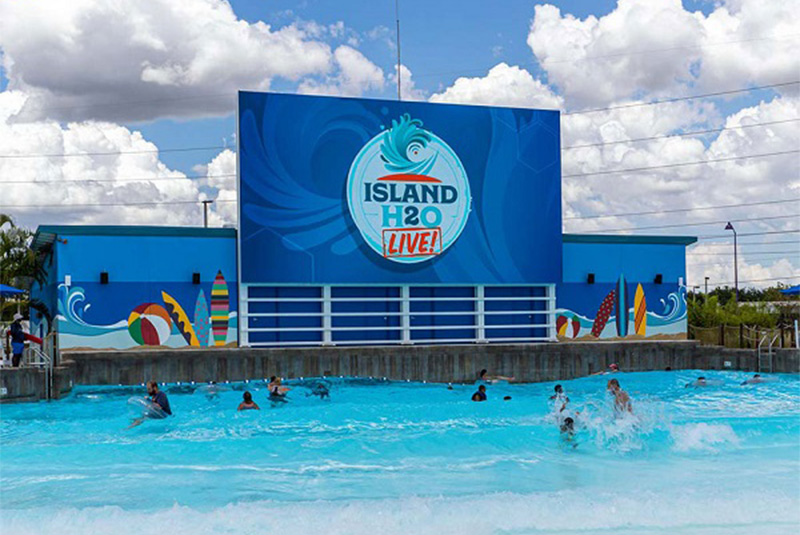
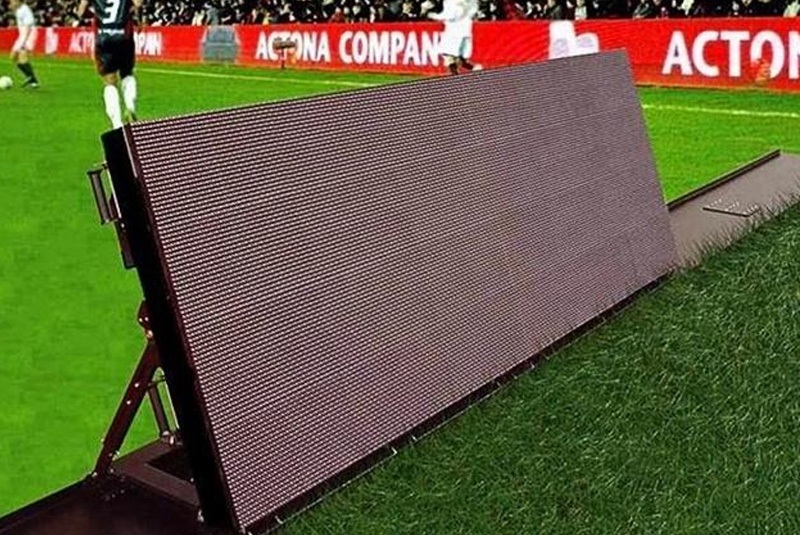
The 2026 FIFA World Cup, hosted jointly by Canada, Mexico, and the United States, ranks as one of the broadest international sporting events planned so far. Forty-eight teams, 104 fixtures, sixteen stadiums, and a projected worldwide audience surpassing five billion place heavy demands on visual delivery systems. LED displays have moved well past simple scorekeeping roles; they serve as core elements for pushing instant replays, sponsor sequences, and interactive overlays that hold spectator attention. This progression aligns with the rising standard at top-tier tournaments for venues that merge on-pitch action with crisp digital layers.   Outdoor perimeter boards along the field need steady high visibility through changing daylight and strong lighting. Indoor fine-pitch units manage control-room feeds and executive zones with exact detail. Rental setups enable fast assembly in fan zones and side events. These uses require steady output, lower energy draw, and smooth matching with broadcast signals. As site work ramps up, priority falls on systems built to handle long run times, adjust to varied weather patterns, and include automatic brightness shifts plus quick modular builds. Why the 2026 FIFA World Cup Represents a Major Opportunity for LED Display Technology The sheer size of the event drives precise technical needs that speed up progress in large-scale visual hardware. Stadiums including MetLife, Estadio Azteca, and similar venues will see crowds in the tens of thousands for each game. Perimeter setups cover thousands of square meters, set to deliver clear views from all seating tiers. Host-city fan zones roll out wide video walls for extra crowds, usually outdoors where heat, dampness, and quick weather turns come into play. Live data overlays count as baseline now. Viewers look for real-time figures—possession splits, player movement maps, shot velocities—shown with no noticeable lag. Broadcast crews pull from several camera sources, so displays need high refresh to avoid flicker in quick-motion clips. Ad content switches cleanly between sponsors while keeping visual steadiness over global feeds. These pressures push toward tough, high-throughput systems rated for weeks of continuous service. Power usage adds its own layer. Big installations pull heavy current, leading operators to aim for cuts that fit wider sustainability plans. Newer LED setups reach this with efficient driver designs and sensors that scale brightness to match surroundings. Setup pace matters just as much. Rental panels have to go up and come down fast to fit back-to-back events in different spots. Fixed arrays focus on extended service life with little upkeep. All these pieces together make the tournament a strong driver for field-tested improvements, where solid performance ties straight to better crowd response and smoother venue runs. Core Technological Trends in LED Displays for the 2026 World Cup Progress in LED display hardware targets several grounded areas that match the stresses of high-level sports. High-Brightness and Weather-Resistant Outdoor Displays Perimeter boards and big outdoor video walls deal with full sun, rain, and wide temperature swings. Brightness from 5000 to 8000 nits keeps images readable in peak light, paired with IP65 or better sealing against dust and water. SMD layouts cut glare from overhead floods, holding even color across wide angles. Seats far back get the same sharp picture as those up close. Standard burn-in runs stretch long enough to spot weak points early. Any short dropout mid-broadcast can ripple through the entire feed, so uptime stays non-negotiable. Fine-Pitch Indoor and Control Room Solutions Control suites and premium areas call for pixel pitches under 1 mm to hit 4K-level sharpness at short range. COB builds place chips straight on the base, forming clean panels with contrast over 5000:1. These handle detailed breakdowns, combined feeds, and graphic layers without visible structure. Power use falls sharply—often 30-50% below prior generations—through tighter circuits and supplies. Front-service design eases fitting in tight spots, cutting install holdups. High Refresh Rates and Low-Latency Performance Quick field action needs refresh at 3840 Hz and above to kill blur and scan lines. Pairing with 5G feeds keeps delay low, syncing venue screens tight with incoming video. That match-up stops the jarring shift from timing mismatches. In open viewing spots, higher rates keep motion clean through fast pans and slow-motion cuts, no matter where people stand. Energy-Efficient and Sustainable Designs Power control takes center stage. Current chips push output with less draw, and adaptive systems drop levels during quiet or low-light moments without hurting visible strength. Cabinets and modules lean more toward recyclable stock. On tournament scale, these traits deliver clear cost drops and line up with green commitments. Modular Rental and Creative Configurations Rental gear uses light aluminum frames that lock together fast. Pitches from P2.6 mm to P4.81 mm hit the sweet spot between detail and distance, suiting stages or pop-up zones. Bendable and curved options open non-standard shapes like wrapping walls or round elements in shared areas. That range fits the spread of setups across host locations. Real-World Applications and Lessons from Past Events Prior World Cups show what LED systems bring in practice. Perimeter arrays and video walls fed replays and sponsor hits in packed houses. City zones used outdoor screens to spread match access, building group watch experiences. Heat control in dry climates and uptime through drawn-out games posed real tests. Backup paths and monitoring steps cut exposure. For 2026, North American sites start with solid AV bases, but refreshes target better resolution and tighter network links. Perimeter content shifts on the fly with game turns, while indoor units open interactive features like crowd votes. Hosting across borders covers everything from humid coasts to inland warmth. Track records from pro leagues and major tours back up that modular builds and field-proven parts shrink timelines and lift reliability. Solutions Offered by Shenzhen Longcheng Photoelectric Technology Co., Ltd.   Shenzhen Longcheng Photoelectric Technology Co., Ltd. builds LED display systems shaped for tough settings, covering sports venues and big gatherings. Stadium LED displays reach 8000 nits brightness with IP65 protection, fitting perimeter work and outside video walls. Rental lines hit refresh rates from 3840 to 7680 Hz using cabinets built for quick setup in temporary roles. Fine-pitch reaches P0.9 mm for clean indoor output in ops and hospitality spots. All units pass 72-hour aging checks for steady performance, backed by CE, ROHS, FCC, and ISO9001 approvals that match international rules. Designs pull in efficient circuits and auto-brightness to trim power in long-run cases. Custom builds handle special layouts, with support geared toward clean tie-ins with broadcast setups. For projects around major events, the drive stays on reliable delivery that boosts engagement and keeps operations tight. Explore our stadium LED displays for detailed specifications and customization options. About Shenzhen Longcheng Photoelectric Technology Co., Ltd. Shenzhen Longcheng Photoelectric Technology Co., Ltd., started in 2013 and based in Shenzhen, China, concentrates on designing and making high-grade LED displays. The range covers small-pitch modules, indoor-outdoor panels, stadium solutions, rental gear, fixed installs, and custom shapes. Shipments cover more than 120 countries and regions, reaching over 900 companies and groups. Production stresses sharp definition, high refresh, energy savings, and build strength, supported by full test runs and round-the-clock tech help. Approvals like CE, ROHS, FCC, ISO9001, and others confirm steady quality and fit for hard-use cases. Conclusion The 2026 FIFA World Cup will put clear distance between current LED display performance and earlier limits. Perimeter setups lock in key plays, fan zone arrays link wider groups, and the full suite shapes reliable, absorbing settings. Gains in brightness hold, refresh speed, power trim, and build flexibility tackle the event’s special pressures. As sites lock in final plans, focus on tough, high-output gear will set results. The tournament marks a line for visuals that clear everyday marks and lay groundwork for later large-scale events. FAQs What LED display brightness is needed for outdoor stadiums during the 2026 World Cup? Outdoor perimeter boards and video walls usually need 5000-8000 nits to stay visible under direct sun or bright floods, keeping images sharp across full seating during day games. How do high refresh rates improve the fan experience at 2026 World Cup events? Refresh rates at 3840 Hz and up remove blur and scan lines in fast sequences, giving clean replays and live flow so crowds follow quick action without visual noise. What makes energy-efficient LED displays suitable for large-scale events like the World Cup? Energy-efficient units use tight chips and auto-brightness to cut draw by 30-50%, handling long schedules while meeting green goals and lowering site expenses. Why choose modular rental LED screens for 2026 World Cup fan zones? Modular rental screens come with fast-lock die-casting cabinets and flexible pitches, allowing rapid rollout at different spots and sizes while pushing high-res visuals to big groups. How does fine-pitch LED technology benefit control rooms in World Cup stadiums? Fine-pitch below 1 mm pixel pitch delivers crisp, gap-free pictures at close range, supporting exact multi-source tracking, tactical layers, and feed control in ops areas.  
P2.5 LED Screen Price Guide 2026 Indoor Buying Tips, Cost Breakdown & TCO Calculator
                                   

P2.5 LED Screen Price Guide 2026: Indoor Buying Tips, Cost Breakdown & TCO Calculator

The fine-pitch indoor LED sector holds steady ground in 2026. Market analyses place overall fine-pitch indoor display value around USD 2.28 billion this year, with P2.1–P2.5 pitches continuing to command a substantial portion of mid-range video wall deployments across commercial, corporate, and institutional projects. Pricing for indoor units generally sits between $650 and $1,300 per square meter, influenced by ongoing refinements in supply chains, driver IC efficiency gains, and broader adoption of energy-conscious components. Quotations still vary widely—sometimes dipping toward $500 per square meter on basic builds, stretching past $1,500 on premium specs. Too many decisions overlook downstream realities: structural accessories, certified installation labor, cumulative electricity draw across five years, spare parts inventory, and periodic calibration or module swaps. Mismatched choices frequently lead to visible moiré patterns under camera, accelerated color drift, or unexpected lamp failures that erode projected returns. This overview moves past isolated price sheets. It lays out methods to derive accurate landed costs for 2026 deployments, pinpoints configuration decisions that matter most, and demonstrates TCO frameworks that separate worthwhile investments from short-term bargains. Core coverage includes P2.5 LED screen price 2026, P2.5 indoor LED cost per sqm, P2.5 buying guide, indoor fine-pitch LED TCO, and related decision points.   2026 P2.5 LED Market Reality & Why It Remains a Smart Choice Fine-pitch indoor applications have consolidated around practical viewing distances. P2.5 delivers crisp performance from roughly 2 to 5 meters—precisely where most conference suites, retail showrooms, hotel reception areas, and worship spaces position audiences. Finer pitches below P2.0 command premiums that rarely justify incremental gains in standard corporate or hospitality settings, while P3 and coarser options start showing pixel structure at closer ranges. Supply-chain stabilization has moderated raw material swings, though upward pressure persists from higher-refresh driver demands and low-power IC adoption. Outdoor P2.5 remains niche; brightness thresholds and IP-rated enclosures push costs considerably higher than indoor equivalents. SMD packages hold the majority share, supplemented by growing use of protective surface treatments and flip-chip architectures that cut dead-pixel incidence and slow luminance decay. Procurement teams increasingly evaluate five-year horizons rather than initial capital outlay alone. Power and service typically dominate 55–65% of lifetime expense on fixed installations running extended hours. Field experience reinforces the logic: one mid-tier conference facility swapped legacy P3 arrays for modern P2.5 panels. Resulting gains included sharper edge definition on presentation content, reduced ambient-light washout, and measured 18–22% drop in annual energy draw from updated driver efficiency. Transitions of this nature explain sustained preference for P2.5 in balanced-performance scenarios. Current P2.5 LED Screen Prices in 2026: Realistic Breakdown Indoor P2.5 quotations cluster into recognizable tiers based on component pedigree and build quality. Entry-level configurations—standard SMD lamps paired with steel cabinets—range $600–$850 per square meter. Mid-tier builds featuring established lamp suppliers, die-cast aluminum framing, and 3840 Hz refresh fall $850–$1,100 per square meter. Top-spec variants—7680 Hz capability, advanced protective layers, high-efficiency drivers, and five-year coverage—push $1,100–$1,400+ per square meter. Individual 320×160 mm modules generally trade $25–$45 depending on lamp binning consistency and encapsulation level. Key cost drivers include lamp brand longevity and uniformity, refresh thresholds that eliminate flicker in broadcast or smartphone-captured footage, cabinet construction affecting weight and seam precision, indoor-optimized brightness (600–1,000 nits to balance visibility and consumption), and control topology (synchronous for centralized feed or asynchronous for networked standalone loops). Five-year TCO modeling exposes differences sharply. Lower upfront tiers often accumulate elevated replacement and technician visits. Mid-range assemblies frequently yield the flattest curve when electricity runs 180–220 W per square meter across typical 10–12 hour daily cycles at commercial rates around $0.14–$0.18 per kWh. Premium builds offset added expense via extended MTBF figures and minimized downtime. P2.5 Buying Guide 2026: Step-by-Step Decision Framework Structured evaluation prevents downstream rework. Step 1: Define Viewing Geometry  Apply the industry benchmark: minimum comfortable distance in meters ≈ pixel pitch × 800–1200. P2.5 therefore suits 2–3 meter minimums effectively, extending comfortably to 5 meters in typical meeting or lobby layouts. Control-room or broadcast-grade needs may dictate sub-P2.0. Step 2: Size and Resolution Mapping Pixel density hits 160,000 per square meter. Derive required area from venue layout and content resolution targets. Native 4K playback demands sufficient physical width—often 8–12 meters—to avoid aggressive scaling artifacts. Step 3: Construct Budget via TCO Lens Core equation: TCO = acquisition cost + [power density (W/sqm) × daily runtime hours × annual operating days × lifespan years × local kWh rate] + projected maintenance allocation. Example: 100 sqm array at 200 W/sqm, 10 hours daily, 300 days yearly, five years, $0.15/kWh yields roughly $9,000–$13,500 in electricity alone before spares or service. Step 4: Lock Down Specification Priorities Target ≥3840 Hz refresh for motion clarity, 16-bit processing depth for gradient smoothness, brightness uniformity exceeding 95% across modules, and front-service access wherever rear clearance proves restrictive. Step 5: Scrutinize Supplier Credentials Move beyond headline pricing. Demand documented field failure statistics, regional service footprint, spare module pricing transparency, and calibration traceability records. Step 6: Execute Rigorous Field Validation Insist on live demonstrations measuring real-world luminance, Delta E color deviation under venue lighting, thermal stability after multi-hour runs, and mechanical seam alignment under load.   Real Project Budget Examples & ROI Cases A 50 sqm corporate boardroom installation using mid-range P2.5 typically lands hardware between $45,000 and $55,000. At 200 W/sqm average draw, five-year electricity approximates $3,500–$4,500 assuming standard commercial tariffs. Maintenance remains contained with quality bin consistency. Aggregated ownership cost positions favorably against coarser or finer alternatives. Retail atrium deployments leverage high-refresh P2.5 to heighten promotional impact. Measured increases in dwell time and conversion lift frequently recover capital within 18–30 months through traffic-driven revenue. Lobby upgrades replacing P3 with P2.5 consistently register stronger brand perception from tighter pixel structure. Concurrent 15–25% power reduction compounds annual savings on extended-operation cycles. Additional context emerges from broader industry patterns. Recent market data indicates fine-pitch shipments growing modestly year-over-year, with P2.1–P2.5 retaining mainstream traction amid rising emphasis on modular, lightweight designs and integrated energy management. Procurement increasingly incorporates adaptive brightness controls that dynamically scale output to ambient conditions, trimming unnecessary consumption during off-peak periods. About Shenzhen Longcheng Photoelectric Technology Co., Ltd. Established in 2013 and headquartered in Bao’an District, Shenzhen, Shenzhen Longcheng Photoelectric Technology Co., Ltd. concentrates on fine-pitch indoor LED solutions tailored for conference environments, auditoriums, education facilities, and similar fixed installations. Manufacturing emphasizes rigorous process control, including 72-hour burn-in validation for stability assurance. The portfolio supports customization across pixel pitches, backed by ROHS, FCC, CE, ISO9001, and additional compliance credentials. Exports reach more than 120 countries and regions, reflecting consistent delivery of durable, high-refresh, energy-aware systems paired with responsive technical partnership. Conclusion P2.5 maintains its standing in 2026 as the pragmatic high-definition indoor choice where budgets require meaningful clarity without disproportionate expenditure. Long-term viability rests on comprehensive TCO assessment rather than isolated purchase pricing. Deliberate specification alignment and supplier vetting secure dependable multi-year operation. Organizations preparing 2026 deployments benefit from applying the outlined calculation methods to internal requirements before engaging specialized manufacturers for current quotations and project-specific engineering. FAQs What is the typical P2.5 LED screen price per sqm for indoor applications in 2026? Indoor P2.5 pricing generally spans $600–$1,400 per square meter in 2026. Entry configurations start near $600–$850, mid-tier builds with reliable components and 3840 Hz refresh range $850–$1,100, and high-spec variants with protective treatments and extended coverage reach $1,100–$1,400+. How do you calculate the full TCO for a P2.5 indoor LED display in 2026? Combine initial hardware and installation expense with projected electricity—using power density (typically 180–220 W/sqm) multiplied by daily hours, operating days, years, and local kWh cost—plus realistic maintenance reserves. This approach surfaces true five-year ownership figures beyond headline quotes. Why does P2.5 remain preferred over P1.8 or P3 for many indoor projects in 2026? P2.5 aligns optimally with 2–5 meter viewing distances prevalent in conference, retail, and lobby settings. Finer pitches add cost without proportional benefit in standard use cases, while P3 risks visible pixelation at closer ranges. Which specifications carry the most weight when selecting a P2.5 LED screen in 2026? Refresh rates of 3840 Hz or higher minimize motion artifacts, 16-bit grayscale supports smooth tonal transitions, high uniformity prevents visible patches, and front-access design simplifies wall-mounted service. How much do energy-efficient features reduce TCO on P2.5 indoor LED displays? Advanced drivers and adaptive controls cut draw by 15–25% versus legacy designs. On extended runtime installations, the difference translates to thousands in electricity savings over five years, shifting overall value decisively toward efficient builds.  
LED Video Wall Technology What You Need to Know in 2026
                                   

LED Video Wall Technology: What You Need to Know in 2026

The LED video wall sector keeps moving forward in 2026. Recent market figures put the global value close to USD 8.1 billion, with indoor fine-pitch installations accounting for a growing slice of deployments in corporate boardrooms, education spaces, control centers, and auditoriums. Fine-pitch LED video wall technology has matured into a practical choice for environments that require sharp, large-format visuals without the frame interruptions common in LCD arrays. Projects still run into familiar hurdles. Pixel pitches keep shrinking, COB packaging spreads faster than expected, and all-in-one units simplify setup for many buyers. Yet decisions often skip over how these changes play out over time—color shift after thousands of hours, power consumption during long daily runs, or service interruptions from mismatched components. The wrong selection shows up quickly as uneven seams, motion blur under cameras, or higher-than-anticipated electricity costs. This overview digs deeper than basic explanations. It walks through current component realities, key 2026 developments, specification priorities that actually matter in the field, and straightforward methods to estimate total cost of ownership. Teams responsible for AV specifications or facility upgrades will find practical guidance tailored to typical indoor fixed installations. What Is an LED Video Wall in 2026? Core Definitions & Evolution An LED video wall assembles multiple LED modules into a continuous display surface. Individual modules pack dense arrays of RGB LEDs that emit light directly, allowing high brightness and true black levels since unlit pixels stay completely dark. LCD video walls rely on backlights and liquid crystals, which create visible bezels even in narrow-bezel designs and limit contrast in bright ambient conditions. LED panels avoid those limitations entirely. By 2026 all-in-one configurations have taken a firm hold in standard indoor projects. These units integrate processing hardware, built-in speakers, and mounting hardware into single large panels, most often sized 135 to 163 inches with the classic 16:9 ratio that matches most source content. Foldable cabinet designs now appear regularly in shipments, reducing transport damage and cutting installation time on site. Field experience shows these changes drop overall project costs noticeably for fixed setups under 200 square meters. Comparison data from recent deployments makes the differences clear. All-in-one walls frequently finish installation 40 to 60 percent faster than traditional modular builds while delivering equivalent or better pixel control across the surface.   How Does LED Video Wall Technology Work? Components Breakdown Content flows from a media player or external processor into the system. The processor handles scaling and signal distribution, sending data via a sending card to receiving cards embedded in each cabinet. LED modules then activate pixels according to the incoming data. Indoor units in 2026 predominantly use SMD or COB packaging. SMD mounts discrete LEDs on the module surface; COB bonds chips directly to the board and applies a protective encapsulation layer that improves viewing angles and reduces dust sensitivity. Driver integrated circuits regulate current to maintain precise brightness and color output. Refresh rates at 3840 Hz and above eliminate visible flicker in video-conference feeds or when captured by smartphones. Power supplies step down input voltage efficiently, keeping average draw in the 180–250 W per square meter range for controlled indoor environments. Adaptive brightness controls, now standard in mid-to-high-tier models, adjust output dynamically to match room lighting, trimming unnecessary consumption during off-peak hours. Controllers also support 8K input pipelines, handling higher data throughput without introducing compression artifacts. Signal-path diagrams illustrate the process clearly: source content enters the media player, gets processed, then distributes synchronously across modules for uniform image refresh. 2026 LED Video Wall Technology Trends You Can’t Ignore COB packaging continues its rapid adoption in the fine-pitch indoor segment. Market share in premium indoor displays sits around 25 to 30 percent, driven by better color uniformity, wider effective viewing angles, and lower risk of single-pixel failures over extended operation. Mini LED implementations, often delivered through COB architecture, dominate shipments in the P0.9 to P1.5 range. Pixel densities above 160,000 per square meter become routine, supporting crisp detail at viewing distances as close as 1.5 meters. All-in-one LED displays solidify their position as the default choice for many corporate and education projects. Standard 135-inch 2K P1.5 models handle most boardroom requirements with minimal on-site configuration. Energy-conscious designs gain ground. Low-power driver ICs combined with dynamic dimming keep consumption noticeably below older generations, a critical factor for facilities operating displays ten hours or more per day. Micro LED and transparent LED variants remain in early commercial stages, primarily for high-end retail or architectural applications where premium pricing is acceptable. Across the board, procurement decisions now weigh five-to-seven-year ownership costs far more heavily than initial capital outlay alone. Industry projections indicate Mini LED video wall shipments could reach USD 2.194 billion by 2029, reflecting continued investment in finer indoor pitches. Key Specifications Checklist for 2026 Purchases Pixel pitch selection starts with viewing distance. Industry guidelines suggest minimum comfortable distance in meters equals pitch multiplied by roughly 800 to 1200. In typical conference rooms with audiences at 2 to 5 meters, P1.5 to P2.5 strikes the right balance between sharpness and cost. Refresh rate directly affects motion clarity. Rates of 3840 Hz or higher prevent artifacts during dynamic content or camera recording. Sixteen-bit grayscale depth or better handles subtle gradients in charts, logos, and video smoothly. Brightness uniformity exceeding 95 percent across the entire surface eliminates visible patches or hot spots. Indoor brightness levels of 600 to 1,000 nits prove sufficient under most controlled lighting. Front-access maintenance becomes non-negotiable for wall-mounted installations where rear clearance does not exist. COB packaging adds mechanical durability through better impact resistance. Practical configurations for 2026 include P1.5 to P2.5 COB or all-in-one units for standard meeting spaces, prioritizing high refresh and efficient drivers. Larger auditoriums often settle on P2.0 to P2.5 to cover greater areas economically while maintaining detail. Reference tables simplify the choice: P1.2 works reliably from 1.5 to 4 meters, P1.8 covers 2 to 6 meters with comfortable margin. LED Video Wall TCO Calculator & Real Cost Breakdown in 2026 Ownership costs extend well beyond the invoice for panels. The practical equation combines acquisition and installation expenses with ongoing items: TCO equals initial outlay plus power consumption over time plus maintenance reserves plus spare-part provisioning. For a representative 100 square meter indoor fine-pitch installation running at 200 W per square meter, ten hours daily, three hundred days per year, over five years, and a commercial electricity rate of $0.15 per kWh, electricity expenses alone fall in the $9,000 to $13,000 range. Service and spares typically add another 5 to 8 percent of hardware value annually for quality builds. Indoor fine-pitch pricing in 2026 generally sits between $800 and $2,500 per square meter, varying by pitch, packaging technology, and feature set. All-in-one configurations often produce lower overall TCO through reduced labor hours and integrated control systems. Side-by-side modeling shows all-in-one approaches undercutting traditional modular builds by 15 to 25 percent over five years in many documented cases. Apply the same calculation framework to specific project parameters—runtime, local utility rates, anticipated service intervals—for accurate forecasting. Indoor vs Outdoor: Which LED Video Wall Technology Fits Your Needs? Indoor installations focus on fine pitch, moderate brightness, and low power draw. Conference rooms, classrooms, and auditoriums perform best with P1.2 to P2.5 pitches at 600 to 1,000 nits and refresh rates that support clear video conferencing. Outdoor deployments demand significantly higher brightness levels (5,000 nits and above), full IP65 or greater protection, and reinforced cabinets built to withstand wind, rain, and temperature swings. Pixel pitches start coarser, typically P4 to P10, to accommodate longer viewing distances. The decision path remains straightforward: evaluate the environment first. Controlled indoor spaces reward fine-pitch technology with superior detail and lower running costs. Exposed locations require purpose-built outdoor-rated systems. Real-World Applications & Case Examples in 2026 Boardrooms increasingly standardize on P1.5 to P2.5 all-in-one walls for hybrid collaboration. Wide viewing angles and high grayscale improve legibility of shared documents and video feeds from multiple participants. Education venues deploy comparable pitches in lecture halls and auditoriums. Uniform brightness ensures front-row clarity for detailed slides and back-row visibility for overall content. Control centers depend on high-refresh seamless arrays to monitor live feeds without perceptible lag or flicker. Long-term reliability reduces unplanned downtime during critical operations. Field upgrades provide concrete insight. One mid-sized auditorium replaced an aging system with P2.0 COB panels, recording noticeably sharper text and graphics alongside an approximate 20 percent reduction in annual electricity consumption. How to Choose & Buy LED Video Wall in 2026: Step-by-Step Guide Start with physical measurements: determine room dimensions, calculate required display area for desired resolution, and apply pitch-to-distance guidelines. Build a preliminary budget using TCO estimates that include hardware, installation, projected power, and service over the planned lifespan. Rank specifications by priority: refresh rate, grayscale depth, uniformity, front maintenance access. Evaluate suppliers carefully: request documented field failure rates, regional support availability, warranty scope, and transparent pricing for replacement modules. Conduct on-site validation: measure actual brightness, color deviation, seam alignment, and thermal stability during extended operation. Engage qualified manufacturers once requirements solidify for precise proposals and engineering support.   About Shenzhen Longcheng Photoelectric Technology Co., Ltd. Established in 2013 and located in Bao’an District, Shenzhen, Shenzhen Longcheng Photoelectric Technology Co., Ltd. concentrates on high-quality LED display manufacturing with particular focus on small pixel pitch modules and indoor applications. The company supplies conference rooms, auditoriums, education facilities, and comparable venues through customizable solutions that emphasize high definition, elevated refresh rates, energy-efficient operation, and consistent long-term performance. Every display undergoes rigorous 72-hour aging validation prior to shipment. Compliance certifications cover ROHS, FCC, CE, ISO9001, and additional standards. Products reach more than 120 countries and regions, backed by dedicated technical support and a track record of reliable delivery. Conclusion LED video wall technology in 2026 delivers proven value for professional indoor environments when specifications align closely with actual operating conditions. Fine-pitch indoor solutions stand out for their combination of visual clarity, energy efficiency, and durability over extended service life. Thorough evaluation of total ownership costs, careful configuration matching, and selection of experienced partners remain the decisive factors. Facilities planning deployments benefit from applying the outlined methods to define requirements precisely before contacting manufacturers for up-to-date 2026 proposals and project-specific guidance. FAQs What is LED video wall technology in 2026?  LED video wall technology in 2026 focuses on modular and all-in-one indoor displays using fine pitches from P0.9 to P2.5, COB or SMD packaging, high refresh rates, and low-power drivers to produce seamless, high-contrast images suited to conference, education, and control-room environments. How does LED video wall differ from LCD in 2026? LED video walls eliminate bezels entirely, achieve higher brightness and contrast through direct emission, and maintain uniform performance across large surfaces, outperforming LCD in most indoor fixed large-format applications. What pixel pitch should I choose for conference room LED video wall? Conference rooms with typical 2–5 meter viewing distances perform best with P1.5 to P2.5 pixel pitch; P1.2 becomes preferable for closer setups requiring maximum resolution clarity. How to calculate TCO for LED video wall in 2026? TCO combines initial hardware and installation costs with electricity usage (calculated as W/sqm × daily hours × annual days × years × local kWh rate), plus projected maintenance and spare-part expenses over the expected service period. Is all-in-one LED display better than traditional in 2026? All-in-one LED displays frequently show lower five-year TCO through quicker installation, integrated processing, and simplified logistics, making them a strong choice for standard indoor fixed installations such as boardrooms and classrooms.  
Why COB LED Screens Are Better for Indoor Advertising in 2026 ROI-Focused Guide for Retail & Malls
                                   

Why COB LED Screens Are Better for Indoor Advertising in 2026: ROI-Focused Guide for Retail & Malls

Why COB LED screens are better for indoor advertising stands out as a key question for retailers, mall operators, and brand managers navigating 2026’s digital signage landscape. The fine-pitch indoor LED display market reached around $2.28 billion this year, with COB packaging now integrated into roughly 57% of high-end systems according to recent industry analyses. This shift reflects real-world demands in shopping centers, luxury flagship stores, and high-traffic lobbies where close viewing distances demand flawless visuals without visible pixel structure or distracting seams. Traditional approaches often fall short in these environments. Screens installed a few years back frequently show graininess up close, uneven color across panels, or unexpected downtime from impacts in crowded areas. Energy costs creep up over time in 24/7 operations, and maintenance interrupts prime advertising windows. COB technology addresses these issues head-on by mounting LED chips directly onto the board and encapsulating them in a protective layer. The result is a surface light source that delivers consistent, high-contrast imagery suited to dynamic retail content. This guide examines the specific reasons COB outperforms alternatives in indoor advertising contexts. Drawing from patterns in recent mall and retail deployments, it highlights measurable benefits in visual impact, operational reliability, and long-term economics. Retail decision-makers who align selections with these factors typically see stronger brand presentation and better returns on their digital investments. 2026 Indoor Advertising Trends Driving COB Adoption Installations completed in shopping malls and retail chains over the past couple of years reveal clear directional changes that favor COB in 2026. Close-proximity viewing has become the norm in premium retail spaces. Customers in flagship stores or department mall corridors often stand within 1 to 3 meters of displays. Traditional surface-mounted approaches struggle here with perceptible pixel gaps that break immersion and make luxury product imagery look less refined. COB supports pixel pitches down to P0.9 mm or finer, creating seamless surfaces where details in jewelry, cosmetics, or apparel pop without grain. High-traffic durability matters more than ever. Busy mall intersections, elevator banks, and promotional zones expose screens to accidental bumps, dust accumulation, and occasional cleaning mishaps. Encapsulated COB designs provide inherent protection—often achieving IP levels that resist these elements far better than exposed lamp configurations. Field replacements drop significantly, keeping advertising uptime high during peak seasons. Energy considerations weigh heavier under rising utility rates and sustainability reporting requirements. Shopping centers run displays extended hours, and power draw directly affects operating margins. COB structures improve thermal paths, reducing consumption by 30 to 50% in comparable brightness setups. Automatic ambient light adjustment, now common in new deployments, further trims usage when natural or store lighting varies. Contrast and black levels directly influence perceived brand quality. Luxury retailers need deep blacks to make products stand out against dark backgrounds—think watches on velvet or cosmetics in dramatic lighting. COB achieves ratios exceeding 5000:1 in many cases, delivering punchier visuals that hold attention longer and support higher engagement metrics. Rapid deployment and minimal disruption appeal to mall management. Renovations or seasonal campaigns often require quick turnarounds with limited store closures. COB modules, particularly those with front-access magnetic designs, install and service faster, reducing labor and downtime costs in live retail environments. These observations come from actual rollouts: a multi-level mall upgrading atrium displays, a luxury brand refreshing window promotions, or a supermarket chain enhancing aisle-end signage. Each case underscores COB’s alignment with 2026’s priorities in indoor advertising. Why COB Wins for Indoor Advertising: 8 Core Advantages COB technology brings distinct strengths to mall and retail advertising scenarios. Ultra-Fine Pixel Pitch Enables Close-Up Engagement Pixel pitches below P1.5 mm become practical with COB, eliminating visible dots even at arm’s length. In luxury boutiques or cosmetics counters where shoppers examine details, this seamless quality enhances perceived value. Retailers report longer dwell times and stronger product focus when switching from coarser pitches. Superior Contrast and Deep Blacks Make Products Stand Out The uniform surface and high contrast ratios create vivid imagery with true blacks. Dark-background ads for fashion or electronics gain dramatic impact, drawing eyes in brightly lit mall settings. Brands note improved visual hierarchy—key messages and calls-to-action read clearly without washout. Exceptional Durability and Impact Resistance in High-Traffic Zones The protective encapsulation shields against bumps from carts, bags, or crowds. In elevator lobbies or narrow corridors, failure rates drop compared to exposed alternatives. Maintenance teams see fewer emergency calls, preserving advertising continuity during holidays or sales events. Energy Efficiency Delivers Measurable TCO Savings Lower power draw stems from efficient heat distribution and optional auto-dimming. A typical mall installation running 16 hours daily can realize substantial reductions over five years. Operators calculate these savings against electricity tariffs and factor them into ROI projections for digital campaigns. Uniformity and Seamless Multi-Panel Branding No grid lines or bezels disrupt large-format compositions. Curved or video-wall setups in atriums maintain consistent color and brightness across sections. This cohesion strengthens brand storytelling in multi-screen promotions. Wide Viewing Angles Ensure Consistent Experience Viewers in walkways or escalators see balanced colors from off-center positions. Glare control keeps images readable under varied store lighting, supporting broader audience reach in open mall layouts. Faster Installation and Front Maintenance Minimize Downtime Magnetic modules allow single-person swaps from the front. Mall retrofits complete in shorter windows, avoiding extended closures. Service access without rear clearance suits recessed or wall-integrated placements common in retail. Effective Heat Management Supports Continuous Operation Stable temperatures extend lifespan in enclosed mall environments. Displays handle 24/7 schedules with less thermal stress, reducing color shift over time and maintaining ad quality through long campaigns. Real-World Retail Case Studies: COB ROI in Action Consider a mid-tier shopping center that replaced aging displays in main corridors. Post-upgrade with fine-pitch COB, footfall analytics showed 25–35% longer average viewing durations on promotional content. Guest conversion rates for featured promotions rose noticeably, with staff attributing gains to clearer, more immersive visuals that encouraged closer inspection. A luxury brand flagship in a high-end mall adopted COB for window and interior walls. The deep blacks and uniform surface elevated product photography, aligning with brand aesthetics. Sales associates reported increased inquiries on highlighted items, linking the change to better visual appeal that mirrored online catalog quality. In a supermarket chain’s fresh-produce section, COB screens updated daily specials. Energy monitoring indicated lower monthly bills despite extended run times. Reduced service interventions kept content fresh without interruptions, supporting consistent promotional messaging. These examples illustrate tangible returns: extended engagement, stronger sales lift, and controlled costs. How to Choose and Deploy COB LED for Indoor Advertising in 2026 Start by mapping viewer distances in your space. Corridors under 3 meters favor P1.2 mm or finer; broader areas can use P1.5–P1.9 mm for balanced cost and clarity. Calculate total cost of ownership early: add initial investment to projected energy use (watts per square meter times hours times local rates) plus anticipated service over five years. COB options often show advantages here. Request on-site demos to verify contrast, uniformity, and impact resistance. Compare side-by-side with existing setups under actual store lighting. Confirm front-maintenance capability and local support response times—critical for minimizing ad downtime. Avoid decisions based solely on lowest quote. Verify real brightness output, protective ratings, and calibration stability. Factor in scalability for future expansions or content upgrades. About Us Shenzhen Longcheng Photoelectric Technology Co., Ltd., founded in 2013 and located in Shenzhen’s Bao’an District, concentrates on designing and manufacturing reliable LED display systems. The company offers indoor and outdoor solutions, including fine-pitch options suited to professional environments like retail spaces and advertising applications. Products undergo rigorous 72-hour testing, hold certifications including ISO9001, CE, ROHS, and FCC, and reach clients in over 120 countries through a network serving more than 900 organizations. Longcheng prioritizes stable performance, energy-conscious designs, and customization to meet diverse project needs. Conclusion Indoor advertising in 2026 rewards displays that combine sharp close-up clarity, robust durability, and efficient operation. COB LED screens address core challenges in malls and retail settings—grainy visuals up close, frequent repairs in busy zones, rising energy demands, and the need for premium brand presentation. By focusing on total ownership economics, proven field performance, and alignment with viewer behavior, procurement teams position their campaigns for stronger impact and sustained returns. Matching technology to specific space constraints, traffic patterns, and content goals yields signage that works reliably day after day. FAQs Why choose COB LED screens over traditional options for mall indoor advertising in 2026? COB provides seamless fine-pitch visuals at close distances common in malls, along with better impact resistance and lower long-term energy use. These factors reduce visible flaws, minimize downtime, and support higher engagement in high-traffic retail environments. How does COB LED improve contrast for retail product advertising? The uniform surface and high contrast ratios create deeper blacks and vibrant highlights. Products against dark backgrounds stand out more effectively in store lighting, helping draw attention to promotions and enhancing perceived quality. What makes COB LED screens more durable for busy shopping center displays? Direct chip mounting with protective encapsulation resists bumps, dust, and moisture better than exposed alternatives. In crowded mall areas, this cuts failure rates and keeps advertising running without frequent interventions. Is COB LED worth the investment for indoor advertising ROI in 2026? When factoring energy savings, reduced maintenance, and improved viewer dwell time leading to higher conversions, COB often delivers stronger returns over five years compared to setups prone to higher operating costs and interruptions. How do I select the right pixel pitch for COB LED in retail mall advertising? Measure primary viewing distances: under 3 meters calls for P1.2 mm or finer to avoid pixel visibility; 3–6 meters allows P1.5 mm for cost-effective clarity. Test under actual store conditions to confirm the balance.  
10 Essential Tips for Choosing the Best Indoor LED Display Screen in 2026 (Fine-Pitch, COB & All-in-One Focus)
                                   

10 Essential Tips for Choosing the Best Indoor LED Display Screen in 2026 (Fine-Pitch, COB & All-in-One Focus)

The indoor LED display market in 2026 continues to evolve at a measured but decisive pace. Industry data indicates the global LED display sector approaches approximately $9.86 billion this year, while the fine-pitch indoor segment demonstrates more robust momentum, registering compound annual growth rates in the 5.5–6.8% range through the end of the decade. Screens with pixel pitches below 2.5 mm—and increasingly below 1.5 mm—now dominate specifications for corporate boardrooms, network operations centers, high-end retail environments, and worship facilities where viewing distances are typically short and image fidelity is non-negotiable.   Procurement decisions frequently reveal recurring challenges. Installations completed in the past two to three years often reveal elevated energy consumption, unexpectedly high maintenance requirements, or performance limitations when handling contemporary 4K and 8K content streams. Observations gathered from numerous recent deployments across control rooms operating continuously, retail chains refreshing digital signage, and hybrid meeting spaces highlight these issues with consistency. The following guidance distills patterns observed in field projects and reflects current technological realities. Emphasis rests on factors that materially influence long-term performance and economics: total cost of ownership, adoption of COB packaging, the rise of all-in-one architectures, and intelligent power management. Application of these considerations typically results in systems that deliver sustained visual quality while containing operational expenditure. 2026 Indoor LED Market Trends Observed in Field Projects Deployments executed during 2024–2025 reveal several structural shifts that define specifications in 2026. COB (Chip-on-Board) technology has transitioned from specialized applications to the prevailing choice in fine-pitch indoor installations. In projects requiring pixel pitches below P1.5 mm, COB now constitutes the majority of new high-specification systems. Direct bonding of LED chips to the substrate eliminates individual packaging vulnerabilities, yields superior contrast ratios, and produces uniform black levels essential in environments demanding accurate shadow detail. All-in-one integrated cabinets have experienced accelerated adoption. These factory-assembled units, commonly sized between 135 and 163 inches with native 16:9 aspect ratios, reduce on-site integration time substantially. Corporate, educational, and retail projects frequently complete installation within a single workday, bypassing the complexity of separate sending cards, processors, and cabling runs. Market indicators place annual growth in this category near 42%. Energy efficiency has become a primary evaluation criterion. Rising utility costs combined with tightening environmental standards drive specification of architectures that reduce power draw. COB and flip-chip designs routinely achieve 30–50% lower consumption compared with equivalent older SMD configurations at comparable brightness levels. Ambient light sensors enabling automatic brightness adjustment appear in the majority of recent enterprise-grade installations, delivering measurable reductions in energy use during periods of lower ambient illumination. Minimum performance thresholds for refresh rate and grayscale have solidified. Systems operating below 7680 Hz refresh frequently exhibit visible artifacts during rapid motion sequences or under camera capture—conditions increasingly common in extended-reality previews, live-streamed events displayed indoors, and continuous monitoring applications. Sixteen-bit or higher grayscale processing remains necessary to maintain smooth tonal transitions without contouring, particularly in medical visualization, broadcast reference monitoring, and premium retail presentations. Front-service magnetic module designs and networked intelligence features have become expected capabilities. Installations involving recessed or wall-integrated mounting now mandate full front access to facilitate module replacement without structural disassembly. Connectivity supporting integration with environmental sensors, automated content triggering, and centralized remote management appears routinely in specifications for intelligent building projects. These field-derived observations inform the structured recommendations that follow. 10 Essential Tips for Choosing the Best Indoor LED Display Screen Tip 1: Prioritize Total Cost of Ownership Over Initial Purchase Price Specifications determined solely by upfront quotation frequently lead to suboptimal outcomes. Across operational lifecycles of five years or more, energy consumption combined with maintenance and service interventions typically represents 60–65% of total expenditure. Configurations employing older SMD architectures often generate higher cumulative costs due to elevated power requirements and more frequent module-level repairs. A straightforward calculation provides clarity: multiply average power consumption per square meter by projected daily operating hours, apply the local electricity tariff, extend across the intended service period, and incorporate anticipated service frequency. Systems incorporating low-power COB designs consistently demonstrate 30–50% reductions in the energy component of this equation. Accounting for opportunity costs associated with downtime further amplifies the advantage of higher-efficiency selections, with payback periods commonly falling between 18 and 36 months. Tip 2: Specify COB or MicroLED Architectures for Fine-Pitch Applications Traditional SMD packaging, while historically reliable at coarser pitches, exhibits limitations when pixel spacing narrows below P2.0 mm. Batch-to-batch color consistency degrades, mechanical vulnerability increases, and contrast performance suffers in lower ambient light conditions. Deployments from recent years indicate COB has become the standard in applications requiring high reliability and visual precision.   MicroLED variants extend these advantages toward pitches of P0.9 mm and finer, offering extended operational life and improved thermal characteristics. For viewing distances below three meters, pixel pitches of P1.0 mm or tighter using COB deliver appropriate resolution without excessive cost. Distances between three and eight meters align well with P1.2–P1.5 mm COB or MiniLED-hybrid configurations. Tip 3: Default to All-in-One Integrated Cabinets for Standard Indoor Deployments The complexity inherent in assembling discrete cabinets, external processors, and supporting infrastructure has diminished the appeal of traditional video-wall builds in many scenarios. All-in-one units arrive pre-calibrated, incorporate integrated media players (frequently Android-based), support wireless presentation protocols, and offer optional touch interactivity. Recent corporate rollouts and retail implementations report installation durations reduced from days to hours. Specifications should verify native 16:9 aspect ratios, full 4K signal compatibility, and efficient content-update pathways. Tip 4: Apply the Pixel Pitch × 800–1000 Guideline for Viewing Distance Alignment Empirical rules remain effective for rapid specification. The current industry benchmark multiplies pixel pitch (expressed in millimeters) by a factor of 800–1000 to approximate the minimum comfortable viewing distance in meters. A P1.2 mm display therefore supports viewing from approximately 0.96–1.2 meters before pixel structure becomes perceptible. Conference environments with typical seating distances of 2–5 meters align effectively with P1.5–P1.9 mm pitches. Applications requiring closer inspection, such as retail display cases or detailed monitoring, necessitate P0.9–P1.2 mm COB solutions. Tip 5: Target 600–800 cd/m² Brightness with Automatic Ambient Compensation Excessive brightness specification for indoor environments results in unnecessary power consumption and viewer discomfort. Contemporary deployments standardize in the 600–800 nit range under typical office, retail, and auditorium lighting conditions. Incorporation of integrated ambient light sensors that dynamically modulate output has become prevalent, achieving energy reductions of up to 40% during periods of reduced illumination. On-site verification using portable lux measurement devices frequently reveals discrepancies between manufacturer claims and actual delivered performance. Tip 6: Require Minimum 7680 Hz Refresh and 16-Bit Grayscale Processing Content streams incorporating high-frame-rate video, rapid graphical transitions, or camera-sourced material expose limitations in lower refresh-rate systems. Artifacts including moiré patterns and temporal flicker emerge under these conditions. Current specifications for demanding applications mandate refresh rates of 7680 Hz or higher paired with 16-bit grayscale depth to preserve gradient integrity across skin tones, shadows, and subtle color shifts. Tip 7: Mandate Full Front-Service Access with Magnetic Module Retention Installations incorporating recessed mounting or architectural integration render rear access impractical. Industry practice in 2026 strongly favors designs permitting 100% front maintenance. Magnetic modules that detach and reattach rapidly—ideally tool-free and manageable by a single technician—substantially reduce service-related downtime and associated costs, often by 60–70% over the system lifecycle. Tip 8: Incorporate Networked Intelligence and Sensor Compatibility Standalone display functionality increasingly limits utility in connected environments. Specifications now routinely require integration with building management systems, environmental sensors, and centralized control platforms. This capability enables automated content adaptation based on real-time inputs and supports remote diagnostics and firmware management across distributed installations. Tip 9: Assess Genuine Five-Year Warranty Coverage and Service Infrastructure Extended warranty periods occasionally appear in marketing materials, yet practical support capability determines actual reliability. Evaluation should focus on parts availability, documented response times, and presence of regional service infrastructure. In competitive market conditions, suppliers maintaining local inventory and rapid-response protocols demonstrate materially lower risk of extended outages. Tip 10: Conduct Objective Scoring Across Weighted Criteria Structured comparison mitigates bias toward lowest initial cost. A balanced evaluation framework allocates approximately 30% to core technical performance (pixel pitch, refresh rate, uniformity metrics), 25% to projected five-year total cost of ownership, 20% to warranty and service provisions, and 25% to alignment with prevailing 2026 technological directions (COB adoption, all-in-one architecture, energy efficiency features). Application of this methodology across vendor quotations consistently identifies options offering superior long-term value. About Shenzhen Longcheng Photoelectric Technology Co., Ltd. Shenzhen Longcheng Photoelectric Technology Co., Ltd., founded in 2013 and headquartered in Bao’an District, Shenzhen, specializes in the research, development, and production of LED display systems. The company maintains a comprehensive portfolio encompassing fine-pitch fixed-installation and rental solutions tailored for conference facilities, auditoriums, command centers, retail applications, and additional professional environments. Manufacturing processes adhere to ISO9001 standards, with products certified under CE, ROHS, FCC, and related international requirements. Systems have been deployed across more than 120 countries and regions, supporting a client base exceeding 900 organizations through established distribution and service channels. About Us Conclusion Specification of indoor LED displays in 2026 demands attention to factors that extend beyond initial visual impact. Systems incorporating COB packaging, integrated all-in-one designs, adaptive power management, and intelligent connectivity consistently demonstrate advantages in operational reliability, energy consumption, and maintenance simplicity. Thorough assessment of total ownership economics, adherence to contemporary performance thresholds, and objective comparison of available options position procurement decisions for sustained performance rather than short-term appeal. Mapping project-specific requirements—spatial constraints, content characteristics, usage patterns, and budgetary parameters—against these established criteria yields solutions that deliver consistent image quality and controlled lifecycle costs. FAQs What pixel pitch is most appropriate for a conference room indoor LED display in 2026? Conference room viewing distances typically range from 2 to 5 meters. Pixel pitches between P1.5 mm and P1.9 mm provide adequate resolution while maintaining reasonable economics. Closer seating arrangements (1–2 meters) benefit from P1.2 mm or finer COB-based systems to eliminate perceptible pixel structure. Why has COB packaging become preferred over traditional SMD in fine-pitch indoor LED displays? COB architecture bonds LED chips directly to the substrate, resulting in improved contrast performance, reduced susceptibility to mechanical damage, and enhanced uniformity. Recent deployments in control rooms, broadcast facilities, and retail environments demonstrate that COB maintains superior black levels and color consistency over extended operational periods compared with SMD at equivalent fine pitches. How critical is refresh rate when specifying an indoor LED display in 2026? Refresh rate remains a decisive factor for applications involving video content, dynamic graphics, or camera capture. Systems operating at 7680 Hz or higher prevent visible flicker and moiré effects during rapid motion, conditions frequently encountered in hybrid meeting environments, extended-reality demonstrations, and continuous surveillance monitoring. When should an all-in-one indoor LED display be selected instead of a traditional video wall configuration? All-in-one solutions suit the majority of corporate, retail, and educational deployments up to approximately 200 inches. These units offer simplified installation, integrated processing, and reduced cabling requirements. Custom video wall assemblies remain appropriate primarily for non-standard aspect ratios or significantly larger-scale applications where configurability outweighs deployment efficiency. What brightness range is optimal for indoor LED displays under 2026 conditions? Brightness levels of 600–800 cd/m² accommodate typical indoor lighting scenarios in offices, retail spaces, and auditoriums without producing glare or excessive power draw. Integration of automatic ambient light compensation further reduces energy consumption during periods of lower illumination, a feature now standard in most professional-grade installations.  
BLOG3
                                   

High brightness, low power consumption: Longcheng Optoelectronics creates outdoor energy-saving LED display screens

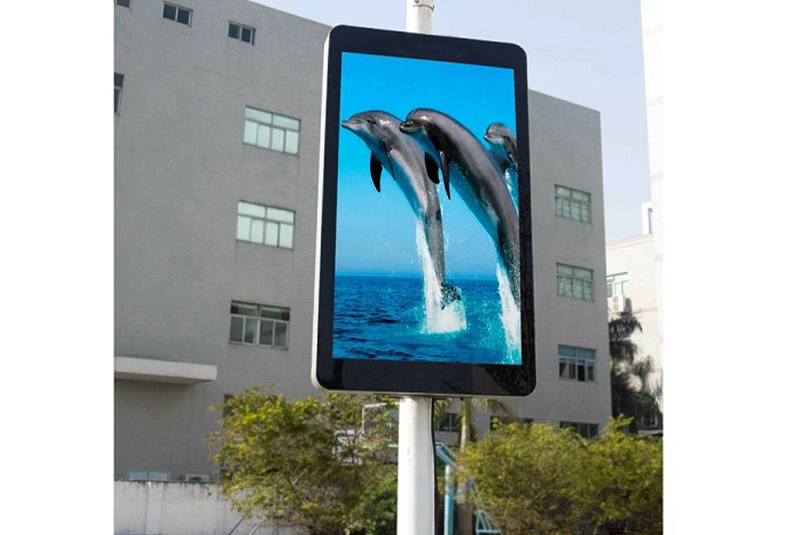
High brightness, low power consumption: Longcheng Optoelectronics creates outdoor energy-saving LED display screens In the digital age, outdoor LED displays are an important part of urban lighting. Whether for commercial advertisements or public information dissemination, their application scenarios are very extensive. However, with the enhancement of environmental awareness and the increase in energy costs, how to achieve high brightness display effects while reducing power consumption has become a focus of concern for both LED display manufacturers and users. This article will deeply explore the technical paths for outdoor LED displays to achieve high brightness and low power consumption simultaneously, providing sustainable solutions for the industry. Traditional outdoor LED displays often encounter high energy consumption issues when aiming for high brightness display. A medium-sized full-color LED display (about 50 square meters) consumes up to 30-50 kW of power at normal brightness, which is equivalent to the power consumption of dozens of household air conditioners operating simultaneously. This high energy consumption not only increases operating costs but also brings about significant environmental burdens.Brightness and power consumption are often positively correlated in traditional LED technology. To remain clearly visible under direct sunlight, outdoor LED displays typically need to reach a brightness level of 5000-8000 cd/m², which directly leads to a significant increase in energy consumption. How to find a balance between the two becomes the key to technological breakthroughs. Select high-efficiency LED chips The energy consumption of outdoor full-color displays mainly comes from LED chips. Choosing high-efficiency LED chips is the key to reducing the energy consumption of the display. Currently, there are mainly two types of LED chips on the market: traditional SIC LEDs and SMD LEDs. Compared with each other, SMD LEDs have higher brightness, lower power consumption, and better stability. Therefore, when designing outdoor full-color displays, SMD LEDs should be preferred. Optimize the driving circuit The driving circuit of outdoor full-color displays also has a significant impact on energy consumption. Optimizing the driving circuit can improve the efficiency of LED chips and reduce power consumption. Specific methods include: using high-efficiency driving ICs to reduce circuit losses; using dynamic scanning technology to improve display effect and reduce energy consumption. Improve optical design level The optical design of outdoor full-color displays has an important impact on energy consumption and display effect. By optimizing the optical design, the utilization rate of LED chips can be improved and the power consumption of the display can be reduced. Specific methods include: optimizing optical lenses to improve light efficiency; using reflective design to reduce light loss. Intelligent control system The intelligent control system of outdoor full-color displays can automatically adjust the brightness of the display based on monitoring of environmental light, temperature, etc., achieving the purpose of energy saving. The intelligent control system can also realize remote control, facilitating energy management by managers. Use energy-saving materials In the production process of outdoor full-color displays, using energy-saving materials is also an important means to reduce energy consumption. For example, using low-power LED chips, high-efficiency driving ICs, and high-quality optical lenses, etc. The energy-saving technology for outdoor full-color displays requires us to start from every aspect and meticulously refine it in order to be achieved. This is similar to energy conservation and emission reduction in our daily lives, where we need to start from every detail in order to reach our overall goals. Therefore, when we are doing it, we must pay attention to the details and cannot ignore any single aspect. This is a long-term task that requires our continuous efforts to be accomplished.
Home
WhatsApp
Email
Contacts