
Nullam dignissim, ante scelerisque the is euismod fermentum odio sem semper the is erat, a feugiat leo urna eget eros. Duis Aenean a imperdiet risus.
Nullam dignissim, ante scelerisque the is euismod fermentum odio sem semper the is erat, a feugiat leo urna eget eros. Duis Aenean a imperdiet risus.
 author
An LED dance floor has a different failure profile from a wall-mounted display: people stand, walk, turn, and dance directly on its surface. The buyer must evaluate the finished walking surface and its supporting installation, not only LED brightness or video quality. A floor that looks flawless in a showroom may behave differently when several guests gather near one tile edge, a drink spills, or a rental crew assembles it on an uneven venue floor. The procurement goal is a documented, repeatable acceptance procedure for the intended event conditions.
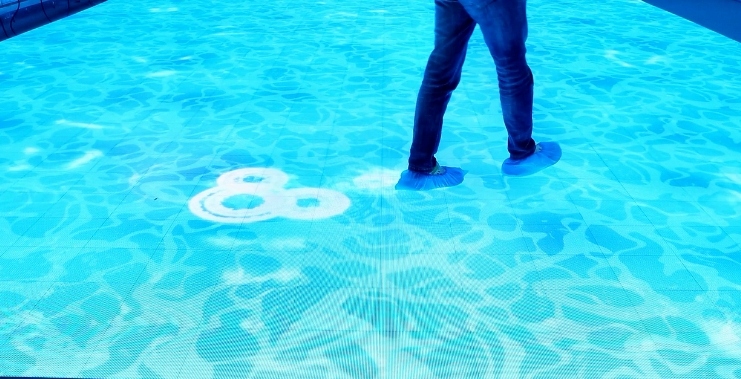
A single headline load figure is insufficient unless the test method is known. A floor panel may respond differently to evenly distributed weight, a concentrated heel, a small wheel, or repeated jumping. Buyers need the tested assembly configuration and the limits for the complete installed system.
Request a manufacturer test report identifying specimen dimensions, surface plate, support frame, test loads, load locations, duration, and acceptance criteria. Ask whether tests covered both the tile center and edges, including the connector area. The installation drawing should show how loads pass through the top plate into the base rather than into cables or electronics. Do not treat a marketing description such as “high load-bearing” as an independent safety certification.
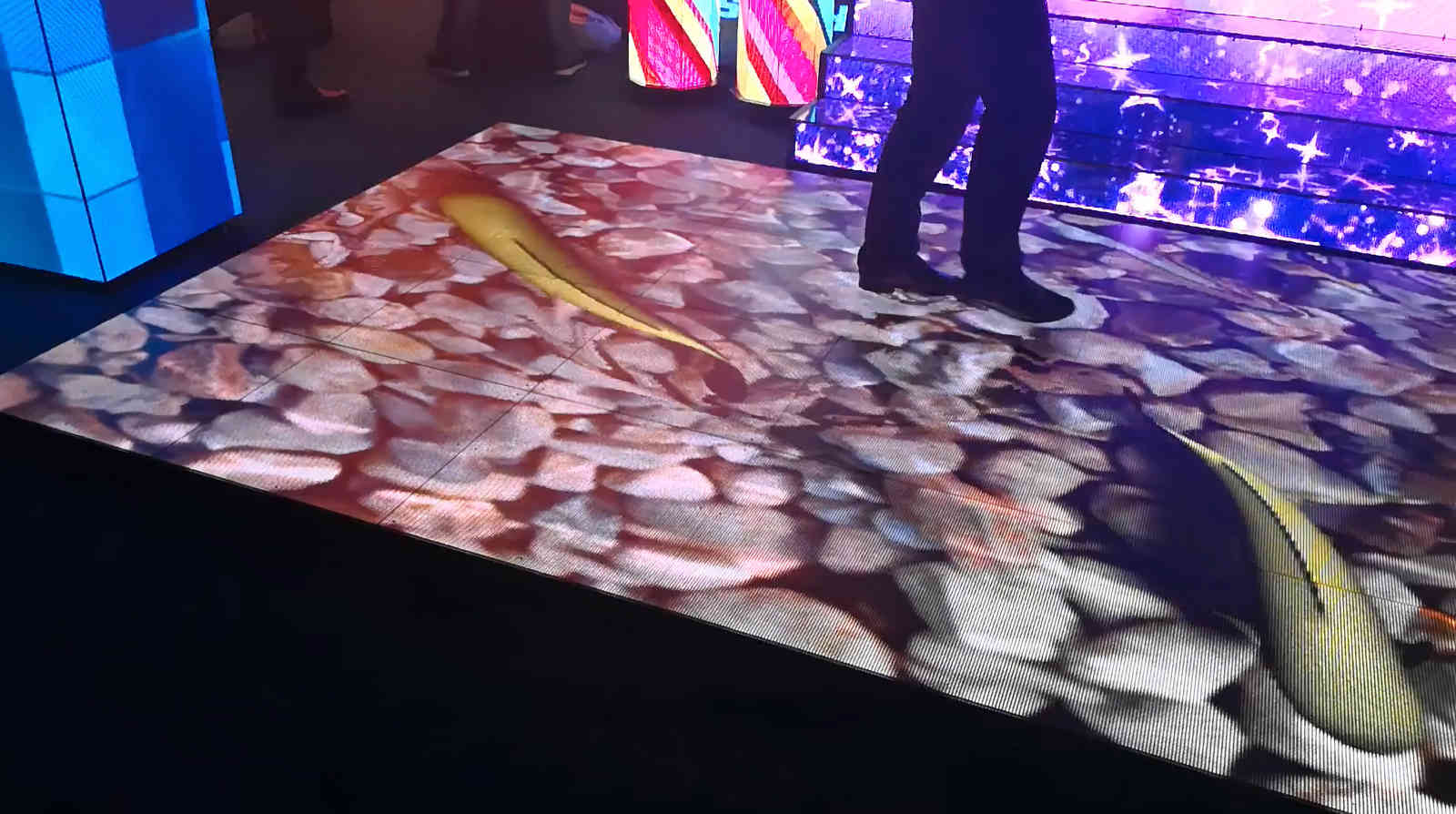
A dance floor may carry dozens of moving guests while also receiving brief local impacts from shoes, heels, furniture, or equipment. A flat, evenly distributed test does not establish resistance to all these cases. The venue engineer should decide which loading scenarios are relevant, then compare them with the supplier’s documented limits and the local requirements for public assembly spaces.
Slip behavior depends on footwear, cleaning products, liquid exposure, and the top-layer texture. A surface that feels secure when dry may become hazardous after condensation or a drink spill. The relevant question is whether the installed floor maintains acceptable traction under the venue’s actual use and cleaning conditions.
Request the stated surface material and any applicable slip-test report, with the standard and conditions identified. Test the approved sample with representative footwear and the venue’s planned cleaning regime. Check transitions between illuminated panels and ordinary flooring, where a small height difference or raised trim can create a separate trip risk. Avoid publishing an unverified coefficient of friction or claiming that every GOB or tempered surface is inherently slip-proof.
Confirm the product’s actual wet-use and ingress ratings, including joints, plugs, and underside components. Provide a procedure for isolating the floor, removing liquid, and reopening it only after an inspection. Surface slip resistance and electrical water protection are distinct properties; passing one check does not prove the other.
Even a robust tile can crack, rock, or loosen if installed over an uneven support. Modular units need a flat, load-bearing base, aligned connecting hardware, and a protected cable route. During initial assembly, look for sharp height steps, unsupported corners, trapped cable loops, and panels that move under foot pressure.
Walk the whole floor before the event while observing joints from several directions. Inspect trim at entry points, tile locking, and any areas near stages or bars where equipment may be rolled across the surface. If the design permits wheelchair or cart access, have the venue team verify the correct load and transition requirements for those wheels. Never infer accessibility or rated rolling load from static panel strength alone.
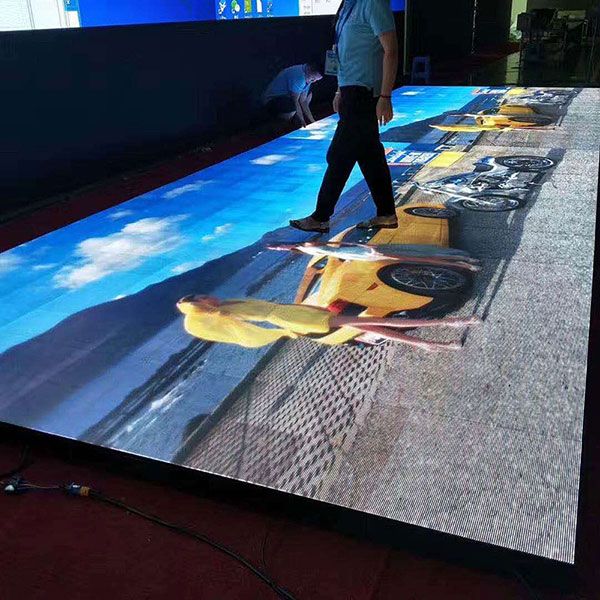
Separate damaged tiles before setup, checking top plates, corners, latches, electrical connectors, and underside supports. A panel that powers on may still have structural damage. Make the inspection record panel-specific so recurring defects can be traced to handling, packing, or the same transport case.
Longcheng’s discussion of LED dance floor rental operations mentions load bearing and anti-skid treatment, but does not establish a universal load or slip rating for every project. Ask for the exact interactive LED dance floor configuration being quoted and its complete test evidence before accepting a large shipment.
Agree a sample build and perform repeatable checks: panel rocking, visible deflection, seam alignment, surface scratches, display operation, and post-test connector condition. Test the surface both clean and after the venue’s approved cleaning procedure. Record photographs and compare results with written acceptance limits agreed with the supplier and installer, rather than judging success from a demonstration video alone.
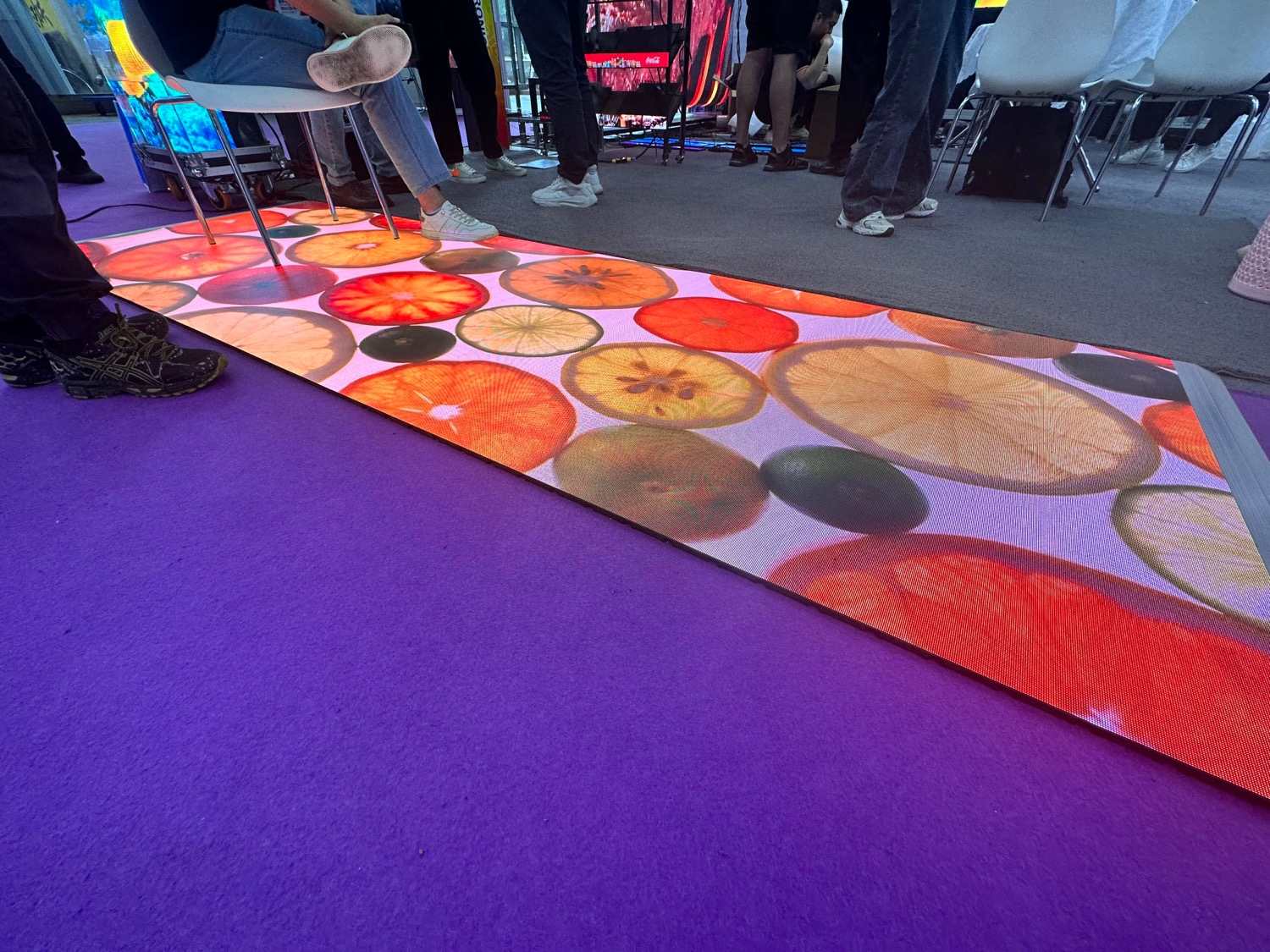
Imagine a wedding venue where a tile near the entrance begins to rock after repeated setup and teardown. The visible problem might be a worn latch, uneven subfloor, or damaged support—not a failed LED module. This is an illustrative troubleshooting scenario, not a documented customer case. It shows why the site team should inspect the entire floor assembly before ordering a replacement display panel.
Request panel identification, handling limits, lifting and storage instructions, the approved electrical layout, the installation drawing, cleaning instructions, and a clear stop-use procedure. Keep an inspection record for each event and identify who can approve reopening after a defect is repaired.
Longcheng lists commercial LED solutions, but the buyer must obtain project-specific load, slip, and electrical evidence for the finished system. Its published fault-handling process can help identify the route for component replacement; structural safety decisions must remain with the responsible installer and venue team.
An LED dance floor is ready for use when the complete installed surface—not merely an individual illuminated tile—has documented load limits, acceptable traction, aligned joints, protected wiring, and a repeatable inspection procedure. A sample installation and clear acceptance record make procurement decisions more defensible and help prevent avoidable event shutdowns.
No. Buyers must also evaluate point and dynamic loads, support conditions, joint alignment, surface traction, and the applicable venue requirements.
Only after the approved spill procedure has been followed and the floor has been inspected. The exact response depends on the product’s wet-use rating and installation.
Inspect top plates, latches, support frames, connectors, cable routes, floor level, and transition edges, then record any damaged panel that is removed from service.












Leave a comments