
Nullam dignissim, ante scelerisque the is euismod fermentum odio sem semper the is erat, a feugiat leo urna eget eros. Duis Aenean a imperdiet risus.
Nullam dignissim, ante scelerisque the is euismod fermentum odio sem semper the is erat, a feugiat leo urna eget eros. Duis Aenean a imperdiet risus.
 author
A buyer choosing an indoor LED display must decide how the screen will be used before comparing pixel pitch or cabinet price. A touring event wall is assembled, transported and stored repeatedly. A lobby display remains in one position and must fit its building services and maintenance plan. This guide compares rental LED display panels with fixed installations through the questions that affect procurement: frequency of moves, cabinet handling, service access, image requirements and total operating work.
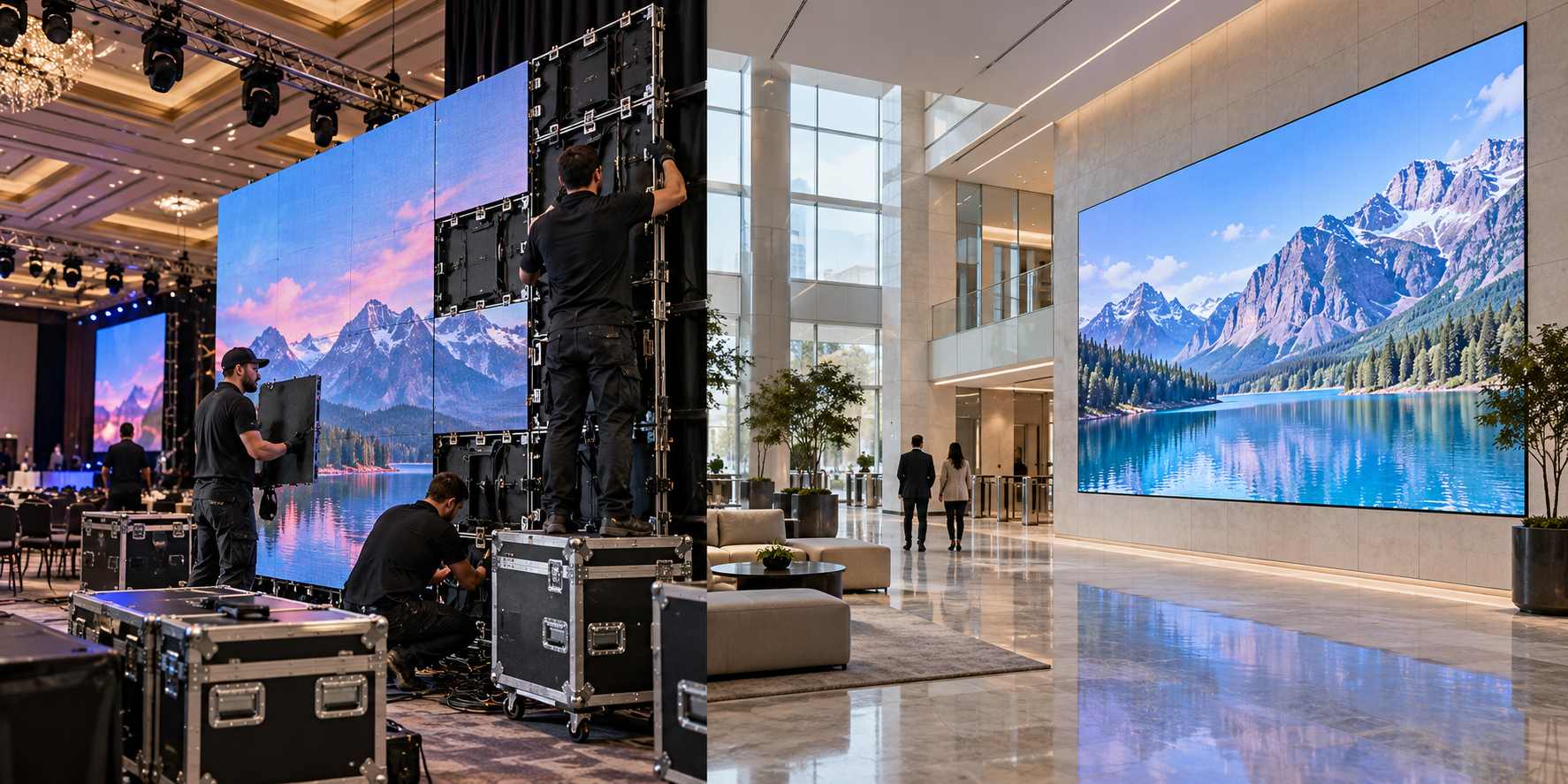
The main distinction is the operating pattern. A rental screen is designed around repeated handling and fast deployment. A fixed screen is planned around one location, its mounting surface and regular operation. Both are modular, so neither label alone determines image quality.
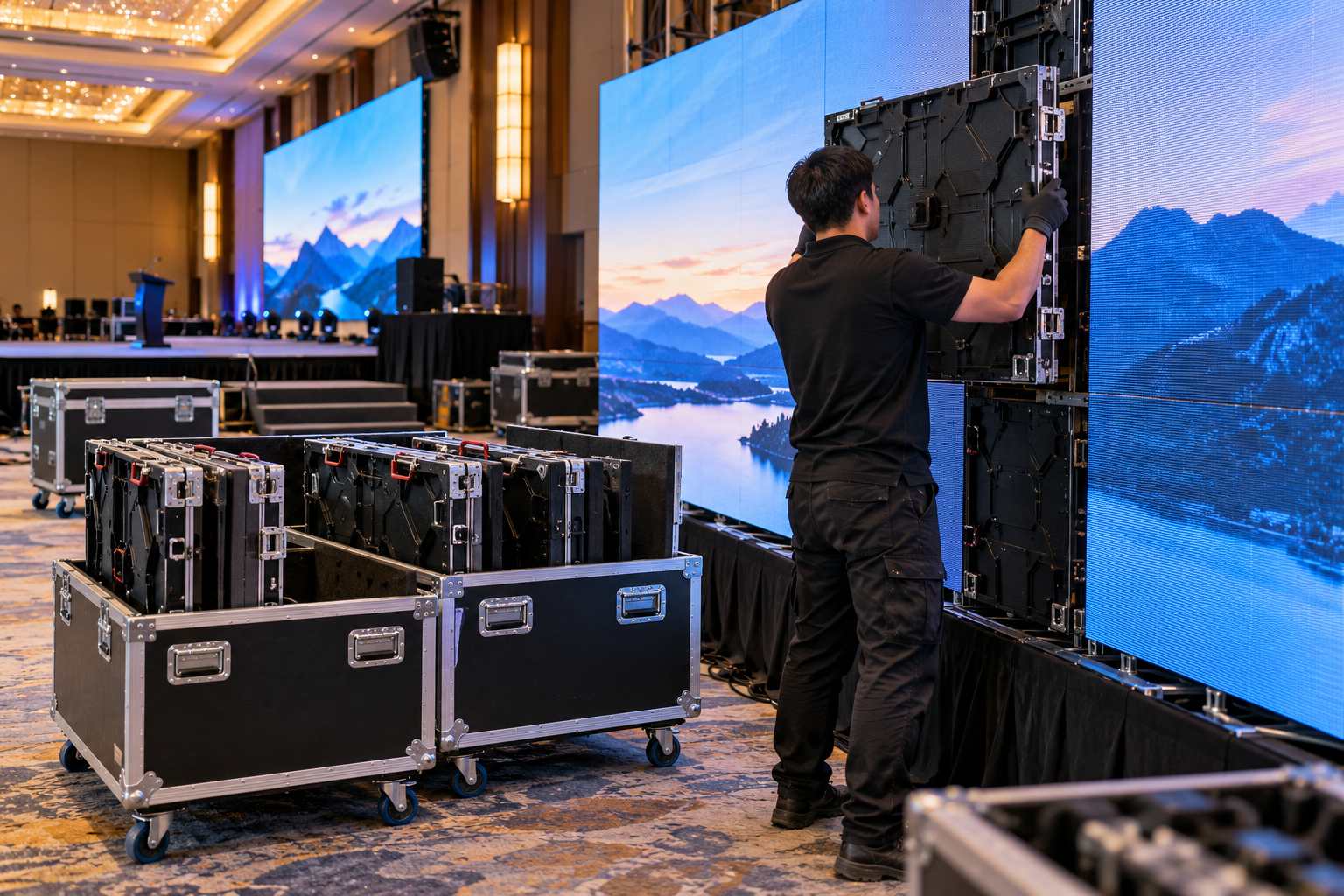
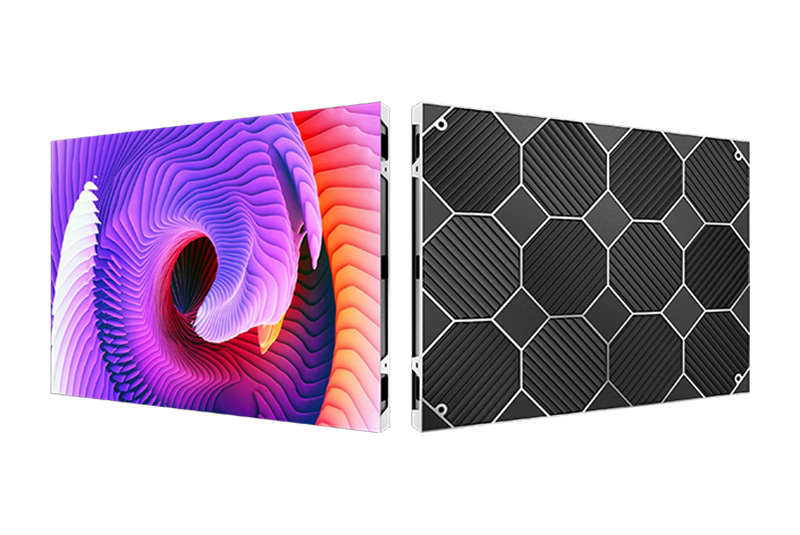
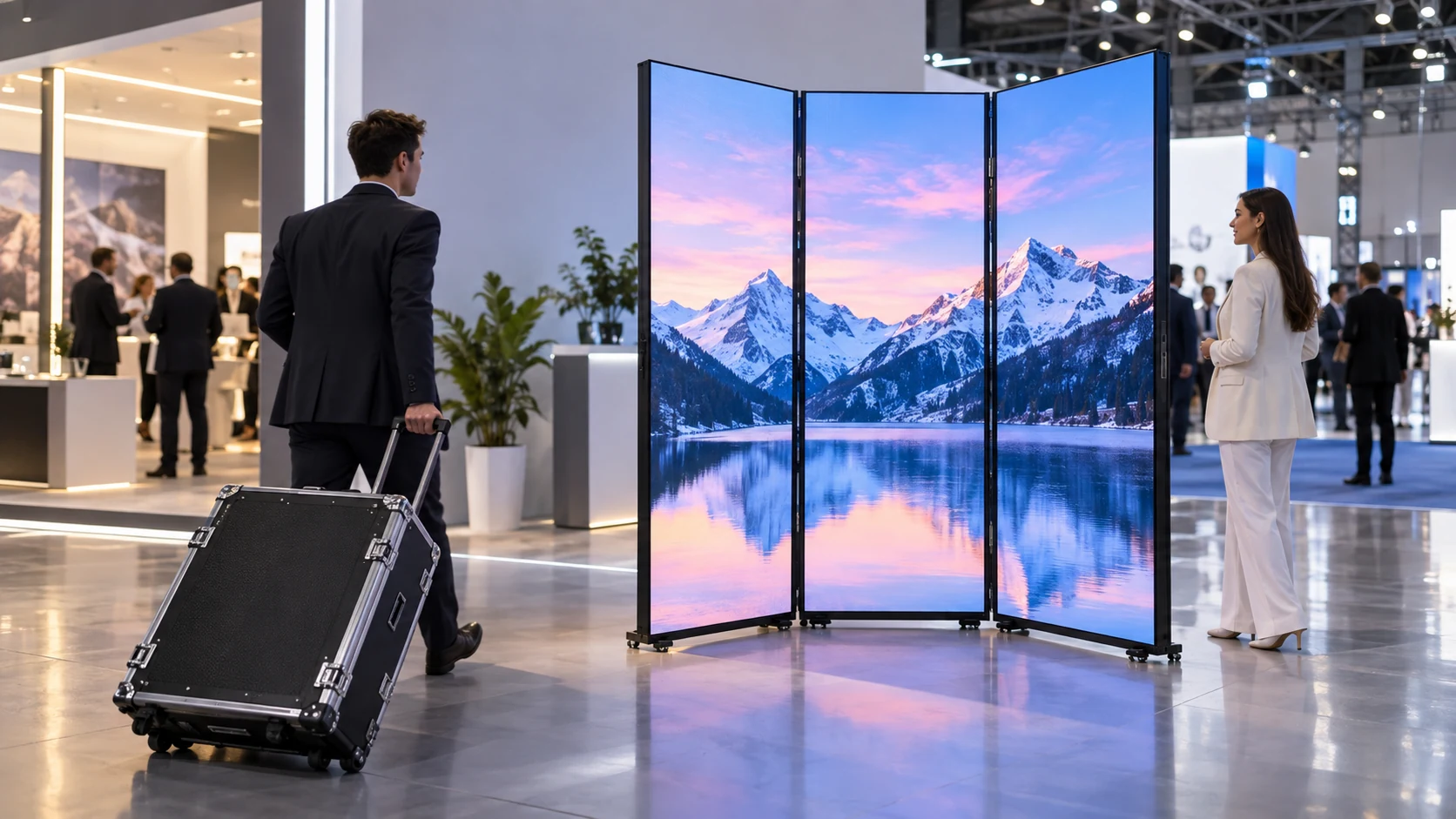
An event supplier may build the same wall in a conference hall this week and use the cabinets in another layout next week. That makes cabinet locks, edge protection, connectors, carrying methods and flight-case packing important purchase criteria. The P2 indoor LED rental display page describes a die-cast cabinet, locking hardware and front or rear maintenance. Its stated application areas include indoor commercial advertising and events. These published details make it a useful product reference, but the event team should still verify the actual cabinet configuration before ordering.
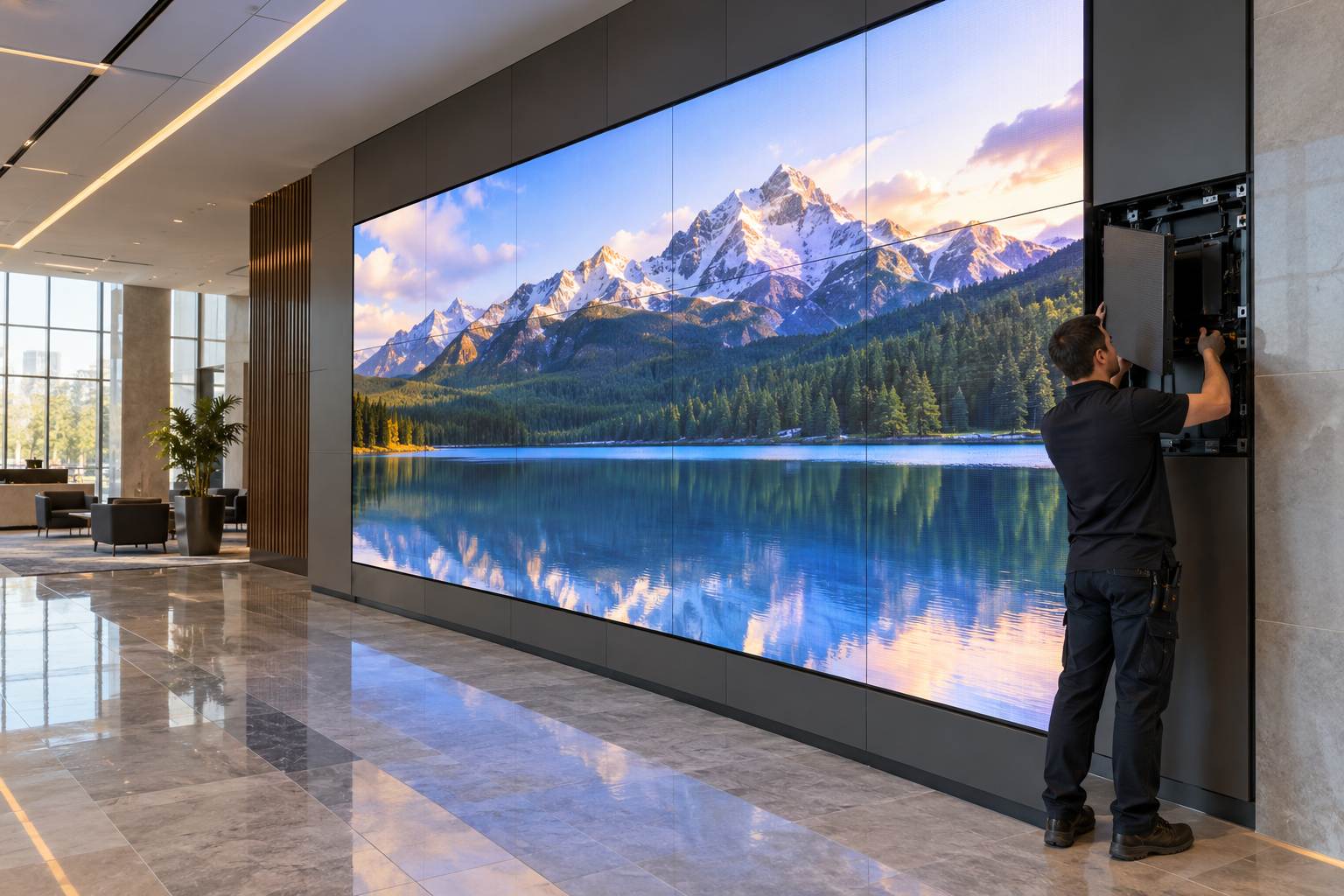
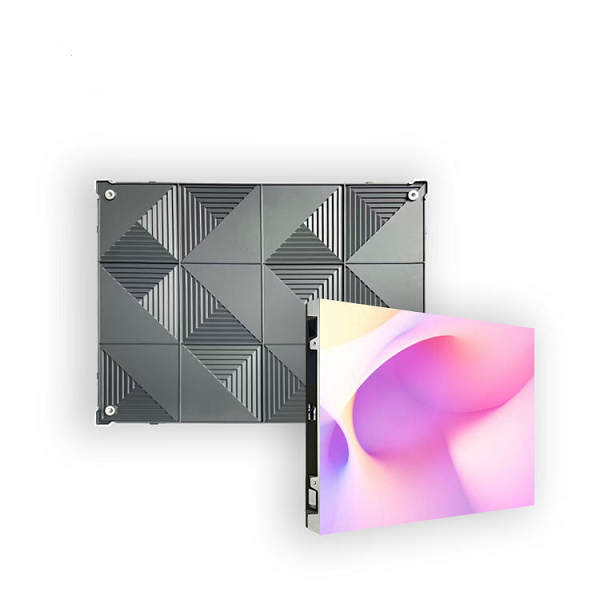
For a fixed display, measure the available width and height, assess the mounting structure and decide where technicians will reach the modules and power equipment. The P2.5 indoor fixed LED display lists a 640 mm by 640 mm cabinet and eight modules per cabinet. Those dimensions can guide an early cabinet grid, although the final structure and electrical design need a site-specific drawing. A permanent installation can integrate neatly into a lobby or meeting room when its frame and service space are designed together.
Ask how often the screen will move and who will perform each setup. This gives a clearer answer than a generic rental-versus-purchase price comparison.
For conferences, exhibitions and short campaigns, the operating cost includes transport, loading, assembly, signal testing, teardown and storage. A cabinet that saves time at each event can matter more than a small difference in hardware quotation. Before choosing rental inventory, request a demonstration of cabinet alignment, cable connection and module replacement. Record the number of technicians and working hours required for the proposed screen size rather than relying on a supplier’s broad claim of quick installation.
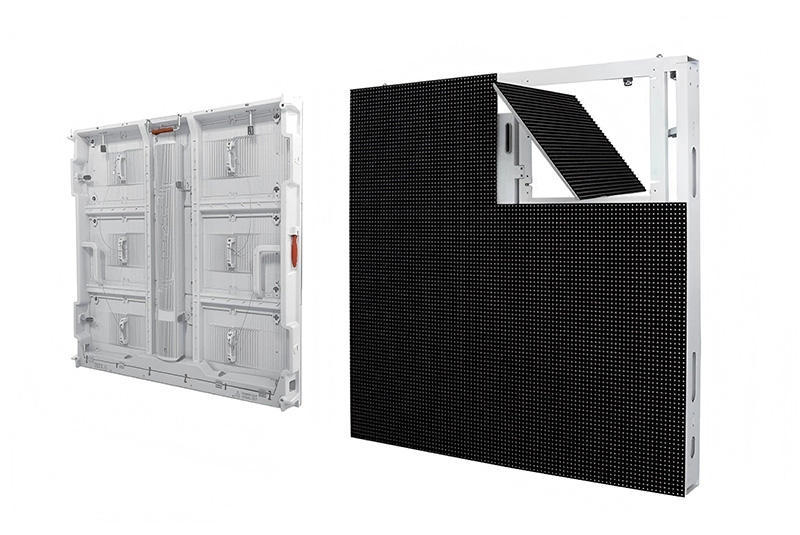
A fixed screen may run promotional content or information every day. Its owner needs a way to isolate faults without closing the whole space for an extended repair. Confirm whether modules can be removed from the front, whether a rear corridor is required and where spare parts will be stored. Also check the access route for future cabinet replacement. These questions belong in the building design phase, before decorative finishes conceal the display frame.
Rental and fixed categories do not replace a technical specification. Viewing distance, content and screen geometry still determine the appropriate product.
Measure the closest regular viewer and identify whether the screen shows large motion graphics, detailed video, small text or dashboards. The product references above use different pixel pitches, P2 and P2.5, so a direct image comparison would mix cabinet purpose with resolution. Ask suppliers to quote equivalent viewing performance where possible. For a very close audience, examine the actual content on a sample display at the intended distance; a catalog image cannot show how fine text will appear in the venue.
Calculate the full wall area and compare the supplier’s maximum power figure with the available circuit capacity. Keep average consumption separate from maximum demand. Plan the sending equipment, signal cable route, receiving-card configuration and a recovery method for a failed signal path. A temporary wall needs a connection map that technicians can repeat on each build. A fixed wall needs a labeled map that facilities staff can use years later. Neither design should be based on cabinet count alone.
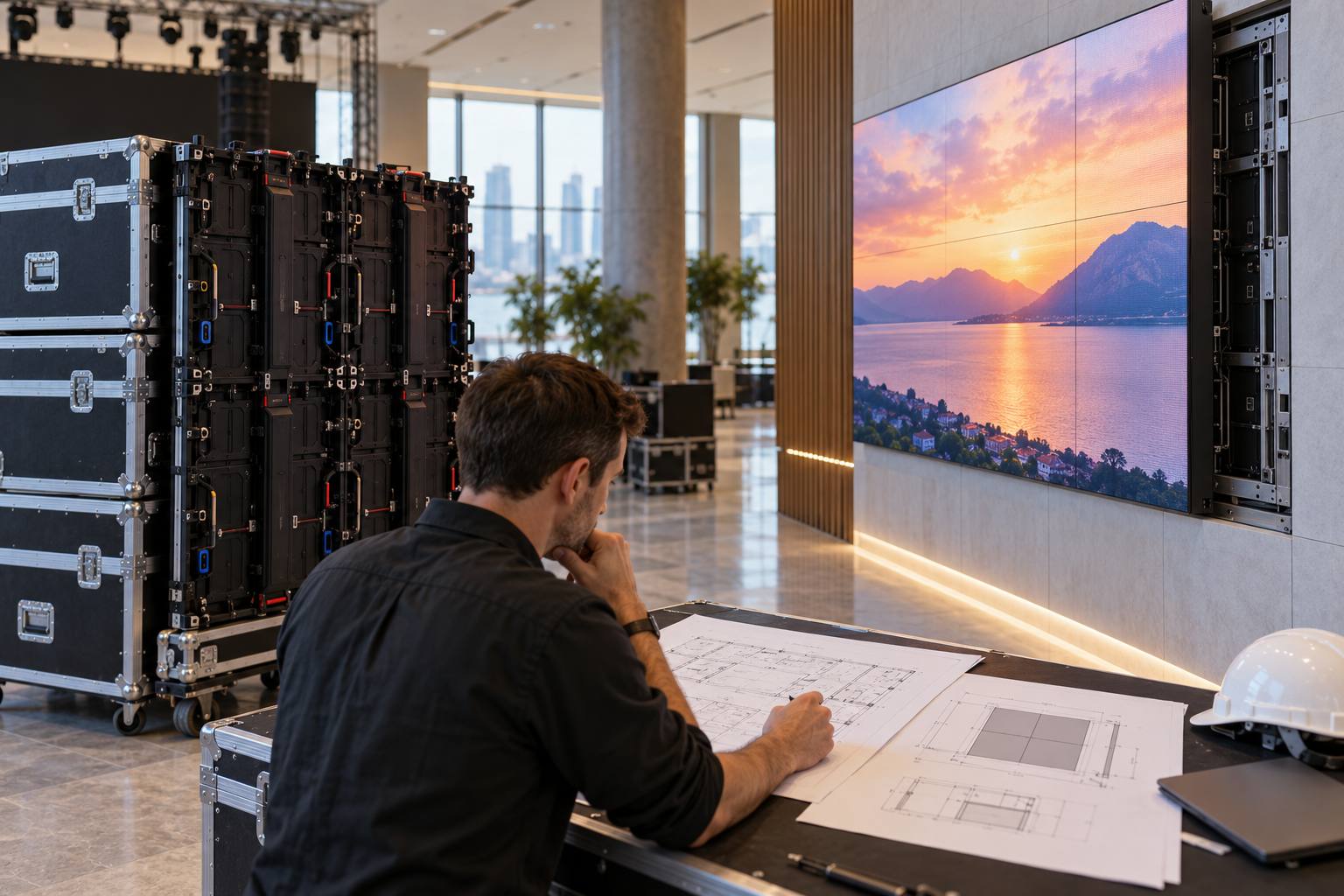
A useful comparison covers the work around the screen, not just the panel price. Request itemized proposals with the same screen area, content resolution and service scope.
Rental operation can add flight cases, transport, replacement connectors, event labor and storage. Fixed installation can add steelwork, building electrical work, trim, service access and scheduled maintenance. These are project cost categories, not universal price premiums. The better choice is the one whose cabinet design matches the expected handling cycle and whose quotation includes the work needed to make the screen usable.
Specify finished dimensions, nearest viewing distance, content sources, operating hours, mounting method and maintenance access. Ask the supplier to identify what the quote includes: cabinets, control equipment, spare modules, cables, structure, installation, commissioning and training. This prevents an apparently cheaper offer from omitting essential system components. Keep any optional redundancy separate so the buyer can see its cost and purpose.
Longcheng Optoelectronics publishes both rental and fixed indoor LED products and describes engineering implementation among its activities. Buyers can use the product pages as a starting point for discussing cabinet layout and maintenance, then request current drawings and a project-specific quotation. The final product configuration should be confirmed against the venue and the expected handling schedule.
Choose a rental LED display when the wall must move, change shape or be rebuilt regularly. Choose a fixed installation when the screen will remain in one venue and can be planned into the building. In either case, compare the full system: audience distance, cabinet handling, electrical load, control layout, service access and operating labor. That comparison gives procurement teams a more reliable basis for selection than the product label or panel price alone.
It may be technically possible, but the buyer should verify mounting, ventilation, service access, operating hours and warranty conditions with the supplier. A fixed product may better match a long-term site.
No. Costs depend on the selected cabinets and the surrounding work. Compare complete quotations for the same screen area and performance, including installation, transport or structure, spares and maintenance.
Provide screen dimensions, audience distance, indoor lighting conditions, content type, operating schedule, number of expected moves, mounting method and preferred maintenance access.












Leave a comments