
Nullam dignissim, ante scelerisque the is euismod fermentum odio sem semper the is erat, a feugiat leo urna eget eros. Duis Aenean a imperdiet risus.
Nullam dignissim, ante scelerisque the is euismod fermentum odio sem semper the is erat, a feugiat leo urna eget eros. Duis Aenean a imperdiet risus.
 author
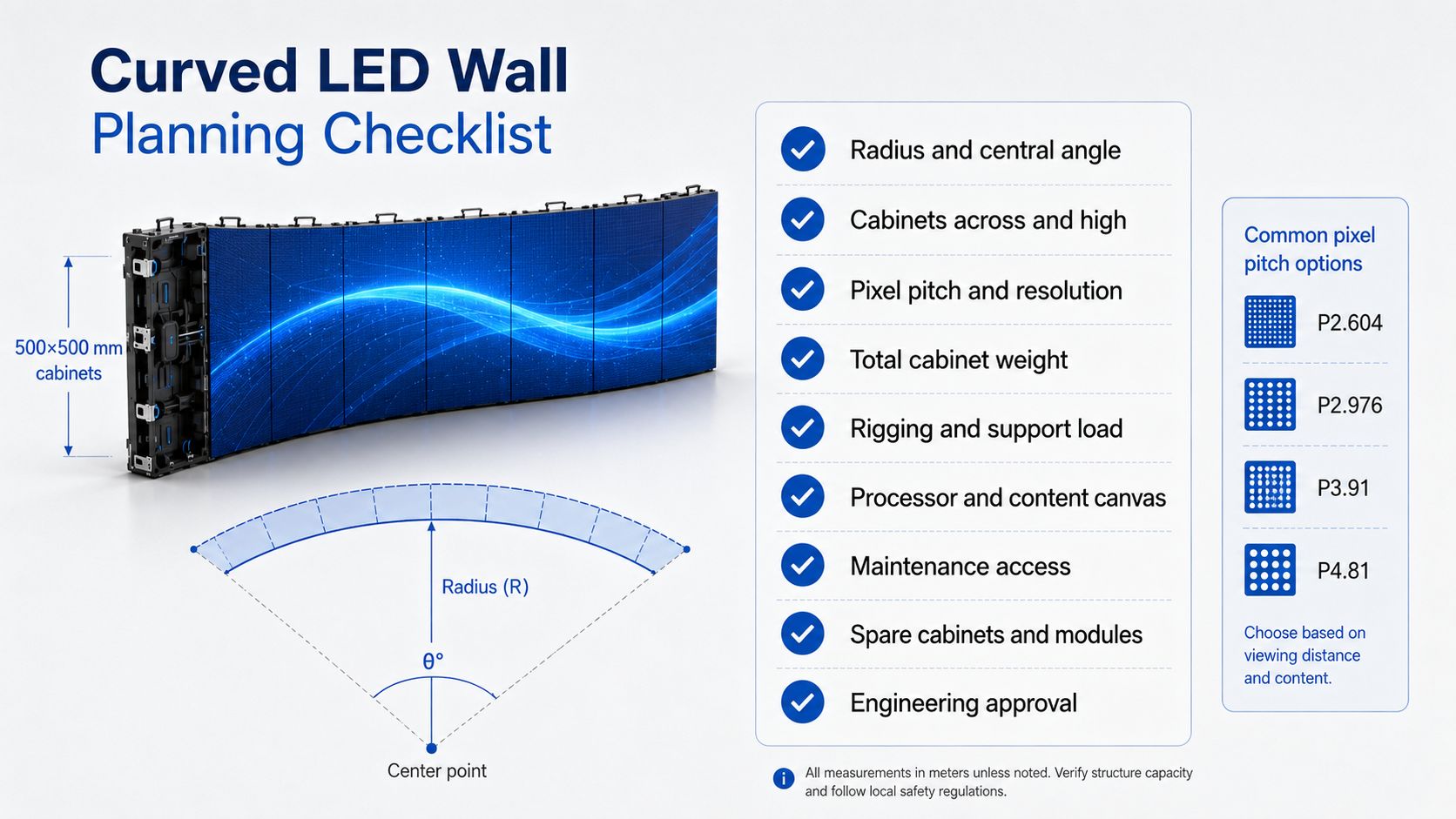
A curved LED wall can create a wider visual field and a more engaging stage backdrop, but the design must begin with accurate geometry. Ordering panels by screen width alone may result in the wrong radius, an unsuitable viewing angle, excessive structural weight, or a layout that cannot be assembled with the cabinet’s available angle settings. This guide explains how to calculate the radius, arc length and quantity of 500×500mm LED cabinets while also considering resolution, installation cost and maintenance.
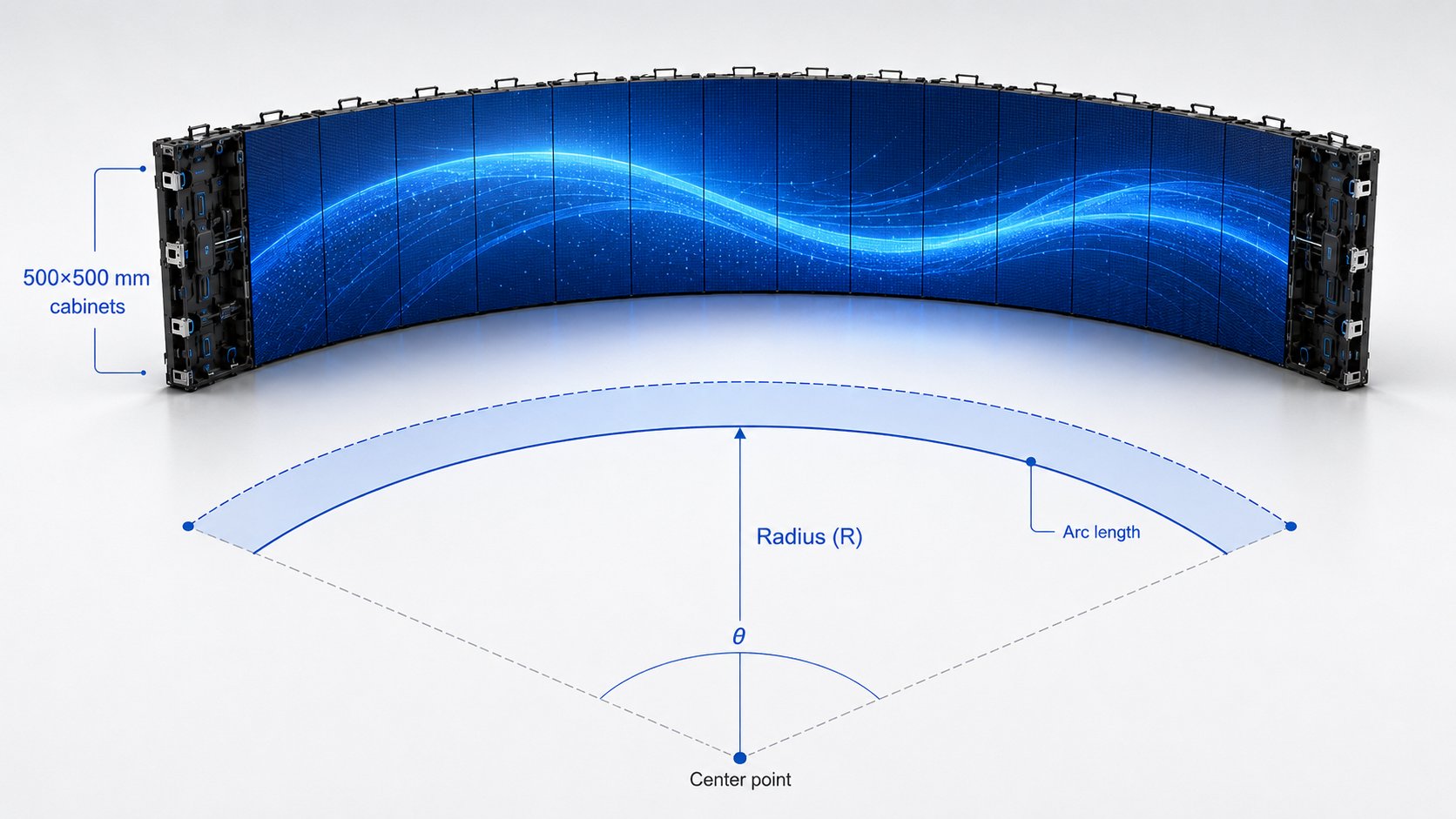
The radius determines how sharply the LED wall bends. A large radius produces a gentle curve, while a small radius creates a deeper concave or convex shape.
Before choosing a radius, the stage designer should consider audience distribution, venue width, camera positions and the distance between the screen and performers.
A concave LED wall curves toward the audience. It is often used behind performers, speakers or exhibition stands because it directs the display toward the center viewing area.
A convex LED wall curves away from the audience. It may be used around columns, scenic structures or outward-facing stage elements.
The same number of rental LED panels can create very different results depending on the angle between cabinets. Therefore, screen width and cabinet quantity cannot define the final curve by themselves.
A reliable calculation requires several project dimensions. These should be confirmed before a quotation, structural drawing or content canvas is finalized.
The most important inputs are the required radius, total central angle, screen height and cabinet width.
Prepare the following information:
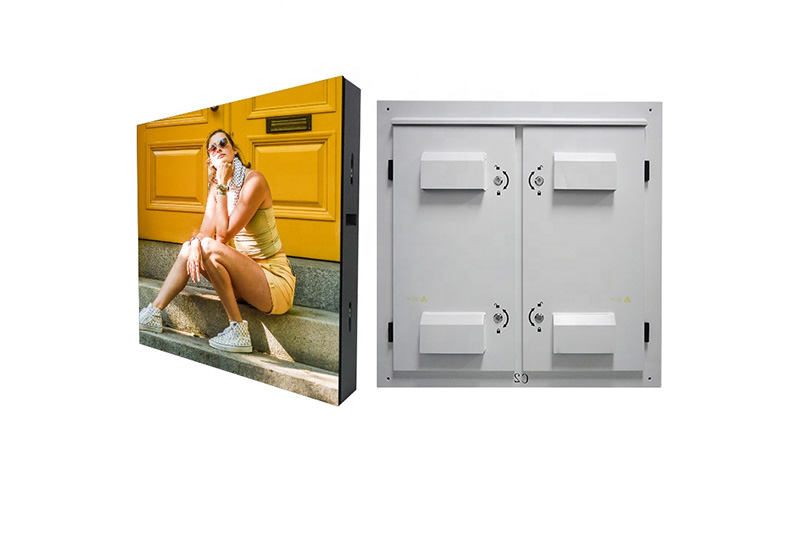
Longcheng’s product page lists 500×500mm and 500×1000mm die-cast aluminum cabinets, P2.604, P2.976, P3.91 and P4.81 pixel pitches, and front or rear maintenance. However, the public specification does not state the available curve-lock angles or minimum radius. These values must be confirmed with the engineering team before the final calculation is approved.
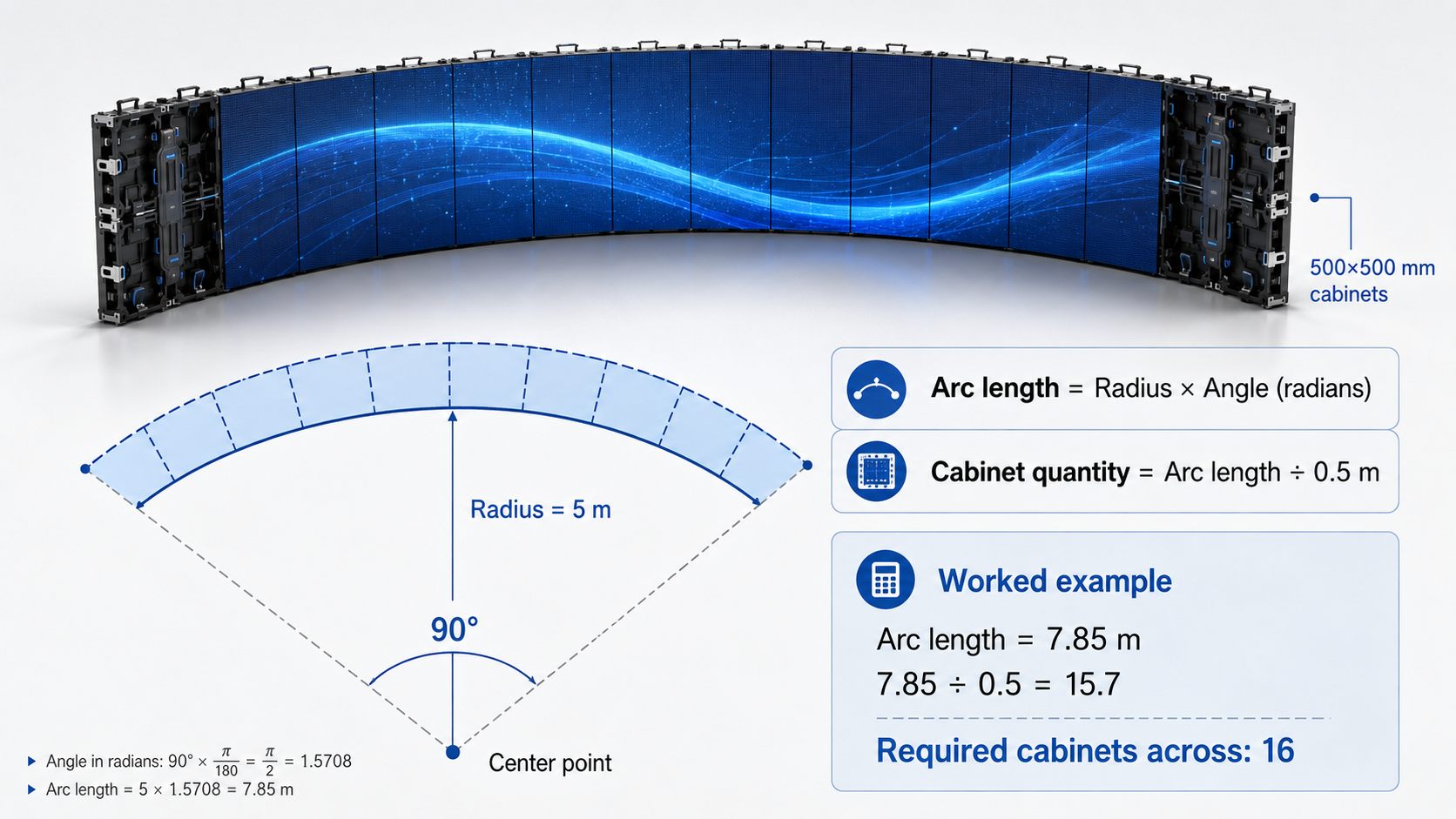
When the desired radius and central angle are known, calculate the arc length first. The arc length represents the physical width of LED cabinets required along the curve.
The result must then be rounded to a complete cabinet because a rental panel cannot normally be divided.
Use this formula:
Arc length = Radius × Central angle in radians
Convert degrees to radians with:
Angle in radians = Angle in degrees × π ÷ 180
For a 5m radius and a 90° curve:
Arc length = 5 × 90 × π ÷ 180
Arc length = 7.85m
Divide the arc length by the cabinet width:
Cabinet quantity = Arc length ÷ 0.5m
For the same project:
7.85 ÷ 0.5 = 15.7 cabinets
The design therefore requires 16 cabinets across.
Sixteen cabinets create an actual screen width of 8m. If the project must keep an exact 90° central angle, the adjusted radius becomes:
Adjusted radius = 8 ÷ (π ÷ 2) = 5.09m
This small adjustment is normal because the finished wall must follow whole cabinet dimensions.
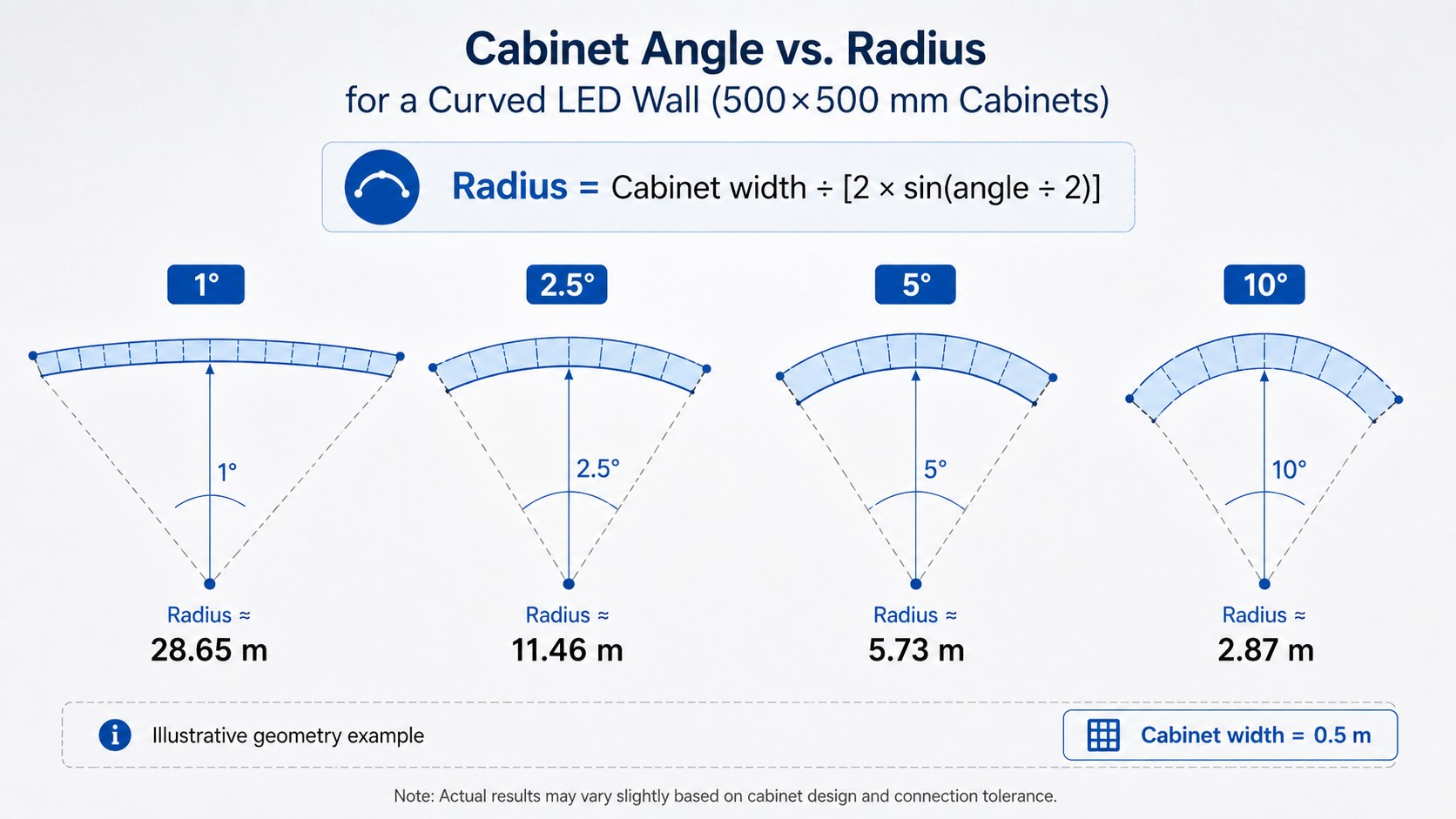
Some stage designs begin with the angle available at each cabinet connection rather than a predetermined radius. In this situation, the cabinet width and joint angle can be used to estimate the curve.
The following calculation treats each cabinet as one straight chord in a polygonal arc.
Use:
Radius = Cabinet width ÷ [2 × sin(cabinet angle ÷ 2)]
For a 500mm-wide cabinet set at an illustrative 5° curve:
Radius = 0.5 ÷ [2 × sin(2.5°)]
Radius ≈ 5.73m
A 90° curved wall would require approximately:
90° ÷ 5° = 18 cabinets
The resulting arc width would be:
18 × 0.5m = 9m
| Angle per cabinet | Approximate radius |
| 1° | 28.65m |
| 2.5° | 11.46m |
| 5° | 5.73m |
| 10° | 2.87m |
These figures are geometric examples only. They are not confirmed angle settings for Longcheng’s product. Available positive and negative angles, permitted hanging loads and the compatibility of 500×500mm and 500×1000mm cabinets should be verified before ordering.
Cabinet quantity across the curve is only one part of the bill of materials. Buyers must also calculate rows, native pixel resolution and the approximate panel weight.
These values affect the video processor, rigging structure, labor plan, transport requirements and total project cost.
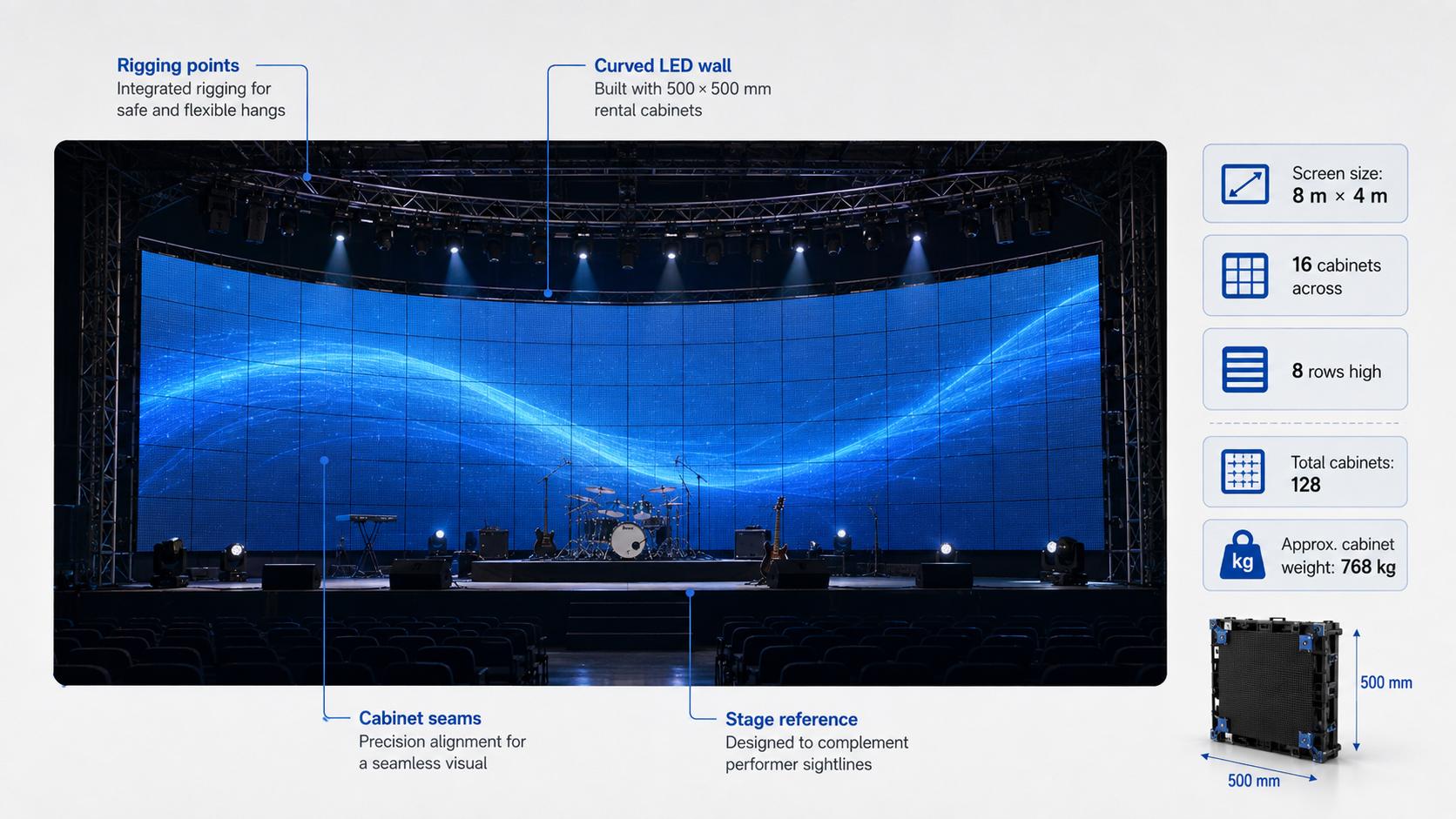
Suppose the 8m curved screen in the earlier example must be 4m high.
This calculation should also include spare panels and replacement modules according to the event’s risk level.
Based on Longcheng’s published module resolutions, an 8m × 4m wall made from 500×500mm cabinets would provide approximately:
| Pixel pitch | Screen resolution |
| P2.604 | 3072 × 1536 pixels |
| P2.976 | 2688 × 1344 pixels |
| P3.91 | 2048 × 1024 pixels |
| P4.81 | 1664 × 832 pixels |
Smaller pixel pitches generally suit closer viewing and detailed content, while larger pitches can provide better cost efficiency when viewers are farther away. Pixel pitch should therefore be selected according to viewing distance, content detail and budget rather than by resolution alone.
Longcheng lists a weight of 6kg for the 500×500mm cabinet. A 128-panel wall would therefore have an approximate cabinet weight of:
128 × 6kg = 768kg
This figure excludes hanging bars, cables, power distribution, processors, support structures and safety hardware. A qualified structural or rigging professional must approve the complete load before installation.
Large public projects demonstrate why curved LED geometry must be planned before equipment reaches the venue.
The dimensions may be much larger than a typical corporate event, but the same design principles apply to smaller rental screens.
For Adele’s Munich performances, the production used a curved LED wall reported at 244m wide and 18m high. This was not a Longcheng customer project, but it illustrates how curvature, sightlines, supporting structures and content design must work as one system. A radius error that appears minor on a drawing can become a major alignment problem across a wide stage.
For smaller concerts, conferences and exhibitions, the lesson is the same: confirm the cabinet matrix, joint angle, radius and content resolution before manufacturing the structure or preparing the video files.
A correct cabinet calculation prevents both overbuying and underbuying. Too many panels increase capital cost, freight, storage and maintenance. Too few panels may force the rental company to reject larger events or rent additional cabinets from another supplier.
The best return comes from a cabinet inventory that can serve several repeatable screen sizes and stage layouts.
A complete budget should include:
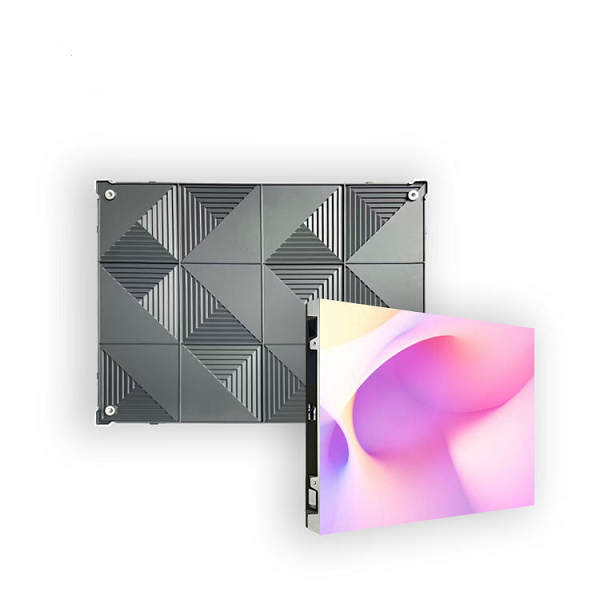
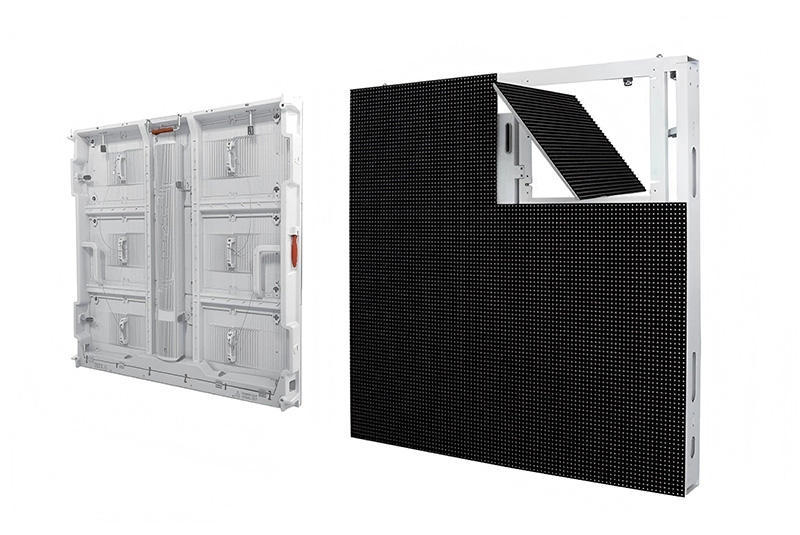
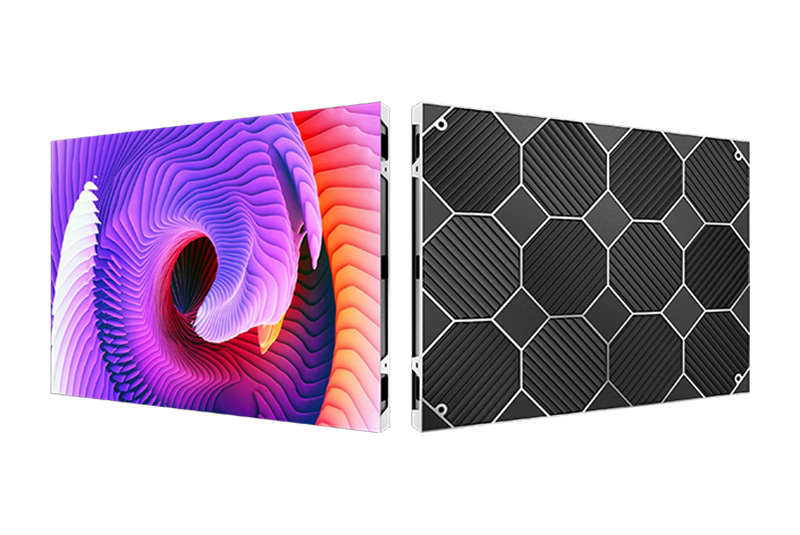
Longcheng’s curved rental series offers multiple pixel pitches, die-cast aluminum construction, corner protection, front or rear service, and hanging, floor-standing or wall-mounted options. These features can support flexible rental applications, but the final configuration should still be based on project drawings rather than a standard package.
A curved LED wall radius calculator provides a useful starting point, but the result must be converted into a buildable cabinet matrix.
Before placing an order, complete one final technical check.
Confirm the following:
Accurate calculations reduce on-site changes, control labor costs and make the same cabinet inventory easier to reuse across concerts, exhibitions, conferences and corporate events.
Divide the required width by 0.5m:
10m ÷ 0.5m = 20 cabinets across
The total quantity also depends on screen height. A 10m × 4m wall requires 20 columns and 8 rows, giving a total of 160 cabinets before spare units are added.
They can only do so when the cabinet and locking system are designed for both flat and angled connections. Buyers should confirm the available positive and negative lock angles, flatness tolerance and approved installation method with the supplier.
No. A smaller radius creates a deeper curve, but it may reduce usable stage space, complicate sightlines and require sharper cabinet angles. The ideal radius should fit the venue, audience position, screen width, content design and cabinet’s mechanical limits.












Leave a comments