W e l c o m e t o L o n g C h e n g

Loading

Nullam dignissim, ante scelerisque the is euismod fermentum odio sem semper the is erat, a feugiat leo urna eget eros. Duis Aenean a imperdiet risus.

LED Flexible Screens vs Regular LED Displays Key Difference

LED Flexible Screens vs Regular LED Displays Key Difference

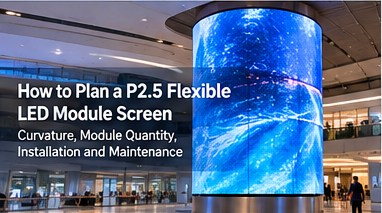
LED display technology has seen major changes. These changes have brought about flexible screens. They change how we present visual media. Unlike old stiff LED panels, flexible LEDs offer changeable shapes and adjustable features. These suit tricky design needs. Structural Composition and Materials Flexible LED screens use soft PCB substrates. These let the screens bend and curve without harming electrical function. This new structure takes the place of stiff printed circuit boards in standard LED displays. Those boards rely on metal frames for physical support. Light materials like silicone or rubber boost both bendability and toughness. So, these screens handle repeated physical stress well. Plus, their bendy quality lets engineers make smooth curves and natural forms. Such forms were hard to achieve with stiff modules before. Installation and Design Adaptability A key benefit of flexible screens is their skill to fit curved surfaces, round columns, or uneven building shapes. This skill turns still spaces into engaging digital areas. On the other hand, standard LED displays stick to flat setups with set angles. This limits creative options. The piece-by-piece design of flexible LEDs also makes it easier to blend into building projects. Designers can put together custom shapes without big structural changes. As a result, setup time drops. At the same time, it boosts visual variety. Maintenance and Durability Factors Another key difference is how easy maintenance is for the two types. Flexible modules come in divided setups. These allow fixing or swapping just the damaged parts. Stiff displays often need a full panel swap. That leads to more downtime and higher costs. Also, flexible screens show better resistance to shocks. This comes from their stretchy materials. They work well in active settings like concerts or shows. There, shakes and handling happen often. This strength helps keep long-term work steady. It also cuts down on how often you need maintenance. How Do Performance Metrics Compare Between Flexible and Regular LED Displays? To check performance between flexible and regular LED systems, we look at brightness level, resolution evenness, refresh rate steadiness, and color match precision. Brightness and Color Performance Flexible screens and regular LED displays both give strong brightness for inside or outside use. Yet, flexible LEDs keep steady color match even when bent or formed around curved areas. This matters a lot for keeping clear visuals in non-straight setups. Smart pixel adjustment methods ensure even light across odd shapes. They fix angle twists that come with curved plans. Energy Efficiency and Heat Dissipation Flexible LEDs often use a bit less power. This happens because they use better driver ICs made for low-voltage work. Their better heat-handling materials help spread heat well, even in tight spaces or small building areas. Regular LEDs stay power-saving for fixed spots. But they might need extra cooling in packed setups. The mix of lower power use and better heat control lengthens work life. It also cuts down on harm to the environment. Viewing Angles and Visual Experience Curved setups from flexible screens improve engaging view experiences. They wrap viewers in the visual content. This helps a lot in fun spots or show halls where space involvement counts. In contrast, rigid displays keep steady image quality over wide flat areas. That suits big ad boards or control areas where exact sight is key. Choosing between them depends mostly on where the audience sits and the light around. Where Are LED Flexible Screens More Advantageous Than Regular Displays? The special physical traits of flexible screens open up creative chances that standard stiff panels can’t reach. Architectural Integration and Creative Installations Flexible LEDs do great in blending into buildings, like curved walls, domes, stages, or show booths. Standard panels can’t fit smoothly there. Their power to make nonstop 360-degree visual effects lets images flow without breaks around tricky structures. This boosts brand notice through fresh space stories. It mixes building design with digital content sharing. Portability and Event Applications The light build of flexible screens makes quick put-together and take-apart easy for events or traveling shows. Heavy stiff panels cost more to move because of their weight. Transport fees drop a lot due to small pack sizes. For short-term setups that move often, like trade fairs or live acts, flexible LEDs offer top ease in planning. They do this without losing display quality. Retail and Commercial Use Cases In store spots like malls or display rooms, flexible LED screens act as lively ad tools. They can wrap around stands or columns to draw customer eyes from many sides. Their moving curved visuals spark interest. They also match current building styles that focus on flow and motion-based design talk. How Does Cost Efficiency Differ Between the Two Technologies? To judge costs, we cover not just starting money but also running costs over time. This includes how often maintenance happens, power use, and how well they can be reused. Initial Investment vs Long-Term Value Flexible screens usually cost more at the start. This is due to special materials and better making methods. But they give big long-term worth through less need for fixes and flexible reuse in different projects with varied setups. Regular LEDs stay cheap picks for usual fixed spots that need little change. There, money limits matter more than design bend. Operational Costs Over Time Flexible systems’ lower power use helps cut energy bills right away during long run times. Their piece-by-piece swap option cuts stop time in fixes. You can change single parts without taking apart the whole thing. Stiff panels might face higher move costs when shifted often. This comes from weight-handling issues. Why Choose Shenzhen Longcheng Photoelectric Technology Co., LTD as Your LED Supplier? Shenzhen Longcheng Photoelectric Technology Co., LTD shines as a skilled maker. It focuses on strong LED answers made for both creative bend and work reliability. Company Overview and Expertise The firm puts a lot into research and growth of flexible LED modules. These are built for tough setups around the world. It gives full custom services that match different client project needs. At the same time, it keeps solid supply chain handling for on-time delivery to places across the globe. Product Reliability and Service Commitment All products pass strict world standards like CE, RoHS, and FCC. This ensures they follow global safety rules. Clients get full tech advice packs. These cover setup help and quick after-sales care setups. The firm is known in the field for new ideas in flexible display making top quality. What Are the Future Trends Shaping the Development of LED Display Technology? As buyer hopes grow for adjustable digital fixes that blend well into real spaces, both flexible and regular display tech keep moving forward fast. Technological Innovations Driving Flexibility New growths like super-thin micro-pitch LEDs widen creative place chances. They bring high-detail images on bendy bases. Linking with AI-based content control systems adds live interaction. This lets context-based visual talk plans that adjust across areas like store ads and fun spots. Clear flexible LEDs are expected to mix digital signs right into building glass faces. This makes mixed smart fronts that join looks with work. Sustainability and Material Advancements Coming eco-kind parts try to cut electronic trash through reusable bases. This pushes round product life paths that match world green aims. Power-saving circuit plans add more to fit global green tech drives. They stress lower carbon marks all through making lines. Conclusion: Choosing Between Flexibility and Stability in Display Solutions Deciding between flexible screens or regular LED displays comes from a full check of project size, space conditions, money limits, and planned design results. Flexible LEDs stand out where creative curves or movement set win measures. Traditional stiff systems still lead in still big-scale uses that focus on cost hold and evenness over wide flat areas. A fair check that mixes tech details with work aims makes sure top work fit just to use needs. FAQs 1. Are flexible LED screens as durable as regular LED displays? Yes, today’s flexible LEDs use tough materials that resist bend wear. This makes them last about as long as regular ones under right work settings. 2. Can flexible LED panels be used outdoors? Some types are made just for outside use. They include water-proof covers with UV guard layers. Plus, they have higher brightness levels. 3. What factors should be considered before choosing between flexible and regular LEDs? Main things to think about include how the setup surface shape fits, need for change, how often it moves, money plan, brightness goals, and expected life work aims before picking.
Choosing the Right Modular LED Screen for Your Event

Choosing the Right Modular LED Screen for Your Event

Selecting the right modular LED screen involves a thorough review of its key performance features, environmental suitability, and planned use. Experts need to evaluate how each technical detail supports viewer interest and smooth operations. How Pixel Pitch Affects Visual Performance Pixel pitch means the space between two nearby pixels. It plays a key role in the sharpness of LED displays. A finer pixel pitch offers better resolution and clearer images. This works well for nearby viewing in places like meetings or shows indoors. On the other hand, wider pixel pitches save money for outdoor setups. There, people watch from a greater distance. Finding a good match between pixel pitch and funds helps keep picture quality up to what viewers want. It avoids extra spending. For example, picking a 2.9mm pixel pitch for an indoor gathering gives sharp details. At the same time, it stays affordable compared to very fine 1.2mm choices. Evaluating Brightness and Contrast Levels Brightness sets how well you can see the screen in different light. Outdoor LED screens need strong brightness. This often goes over 5000 nits. It keeps text clear in bright sun. Indoor uses do best with softer brightness to avoid eye strain. Contrast ratio shows the gap between the deepest black and the strongest white on the screen. It impacts color richness and lifelike quality. Keeping steady settings across all parts is vital. This ensures even brightness and true colors in big setups. It matters a lot in live shows where smooth visuals count. Assessing Refresh Rate and Color Accuracy A fast refresh rate cuts down on flicker during video or live feeds. This is especially true when cameras record at matching speeds. LED screens for pro events usually have refresh rates over 3840Hz. They provide smooth movement. True color output boosts brand recognition. It shows logos and media in their real shades. Even refresh rates across linked modules avoid image breaks or timing problems. These issues can happen when switching between video parts. How Do Installation and Maintenance Influence the Choice of LED Screens? Setup details and repair ease greatly shape both quick deployment and lasting dependability of modular LED systems. Comparing Indoor vs Outdoor Installation Requirements Indoor setups focus on tight pixel pitch, light weight, and nice fit with building or stage designs. Outdoor ones call for tougher builds. They use weatherproof cases rated IP65 or higher. This protects against dirt, water, and weather changes. Plus, outdoor LED displays need good cooling systems. These keep work steady under long sun exposure. Things like moisture in the air also affect how long parts last. They influence how often you need to check or fix them. The Role of Modular Design in Assembly Efficiency Modular setup lets you put together and adjust LED screens quickly. It fits various stage sizes or room plans. Standard module shapes make planning easier. They cut down on build time during event changes. Many new systems use simple locks without tools. Technicians can join panels firmly without special gear. This helps in busy settings like traveling music shows or display fairs. Maintenance Accessibility and Serviceability Features Repair design affects how much time the system runs without issues. Front-access modules let workers swap parts without taking down the whole thing. This suits wall setups with little space behind. Rear-access types fit free-standing designs. There, staff can reach from the back. Hot-swappable modules boost reliability. They allow fast changes during live use without stopping the show. Built-in check software watches power levels, heat changes, or signal quality right away. It spots problems early. This stops them from turning into clear faults. Why Does Content Type Matter When Choosing an LED Display? The kind of content you show guides the tech needs for modular LED screens. It helps get the best picture quality. Matching Resolution to Content Requirements Full-HD video talks need small-pitch displays. They handle detailed pictures up close. Simple brand images or text info work fine on coarser panels. They keep things readable. Making sure the screen’s built-in sharpness matches the input avoids stretch problems. These can blur edges during play. It’s key for business logos or online ads where exactness counts. Frame Rate Compatibility for Live Events Matching the content’s frame speed to the screen’s refresh rate gives smooth flow. It avoids jerky motion. For real-time events like sports or music shows, LED screens that handle 60Hz or more keep things steady. This links camera views to screen output without breaks. Good timing also cuts delays. Those could mess up quick performances or hands-on media shows. How Can Budget Constraints Be Balanced with Technical Demands? Smart money planning lets event planners get the look they want. It also improves value over repeated uses. Evaluating Rental vs Purchase Options Renting modular LED screens gives freedom for single events or tight funds. It skips ongoing storage and fix costs. Buying pays off for groups with regular events or fixed spots. Ownership lets you tweak and reuse often. Full cost checks should cover side expenses too. These include moving gear, extra parts stock, tuning services, and protection plans. They help figure the true long-term price. Prioritizing Specifications Based on Event Goals Setting main aims helps pick which features give the best gain for viewer enjoyment. For instance, open-air music gatherings might stress brightness more than super-sharp detail. That’s due to how far people stand. Business displays could focus on true colors for steady branding. Skipping extra high specs saves cash. You can use it for better content ideas or audio gear. Working with skilled providers helps make custom setups. They fit tech power to money limits. What Makes Shenzhen Longcheng Photoelectric Technology Co., Ltd a Reliable Supplier? Shenzhen Longcheng Photoelectric Technology Co., Ltd focuses on strong modular LED displays for pro uses around the world. Their items blend top making methods with tight quality checks. This ensures steady work in tough spots like music events, shows, business gatherings, and outside ads. Key Advantages Offered by Shenzhen Longcheng Photoelectric Technology Co., Ltd Wide choice of items for indoor, outdoor, rental, and fixed setups. Their own research group works on new ideas in power saving and clear visuals. Full after-support covers tech advice, parts supply, and far-off fix help. Their drive for steady upgrades keeps reliable running in many weather types. It holds top picture standards in every line. Conclusion: Achieving Visual Excellence Through Strategic Selection Choosing a modular LED screen means matching tech details like pixel pitch, brightness, and refresh rate steadiness. You also consider setup ways and repair ease. Knowing how content type shapes sharpness needs lets pros pick right models. They balance work with money savings. Teaming with a trusted maker like Shenzhen Longcheng Photoelectric Technology Co., Ltd brings top engineering know-how. It offers solid help systems too. These are vital for great visual results in all kinds of event types. FAQs What is the ideal pixel pitch for an indoor corporate event? For indoor corporate events where viewers are typically within 3–10 meters from the screen, a pixel pitch between 1.5mm to 2.9mm provides excellent clarity without excessive cost. How can I ensure my LED display performs well outdoors? Select models with high brightness ratings (above 5000 nits), IP65-rated weather protection, and efficient heat dissipation systems to maintain stable operation under sunlight exposure. Are modular LED screens suitable for both permanent installations and temporary setups? Yes, modular designs support flexible deployment—lightweight panels enable quick assembly for temporary events while robust structures allow secure mounting in permanent venues.
Top 5 Indoor LED Display Screens for Stunning Visual Experiences

Top 5 Indoor LED Display Screens for Stunning Visual Experiences

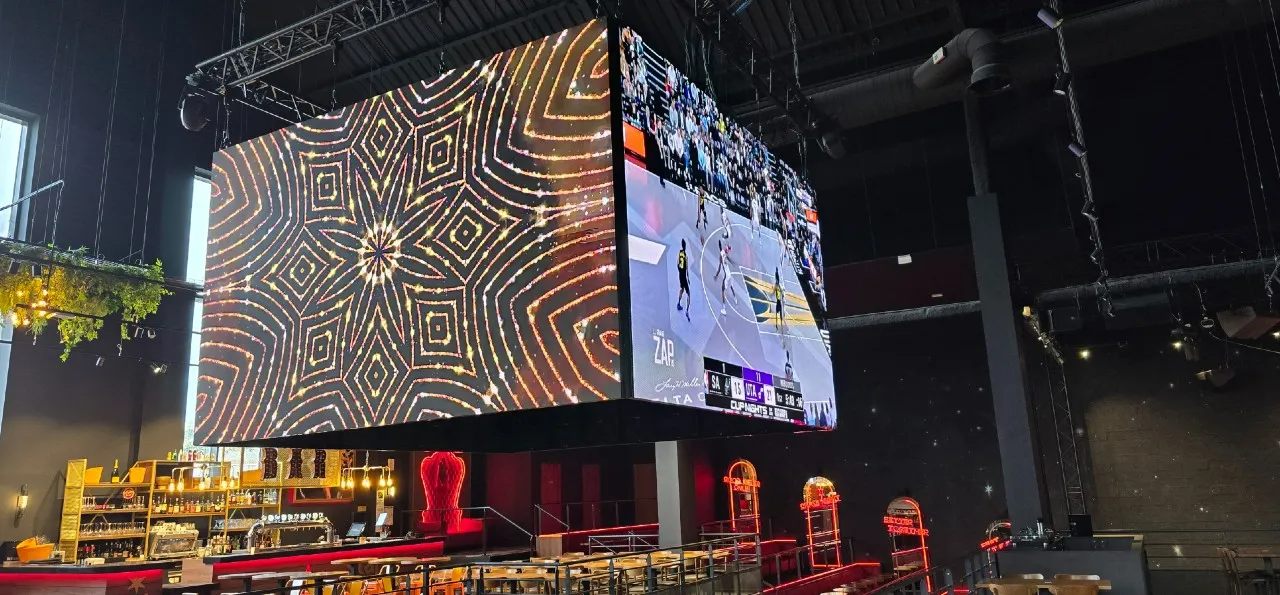
Indoor LED display screens have become essential in today’s visual communication settings. These include conference halls, retail stores, control rooms, and entertainment spots. They create bright colors, strong brightness, and smooth image changes. This has changed how people share information and experiences. By adding these displays, groups can make engaging presentations. They hold audiences’ attention well. At the same time, they keep work flexible. These setups work great in showing clear visuals under different light levels. Their piece-by-piece build allows for smart arrangements. This boosts building looks without hurting how well they run. Energy saving, long life, and quick content changes make indoor LED display screens a key part in modern digital setups. Key Features That Define a High-Quality Indoor LED Display A top indoor LED display stands out through various tech traits. These ensure great image sharpness and steady work. Pixel pitch matters a lot. It sets the detail and clearness of pictures from nearby views. Options like P1.2 or P1.5 give fine details. They fit pro spots such as studios or command areas. Fast refresh speeds stop flickering and fuzzy movement. This helps a lot in TV or live shows. There, smooth action display is vital. Good color matching keeps even tones over the whole screen. It avoids shifts that might bother watchers or mess up brand images. All these traits work together. They promise steady color output and exact picture show across every part. The Role of Technology in Enhancing Visual Performance New tech has boosted how well indoor LED displays perform. Better driver chips handle more gray levels and sharper contrasts. This leads to darker blacks and truer shade shifts. Adding HDR (High Dynamic Range) tech widens light ranges and color depth. It makes pictures seem more real with added depth. Smart control setups also matter greatly. They let real-time content handling and far-off checks. Operators can tweak brightness, contrast, or color balance on the fly. They adjust for room lights or content style. Thus, people get the best results with little hands-on work. This is key for big setups that need non-stop running. Which Are the Top 5 Indoor LED Display Screens for Stunning Visual Experiences? The market has many choices for great indoor visuals. Yet, some models shine due to their careful build and wide use. 1. Fine-Pitch LED Display Series (P1.2–P2.5) This line suits TV studios, control spots, and company entrances. There, super-high detail is crucial. Smooth joining tech makes no seen lines between parts. It forms one even view area. This works for close data views or company talks. The front-access build eases fixes. It lets simple reach to inside parts. You do not need to take apart the whole thing. This cuts time and work costs. 2. UHD LED Video Wall System This setup fits deep visual spaces that need big screens. It handles 4K/8K play with true colors and even brightness over parts. Its piece-based frame allows growth from tiny meeting areas to huge show spaces. It keeps steady quality all along. The UHD setup’s strong processing part ensures easy play. Even tricky animations or hands-on sessions run well. 3. Flexible Indoor LED Display Panels Bendable LED parts bring fresh ideas to building plans. They curve around rounded spots or make special forms for art setups. Their light weight lowers building stress needs. Yet, they stay tough during often changes. This fits shows or stage events where change matters most. 4. Transparent Indoor LED Display Screen See-through screens mix digital shows with room views. They suit store fronts or display areas. The goal is to draw eyes without blocking natural light. With clear rates over 60%, these keep open space feel. At the same time, they show bright pictures. This boosts item shows or ad messages well. 5. Ultra-Thin Lightweight LED Panels Super-slim parts make the most of space. They give strong brightness and clearness like thicker ones. Fast-lock ways speed up putting together. This helps short-term events like trade shows or meetings. Also, their smart heat control tech lengthens life. It keeps steady temps during long use times. How Do Installation and Maintenance Affect Long-Term Performance? Right setup steps shape how steadily indoor LED systems run over time. Wrong panel lining can make seen lines. These break smooth views. So, exact lining tools should be used in early stages. Best Practices During Installation Workers need sure power links. This stops power swings that might harm LEDs later. Brightness tuning should fit room light levels. It ensures good sight without too much shine or power loss. Maintenance Strategies for Optimal Operation Regular checks keep picture evenness. They stop pricey stoppages. Usual looks find dead spots early. This stops spread over parts. Use approved clean fluids only. Rough stuff might harm cover layers on LEDs. Software updates improve control work. They add new tools or fix errors from makers. Why Choose Shenzhen Longcheng Photoelectric Technology Co., Ltd as a Reliable Supplier? Shenzhen Longcheng Photoelectric Technology Co., Ltd leads in making strong indoor LED display fixes. These fit pro uses around the world. Company Highlights and Strengths The firm has a wide range of items. This includes fine-pitch, bendable, see-through, and super-slim panel styles. They match varied job needs. These go from company talk nets to fun spots. Its tough quality check covers all make steps. From start materials to end tests, it ensures steady trust in every send-out. Plus, Shenzhen Longcheng Photoelectric Technology Co., Ltd gives full after-sell help. This covers setup tips, tech learning plans, and quick fix services. Clients get the most worth over the full product life. What Are the Emerging Trends in Indoor LED Display Technology? The indoor screen field grows fast. It heads to finer details with smart auto features. These match world green aims. Advancements Driving Future Development AI-based content setups join new control bases. They allow change tweaks based on watcher actions or room input loops. MicroLED use speeds up. It offers better contrast and longer run times than usual SMD LEDs. Also, need rises for smooth curved screens. They fit well into building forms. This raises look appeal and deep pull in business insides or open setups. How Do You Select the Right Indoor LED Display Screen for Your Project? Picking the best model needs close look at room factors. These include space size, light strength, planned view range, and fix reach limits for each use case. Factors Influencing Selection Decisions Pixel pitch choice must match hoped view ranges. Smaller ones give keener details up close. But they raise cost per area. Bigger ones fit wide groups far off in a cheap way. Brightness should fit inside light levels. This avoids extra power use. Piece systems give growth perks. They work when later add plans are there. You can add more parts smoothly. No need to swap old setups fully. Conclusion: Elevating Visual Communication Through Advanced Indoor LED Displays Indoor LED display screens keep changing how pros share strong visual moments across fields. From company talk nets to fun make spots, they demand exact pictures under changing states. Teaming with trusted sellers like Shenzhen Longcheng Photoelectric Technology Co., Ltd gives entry to fresh tech. It is built for trust. Plus, it boosts money return through steady top work over long run times. FAQs What is the ideal pixel pitch for indoor applications? For near-view spots like meeting rooms or store areas, pixel pitches from P1.2–P2.5 give fine clearness. They avoid seen pixels. This balances detail good against setup cost well. How long do indoor LED display screens typically last? Top indoor LEDs can run well past 100,000 hours. This happens with good care under set temp ranges. It keeps steady light output over the full service time. Can indoor LED displays be customized in shape or size? Yes—piece build allows bendy change options. It lets curved setups or big video wall groups based on job needs. Without hurting picture flow over linked units.
Home
WhatsApp
Email
Contacts