
Nullam dignissim, ante scelerisque the is euismod fermentum odio sem semper the is erat, a feugiat leo urna eget eros. Duis Aenean a imperdiet risus.
Nullam dignissim, ante scelerisque the is euismod fermentum odio sem semper the is erat, a feugiat leo urna eget eros. Duis Aenean a imperdiet risus.
 author
LED display technology has seen major changes. These changes have brought about flexible screens. They change how we present visual media. Unlike old stiff LED panels, flexible LEDs offer changeable shapes and adjustable features. These suit tricky design needs.
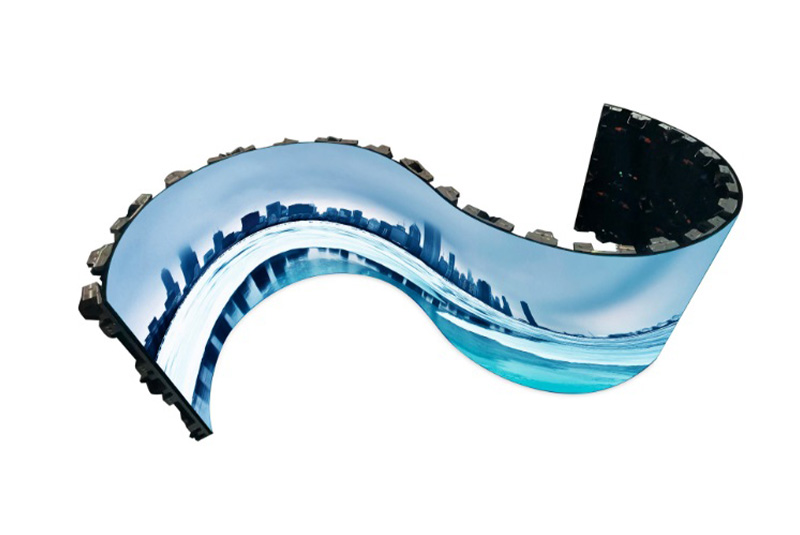
Flexible LED screens use soft PCB substrates. These let the screens bend and curve without harming electrical function. This new structure takes the place of stiff printed circuit boards in standard LED displays. Those boards rely on metal frames for physical support. Light materials like silicone or rubber boost both bendability and toughness. So, these screens handle repeated physical stress well. Plus, their bendy quality lets engineers make smooth curves and natural forms. Such forms were hard to achieve with stiff modules before.
A key benefit of flexible screens is their skill to fit curved surfaces, round columns, or uneven building shapes. This skill turns still spaces into engaging digital areas. On the other hand, standard LED displays stick to flat setups with set angles. This limits creative options. The piece-by-piece design of flexible LEDs also makes it easier to blend into building projects. Designers can put together custom shapes without big structural changes. As a result, setup time drops. At the same time, it boosts visual variety.
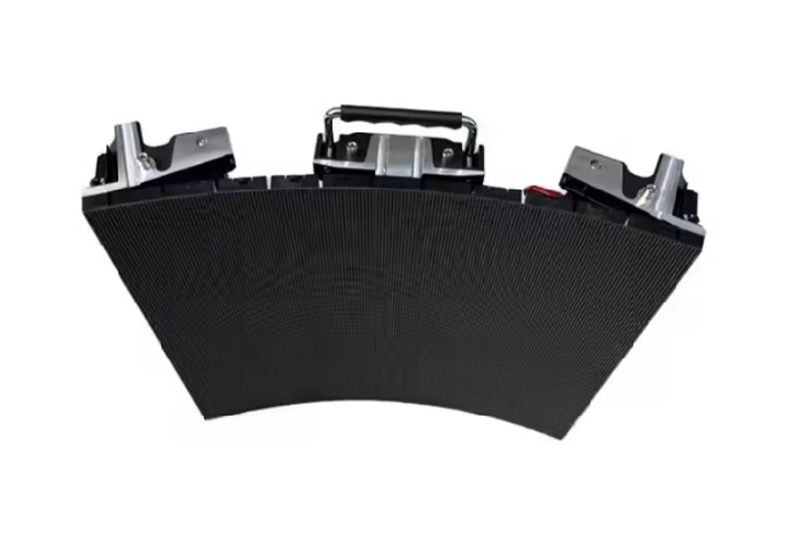
Another key difference is how easy maintenance is for the two types. Flexible modules come in divided setups. These allow fixing or swapping just the damaged parts. Stiff displays often need a full panel swap. That leads to more downtime and higher costs. Also, flexible screens show better resistance to shocks. This comes from their stretchy materials. They work well in active settings like concerts or shows. There, shakes and handling happen often. This strength helps keep long-term work steady. It also cuts down on how often you need maintenance.
To check performance between flexible and regular LED systems, we look at brightness level, resolution evenness, refresh rate steadiness, and color match precision.
Flexible screens and regular LED displays both give strong brightness for inside or outside use. Yet, flexible LEDs keep steady color match even when bent or formed around curved areas. This matters a lot for keeping clear visuals in non-straight setups. Smart pixel adjustment methods ensure even light across odd shapes. They fix angle twists that come with curved plans.
Flexible LEDs often use a bit less power. This happens because they use better driver ICs made for low-voltage work. Their better heat-handling materials help spread heat well, even in tight spaces or small building areas. Regular LEDs stay power-saving for fixed spots. But they might need extra cooling in packed setups. The mix of lower power use and better heat control lengthens work life. It also cuts down on harm to the environment.
Curved setups from flexible screens improve engaging view experiences. They wrap viewers in the visual content. This helps a lot in fun spots or show halls where space involvement counts. In contrast, rigid displays keep steady image quality over wide flat areas. That suits big ad boards or control areas where exact sight is key. Choosing between them depends mostly on where the audience sits and the light around.
The special physical traits of flexible screens open up creative chances that standard stiff panels can’t reach.
Flexible LEDs do great in blending into buildings, like curved walls, domes, stages, or show booths. Standard panels can’t fit smoothly there. Their power to make nonstop 360-degree visual effects lets images flow without breaks around tricky structures. This boosts brand notice through fresh space stories. It mixes building design with digital content sharing.
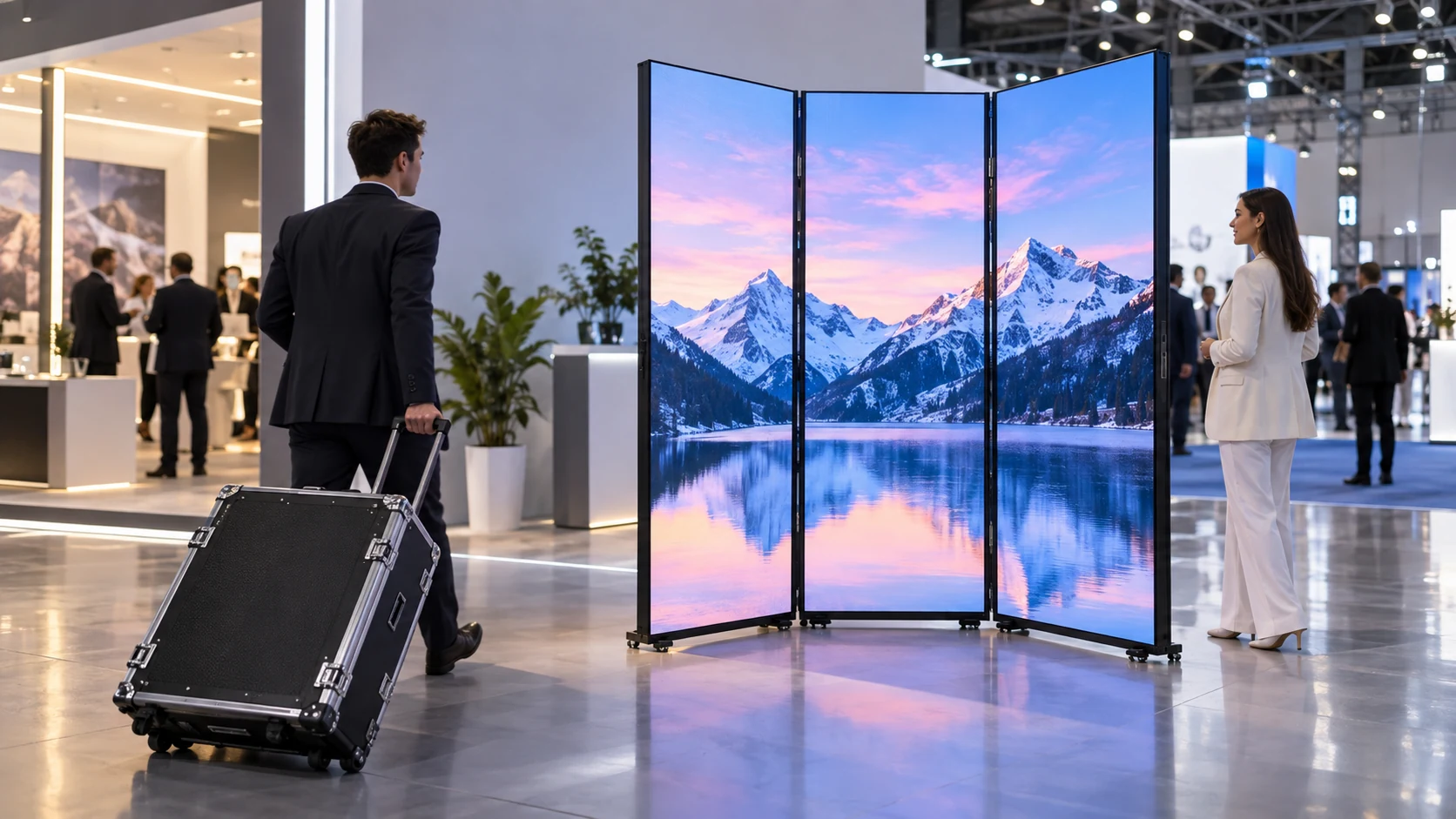
The light build of flexible screens makes quick put-together and take-apart easy for events or traveling shows. Heavy stiff panels cost more to move because of their weight. Transport fees drop a lot due to small pack sizes. For short-term setups that move often, like trade fairs or live acts, flexible LEDs offer top ease in planning. They do this without losing display quality.
In store spots like malls or display rooms, flexible LED screens act as lively ad tools. They can wrap around stands or columns to draw customer eyes from many sides. Their moving curved visuals spark interest. They also match current building styles that focus on flow and motion-based design talk.
To judge costs, we cover not just starting money but also running costs over time. This includes how often maintenance happens, power use, and how well they can be reused.
Flexible screens usually cost more at the start. This is due to special materials and better making methods. But they give big long-term worth through less need for fixes and flexible reuse in different projects with varied setups. Regular LEDs stay cheap picks for usual fixed spots that need little change. There, money limits matter more than design bend.
Flexible systems’ lower power use helps cut energy bills right away during long run times. Their piece-by-piece swap option cuts stop time in fixes. You can change single parts without taking apart the whole thing. Stiff panels might face higher move costs when shifted often. This comes from weight-handling issues.
Shenzhen Longcheng Photoelectric Technology Co., LTD shines as a skilled maker. It focuses on strong LED answers made for both creative bend and work reliability.
The firm puts a lot into research and growth of flexible LED modules. These are built for tough setups around the world. It gives full custom services that match different client project needs. At the same time, it keeps solid supply chain handling for on-time delivery to places across the globe.
All products pass strict world standards like CE, RoHS, and FCC. This ensures they follow global safety rules. Clients get full tech advice packs. These cover setup help and quick after-sales care setups. The firm is known in the field for new ideas in flexible display making top quality.
As buyer hopes grow for adjustable digital fixes that blend well into real spaces, both flexible and regular display tech keep moving forward fast.
New growths like super-thin micro-pitch LEDs widen creative place chances. They bring high-detail images on bendy bases. Linking with AI-based content control systems adds live interaction. This lets context-based visual talk plans that adjust across areas like store ads and fun spots. Clear flexible LEDs are expected to mix digital signs right into building glass faces. This makes mixed smart fronts that join looks with work.
Coming eco-kind parts try to cut electronic trash through reusable bases. This pushes round product life paths that match world green aims. Power-saving circuit plans add more to fit global green tech drives. They stress lower carbon marks all through making lines.
Deciding between flexible screens or regular LED displays comes from a full check of project size, space conditions, money limits, and planned design results. Flexible LEDs stand out where creative curves or movement set win measures. Traditional stiff systems still lead in still big-scale uses that focus on cost hold and evenness over wide flat areas. A fair check that mixes tech details with work aims makes sure top work fit just to use needs.
Yes, today’s flexible LEDs use tough materials that resist bend wear. This makes them last about as long as regular ones under right work settings.
Some types are made just for outside use. They include water-proof covers with UV guard layers. Plus, they have higher brightness levels.
Main things to think about include how the setup surface shape fits, need for change, how often it moves, money plan, brightness goals, and expected life work aims before picking.












Leave a comments