
Nullam dignissim, ante scelerisque the is euismod fermentum odio sem semper the is erat, a feugiat leo urna eget eros. Duis Aenean a imperdiet risus.
Nullam dignissim, ante scelerisque the is euismod fermentum odio sem semper the is erat, a feugiat leo urna eget eros. Duis Aenean a imperdiet risus.
 author
Selecting the right modular LED screen involves a thorough review of its key performance features, environmental suitability, and planned use. Experts need to evaluate how each technical detail supports viewer interest and smooth operations.
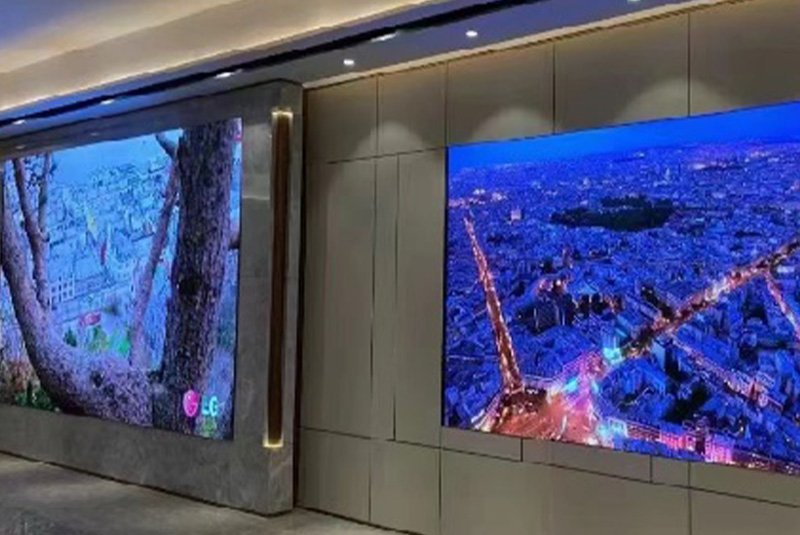
Pixel pitch means the space between two nearby pixels. It plays a key role in the sharpness of LED displays. A finer pixel pitch offers better resolution and clearer images. This works well for nearby viewing in places like meetings or shows indoors. On the other hand, wider pixel pitches save money for outdoor setups. There, people watch from a greater distance. Finding a good match between pixel pitch and funds helps keep picture quality up to what viewers want. It avoids extra spending. For example, picking a 2.9mm pixel pitch for an indoor gathering gives sharp details. At the same time, it stays affordable compared to very fine 1.2mm choices.
Brightness sets how well you can see the screen in different light. Outdoor LED screens need strong brightness. This often goes over 5000 nits. It keeps text clear in bright sun. Indoor uses do best with softer brightness to avoid eye strain. Contrast ratio shows the gap between the deepest black and the strongest white on the screen. It impacts color richness and lifelike quality. Keeping steady settings across all parts is vital. This ensures even brightness and true colors in big setups. It matters a lot in live shows where smooth visuals count.
A fast refresh rate cuts down on flicker during video or live feeds. This is especially true when cameras record at matching speeds. LED screens for pro events usually have refresh rates over 3840Hz. They provide smooth movement. True color output boosts brand recognition. It shows logos and media in their real shades. Even refresh rates across linked modules avoid image breaks or timing problems. These issues can happen when switching between video parts.
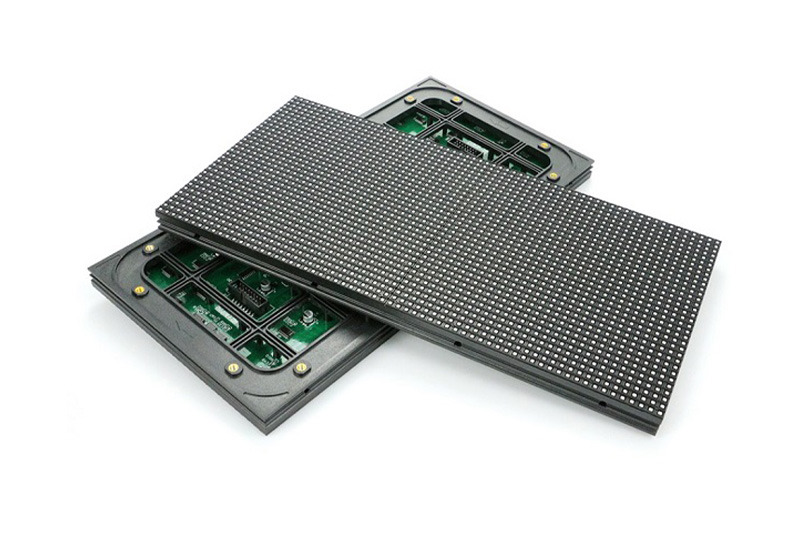
Setup details and repair ease greatly shape both quick deployment and lasting dependability of modular LED systems.
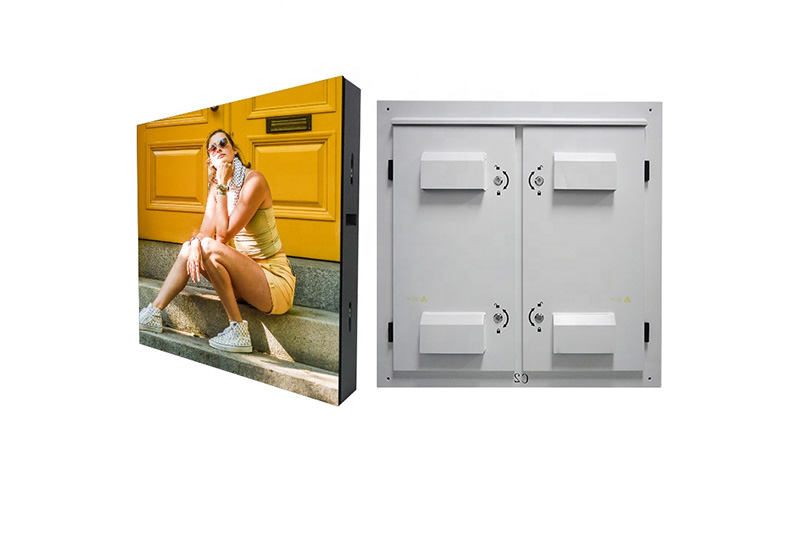
Indoor setups focus on tight pixel pitch, light weight, and nice fit with building or stage designs. Outdoor ones call for tougher builds. They use weatherproof cases rated IP65 or higher. This protects against dirt, water, and weather changes. Plus, outdoor LED displays need good cooling systems. These keep work steady under long sun exposure. Things like moisture in the air also affect how long parts last. They influence how often you need to check or fix them.
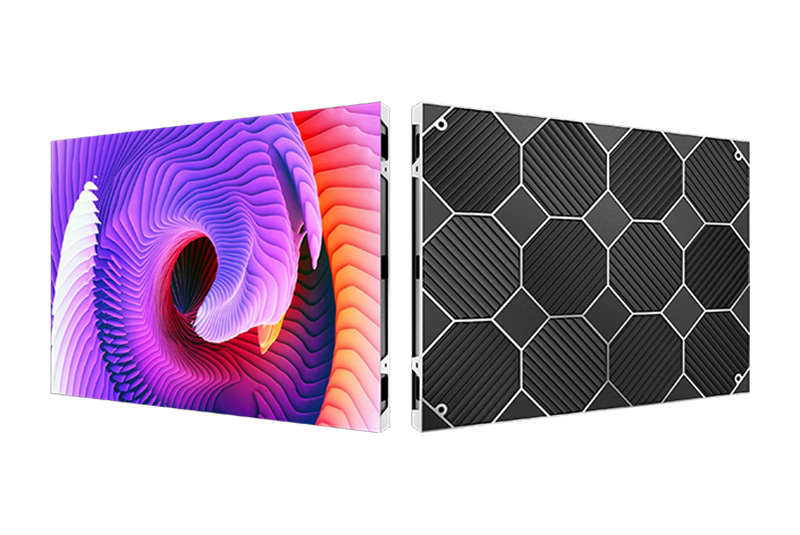
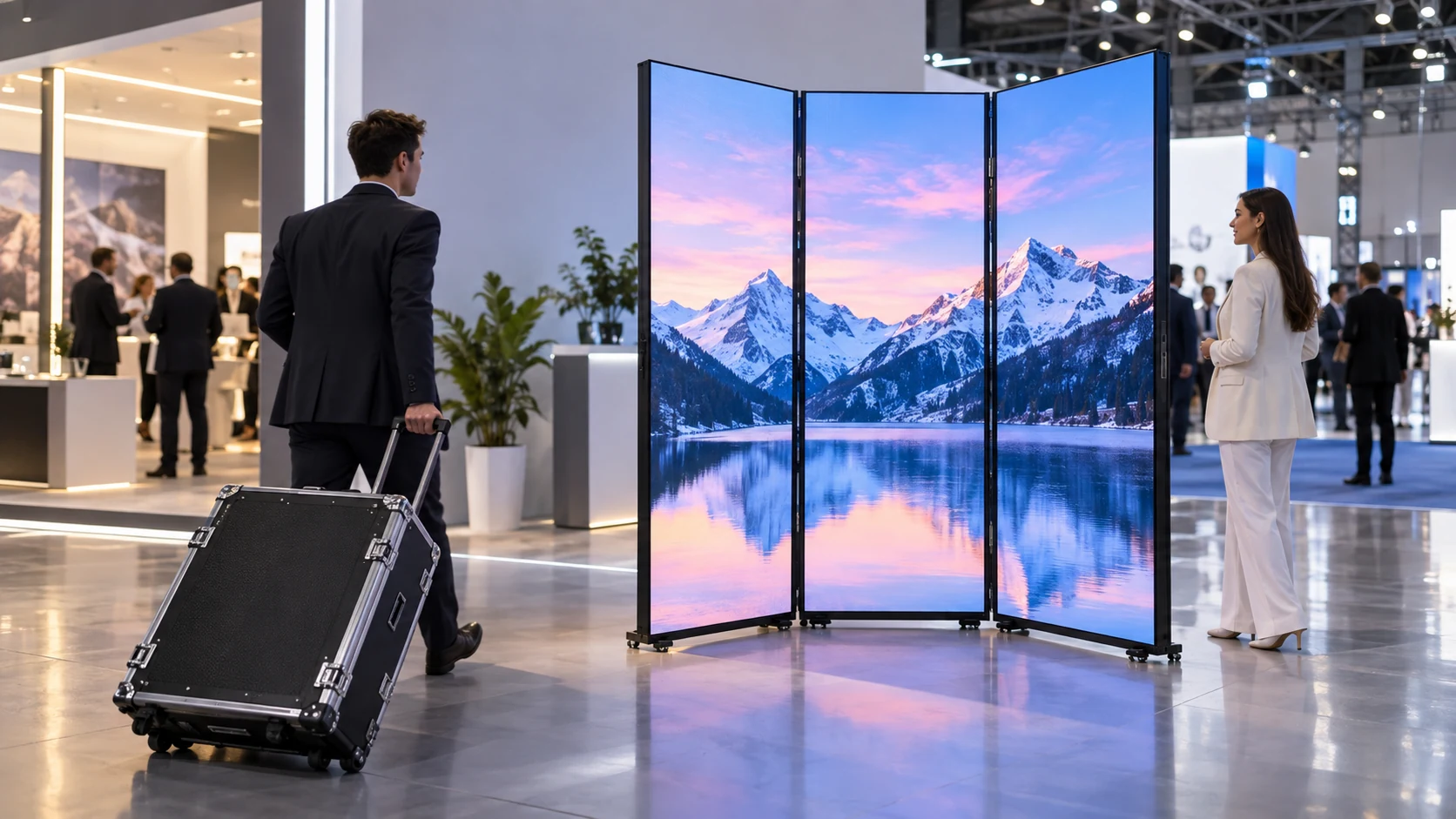
Modular setup lets you put together and adjust LED screens quickly. It fits various stage sizes or room plans. Standard module shapes make planning easier. They cut down on build time during event changes. Many new systems use simple locks without tools. Technicians can join panels firmly without special gear. This helps in busy settings like traveling music shows or display fairs.
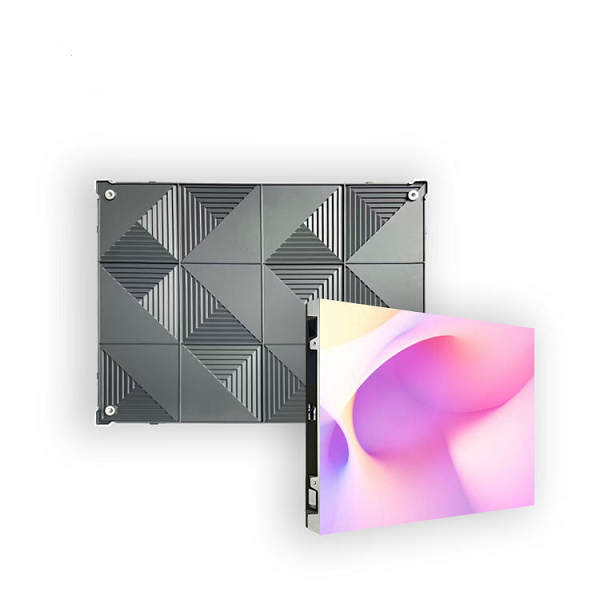
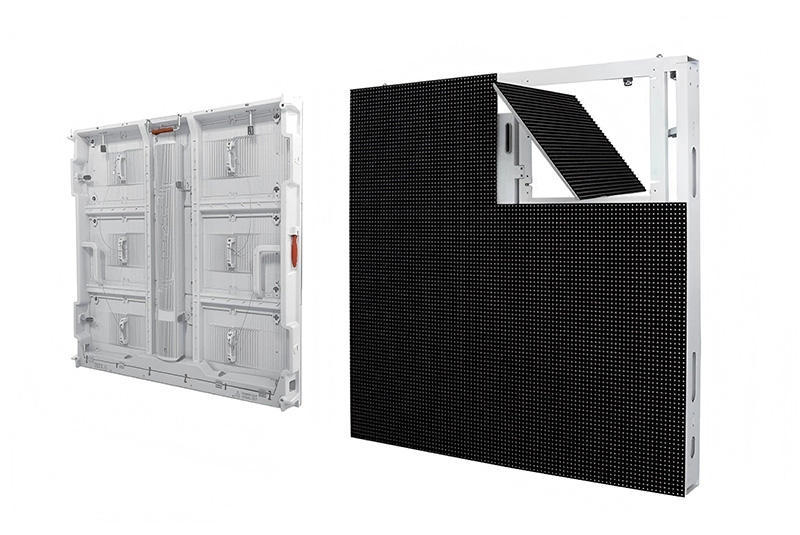
Repair design affects how much time the system runs without issues. Front-access modules let workers swap parts without taking down the whole thing. This suits wall setups with little space behind. Rear-access types fit free-standing designs. There, staff can reach from the back. Hot-swappable modules boost reliability. They allow fast changes during live use without stopping the show. Built-in check software watches power levels, heat changes, or signal quality right away. It spots problems early. This stops them from turning into clear faults.
The kind of content you show guides the tech needs for modular LED screens. It helps get the best picture quality.
Full-HD video talks need small-pitch displays. They handle detailed pictures up close. Simple brand images or text info work fine on coarser panels. They keep things readable. Making sure the screen’s built-in sharpness matches the input avoids stretch problems. These can blur edges during play. It’s key for business logos or online ads where exactness counts.
Matching the content’s frame speed to the screen’s refresh rate gives smooth flow. It avoids jerky motion. For real-time events like sports or music shows, LED screens that handle 60Hz or more keep things steady. This links camera views to screen output without breaks. Good timing also cuts delays. Those could mess up quick performances or hands-on media shows.
Smart money planning lets event planners get the look they want. It also improves value over repeated uses.
Renting modular LED screens gives freedom for single events or tight funds. It skips ongoing storage and fix costs. Buying pays off for groups with regular events or fixed spots. Ownership lets you tweak and reuse often. Full cost checks should cover side expenses too. These include moving gear, extra parts stock, tuning services, and protection plans. They help figure the true long-term price.
Setting main aims helps pick which features give the best gain for viewer enjoyment. For instance, open-air music gatherings might stress brightness more than super-sharp detail. That’s due to how far people stand. Business displays could focus on true colors for steady branding. Skipping extra high specs saves cash. You can use it for better content ideas or audio gear. Working with skilled providers helps make custom setups. They fit tech power to money limits.
Shenzhen Longcheng Photoelectric Technology Co., Ltd focuses on strong modular LED displays for pro uses around the world. Their items blend top making methods with tight quality checks. This ensures steady work in tough spots like music events, shows, business gatherings, and outside ads.
Wide choice of items for indoor, outdoor, rental, and fixed setups. Their own research group works on new ideas in power saving and clear visuals. Full after-support covers tech advice, parts supply, and far-off fix help. Their drive for steady upgrades keeps reliable running in many weather types. It holds top picture standards in every line.
Choosing a modular LED screen means matching tech details like pixel pitch, brightness, and refresh rate steadiness. You also consider setup ways and repair ease. Knowing how content type shapes sharpness needs lets pros pick right models. They balance work with money savings. Teaming with a trusted maker like Shenzhen Longcheng Photoelectric Technology Co., Ltd brings top engineering know-how. It offers solid help systems too. These are vital for great visual results in all kinds of event types.
For indoor corporate events where viewers are typically within 3–10 meters from the screen, a pixel pitch between 1.5mm to 2.9mm provides excellent clarity without excessive cost.
Select models with high brightness ratings (above 5000 nits), IP65-rated weather protection, and efficient heat dissipation systems to maintain stable operation under sunlight exposure.
Yes, modular designs support flexible deployment—lightweight panels enable quick assembly for temporary events while robust structures allow secure mounting in permanent venues.












Leave a comments