
Nullam dignissim, ante scelerisque the is euismod fermentum odio sem semper the is erat, a feugiat leo urna eget eros. Duis Aenean a imperdiet risus.
Nullam dignissim, ante scelerisque the is euismod fermentum odio sem semper the is erat, a feugiat leo urna eget eros. Duis Aenean a imperdiet risus.
 author
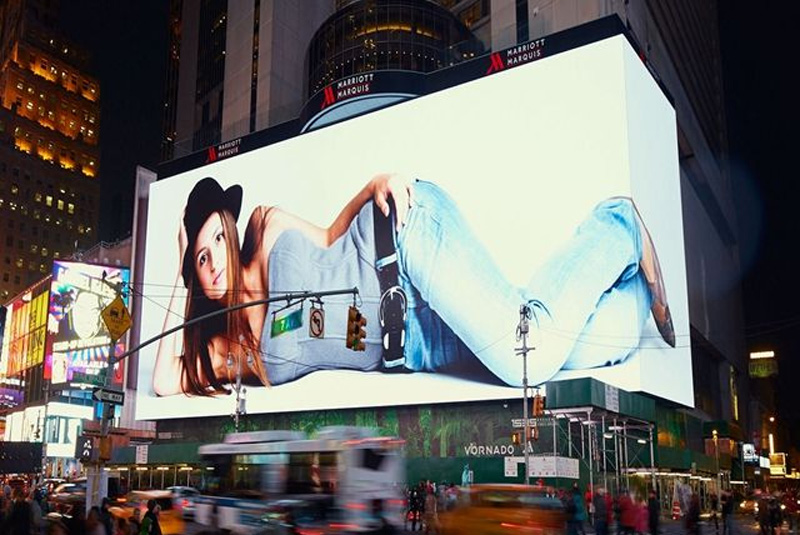
Outdoor advertising increasingly relies on fixed LED displays because they deliver high visibility, long service life, and excellent adaptability to environmental challenges. A fixed LED display is designed for permanent installation in outdoor locations such as highways, shopping centers, and stadiums, where continuous operation and weather resistance are essential.
Fixed LED displays are a stable solution for long term use. We make use of weather resistant materials to build our displays, and they are able to withstand the forces of rain, dust and UV light. We use high brightness LEDs to ensure that the display is always visible from far, even in direct sunlight. A fixed display such as this requires a stable structure and power supply to operate continuously for years. Also, we have designed many of our displays with cooling systems to prevent overheating while in use.
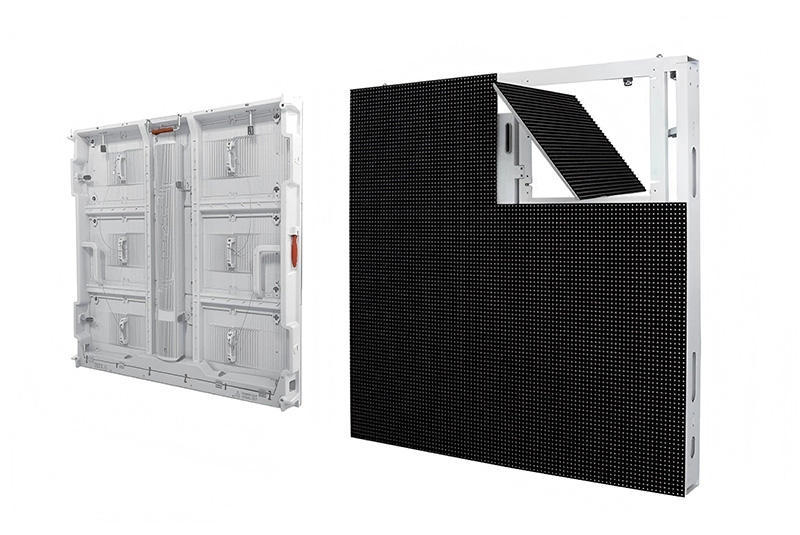
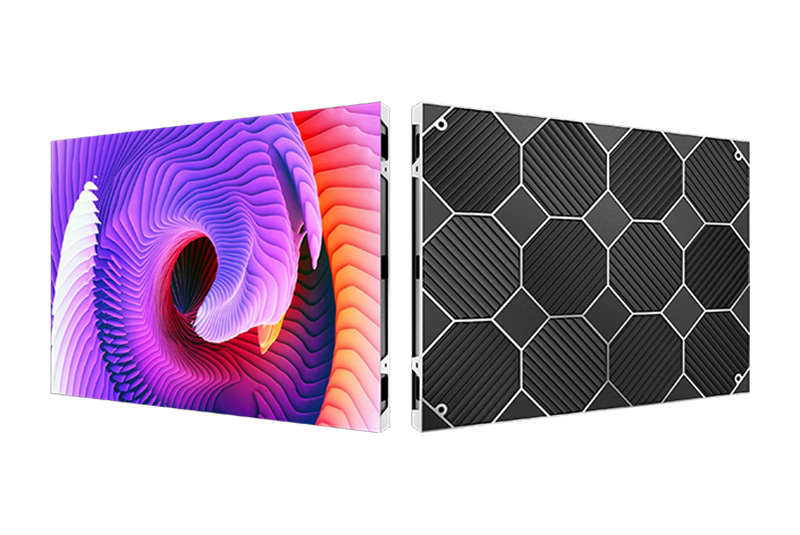
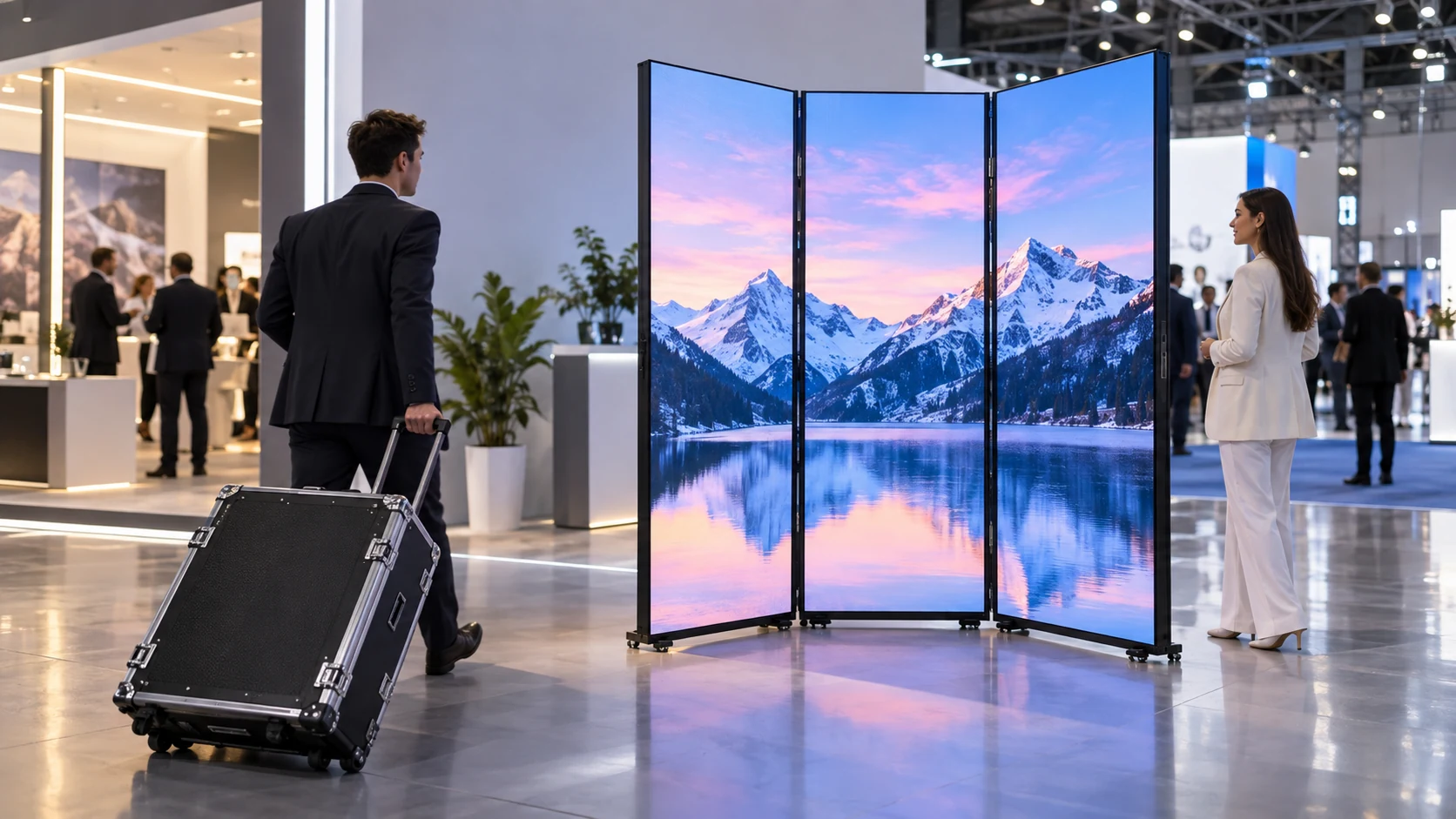
Although both fixed installations and rental LED displays use the same technology, there are two fundamentally different approaches from an engineering perspective. On the one hand there is the approach for fixed installations, which are not transportable and therefore are primarily designed to be reliable for the long term. On the other hand there is the rental approach, which is based on a modular, light-weight design for repeated setting up and taking down at events and temporary exhibitions. In terms of maintenance access, fixed installations are often designed with a front or rear service approach depending on the surrounding building. The cabinets for rental screens are designed with a quick-release mechanism to allow for rapid setting up. The cooling concept for fixed displays is more robust due to 24/7 operation in outdoor weather.
Picking the right outdoor LED billboard for you needs careful consideration of the technical specifications listed. Each of these parameters has a direct bearing on the functionality of your digital signage, the image it displays, and your return on investment.
Pixel pitch — the distance between two adjacent pixels — determines the resolution and optimal viewing distance of an outdoor display. Smaller pixel pitches provide sharper images but significantly increase cost due to higher diode density. For roadside billboards viewed from long distances, larger pixel pitches (e.g., P8–P16) are typically sufficient. Conversely, urban pedestrian zones benefit from finer pitches like P4 or P6 to ensure crisp visuals at closer range.
Outdoor conditions demand high brightness levels, often exceeding 5,000 nits, to maintain visibility under sunlight. Automatic brightness adjustment sensors improve energy efficiency by dimming the screen at night or during cloudy conditions. A higher contrast ratio enhances color depth and ensures readability even when displaying dark or complex content against bright backgrounds.
A high refresh rate of 3,840 Hz and above enables no flickering when playing a video or taking photos. For this reason, also advertisers record promotional movies on these screens. Grayscale processing of the highest quality ensures excellent transitions between the individual grayscales, without any so-called banding effects. Furthermore, a consistent color calibration of all panels is a very important criterion for agencies and advertisers. Only in this way, the brand values are properly preserved, and the required tone is also conveyed on all single screens of a campaign network.
Before a fixed LED display can be installed, an assessment needs to be made of the environmental stress and the load on the structure in order to guarantee safety and lasting quality.
To cater for outdoor use, modules are typically rated IP65 or higher for protection against dust ingress and rain. The use of sealed enclosures allows modules to be protected against corrosion in coastal or industrial environments where exposure to salty air or pollutants is a concern. In addition, outdoor modules are designed with effective ventilation to allow for cooling in hot climates, while preventing condensation in cold climates.
The supporting structure must be strong enough to withstand wind load, vibration and other dynamic forces without deforming. The Mounting system for the structure can be a framed wall mount for building site or a single or double pole structure for freestanding billboards. Adequate provision must be made for easy access for maintenance such as cleaning and replacement of modules.
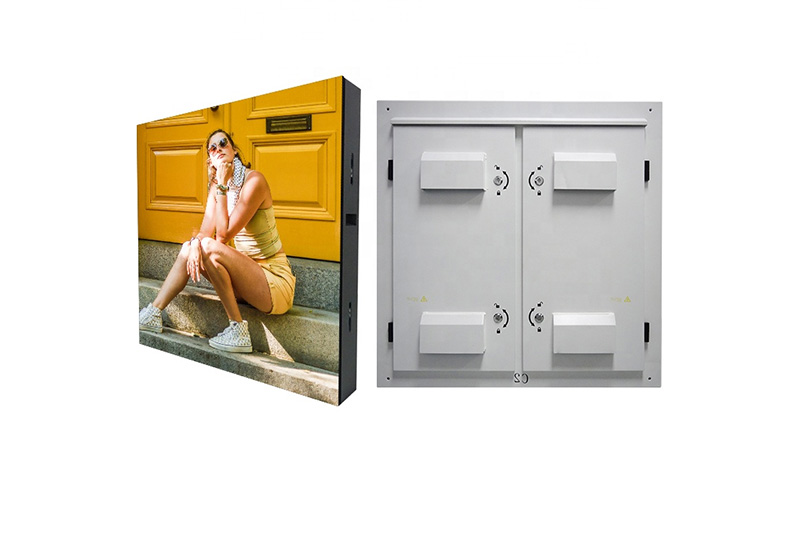
The power management and control architecture is critical to ensuring that large-scale outdoor displays are running stably.
Energy-efficient power supplies help save electricity over time for ongoing operations. Dual power input designs enable operation during power failures or other electrical incidents. Also, the relevant surge protection components are designed to absorb voltage spikes like those caused by lightning or other grid incidents and protect sensitive circuits from damage.
Control systems can be synchronous (real-time playback) or asynchronous (preloaded content). Synchronous systems suit live broadcasts or interactive campaigns requiring instant updates, while asynchronous controllers manage scheduled playlists autonomously. For large installations spanning hundreds of meters, fiber optic transmission ensures signal integrity with minimal latency loss. Remote monitoring platforms enable real-time diagnostics of temperature, voltage status, or communication errors across multiple sites.
Routine maintenance of the display is necessary to keep the display performing at its best throughout its lifespan.
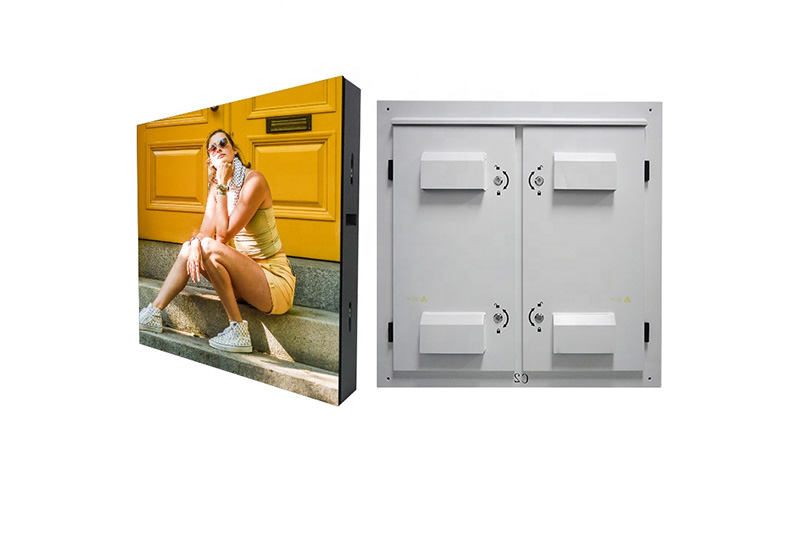
Front-access modules allow service work to be performed from the screen’s front side. As back access is hindered by walls etc. for larger installations with their own service corridors, the Rear-access cabinets are ideal. The choice between the two types of cabinets affects cabinet thickness, installation, costs and appearance.
Pre-scheduled cleaning of displays will prevent them from becoming clogged with dust which can negatively impact a display’s ability to dissipate heat. Calibrating the brightness of display panels on a regular basis will help to ensure that the overall luminance of all displays is consistent even though individual LEDs are likely to degrade at different rates over time. Updating of display firmware by the manufacturers of displays will enable better interoperability with newer versions of control software and also improve security by closing down any unauthorized access.
Beyond initial purchase price, evaluating total cost of ownership helps investors make financially sound decisions about outdoor digital signage projects.
Cost is initially a concern with cheaper products, as they may require more maintenance due to lower quality parts, and the design failing to cope with heat. However, the cost of energy over time is also crucial and using high-efficiency power modules can yield considerable savings over time. Using premium quality LEDs will also extend the life of them well after the end of the warranty period, thus reducing the number of times they need to be replaced and the amount of time lost due to failure.
Our goal was to identify quality suppliers and maintain quality assurance throughout the procurement and deployment process. We required suppliers to provide technical training for installers as well as guarantee availability of spare parts for future repairs. We also requested that suppliers provided extended warranties to demonstrate their confidence in the product’s durability as well as the location of local service centers to ensure prompt turnaround for any future upgrades or faults.
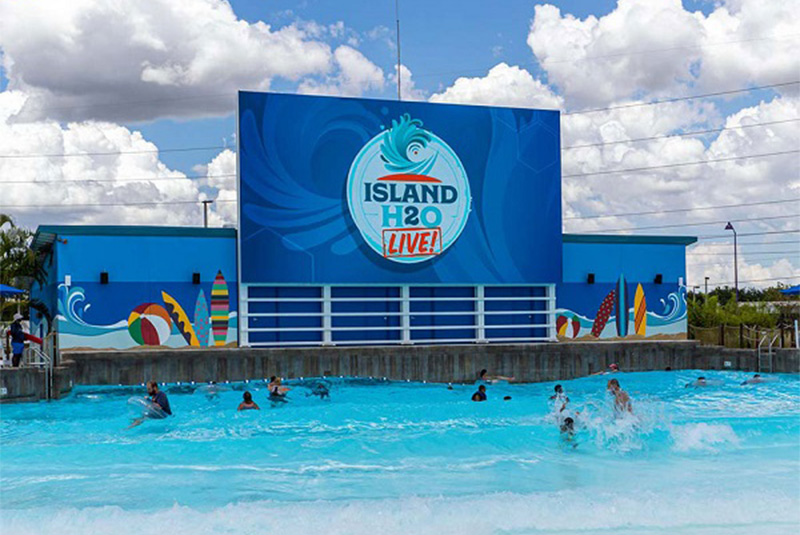
Even the latest technology is not enough to achieve optimal results on an LED advertising screen, excellent content is required to attract the audience.
The high contrast of the graphics will make them readable in varying daylight, outdoor environments. The motion graphics need to be subtle yet effective in grabbing the viewer’s attention when traveling at high speed and at a distance. It is also very important to maintain the correct aspect ratio to avoid any stretching artifacts, particularly when designing for ultra-wide billboards along highways or building façades.
Dynamic scheduling aligns advertisement playback with audience traffic patterns — such as rush hours near business districts or weekends at shopping complexes — thereby improving message reach efficiency. Integrating contextual data like weather forecasts allows adaptive campaigns (e.g., promoting cold beverages on hot days). Automatic brightness synchronization further refines viewer comfort by adjusting luminance according to ambient light intensity levels detected by onboard sensors.
Shenzhen Longcheng Photoelectric Technology Co., LTD. is a reliable supplier worldwide that provides fixed LED display for outdoor use. For clients from different fields like retail, public information and etc.Shenzhen Longcheng Photoelectric Technology Co., LTD. designs solutions in details for clients from beginning of project design to end of production, installation and even after sales service. Our engineer team puts much emphasis on quality guarantee of products by carrying out strict test steps to guarantee our products can meet the safety standard of overseas countries as well as provide best image quality and stable display effect in long time using.
Choosing the right outdoor LED billboard has to do with a mix of technical aspects, cost and the outdoor durability of locations. The key to achieving your brand goals and ensuring that the selected billboard will last long enough to generate a good ROI is in carefully checking the details of the specifications for the required pixel pitch, for adjustable brightness and for the structure’s durability in various weather conditions. Maintenance and the suppliers who are able to provide it are also important for achieving ROI, by minimizing losses due to downtime. With the right supplier, you are able to ensure that your billboards will keep reaching and influencing their audience for long enough to remain a worthwhile venture in highly competitive markets for advertising.
For highway billboards viewed from 30 to 100 meters or so away, P10 to P16 would be suitable for good image and no unnecessary cost for image of finer resolution to be seen from closer viewing distance.
Routine inspections every three months combined with annual professional servicing help sustain consistent brightness output levels while preventing component degradation caused by environmental stressors like humidity accumulation or particulate contamination buildup inside module housings.
Yes; external fixed displays can be designed to be efficient and reliable in all climates, utilizing an IP65 rated cabinet and intelligent thermal management. Such displays can function continuously in temperatures as low as -30°C and as high as +60°C. The unit functions under all weather conditions world-wide and is in full compliance with all industry standards.












Leave a comments