
Nullam dignissim, ante scelerisque the is euismod fermentum odio sem semper the is erat, a feugiat leo urna eget eros. Duis Aenean a imperdiet risus.
Nullam dignissim, ante scelerisque the is euismod fermentum odio sem semper the is erat, a feugiat leo urna eget eros. Duis Aenean a imperdiet risus.
 author
Retail is becoming more digital, data-driven, and customer-centric than ever before. As consumers increasingly expect personalized and immersive shopping experiences, retailers are investing in technologies that bridge the gap between physical stores and digital commerce.
Among these technologies, indoor LED display screens have emerged as one of the most effective tools for enhancing customer engagement, improving operational efficiency, and supporting omnichannel retail strategies.
From luxury boutiques and shopping malls to supermarkets and flagship stores, indoor LED displays are helping retailers create smarter, more interactive environments that attract customers and drive sales.
In this article, we’ll explore how indoor LED display technology is reshaping smart retail spaces in 2026, the key benefits for retailers, and what businesses should consider when choosing a commercial LED display solution.
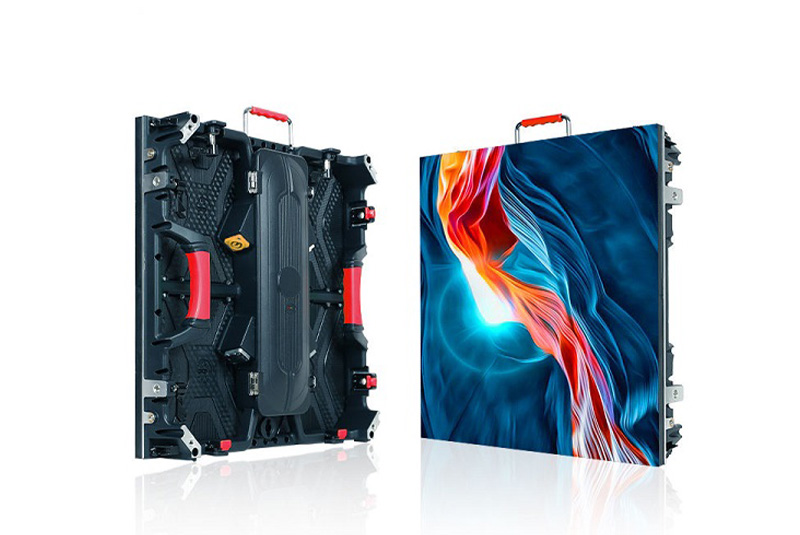
Traditional printed signage and static LCD displays can no longer keep pace with today’s fast-changing retail environment.
Modern consumers expect:
Indoor LED displays provide a flexible platform that allows retailers to update content instantly, showcase dynamic visuals, and deliver targeted messaging based on customer behavior.
Unlike conventional signage, LED video walls offer superior brightness, vivid color reproduction, and seamless large-format displays that remain visible even in brightly lit retail environments.
As retail spaces become increasingly connected through AI, IoT, and cloud-based management systems, LED displays serve as a central communication hub between brands and customers.
Visual communication plays a critical role in influencing purchasing decisions.
High-resolution LED displays capture attention more effectively than static posters by presenting:
Dynamic content helps retailers increase customer dwell time while creating memorable shopping experiences that strengthen brand recognition.
One of the biggest advantages of retail digital signage is flexibility.
Store managers can instantly update:
This eliminates printing costs and enables businesses to respond quickly to market changes.
For retailers operating multiple locations, cloud-based content management systems make it possible to synchronize campaigns across all stores from a single dashboard.
Today’s customers frequently move between online and offline shopping channels.
Indoor LED displays support omnichannel retail by connecting physical stores with digital platforms through:
This creates a seamless customer journey and reinforces brand consistency across all touchpoints.
Premium brands use fine-pitch LED video walls to showcase new collections, runway content, and immersive brand experiences.
The ultra-high-definition visuals help reinforce a luxury image while creating a visually engaging shopping atmosphere.
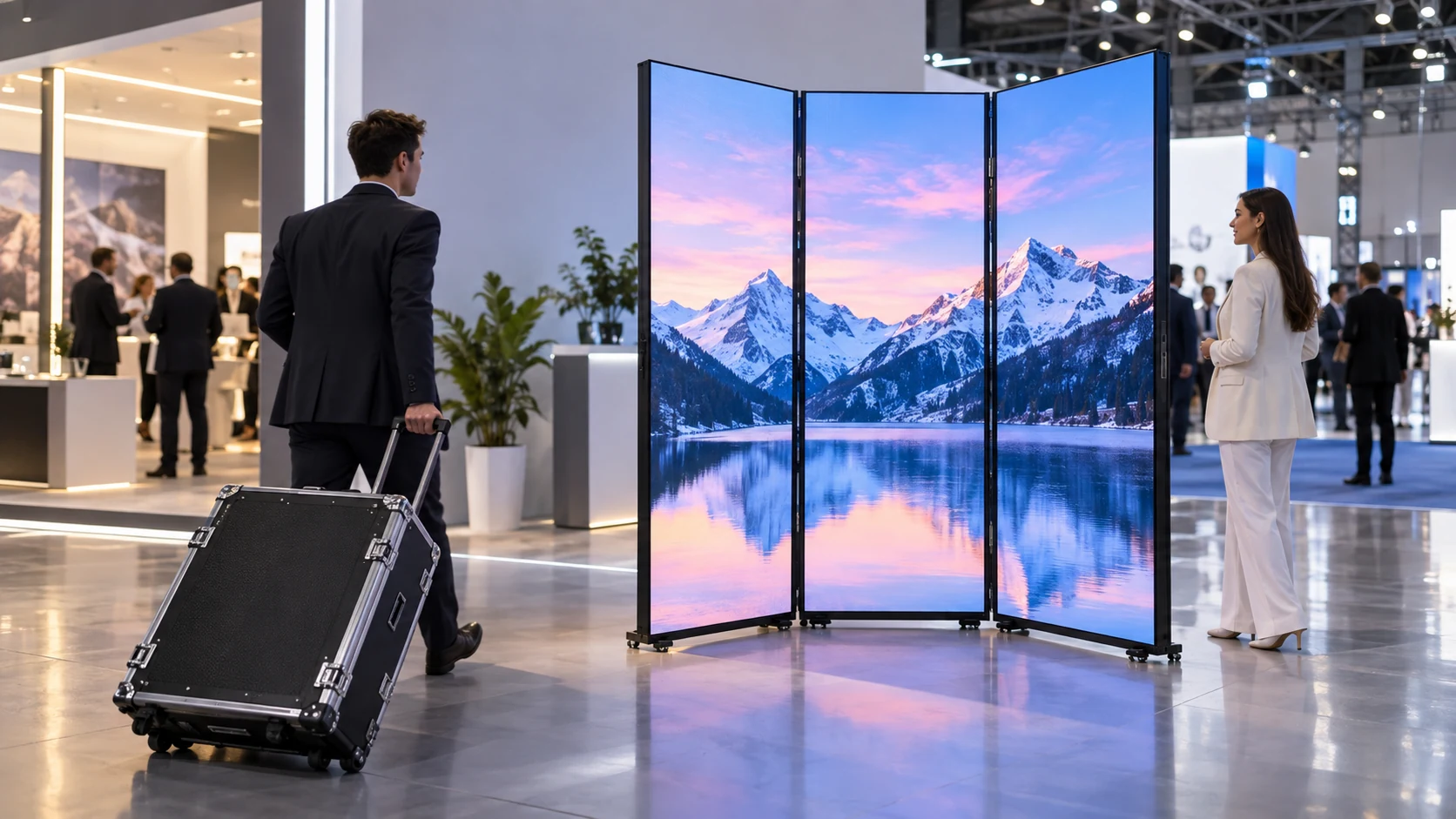
Large-format LED displays are commonly installed in atriums and public areas to:
These displays help improve visitor experiences while increasing visibility for participating brands.
Retailers use LED screens to display:
Real-time updates allow stores to react quickly to inventory changes and promotional campaigns.
Interactive LED displays help customers compare products, understand technical specifications, and explore product features through engaging visual content.
This reduces the need for printed materials while improving the shopping experience.
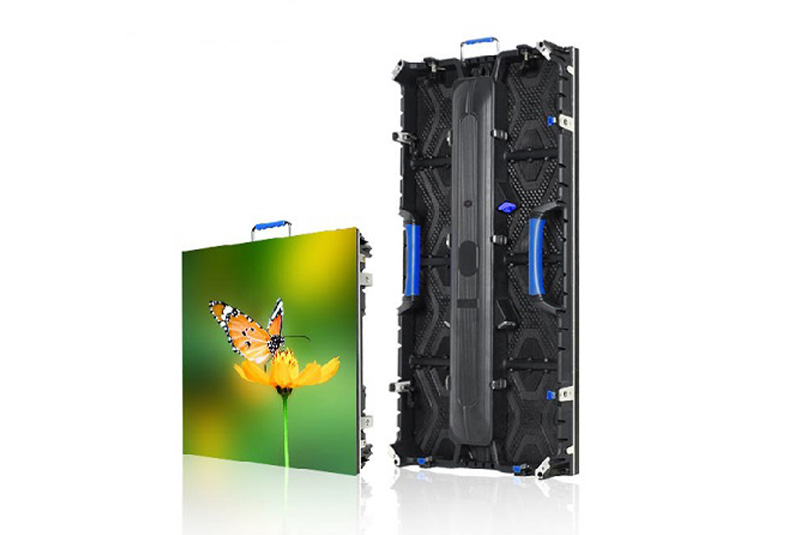
In 2026, indoor LED displays are no longer standalone screens.They are increasingly integrated with smart retail technologies.
Artificial intelligence can analyze customer demographics and shopping patterns to optimize displayed content.
Retailers can automatically present:
This improves content relevance and increases engagement rates.
When connected to IoT devices, LED displays can synchronize with:
This enables retailers to automate content updates and improve operational efficiency.
Many retailers initially view LED displays as a marketing expense. In reality, they are often a long-term business investment.
Key ROI drivers include:
Digital displays eliminate recurring expenses associated with posters, banners, and promotional materials.
Marketing teams can launch promotions instantly without waiting for printed assets.
Dynamic content attracts more attention and encourages customers to spend more time in-store.
Large-format LED video walls create stronger visual impact than traditional signage.
Real-time content updates reduce manual workload and streamline store communications.
When evaluated over several years, many retailers find that LED display systems provide significant value beyond advertising alone.
Not all LED displays are suitable for every retail environment.Before investing, retailers should evaluate the following factors:
Pixel pitch determines image clarity at different viewing distances.
Consider whether the display will be:
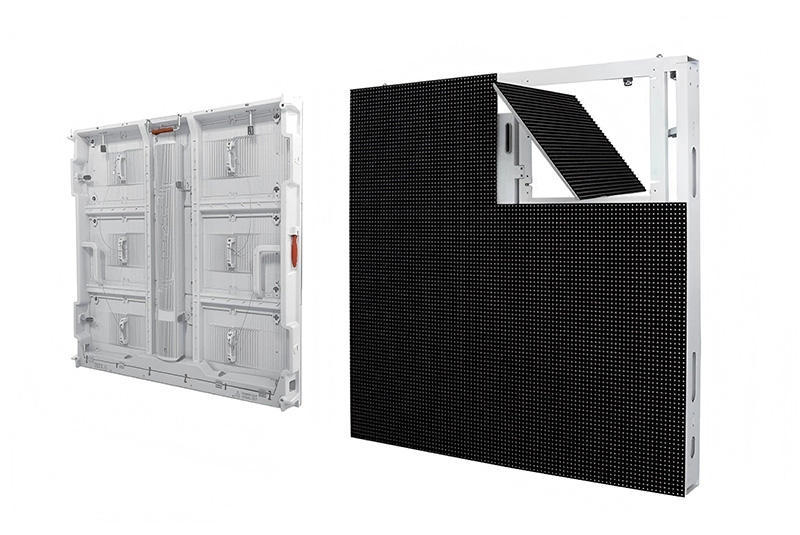
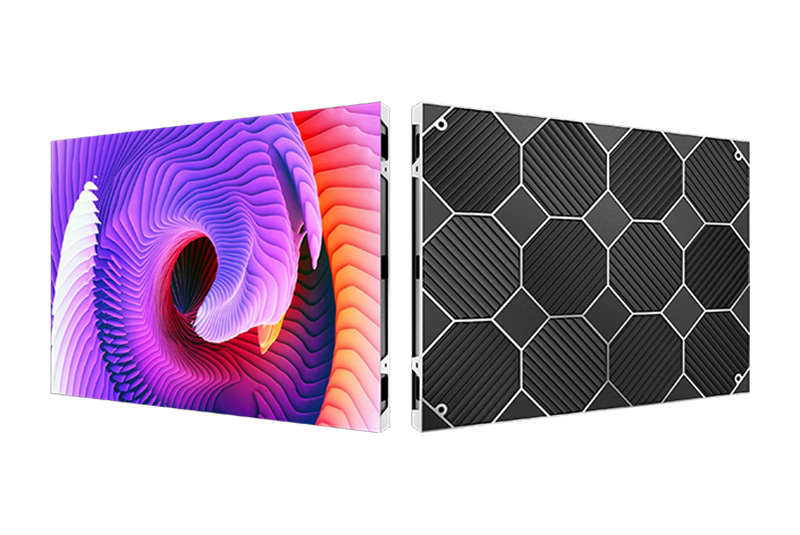
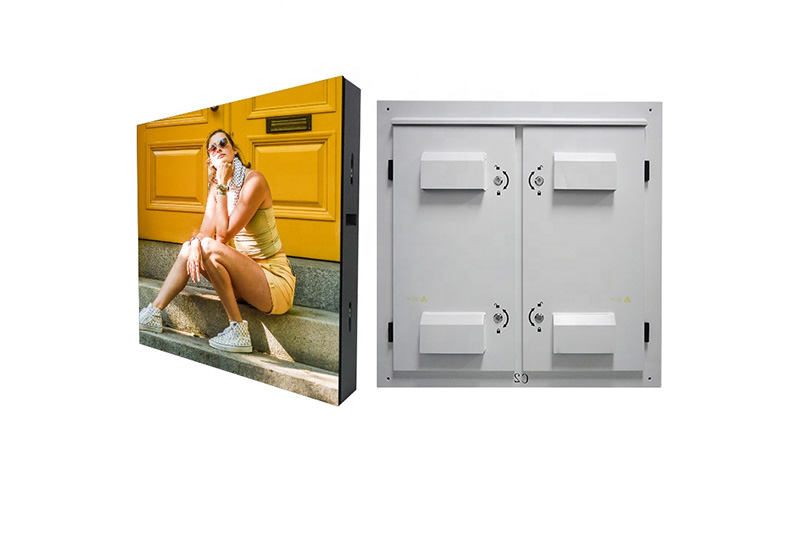
The installation method influences cabinet design and maintenance accessibility.
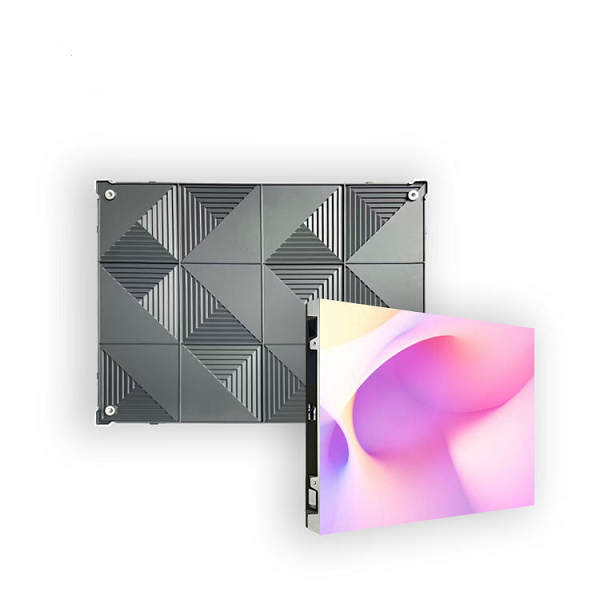
Front-service LED displays are ideal for locations with limited rear access.
Modular designs also simplify repairs and reduce downtime.
Modern LED displays feature low-power designs that reduce operating costs while supporting sustainability goals.
As retail technology continues to evolve, indoor LED displays are becoming much more than advertising screens.
They are transforming into intelligent communication platforms that combine data, automation, and immersive visual experiences.
Future trends include:
Retailers that embrace these technologies will be better positioned to meet changing customer expectations and remain competitive in an increasingly digital marketplace.
Indoor LED display screens are playing a central role in the evolution of smart retail spaces in 2026. By combining outstanding visual performance with real-time data integration, retailers can create more engaging customer experiences while improving operational efficiency.
Whether used for brand storytelling, promotional campaigns, omnichannel engagement, or smart store management, LED display technology has become a strategic asset for modern retailers.
When selecting a solution, businesses should carefully evaluate factors such as pixel pitch, installation requirements, maintenance accessibility, and long-term ROI to ensure the best results for their retail environment.
As customer expectations continue to evolve, indoor LED displays will remain a key technology driving the future of retail innovation.












Leave a comments