
Nullam dignissim, ante scelerisque the is euismod fermentum odio sem semper the is erat, a feugiat leo urna eget eros. Duis Aenean a imperdiet risus.
Nullam dignissim, ante scelerisque the is euismod fermentum odio sem semper the is erat, a feugiat leo urna eget eros. Duis Aenean a imperdiet risus.
 author
A taxi-top LED screen turns a vehicle into a moving advertising asset, but the operating demands differ sharply from those of a fixed billboard. Drivers start and stop throughout the day, cars sit in traffic under hot sun, and the screen has to remain secure while the vehicle moves. Fleet operators therefore need an installation specification that covers the vehicle, the sign, and the advertising workflow together. A successful pilot should prove that the display is readable and serviceable without creating electrical, mounting, or operational problems for the taxi.

Begin with the exact vehicle models in the fleet. Roof shape, attachment points, available electrical capacity, parking height, and the route used for cable entry are not interchangeable between sedans and larger vehicles. A sample sign on one car is more informative than approving an installation from a catalogue rendering.
Ask the installer for a vehicle-specific mounting drawing that identifies attachment hardware, fastener locking, the roof load path, and the method used to protect the finish. The design should account for braking, vibration, wind loading, and repeated car washes. Before fitting a fleet, measure total installed height and check garages, taxi ranks, parking structures, and local vehicle rules. Do not infer that an advertised waterproof enclosure has been approved for a particular vehicle or road jurisdiction.
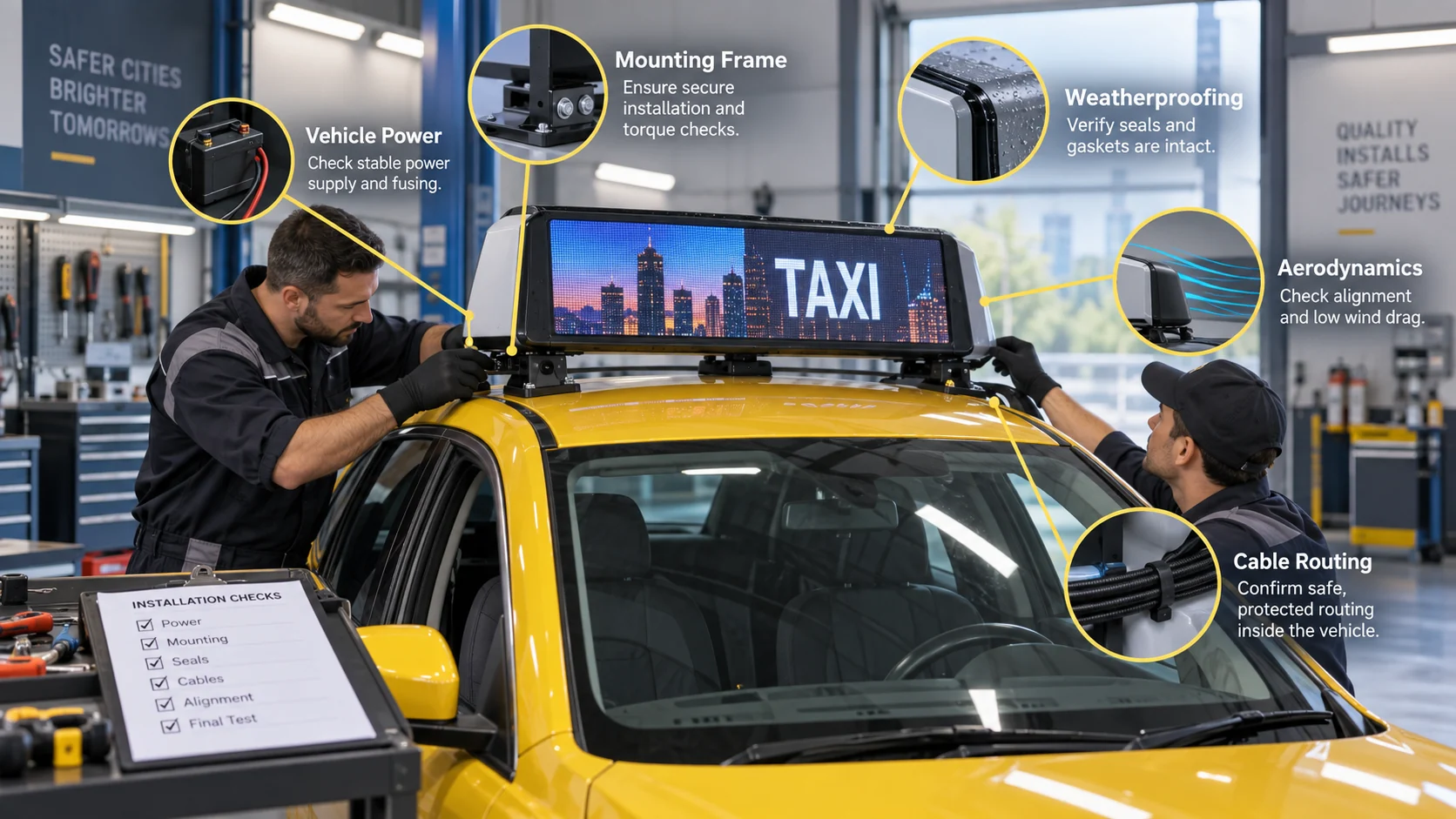
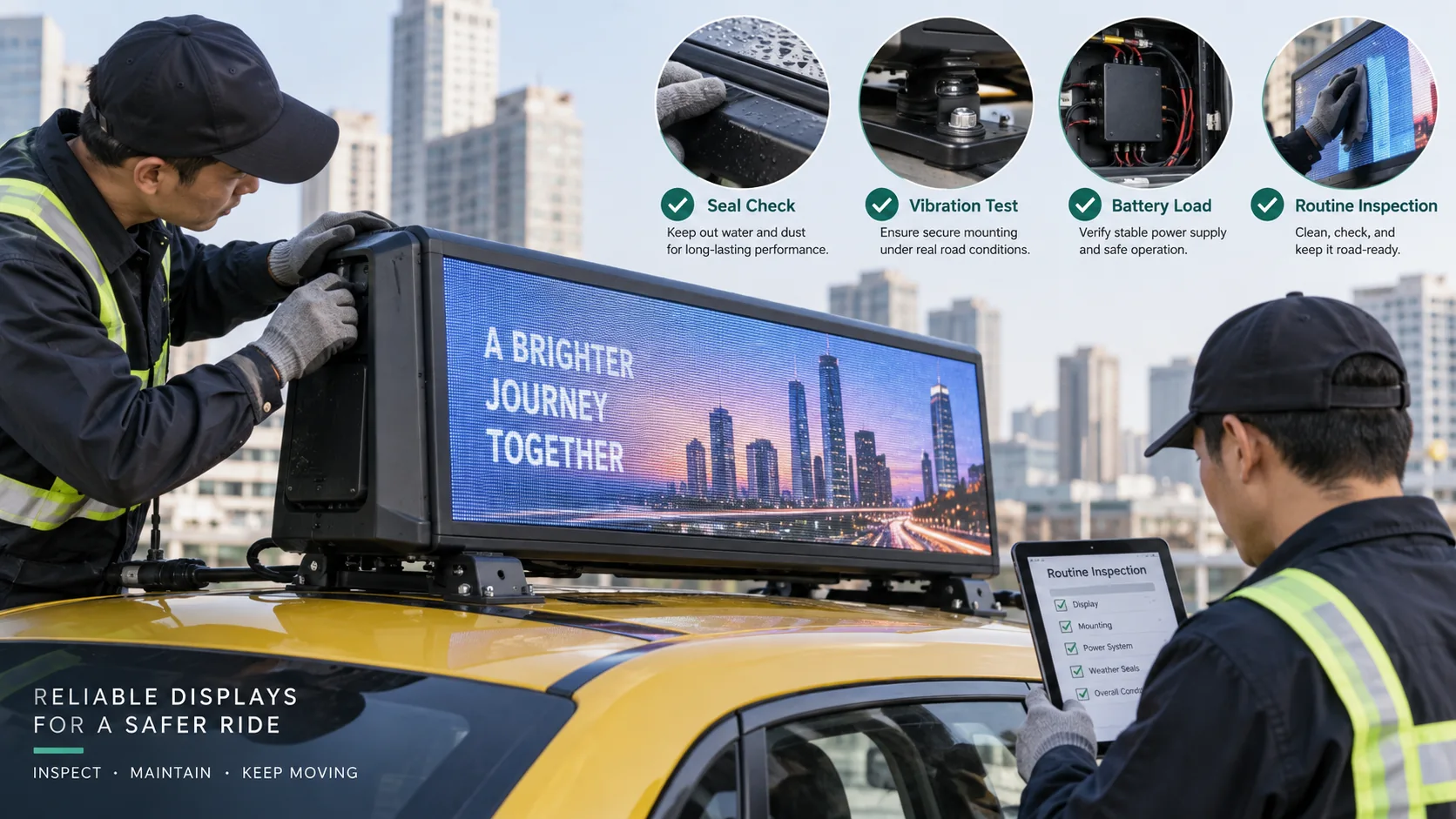
Use the vehicle with the least generous roof geometry or electrical margin as the first test case. Document the installed weight, cable entry location, fastener torque specified by the mounting supplier, and safe removal method. After the pilot has completed normal routes, inspect the roof seal, mount, connectors, and adjacent paint for wear.
Power is often the largest hidden operating variable. A stationary advertising display can be fed from a dedicated circuit; a taxi sign shares an electrical system with essential vehicle loads. The display must never interfere with starting, lighting, safety equipment, or the manufacturer’s electrical protections.
Request the sign’s actual input-voltage range, maximum and typical power draw, startup or inrush behavior, and required protection. The vehicle installer should then verify the alternator, battery, wiring, fuses, grounding, and voltage behavior at idle. If the sign uses a DC-DC converter or separate supply, specify the approved wiring layout rather than improvising taps into an existing vehicle circuit.
Consider a taxi that waits at an airport for several hours. A sign left active when the engine is off could deplete the starting battery. The fleet needs a tested shutoff or low-voltage strategy, a defined operating schedule, and a recovery procedure if a device fails to switch off. Test the configuration after repeated short trips and idle periods, not just during a brief workshop demonstration.
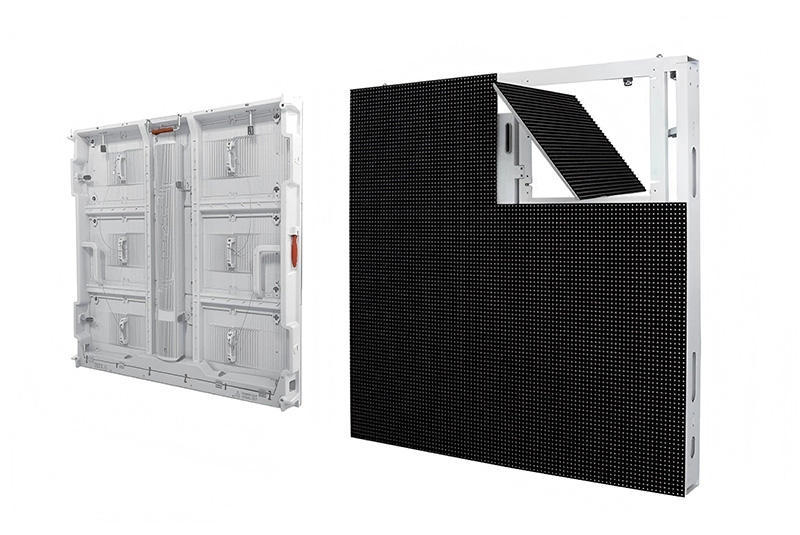
Outdoor exposure combines water, road grime, heat, UV, and vibration. The taxi-top LED screen listing on Longcheng’s Creative LED Display page includes double-sided P2.5, P3.076, and P4 options. Those options are product information, not substitutes for verifying the exact enclosure, brightness behavior, mount, and electrical assembly supplied for the job.
Check the stated ingress-protection rating for the complete assembled sign, including cable glands and connectors. Ask where condensation drains, whether the enclosure needs airflow, and how service covers reseal after replacement. A test route should include rain or wet-cleaning exposure and a hot stationary period. Inspect for fogging, loose seals, abnormal temperature, and cable rubbing afterward.
Judge text from realistic pedestrian and traffic viewing distances. Brightness should be assessed in daylight and at night, with dimming behavior set to avoid excessive glare. Short messages and large type are easier to read than dense price lists. Local authorities may restrict moving graphics, colors, or displays visible to drivers; obtain the relevant approval before planning a campaign.
A screen that works on one taxi can still fail as a fleet product if every software update or repair requires the vehicle to return to a central depot. Define ownership of content, a device inventory, and a fault route before the first batch is delivered.
Verify the actual Wi-Fi or other communication option fitted to the quoted unit. Test updates after network loss, image recovery after a power interruption, remote scheduling, and what happens when outdated content cannot be replaced. Record a unique device ID and vehicle ID for each installation so a failed screen can be located without relying on its advertising appearance.
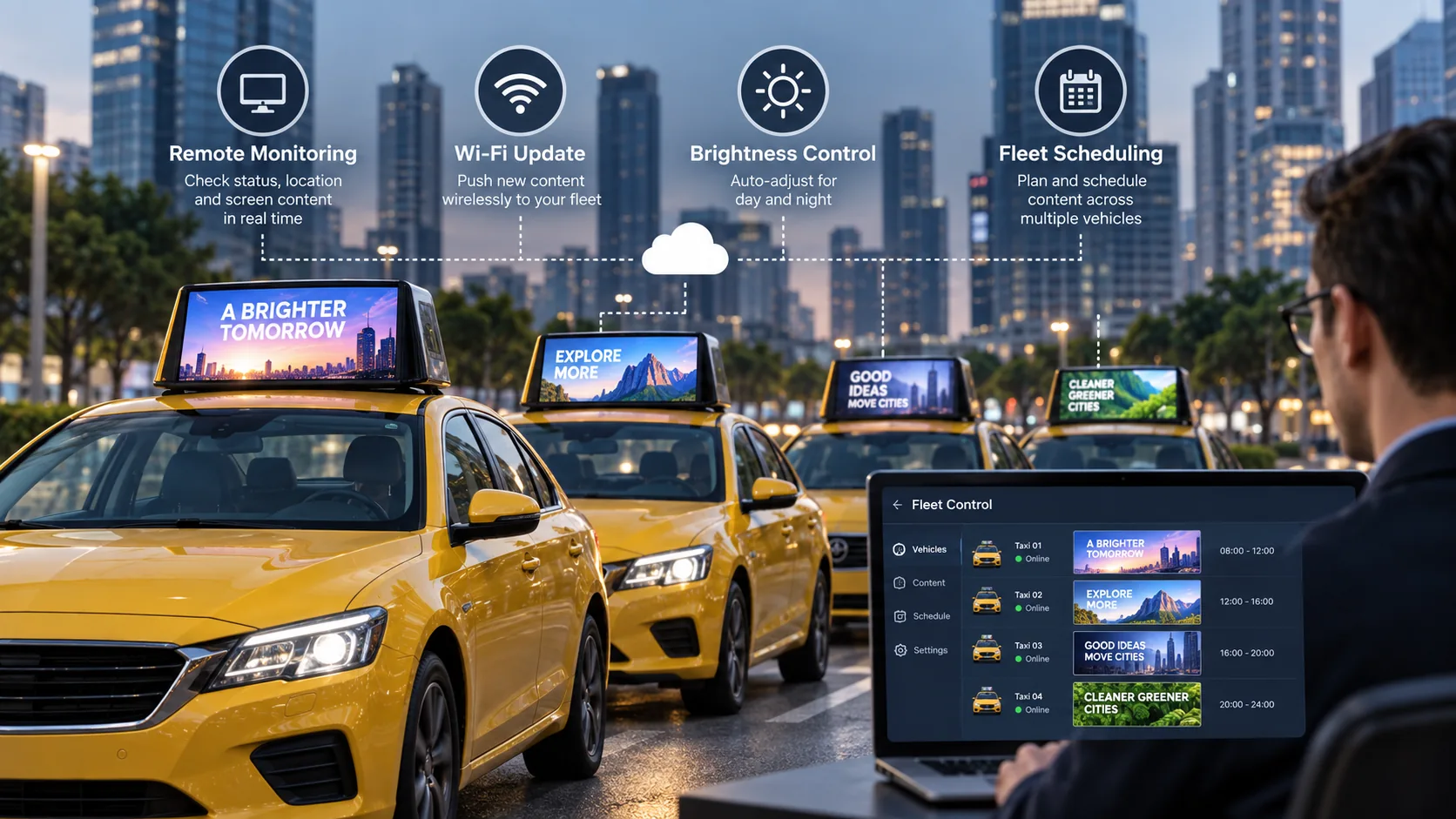
Compare the complete installed cost per car, including brackets, wiring, labor, downtime during fitting, data connectivity, cleaning, service visits, and spare assemblies. A practical pilot might fit five taxis for several normal operating weeks before a larger order; this is an illustrative trial size, not a failure-rate claim. Measure actual technician time, vehicle downtime, and update success, then revise the fleet budget using those results.
The request for quotation should identify each vehicle model, annual operating conditions, required display sides, viewing distance, power architecture, mounting drawing, content-management method, and local approval requirements. Ask the supplier and vehicle installer to agree on a signed pilot acceptance record covering attachment security, electrical isolation, ingress checks, and service access.
Longcheng provides LED display product information that can help buyers shortlist a sign; the complete configuration should still be approved against the vehicle-specific installation drawing. Its broader outdoor display applications content can supply context, but vehicle mounting and power remain separate engineering decisions.
A taxi-top LED display is ready for rollout only when the vehicle, mounting hardware, power system, enclosure, content workflow, and servicing plan have been tested together. Start with representative vehicles, record real operating results, and resolve repeated faults before placing a fleet-scale order. That sequence protects both the vehicle operation and the advertising uptime.
Not automatically. Roof geometry, mounting points, electrical capacity, and legal clearance can vary. Approve the complete installation separately for each vehicle type.
Only if the approved electrical design provides adequate battery protection and the fleet has tested parked-vehicle operation. An automatic shutoff may be necessary.
Use a representative vehicle and check mounting security, wiring, readability, water exposure, content updates, and the time needed to isolate and repair a fault.














Leave a comments