
Nullam dignissim, ante scelerisque the is euismod fermentum odio sem semper the is erat, a feugiat leo urna eget eros. Duis Aenean a imperdiet risus.
Nullam dignissim, ante scelerisque the is euismod fermentum odio sem semper the is erat, a feugiat leo urna eget eros. Duis Aenean a imperdiet risus.
 author
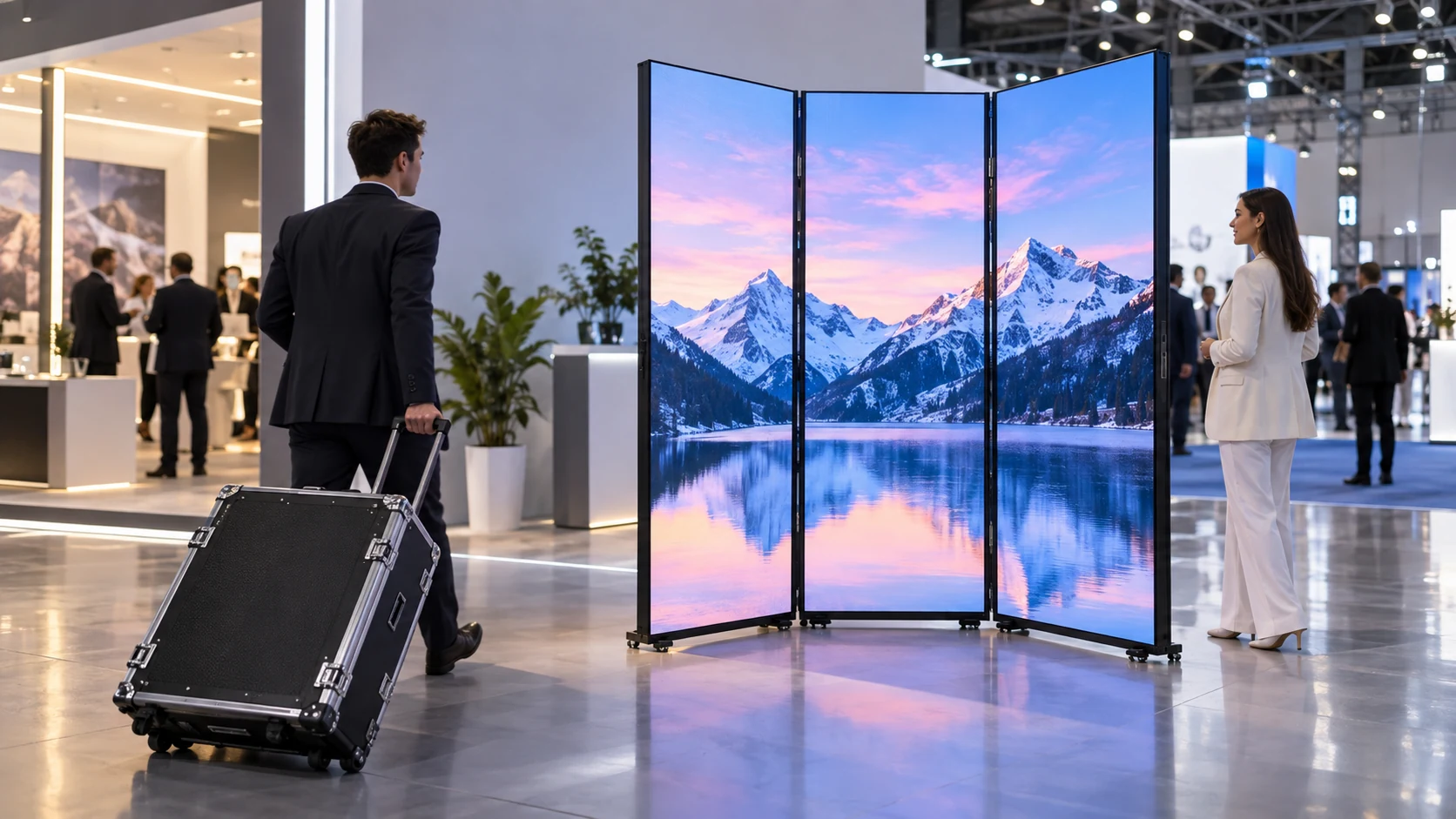
A stage LED wall can completely change a concert, conference, wedding, church service, product launch, or outdoor festival. The tough question is whether to rent the screen for each show or purchase a rental LED display system. Buying might lower the cost per show. It can also create a fresh revenue stream. However, it brings storage, maintenance, transportation, technical staffing, and inventory risks. The best choice depends less on the upfront panel price. Instead, it relies heavily on how often the equipment will bring in money.
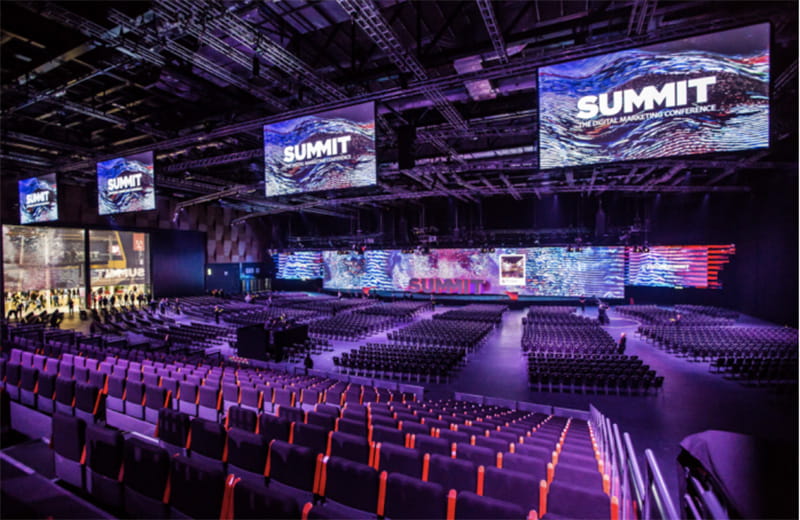
Interest in modular LED walls keeps growing across live entertainment, corporate AV, sports, broadcast, and brand activation. Emergen Research valued the global commercial and rental LED display market at USD 8.94 billion in 2025. They also predict an 8.2% compound annual growth rate through 2035.
Market growth does not magically make every purchase profitable. Rental companies might need enough matching cabinets to handle multiple events at the same time. Meanwhile, occasional event organizers can lose money by leaving expensive gear unused. A smart choice therefore begins with total cost, expected usage, and operational capacity. It should not rely on market hype alone.
A price quote for panels shows only a small part of the project. Buyers must compare complete systems doing the exact same job over the exact same timeframe.
A stage LED screen rental quote might include LED cabinets, a video processor, rigging hardware, and power distribution. It often covers signal cables, transport, installation, testing, an operator, dismantling, and insurance. Some suppliers only price the screen area itself. Therefore, buyers should always ask for a detailed, itemized list.
Published industry guides put typical LED screen rental rates at roughly USD 50–200 per square meter per day. However, local labor, pixel pitch, screen size, event length, and outdoor rigging can alter the final amount greatly.
The initial investment might include:
LED cabinets and spare modules;
sending and receiving equipment;
video processor and power distribution;
hanging bars or ground-support hardware;
flight cases, cables, tools, and test equipment;
shipping, import charges, training, and insurance.
Yearly expenses involve storage, repairs, color calibration, and replacement power supplies. They also include damaged modules, firmware support, and inventory management. Owners must plan for technicians and truck space as well. Outdoor projects might add structural engineering, weather protection, ballast, permits, and generator fees.

A helpful calculator compares the total cost of renting with the total cost of owning over a set period. Use actual local quotes instead of trusting a worldwide average.
Use this break-even formula:
Break-even events = (purchase cost + fixed ownership costs − expected resale value) ÷ (rental cost per event − owned variable cost per event)
Fixed ownership costs cover storage, insurance, regular servicing, and training. Variable costs involve transport, setup labor, power, and repairs tied to each specific event. Expenses that stay exactly the same under both choices should not affect the final math.
Imagine an event company needs a 24-square-meter P3.91 stage LED wall:
Complete purchase package: USD 42,000
Three-year storage, insurance, and maintenance: USD 16,200
Expected resale value after three years: USD 8,000
Comparable rental package: USD 4,000 per event
Transport and labor when using owned equipment: USD 900 per event
The calculation is:
(42,000 + 16,200 − 8,000) ÷ (4,000 − 900) = 16.2 events
Ownership would thus hit break-even at roughly the seventeenth event over three years. This equals about six events per year. However, a careful buyer should aim for more than the bare mathematical minimum. Cancellations, seasonal shifts, panel damage, and technology updates can stretch out the payback timeline.
Renting shifts a lot of the technical and inventory risk over to the AV provider. It is usually the safer path when screen needs shift between different venues.
Renting typically works better for:
companies hosting only one or two big events each year;
weddings, conferences, and short promotional campaigns;
outdoor projects needing engineered structures and local permits;
events requiring an unusual pixel pitch or creative screen shape;
organizers lacking trained LED technicians or storage space.
A documented 2025 LexisNexis conference at Sofitel Singapore City Centre featured a rented 5 × 3-meter LED wall. It functioned as part of a complete AV package that provided switching, sound, technicians, photography, and video production. This project clearly shows why a one-off corporate client might get more real value from a fully integrated service than from owning gear used rarely.

Ownership gets much more appealing when the exact same cabinets can be used again and again across fitting jobs. Rental companies, production houses, hotels, churches, and busy venues are the best candidates.
Track booked events, revenue per event, repair cost per square meter, setup labor hours, inventory utilization, and equipment downtime. A rental fleet that breaks even but sits unused during peak season because too few matching cabinets exist might still perform badly.
Buyers should also pick a flexible specification. P2.6 or P2.9 works well for closer indoor crowds and camera-heavy corporate tasks. Meanwhile, P3.91 provides a solid middle ground for stages, concerts, churches, and mixed rental uses. P4.81 can be quite affordable for massive outdoor screens viewed from far away.
Before placing an order, verify brightness, refresh rate, IP rating, cabinet weight, and the locking system. Also check controller compatibility, spare-part availability, warranty details, and certification rules for the destination market.

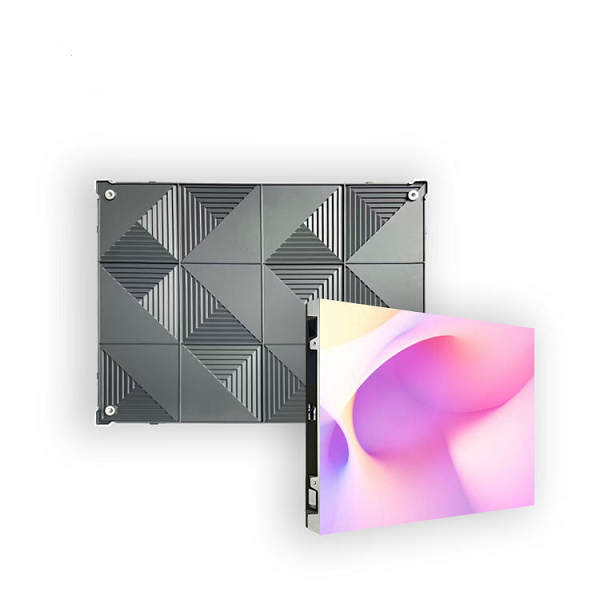
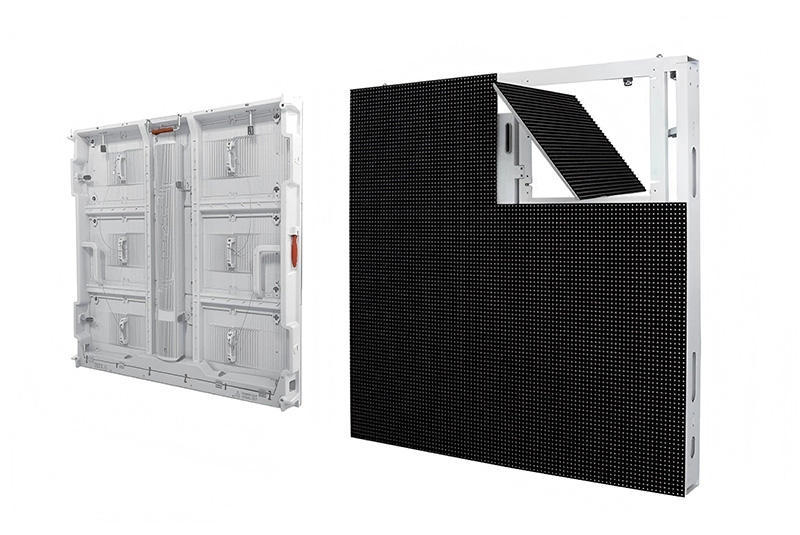
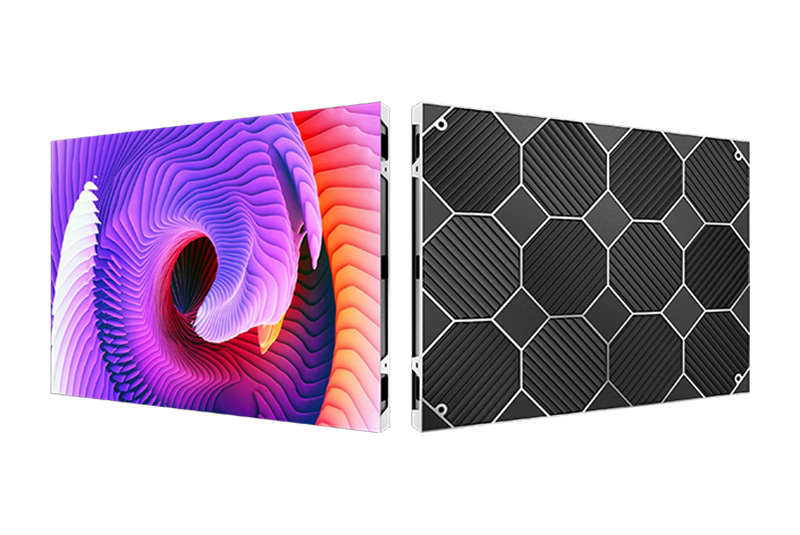
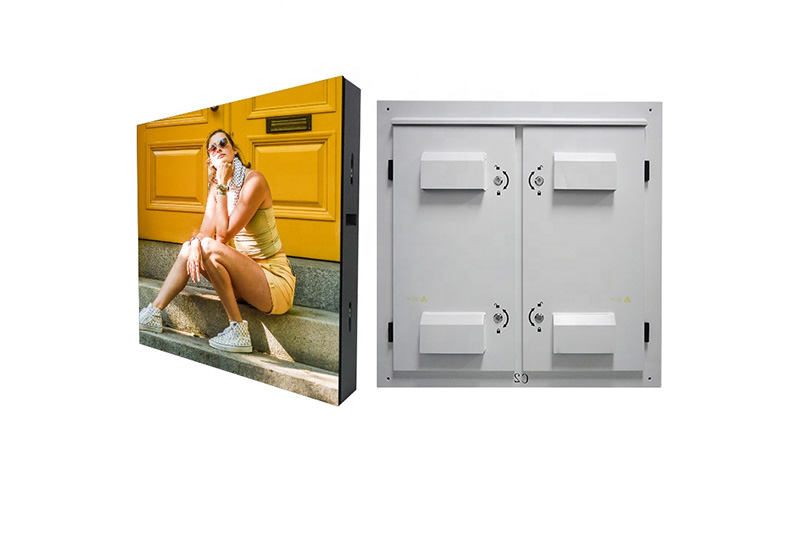
Founded in Shenzhen in 2013, Shenzhen Longcheng Photoelectrictechnology co.,LTD. builds indoor and outdoor LED display systems for events, concerts, exhibitions, and stage production. Its Rental LED Display lineup features common rental pixel pitches and lightweight modular cabinets built for frequent setup. Buyers can ask for a project-specific setup based on screen dimensions, viewing distance, brightness, refresh rate, control system, and local destination rules.
Rent when demand is rare, specifications shift, or in-house technical skills are weak. Buy when yearly bookings are steady. Buy when the same panels can handle multiple event types, and the company can easily manage storage, transport, repairs, and sales.
Most importantly, figure out ROI from complete operational costs. A cheap factory price does not promise a fast payback period. On the other hand, a higher-quality system can turn out more profitable if it cuts down setup time, handles rough transport, and stays ready for paid events.
There is no magic number. In the given example, ownership broke even at about six events per year over three years. Your own result might look very different based on local rental rates, purchase price, staffing, repairs, resale value, and actual screen usage.
Pick based on proven local demand. Outdoor-rated cabinets give wider weather protection. However, they usually cost more and demand extra rigging skills. A flexible P3.91 system might handle lots of stage uses, but it should never replace solid market research or advance bookings.
Many operators start out with spare LED modules, receiving cards, power supplies, cables, and a few complete cabinets. The right amount depends on fleet size and event risk. Important shows should never lean on just one processor, signal route, or replacement part.












Leave a comments