
Nullam dignissim, ante scelerisque the is euismod fermentum odio sem semper the is erat, a feugiat leo urna eget eros. Duis Aenean a imperdiet risus.
Nullam dignissim, ante scelerisque the is euismod fermentum odio sem semper the is erat, a feugiat leo urna eget eros. Duis Aenean a imperdiet risus.
 author
Picking an outdoor LED screen for a concert, festival, sports match, exhibition, or brand campaign takes more work than just looking at prices. The display has to stay clear during sunny days. It must also work safely outside. Crews need to set it up fast. Furthermore, it must display fluid video for the live crowd and TV cameras. An Outdoor P4.81 Rental LED Display serves as a smart option for medium and large events. This model nicely balances picture quality, viewing distance, easy transport, and total budget. This guide explains the core details buyers need to review before asking for a price quote in 2026.

P4.81 means the gap between adjacent pixels measures about 4.81 millimeters. This pixel pitch changes the picture sharpness. It also decides the best viewing distance, the actual screen size, and the final price. For many outdoor rental tasks, P4.81 provides a great middle ground. It blends solid visual results with a reasonable investment cost.
P4.81 works perfectly when people stand a few meters back from the display. It fits well on outdoor stages and in public watch zones. You can also use it for roadshows, sporting events, retail promos, and big festival video walls.
Buyers must check the closest audience spot before they place an order. For close-up viewing, a tighter pitch like P3.91 might be a better fit. This is especially true if the video contains tiny text. For massive screens viewed from a long distance, P4.81 delivers crisp images. It does this without making buyers pay for extra pixel density that viewers will never see.
Outdoor event gear often deals with dirt, rain, extreme heat, and fast weather shifts. Because of this, a rental display needs a tough cabinet. It also requires shielded cable links and a proper ingress protection rating.
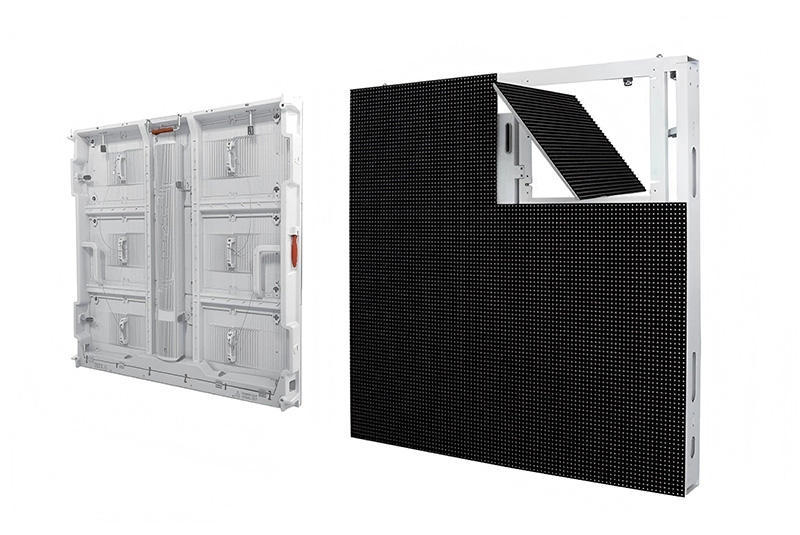
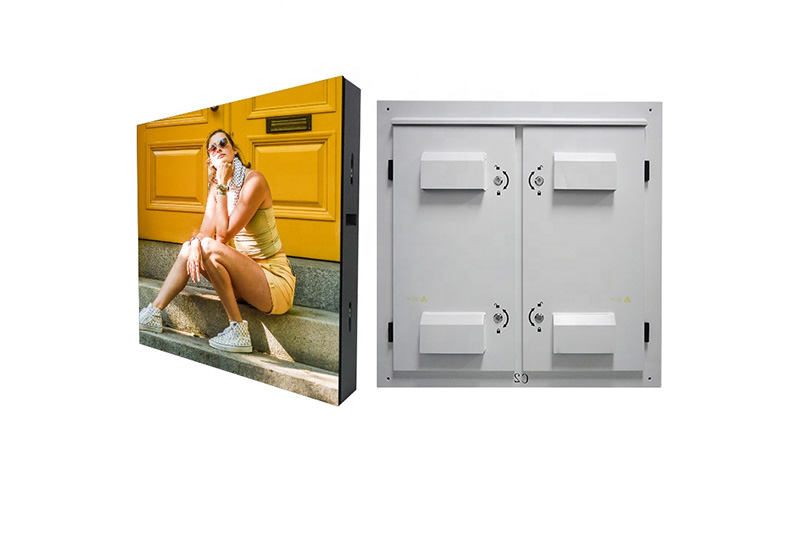
Longcheng’s Outdoor P4.81 Rental LED Display comes with IP65 weather defense. It also uses a strong die-cast aluminum cabinet. Buyers should always check the safety level of the back cabinet covers. They must look at the power plugs, signal ports, video processor, and power boxes as well.

A helpful product review must look at the whole LED display system. It should not just focus on one big number. Brightness and refresh rate matter a lot. Cabinet style, maintenance access, and control system support also change how the screen acts during live shows.
The screen brightness must fit the display direction and running hours. It also depends on shadow cover and the local weather. A screen pointing right at the sun needs a special setup. This setup will differ from a screen used only at night or under a stage roof.
The refresh rate holds great value for concerts, live TV feeds, and sports matches. It is crucial for any camera-heavy production. A faster refresh rate cuts down on ugly screen flicker. It also removes dark scan lines from video recordings. Longcheng provides both 1920 Hz and 3840 Hz refresh rate choices for this rental display lineup.
Crews move, build, take down, and store rental LED screens quite often. Because of these steps, cabinet size and weight change the amount of required labor. They also impact truck space, building speed, and long-term running costs.
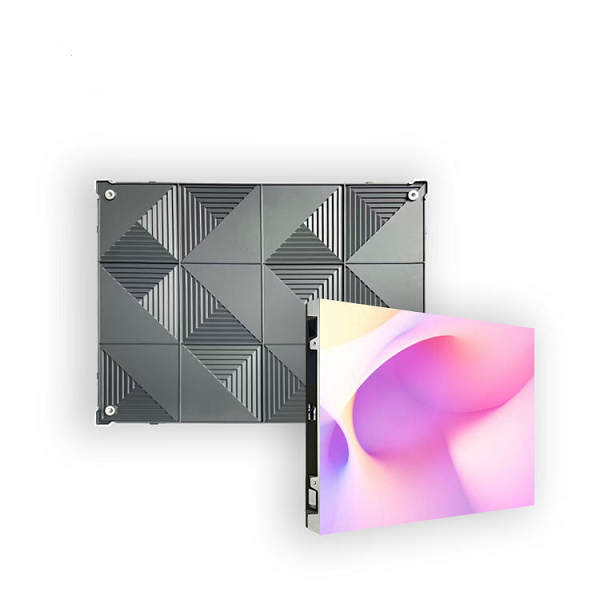
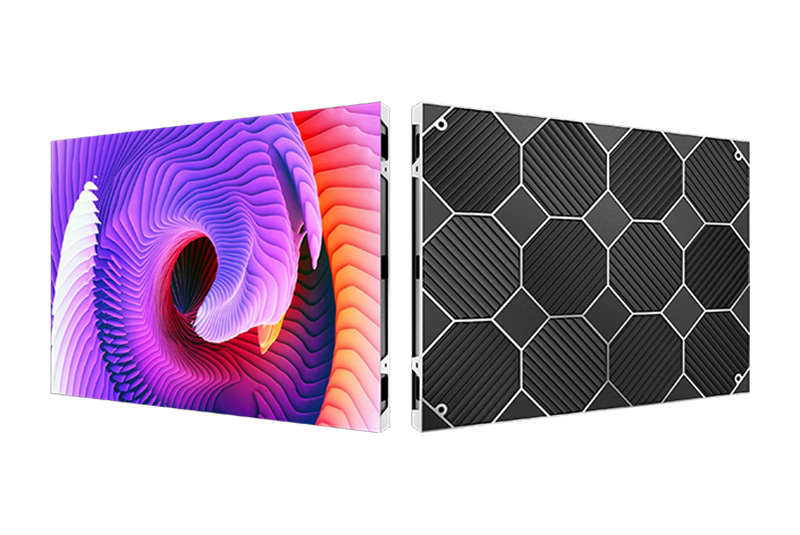
Longcheng makes both 500 × 500 mm and 500 × 1000 mm cabinets. These units weigh about 6 kg and 13 kg. Mixing these matching cabinet types gives rental crews more freedom. They can easily build many different screen shapes. Having both front and back service access makes repairs much simpler in tight spaces.
The screen size must fit the event space and the crowd zone. It should align with the viewing distance, video format, and safe weight limits. A tiny screen is hard to read. On the other hand, a massive video wall will drain your funds without truly helping the audience enjoy the show.
First, measure the open setup width and height. Note the closest and furthest viewing spots. Check the stage height, crowd sightlines, and any blocked views. Buyers must also verify the roof lifting limits and the floor strength. They need to know the local wind speeds, total power supply, and safe working paths for the crew.
For big festivals or sports fan zones, you must make a choice. Decide if one main center display works well enough. Sometimes, you might need extra side screens. Make this choice based on how well the crowd can see the stage, not just on the total ticket sales.
Live camera feeds, sponsor signs, and sports scoreboards need different pixel counts. Slides, ads, and social media posts also have unique layout needs. You must find the smallest text, brand logo, or picture in your media. Make sure that specific item stays easy to read from the normal crowd standing area.
The final grid of cabinets sets the true pixel count of the screen. Always ask your supplier for the exact physical measurements. Request the total cabinet count and the final image resolution. You should also get the expected power draw and the best video processor model before factory production starts.

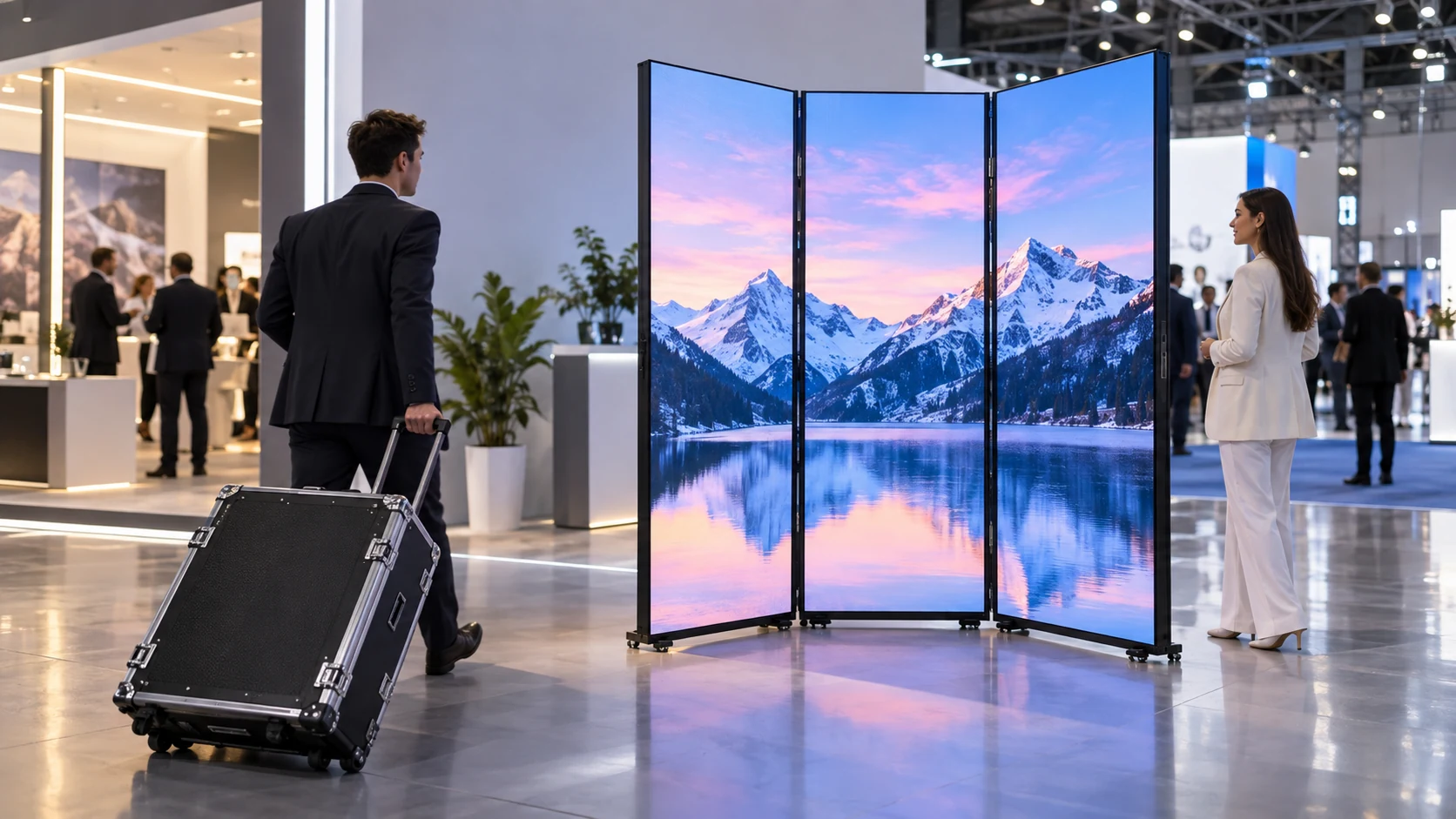
Outdoor rental LED walls can stand on the ground or hang from metal trusses. They can be flat, curved, or built right into a custom stage design. You must pick the setup method very early on. This choice changes which cabinets you buy. It also alters the frame design, wire paths, and required worker count.
Ground stacking works great when roof lifting points are missing. It is also smart when the screen is extremely heavy. Hanging the screen saves stage floor space. It gives the whole set a very clean look. However, hanging setups need certified metal trusses and strong lifting gear. They also demand expert weight math.
Trained workers must check the local wind speeds and the heavy base weights. They need to test the frame strength and plan safety steps for bad weather. They must also plan the electrical grounding and wire paths before they build the screen.
A flat LED wall does a fine job for normal video clips. It suits sports games and business meetings perfectly. A curved LED wall creates a deep, wrapping stage background. It can smoothly follow the round edges of a trade show booth or a concert stage.
Longcheng’s rental display frame allows for mixed panel joining. It supports both inside and outside curve shapes. This handy feature helps staging firms use their current screen stock better. They can build basic flat screens and unique art shapes with the exact same gear.
 er Before Ordering?
A skilled supplier will turn your stage and video needs into a full technical plan. Keep in mind that the cheapest cabinet price rarely leads to the lowest final project bill.
Ask the factory for a cabinet drawing and a wire map. Get a power math sheet and a spare parts list. You should also demand the control system details, factory test logs, packing rules, and a clear paper warranty. Find out if the seller offers online help. Check if they supply color fixing tools, setup tips, and spare hardware parts.
Shenzhen Longcheng Photoelectrictechnology Co., LTD. builds custom outdoor rental LED display systems. They also give deep technical support for global events. Their direct factory help lets buyers pick the right cabinet sets. It assists them with curved designs and special control tools for complex jobs.
Add up the price of the LED cabinets and the video processors. Include the road cases, hanging beams, and lifting hooks. You must also count the power boxes, extra LED modules, shipping fees, and import taxes. Finally, add your local worker pay, warehouse rent, and repair costs.
Rental firms need to think about build speed and crew size. They should look at how often the screen gets rented out. Gear flexibility matters a lot. The best screen runs without crashing and goes up fast. It fits many kinds of shows easily. The best value is never just the screen with the cheapest starting quote.
An Outdoor P4.81 Rental LED Display acts as a solid pick for concerts, festivals, and trade shows. It fits sports games, public squares, and retail sales perfectly. Before you buy, check the viewing distance and screen size. Look at the brightness, refresh rate, and rain defense. Review the cabinet weight, repair access, metal frame, and control gear. A clear project plan helps the factory suggest a safe, fast, and budget-friendly setup.
Yes, it can. An outdoor model with a good IP rating works fine in standard outdoor weather. Even so, you must protect the power boxes, video tools, wire plugs, and data cables. The metal frame needs proper cover too. Users must follow the safety rules from the factory. They should turn off the screen during violent storms.
No, it is not. P3.91 gives sharper image details for crowds standing very close. On the flip side, P4.81 saves money for massive screens and longer viewing gaps. The right pick relies on where the crowd stands. It depends on the media type, the stage size, and your total funds.
Share the exact screen width and height. Tell the factory about the event style and the closest crowd distance. Explain your building method, media format, and daily running hours. List your home country and your target shipping date. Also, state if you need road cases, hanging beams, or video processors. Mention any needs for spare parts, curved cabinets, setup help, or custom brand logos.











Leave a comments