
Nullam dignissim, ante scelerisque the is euismod fermentum odio sem semper the is erat, a feugiat leo urna eget eros. Duis Aenean a imperdiet risus.
Nullam dignissim, ante scelerisque the is euismod fermentum odio sem semper the is erat, a feugiat leo urna eget eros. Duis Aenean a imperdiet risus.
 author
Outdoor LED screens offer excellent visibility for billboards, shopping centers, transit hubs, stadiums, and commercial buildings. However, electricity often becomes one of their biggest long-term costs. The cheapest purchase price does not always mean the lowest total expense. Choosing an energy-saving outdoor LED screen helps lower power demand and heat generation. It also reduces cooling pressure and daily operating costs. At the same time, it maintains the high brightness needed for outdoor advertising. Buyers can find its real value by figuring out the annual electricity savings. They should also look at the expected payback period before they invest.

Outdoor displays must create enough light to stay clear during the day. Their power use depends on several things. These include screen area, brightness levels, and the content shown. Pixel pitch, daily operating hours, and ambient temperature play a role too. Power supplies and cooling equipment also affect the final energy bill.
A bigger screen holds more LED modules, cabinets, and power supplies. Because of this, it needs more electricity to run.
Brightness acts as another major factor. A display running at full brightness all day usually uses more power than one with automatic brightness adjustment. Also, bright and white content takes more energy than darker visual designs.
Heat management matters just as much. Poor heat dissipation makes fans or air-conditioning systems work harder. This increases the total electricity cost for the installation.
Maximum power consumption mainly helps with circuit design, cable choice, and electrical safety planning. On the other hand, average power consumption works better for estimating real electricity bills. This happens because screen brightness and content change during normal operation.
Buyers should always check a supplier’s power numbers. They need to know if the figure applies to a single cabinet, one square meter, or the whole LED screen.

Real energy efficiency comes from multiple parts working well together. These parts include the electrical architecture, cabinet design, and heat dissipation. Brightness control and the daily operating plan also make a big difference.
A common-cathode LED display gives red, green, and blue LED chips better voltage levels. This setup stops unnecessary electrical loss. It also limits extra heat inside the screen.
Less heat generation can reduce stress on power supplies and electronic parts during long work cycles. This leads to more stable outdoor performance. It also lowers the energy needed for fans or cooling.
An outdoor screen does not need maximum brightness in every situation. Automatic brightness adjustment lowers the light output at night or during cloudy weather. It also helps when the display sits in a shaded spot.
Scheduling software can turn the screen off during quiet hours. Furthermore, content teams can avoid using solid white backgrounds. This saves energy without hurting the advertising message.
A useful calculation needs five main details. You need the current screen’s average power and the new screen’s average power. You also need the total screen area, the daily operating hours, and the local electricity price.
You can estimate annual energy consumption with this formula:
Annual energy use = Average power per square meter × Screen area × Daily operating hours × 365
Then, you can figure out the annual electricity cost like this:
Annual electricity cost = Annual energy use × Electricity rate
Annual savings show the difference between the electricity costs of the two systems. Remember to change power values from watts to kilowatts before you calculate kilowatt-hours.
Let us say an old outdoor LED screen has an average power consumption of 450 W/m².
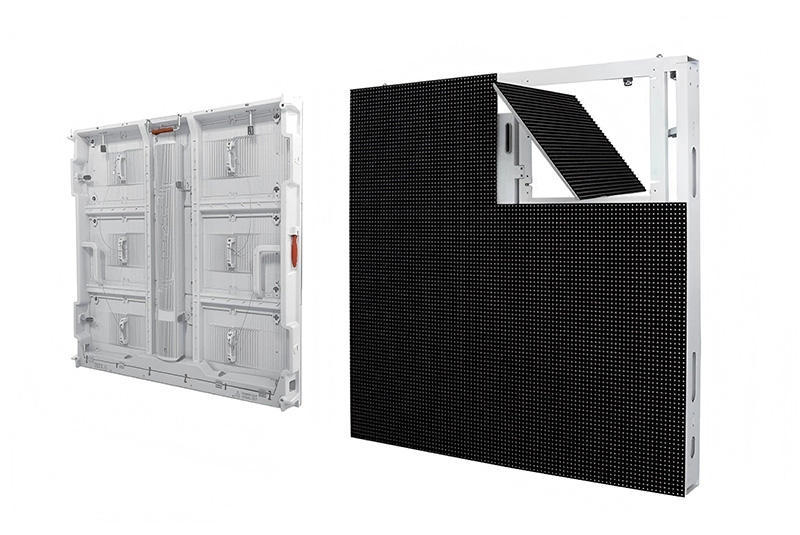
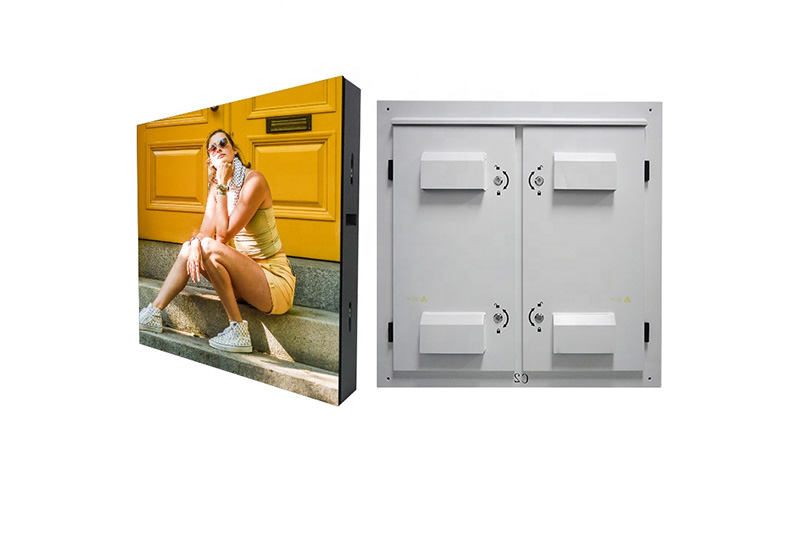
Longcheng’s ES960 outdoor energy-saving LED screen shows an average cabinet consumption of 300 W for a 960 × 960 mm cabinet. This equals roughly 326 W/m². The product gives brightness choices from 5,000 to 6,000 cd/m². It also features IP66 protection and offers front-and-rear maintenance access.
For a 100 m² screen running 12 hours a day at an electricity rate of $0.15 per kWh:
These numbers serve as a helpful example, not a strict promise. Real savings depend on the content, brightness schedules, and local weather. The setup and daily conditions also change the final results.

Electricity savings make up just one part of the total cost of ownership. A good ROI model should look at the purchase, installation, and cooling costs. It must also include maintenance, downtime, and service-life expenses.
Buyers need to count the cost of LED cabinets, control gear, and steel frames. They should add power distribution, shipping, and installation labor. Testing, spare parts, and any extra price for the energy-saving system matter too.
Suppose the energy-saving display costs $12,000 more than a standard choice. If it saves about $8,178 a year, the simple payback period looks like this:
$12,000 ÷ $8,178 = about 1.5 years
After this payback time, ongoing electricity savings help lower the total operating cost directly.
Less heat generation can drop the need for fans or air-conditioning. Good waterproofing protects inside parts from rain and dust. Easy maintenance access speeds up repair times and causes fewer working delays.
Shenzhen Longcheng Photoelectrictechnology Co., LTD. provides an outdoor energy-saving screen with common-cathode technology. It includes a 90% recyclable aluminum cabinet and IP66 protection. It also has great heat dissipation and front-and-rear service access. These features help fixed outdoor projects that want high efficiency and simple maintenance.
The product details show the screen’s possible efficiency. However, daily operating habits decide how much of that becomes real money saved.
Use light sensors or set brightness schedules to avoid useless maximum output. Turn the display off when no one is watching. Also, check the power needs of the advertising content.
Tracking monthly electricity use helps a lot. A sudden jump in power use might point to wrong brightness settings or control-system faults. It could also mean failing power supplies or cooling issues.
Buyers must share the screen size, pixel pitch, and viewing distance. They should state the needed brightness, daily operating hours, and local voltage. The electricity rate, installation spot, maintenance style, and control-system needs are important too.
They should ask for average and maximum power numbers, testing rules, and circuit plans. Getting cabinet amounts, spare-parts advice, and written warranty details is smart. Having matching data makes an ROI calculation much more reliable.

An energy-saving outdoor LED screen offers great financial benefits when a large display runs for many hours daily. In the earlier example, dropping average power consumption from 450 W/m² to roughly 326 W/m² saves about 54,522 kWh. This equals $8,178 each year for a 100 m² screen.
With an extra cost of $12,000, the simple payback period rests at about 1.5 years. Even so, every project must use real or supplier-checked data instead of guesses.
Buyers should carefully review brightness, weather resistance, and maintenance access. They must check heat dissipation, reliability, and total lifecycle costs. Longcheng blends common-cathode technology with high outdoor brightness. They add strong aluminum cabinet construction and IP66 protection. This makes it a smart pick for projects looking for great visual results and long-term operating efficiency.
The final amount changes based on the electrical design, brightness plan, and content. The local climate, screen size, and working hours matter too. Buyers should look at proven average power values under similar conditions. They should not rely only on a basic percentage claim.
No. The display must still match the project’s needs for brightness, refresh rate, and weather resistance. It has to handle the right viewing distance, maintenance, and reliability. The finest choice balances electricity savings with visual quality and lifecycle risks.
A precise calculation needs the screen area, average and maximum power consumption, and daily operating hours. You must know the local electricity rate, brightness schedule, and cooling demand. The purchase-price difference, installation cost, and expected service life are needed too. A deeper model might also look at maintenance costs, downtime, financing, and leftover value.












Leave a comments