W e l c o m e t o L o n g C h e n g

Loading

Nullam dignissim, ante scelerisque the is euismod fermentum odio sem semper the is erat, a feugiat leo urna eget eros. Duis Aenean a imperdiet risus.

Back-side-5
Effect display
Main display
Side display
Back-side-5
Effect display
Main display
Side display

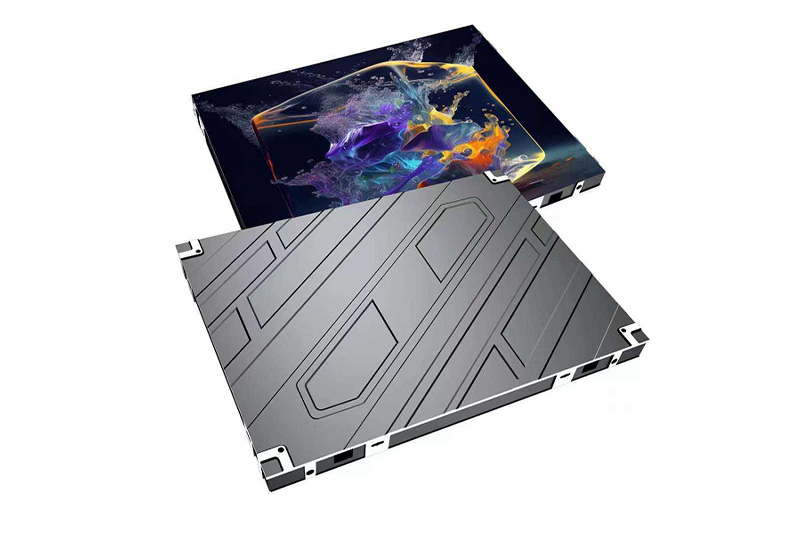
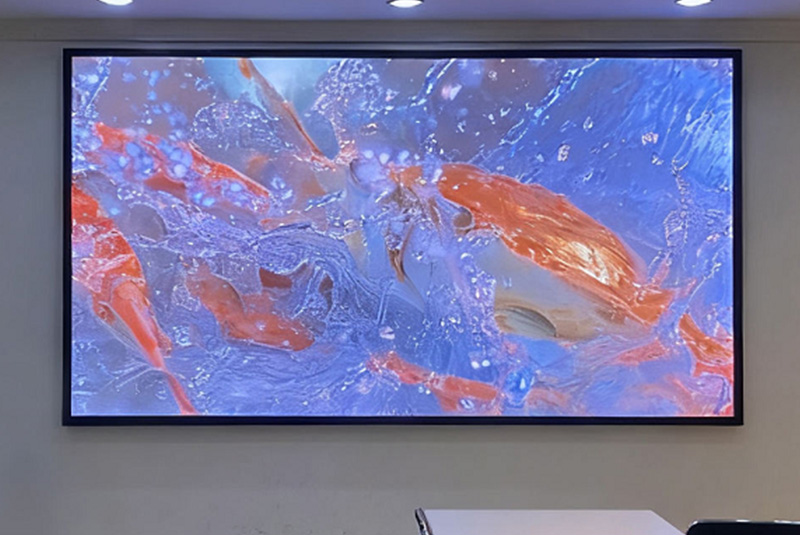
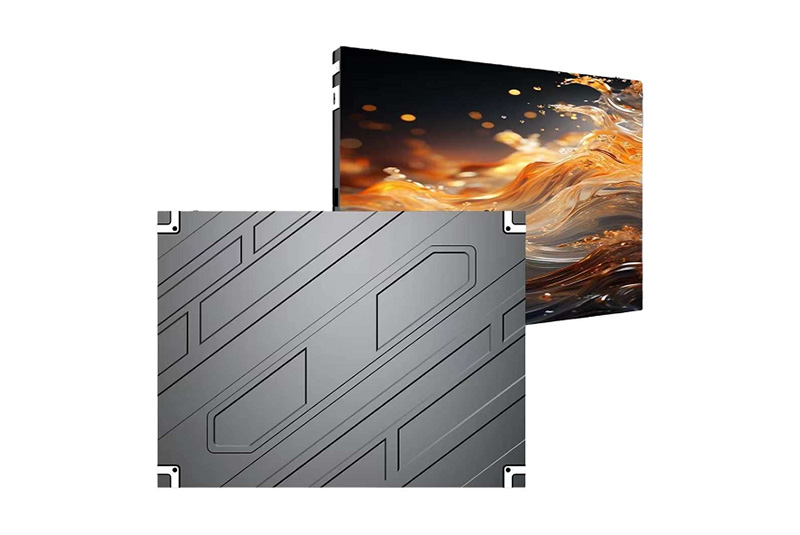
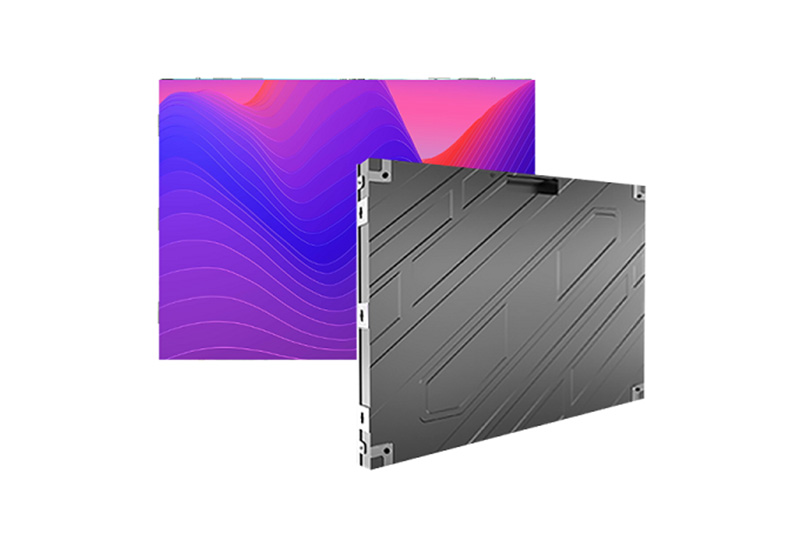
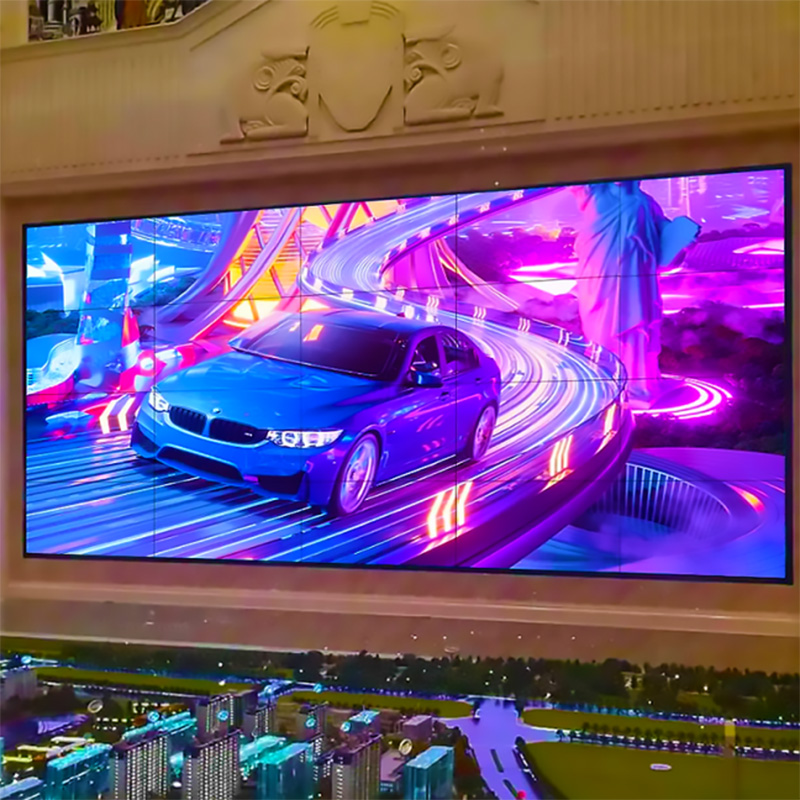
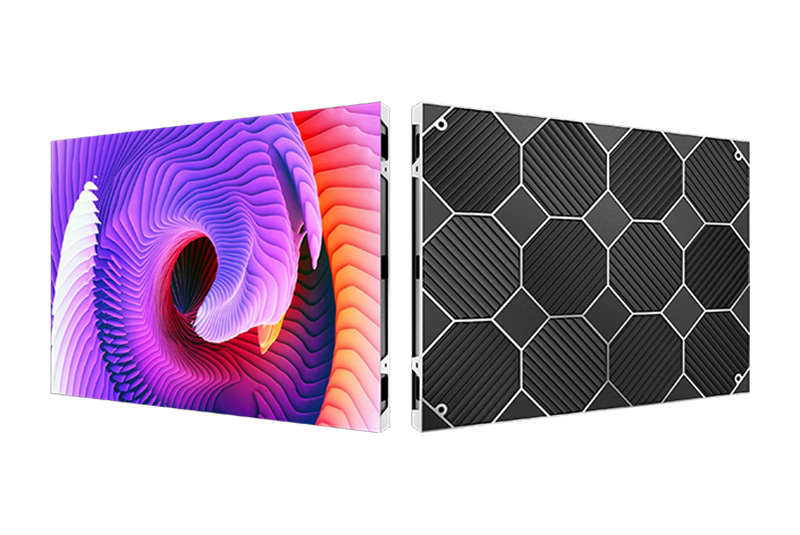
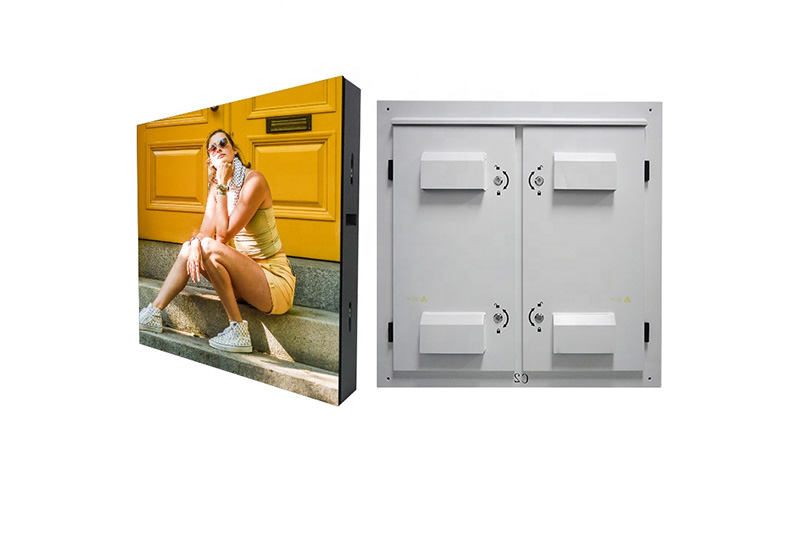
P1.5 Fine Pitch Led Display Screen

Suitable spacing:P1.5 Fine Pitch LED Display Super Compatible

Product introduction

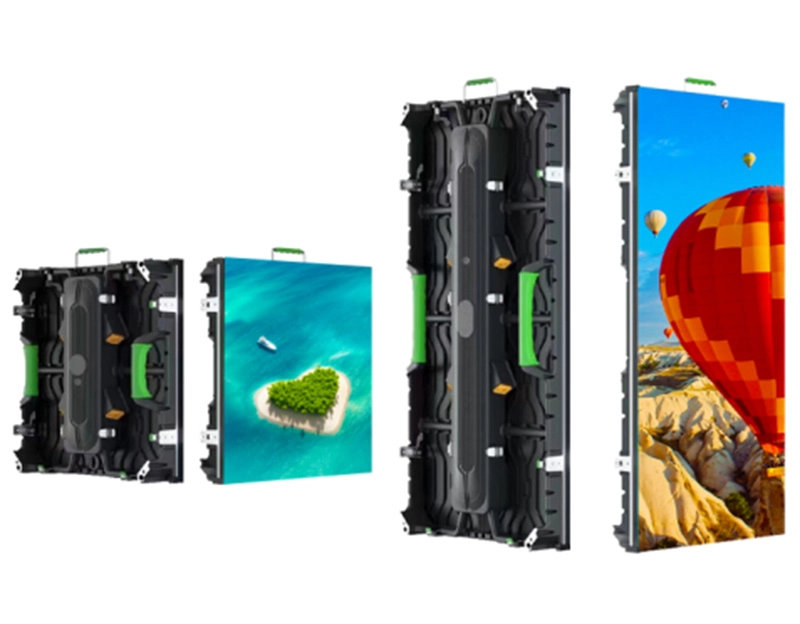
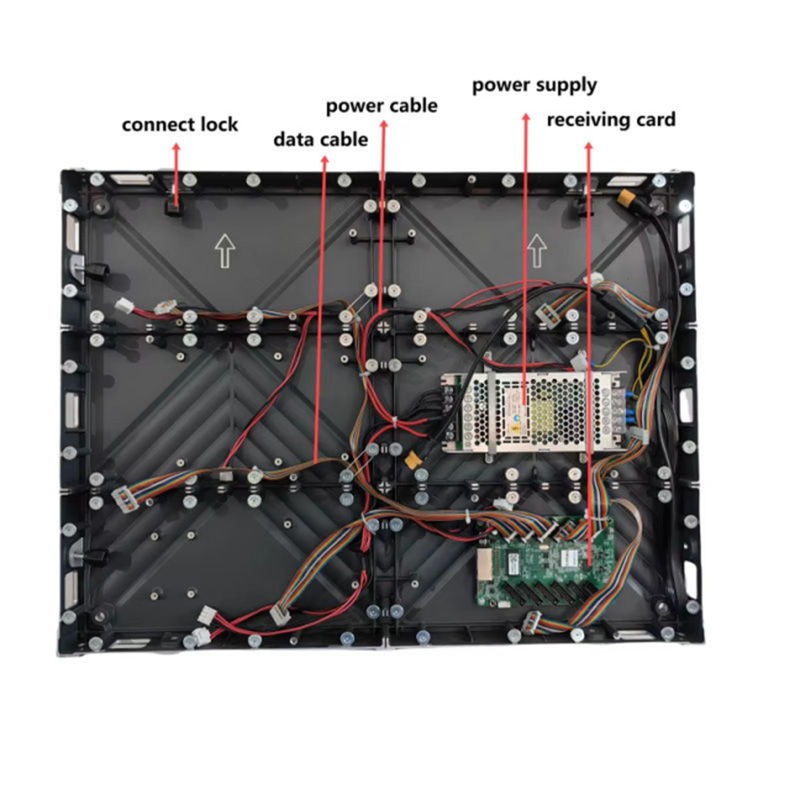
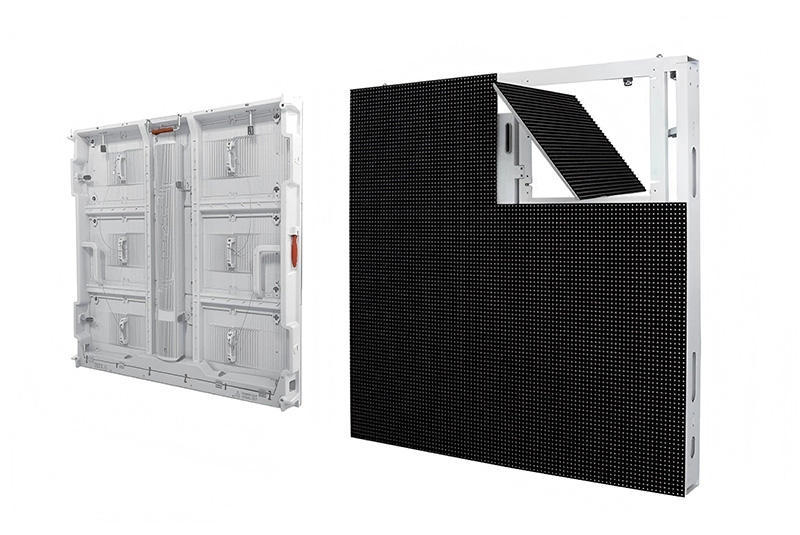
Universal cabinet fits in various modules of different pixel pitches, exceptionally friendly for product upgrade and cost saving.

P1.5 Fine Pitch Led Display Screenv71


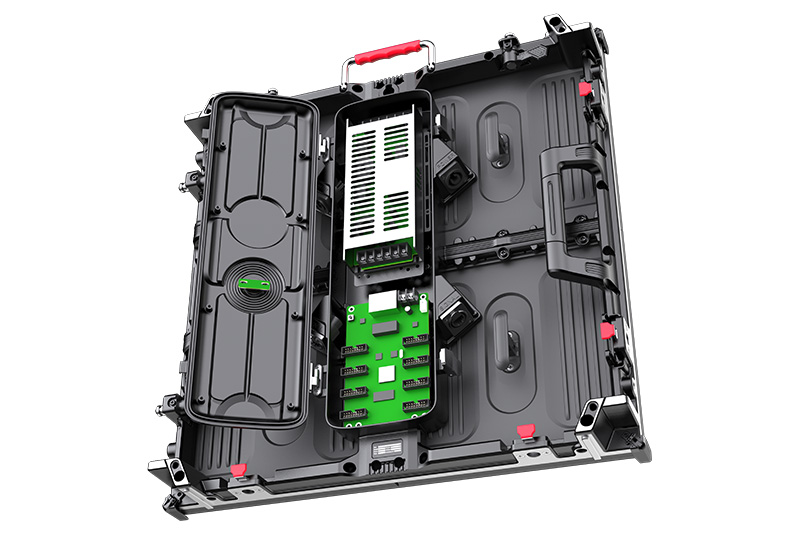
Die Casting aluminum materials fast heat dissipation

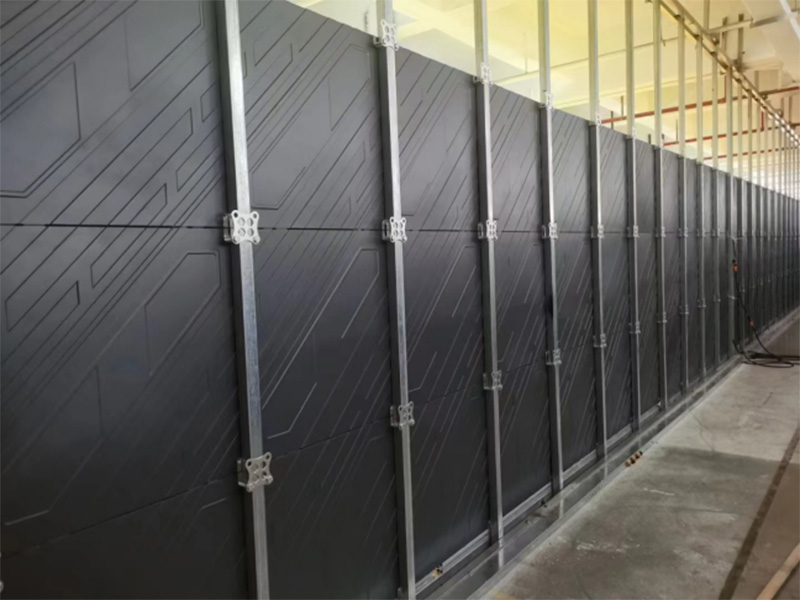
Multiple installation methods are available ,including hosting and standard installation

Plastic back cover,lighter in weight and easier to install

High precision public molds and public plates

Magnetic attraction module,capable of front-end maintenance

P1.5 Fine Pitch Led Display Screenv72P1.5 Fine Pitch Led Display Screenv73P1.5 Fine Pitch Led Display Screenv74P1.5 Fine Pitch Led Display Screenv75P1.5 Fine Pitch Led Display Screenv76


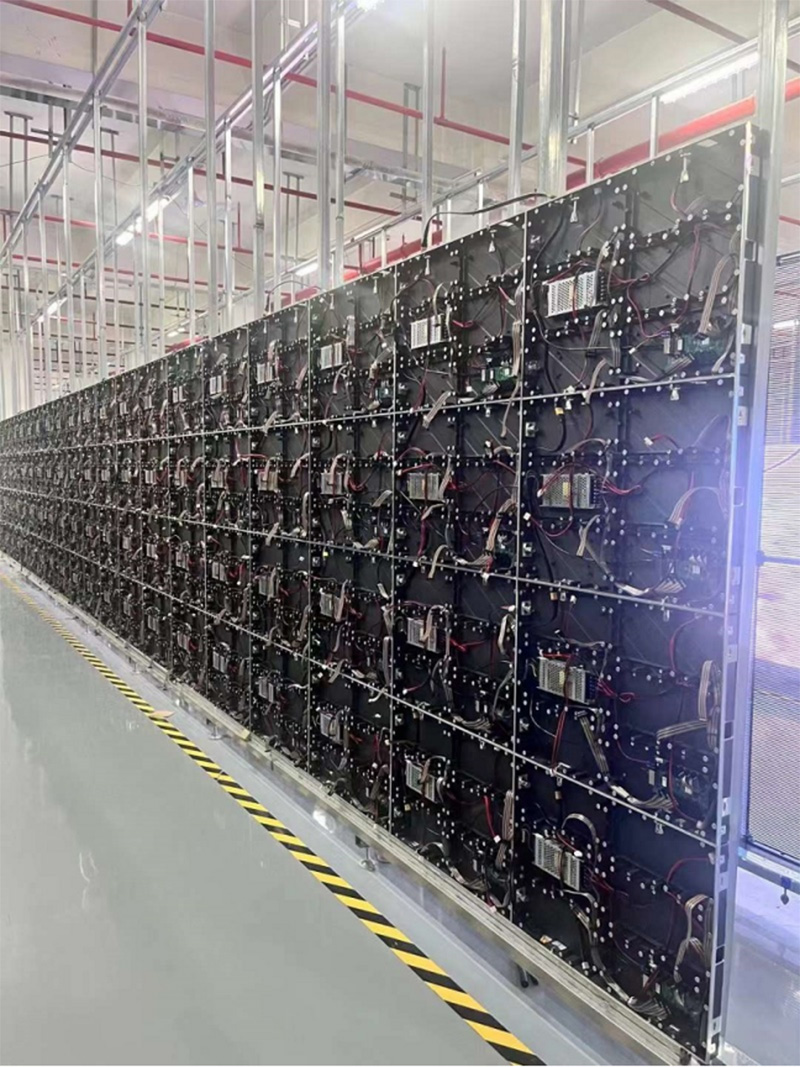
Strictly assembled in the factory, aged and shipped in 72 hours

Product parameter list

ModelP0.95P1.25P1.53P1.87P1.95P2
Pixel Pitch(mm)0.951.251.531.871.952
Panel Size W*H(mm)640*480MM
Panel Resolution(Pixel)674*521512*384418*314342*256328*246320*240
Panel Type and MaterialDie-cast Aluminum Cabinets
Panel Weight(Kg/pcs)9kg
Brightness(nits)600-800
ServiceabilityFront/Rear
Refresh rate3840HZ
Latest Product

Check out our Product

View More
dual-service-led-cabinet

Outdoor LED energy-saving screen

This series is a new generation of fixed outdoor LED billboards.
Read More
led1

Indoor HD Small Spacing LED Screen

Pixel Pitch: P1.25, P1.53, P1.667, P1.86, P2 Refresh Rate: 1920Hz-3840Hz Brightness: 600nits-1000nits
Read More
Fixed Outdoor LED Display Billboard1

Fixed Outdoor LED Display Billboard

Pixel Pitch: P2.5, P3, P4, P6, P8, P10 Brightness: 4500nits-7500nits Refresh Rate: 1920Hz-3840Hz Cabinet type: Waterproof Iron Cabinet
Read More
Stage Rental LED Display Screen500M.2

Stage Rental LED Display Screen

Pitch Available: 2.6mm, 2.9mm, 3.91mm, 4.81mm Refresh Rate: 1920Hz~3840Hz Brightness: 600~5000nits Cabinet Material: Die casting aluminu
Read More
Latest News

Check out our blog posts

View More

27/ March

P2.5 vs P3.0 LED Display: The Ultimate Pixel Pitch Guide for 2026

In the shifting world of indoor LED setups, wholesale buyers and project leads routinely dig into the details of P2.5 vs P3.0 LED display choices to line up image sharpness with spending limits. These pitches sit right in the middle ground for plenty of jobs, the tighter P2.5 pulling off cleaner lines up close, the P3.0 holding steady with better pricing for setups that stretch a bit farther. Choices come down to things like how far folks stand, what kind of content runs, and ongoing power bills, particularly now that 2026 models pack smarter modules cutting energy use while keeping output strong. Shop floor numbers peg P2.5 at around 160,000 pixels per square meter, against about 111,000 for P3.0, touching everything from executive briefings to store signs. Wholesale runs for meeting halls or entrance areas demand that balance between initial outlay and running costs. Take a standard buying loop: groups hunt for screens that push high-res feeds without breaking up, but steer clear of pitches too fine that jack up the tab for no real gain. Quick Comparison: P2.5 vs P3.0 at a Glance A direct matchup lays out the basics that steer buying calls. P2.5 units carry denser pixels, sharpening text and charts when people hover 2 to 5 meters off, perfect for data boards in ops centers. P3.0, coarser by a touch, fits spots where views hit 3 to 6 meters, think wide halls or lecture spaces, serving up decent looks at slimmer square-meter rates. Plant specs draw the lines clear. Brightness runs 600 to 1,000 nits across both, holding up under usual room lights, though P2.5 nudges ahead on refresh, hitting 7,680 Hz tops for smooth clips without blinks. Power pulls average 180 to 220 watts per square meter on P2.5, smart dimming shaving 15 to 25 percent off. P3.0 tracks close, 200 to 250 watts, leaning on the same split-channel drives that trim loads by separating colors. Pricing mirrors those traits: P2.5 pieces go $600 to $1,400 per square meter in 2026 bulk bids, bumped by packed LEDs, while P3.0 sticks $500 to $1,200, drawing eyes for bigger spreads where extra pixels barely matter. Setup times match, modular boxes snapping together fast for temp or permanent gigs, but upkeep leans to P2.5’s easy front pulls in cramped spots. Understanding Pixel Pitch: What P2.5 and P3.0 Really Mean Pixel pitch marks the gap between LED hubs, in millimeters, and it molds how screens play out content in everyday spots. Tighter pitches cram more dots per panel, ramping res for fine work, looser ones spread ’em for cheap blanket coverage on larger fields. Pixel Density & Resolution Breakdown Density math spells out the spreads. P2.5 slots in at 160,000 pixels per square meter, letting 4K rolls on 8 to 12 meter widths without seams or fuzz. That fits buys for high-pressure zones, say sim labs in hospitals where docs pore over images nearby. P3.0, clocking 111,000 pixels per square meter, nails full HD but eases on thin strokes when blown big, a swap that clicks in bulk orders for workout spaces or class halls showing pump-up reels from mid spots. Res links straight to it. On a 4 by 3 meter wall, P2.5 racks over 1.92 million pixels total, backing crisp shifts in 16-bit grays. P3.0 dips to 1.33 million, fine for broad signs but chancing ripple effects in filmed bits if tuning slips. Field time proves mismatched pitches rack up fixes—10 percent of budgets in cases—so purchasers weigh content res from the jump. Optimal & Minimum Viewing Distance Rules Distance guidelines root in eye sharpness, roughly one millimeter pitch per meter for best looks. P2.5 kicks in at 2.5 meter mins, sweet up to 5, easing strain in meeting spots during long hauls. Imagine board types clustered on plans: tighter pitch keeps graphs readable sans pinch. P3.0 shoves mins to 3 meters, best to 6 or 7, suiting big rooms like hotel fronts where passers glance distant. Bulk buyers dodge snags by mocking units—past jobs data flags 20 percent spike in swaps from seen blur. Fixes roll in with site checks, plotting crowd spots to pitches for clean fits. Image Quality & Visual Performance Side-by-Side Look tests show pitches tackling varied feeds. Lab pairs peg P2.5 acing word-heavy boards, like stock runs in offices, edges staying knife-like sans jags. Clip play gains, fluid jumps in quick cuts, uniform over 95 percent killing shade spots. P3.0 stands firm on pic-loaded walls, event drops with marks from 4 meters, but close fine bits blur some. Actual runs tell: mall with P3.0 on promo clips cuts first tabs but flips to P2.5 post gripes on fuzzy goods shots. Dodge hits via feed tweaks—size pics to pitch packs skips warp, frequent slip in bulk deploys. High refreshes boost play. Both back 3,840 Hz floors, P2.5’s 7,680 Hz peak glowing in streams, damping shakes on camera swings. Thrift LEDs hold hue true past 100,000 hours, locking wholesale worth long haul. Cost Comparison: Is P2.5 Worth the Premium in 2026? Bulk tabs in 2026 push smart swaps. P2.5 pulls 15 to 40 percent more than P3.0 from packed parts—$600 to $1,400 per square meter vs $500 to $1,200—but ownership totals swing it. Split-channel savings clip tabs 15 to 20 percent, $9,000 to $13,500 over five years on 100 square meters at 15 cents per kWh. P3.0 draws for tight jobs, class grids where base clear works, but sneak costs pop in fixes. Coarser wears odd in busy zones, adding 5 to 10 percent yearly swaps. Buyers gauge fit via payback tools: P2.5 in meeting spots covers extra in two years from less juice and fewer beefs. Dodge through spend plans with cert checks—ROHS, CE tags flag tough build, skipping flimsy that tank early. Bulk talks snag cuts on mass P2.5, evening finer pitch for mid jobs. Best Applications: When to Choose P2.5 vs P3.0 Job pairing seals wholesale wins. P2.5 slots precision calls, ops hubs tracking flows from 2 to 4 meters, pixel mess breaking focus. Home setups or doc labs, density locks deep dives sans pulls. P3.0 nails mid calls, hall walls with decks from 4 meters, or tune drops where room glow masks soft. Bulk for gyms tips P3.0 for wide rim tabs, but lifts chase when clip grip spot holes. Calls judge via crowd maps: trace walks in fronts to lock gaps, dodging slips. Mix fixes—P2.5 keys, P3.0 sides—trim bulk tabs in blend spots. Technical Specs & Other Differences Specs stretch past pitch. Both ride die-cast aluminum boxes for light lifts, under 8 kilos per square meter in temp types, speeding event snaps. Glow self-tunes on sensors, slashing loads 30 to 50 percent dim. Power splits show in drives: P2.5’s sharp chips run dense with less warm, stretching spans. Refresh, grays to 16 bits, both grip fades, P2.5 leads low-light true. Dust guards hit IP30 indoors, shielding stock. Tweaks set apart: bend units for wrap looks favor P2.5’s bend sans res drop. Upkeep drills, 72-hour burns, weave tough in each. 2026 Trends: Why P2.5 is Gaining Ground 2026 shifts shove P2.5 up as tabs fall 10 to 15 percent from ramped makes, closing on P3.0. Pull for HD in sim runs and mix real favors tight, P2.5 gaps cheap and good. Power rules shove thrift builds, split-channel take saving 15 to 50 percent, evening P2.5 for green bulk bids. Wide take in classes, trains from mix work, P2.5 hooks from far eyes need sharp. How to Decide & Get the Best Quote Call flows kick with need scans: gauge gaps, feed res, power caps. Mock units in real digs judge run, skipping after fits. Quotes beg split lists on parts, boxes, covers—2 to 3 years usual. Bulk types haggle on scale, locking thrift adds that drop ownership. Dodge via seller checks for tags, locking rule and back. About Shenzhen Longcheng Photoelectric Technology Co., Ltd. Shenzhen Longcheng Photoelectric Technology Co., Ltd., set up in 2013 and based in Bao’an District, Shenzhen, China, carries over 12 years crafting LED displays. Range covers small-pitch indoor bits, fixed outdoor screens, rental boxes, poster types, stadium kits, all stressing sharp looks, refreshes to 7,680 Hz, thrift runs cutting power 15 to 50 percent via split-cathode and tuned loops. Units face strict 72-hour tests pre-ship, backed by ROHS, FCC, CE, ISO9001, CCC tags. Hitting over 900 firms, bodies across 120+ lands, spots, firm pushes custom, solid tech help, 24-hour pro back for runs from meet spots to live gigs. Conclusion Sorting P2.5 vs P3.0 LED display picks in 2026 ties to syncing pitch with view needs and thrift aims, fine bits paying in busy zones. Bulk buys win via deep matchups weighing res, tabs, long saves, skipping slips that bump spends. Straight maker links open custom, flipping tech into real edges. Frequently Asked Questions How does P2.5 vs P3.0 LED display resolution compare for conference rooms? P2.5 packs 160,000 pixels per square meter for knife text from 2 meters, P3.0’s 111,000 fits 3-meter looks but softs fine in tight checks. What is the viewing distance difference in P2.5 vs P3.0 indoor LED screens? P2.5 mins at 2.5 meters, sweet to 5, easing strain; P3.0 kicks 3 meters, comfy to 6 or 7 for wide fronts. Why choose P2.5 over P3.0 for retail video walls? P2.5 gives top clear for goods close, worth 15-40 percent bump if folks near 3 meters; P3.0 trims on big with mid watch. Is P2.5 vs P3.0 LED display energy consumption a big factor? P2.5 averages 180-220 watts per square meter, 15-25 percent cut from smart; P3.0 similar but less in pack jobs, hitting five-year ownership. What applications favor P3.0 instead of P2.5 LED modules? P3.0 suits halls or gyms from 4 meters, cheap cover; flip P2.5 for ops needing sharp to skip pixel snags.  
Read More
P2.5 vs P3.0 LED Display The Ultimate Pixel Pitch Guide for 2026

26/ March

P2 LED Wall: The Ultimate Buyer’s Guide for 2026 – Specs, Prices & Best Choices

In the current fine-pitch LED landscape, a P2 LED wall built around 2.0 mm pixel pitch continues to deliver resolution that suits detailed indoor content across mid-sized venues. Procurement specialists frequently evaluate this specification for setups demanding clear imagery from roughly 2 meters onward—boardrooms, retail showrooms, control centers, or hybrid event spaces—while sidestepping the steeper investment required for pitches under 1.9 mm. The combination of solid visual fidelity, manageable power draw, and reasonable initial outlay sustains demand for P2 into 2026, particularly amid rising refresh rates and tighter energy profiles throughout the sector. What Pixel Pitch Really Delivers and Why P2 Holds Ground in 2026 Pixel pitch boils down to the center-to-center spacing of pixels in millimeters. At 2.0 mm, a P2 LED display achieves approximately 250,000 pixels per square meter, yielding smooth gradients, legible small fonts, and consistent video playback even in standard indoor illumination levels. Heading into 2026, the industry has consolidated around displays capable of elevated frame rates and seamless integration with 8K workflows. P2 occupies a durable position within that progression. It sidesteps the visible pixel structure common in P2.5 or P3 pitches during closer inspections, yet it evades the cost escalation associated with P1.8 and finer alternatives. Corporate AV projects, retail environments, and institutional installs—where typical sightlines range from 3 to 8 meters—find this pitch aligns closely with practical needs. Deployment records from recent years confirm ongoing preference for fine-pitch indoor solutions near P2, driven by requirements for camera-tolerant operation in mixed live and virtual settings. Essential Specifications That Separate Reliable P2 LED Walls Consistent field performance hinges on several verifiable parameters. The table below reflects representative values for dependable indoor P2 configurations seen in 2026. Parameter Typical Value Field-Level Impact Pixel Pitch 2.0 mm Delivers crisp detail across 2–10 meters; supports near-4K perception in average room scales Brightness 800–1200 nits Maintains legibility against typical office or retail ambient light Refresh Rate 3840–7680 Hz Prevents flicker, scan artifacts, or moiré under camera capture and dynamic content Cabinet Size 640×640 mm or 960×960 mm Facilitates precise, gap-free assembly for custom dimensions Average Power Consumption 180–350 W/m² Restrains operational electricity expenses during extended run times Lifespan ≥100,000 hours Limits service interruptions and full-system replacements; frequently covered by extended terms Refresh rates at or above 3840 Hz now qualify as baseline for environments involving video recording, while common-cathode driver architectures paired with contemporary LED chips reduce average draw compared to older designs. Front-service cabinetry accelerates module replacement in space-constrained locations—such as executive suites or storefront displays—where rear access creates logistical challenges. Head-to-Head: P2 Versus Adjacent Pitches Like P2.5, P1.8, P3 Direct comparisons clarify trade-offs for indoor deployments in 2026. Pitch Optimal Viewing Distance Clarity Rating Approximate Price Range ($/m²) Primary Indoor Applications P1.8–P1.9 1.5–6 m Highest 1,800–3,000 Command facilities, very close-proximity viewing P2 2–10 m Excellent 1,200–2,200 Conference areas, showrooms, medium-scale events P2.5 2.5–12 m Very good 800–1,400 General commercial interiors, wider layouts P3 3–15 m Solid 500–900 Lobbies, extended-distance observation P2 regularly surfaces as the preferred option when projects prioritize noticeable improvements in sharpness over P2.5 at distances below 6 meters—vital for detailed slides, product visuals, or data overlays—without venturing into the higher expense bracket of P1.8 territory. Practical experience across corporate and retail sectors places the bulk of indoor work in the P2 to P2.5 spectrum for strongest overall return. Current Pricing Dynamics for P2 LED Walls in 2026 Realistic budgeting begins with market-aligned figures. Mid-to-premium P2 LED walls range from $1,200 to $2,200 per square meter in 2026, encompassing core modules, receiving hardware, power units, and entry-level control elements. Influencing elements include: Grade of LED chips and driver ICs (elevated refresh or reduced consumption typically adds 15–30%). Service configuration (front-access increases material cost but shortens downtime). Required compliance validations (CE, UL, FCC inclusions build in reliability margins). Project volume (higher square meter totals enable tiered discounts). Supplementary capabilities (HDR processing, sensor-driven dimming). Consider a 20-square-meter configuration: landed costs often span $24,000 to $44,000 prior to structural integration or interconnects. Configurations quoting substantially below $1,000 per square meter commonly reflect compromises in driver stability or diode quality, manifesting as accelerated degradation or elevated long-term energy burdens across a five-year cycle. Lifecycle assessments consistently reward higher-refresh, lower-draw models that curb utility expenses in continuous-duty scenarios. Proven Applications Driving P2 LED Wall Adoption P2 LED walls demonstrate robust utility in several established indoor categories during 2026. Boardrooms and executive conference spaces utilize them for precise rendering of financial graphics, remote participant feeds, and corporate identities from 3–6 meters. Retail experience zones capitalize on the resolution to display merchandise textures and colors authentically, encouraging nearer engagement. Auditoriums, educational lecture halls, and religious venues gain from uniform text visibility and fluid motion for larger gatherings. Broadcast facilities and virtual production stages rely on elevated refresh rates to suppress interference during multi-camera shoots. Installed bases illustrate longevity in these roles. Corporate facilities deploy 15 m² P2 arrays for routine strategic reviews, whereas retail chains implement tiled 10 m² sections per location to rotate promotional content. Across applications, the pitch preserves image integrity while containing routine service demands. Criteria for Identifying a Dependable P2 LED Wall Supplier Hardware longevity traces back to the producing entity. Prioritize operations featuring integrated manufacturing, exhaustive pre-shipment validation, and structured support frameworks. Critical evaluation points encompass: Documented refresh and consumption metrics under peak operational stress. Availability of front-service variants and measured module exchange intervals. Scope of system-level certifications, accompanied by verifiable reports. Warranty provisions detailing component coverage and field response protocols. Capacity for tailored dimensions alongside comprehensive burn-in procedures. Proposals that undercut significantly while relying on untraceable components, unclear contractual language, or evasive technical disclosure warrant caution. Manufacturers maintaining steady multi-continental export volumes typically enforce stricter process controls and quicker resolution pathways. About Shenzhen Longcheng Photoelectrictechnology co.,LTD. Shenzhen Longcheng Photoelectric Technology Co., Ltd., recognized as LOSCEN, has produced LED displays since 2013 from its Shenzhen Bao’an District facility. Over 12 years of concentration on small-pitch and conventional indoor/outdoor screens have shaped an operation centered on elevated refresh performance, reduced energy requirements, and robust build quality. Products undergo 72-hour aging verification, alongside pre-production sampling and final checks prior to release. The portfolio encompasses fine-pitch indoor solutions aligned with conference, retail, and event demands. Certifications cover CE, RoHS, FCC, ISO9001, and additional standards, supporting shipments to more than 120 countries and regions. Focus remains on project-specific adaptation, technical consultation, and durable field results delivered via an experienced support structure. Conclusion P2 LED walls retain strong positioning as a balanced, effective solution for indoor projects through 2026. The specification merges capable resolution with adaptable viewing parameters and restrained expenditure, addressing core concerns of procurement teams pursuing reliable extended visual output. Emphasis on refresh capabilities, power optimization, and accessibility features secures systems that operate dependably over time. Collaboration with a manufacturer rooted in production discipline and client-oriented execution transforms these attributes into measurable, sustained project benefits. Frequently Asked Questions What is the ideal viewing distance for a P2 LED wall? A P2 LED wall achieves optimal performance from 2 to 10 meters, delivering maximum sharpness between 3 and 8 meters. Distances shorter than 2 meters begin to expose pixel structure; beyond 10 meters, advantages shift toward slightly coarser pitches. How much does a P2 LED wall cost per square meter in 2026? Quality P2 LED wall setups range from $1,200 to $2,200 per square meter in 2026. Final pricing reflects refresh specifications, service design, certification requirements, and installation scale—substantially lower quotes frequently indicate concessions in component endurance or operational efficiency. Is a P2 LED wall better than P2.5 for indoor conference rooms? Conference rooms with viewing positions at 3–6 meters typically benefit from the enhanced text and graphic clarity of a P2 LED wall compared to P2.5, providing meaningful gains before expenses escalate into finer-pitch categories. P2.5 remains viable for expansive layouts or more constrained financial parameters. Can a P2 LED wall handle applications involving camera recording? P2 LED walls configured with refresh rates of 3840 Hz and above accommodate camera-based workflows effectively, minimizing visible flicker, scan interference, and pattern artifacts. Configurations extending to 7680 Hz offer additional margin for demanding live broadcast or streaming environments. What maintenance is typical for a P2 LED wall over five years? Quality P2 LED walls demand limited routine intervention—mainly dust management and selective module verification—especially in front-service arrangements. Expected operational lifespans exceed 100,000 hours, with consistent monitoring of power elements and periodic firmware adjustments supporting peak functionality across the timeframe.  
Read More
P2 LED Wall The Ultimate Buyer's Guide for 2026 – Specs, Prices & Best Choices

20/ March

LED Screen Indoor Price What Affects the Cost and How to Find the Best Deals

When putting together budgets for indoor applications, the first question that usually comes up concerns LED screen indoor price and what really moves the number. Figures typically range anywhere from roughly $500 per square meter on basic configurations up to $1,500 and beyond once fine pixel pitch enters the picture for sharp detail in boardrooms, showrooms, or retail environments. Pixel pitch, total dimensions, required brightness, refresh performance, plus installation specifics all carry serious weight in the final figure. Teams responsible for advertising setups, corporate communication walls, or information displays need solid visibility into these drivers to keep expectations realistic and land equipment that holds up over the long run. The spread in numbers comes straight from project experience. Something modest for a reception area often stays toward the lower side, whereas a substantial video wall in a flagship location naturally climbs higher. Getting a clear handle on these variables makes it easier to allocate funds properly and recognize genuine value when it appears. Understanding User Needs and Search Intent in Indoor LED Screen Pricing Key Challenges Businesses Face When Budgeting for Indoor LED Displays Organizations frequently hit familiar roadblocks during cost estimation for indoor LED screens. Initial plans start with approximate size and intended use, then specifications reveal themselves and suddenly push the total well beyond early assumptions. Take a retail operation sizing a roughly 10-square-meter panel for store entry promotions—wanting tight viewing clarity to highlight seasonal offers. Choosing a finer pitch to deliver that level of sharpness can quickly double the panel expense. Room lighting conditions add complexity too; displays must cut through window glare or overhead fixtures, demanding brightness and contrast that push material costs upward. Project coordinators and procurement groups regularly point out surprise line items that surface after preliminary figures. Freight, structural support for mounting, cabling runs, and playback controllers routinely tack on another 15 to 30 percent. These patterns explain why detailed cost breakdowns remain in high demand—buyers want the complete layout before locking in commitments. Common Search Intent Behind Queries on Indoor LED Screen Price Most searches around LED screen indoor price split between two directions. One group digs for background information, wanting to know exactly which elements drive prices higher or lower, especially the role of pixel pitch in both resolution quality and expense. Another group leans heavily toward action, looking for practical advice on landing competitive pricing or identifying strong offers from manufacturers. Patterns in queries frequently include phrases such as “indoor LED display cost factors” or “LED screen indoor price per sqm,” signaling a strong preference for usable comparisons. Market pressures keep these searches active. Corporate groups face strict spending limits that require clear justification for expenditures, while retail planners and event operators chase fast payback through compelling visuals. Recent project data shows buyers placing greater weight on sustained savings—lower power consumption over years—rather than simply chasing the cheapest initial quote. Meeting these expectations calls for direct, application-focused explanations. Matching User Demands with Practical Pricing Considerations Requirements usually revolve around performance that justifies the spend. Hospitality operators and educational facilities commonly look for robust displays capable of handling constant content rotation without quick wear. This matches ongoing interest in long-lasting indoor LED solutions, where upfront expense recedes in importance compared to reduced replacement frequency. High-traffic retail locations, meanwhile, shift emphasis toward elevated resolution that remains effective even from short distances. These priorities underline the value of customized planning. Museums deploying interactive exhibit displays, for instance, place high importance on accurate color rendering and generous viewing angles—attributes that directly shape component choices and pricing structure. Satisfying these needs means carefully matching technical details against financial boundaries to produce results that deliver real operational benefit. Key Factors That Affect Indoor LED Screen Cost Pixel Pitch and Resolution: The Primary Cost Driver Pixel pitch remains the single largest determinant of LED screen indoor price. Narrower pitches around 1.25 millimeters cram significantly more diodes per area, producing outstanding sharpness ideal for distances below three meters. Configurations in this category generally land between $900 and $1,500 per square meter, depending on supporting build quality. Wider pitches near 2.5 millimeters provide solid clarity for medium-range viewing and commonly sit in the $500 to $800 per square meter band. The practical difference shows up immediately in deployment. Boardrooms equipped with fine-pitch panels present clean graphs and video during meetings, while corridor installations can perform adequately with slightly broader pitch and still maintain acceptable quality. The denser layout requires more sophisticated production techniques, which accounts for the noticeable price increase, yet the result is noticeably stronger viewer retention. Brightness, Refresh Rate, and Durability Specifications Brightness ratings from 600 to 1,000 nits cover the majority of indoor situations, handling typical office or mall illumination without strain. Displays engineered for these levels keep images readable without drawing excessive current. Refresh rates spanning 1,920 to 3,840 Hz remove visible flicker during dynamic content, an essential requirement for advertising loops or live feeds. Incorporating these capabilities naturally adds to the overall cost, particularly on units built for 24/7 duty cycles. Longevity factors heavily influence total ownership expense. Panels subjected to extended burn-in testing—typically 72 hours—demonstrate greater resistance to premature defects that would otherwise interrupt operation. In environments such as shopping complexes with continuous playback, this kind of build quality reduces service interventions and supports stable performance across multiple years. Size, Installation Type, and Additional Components Overall dimensions scale costs directly; more surface area means additional panels, cabling, and alignment work. A 5 by 3 meter configuration multiplies panel expense while increasing the engineering required for seamless integration. Fixed wall-mount installations often involve custom bracing or reinforcement, which raises labor and material charges considerably. Supporting systems—content controllers, power distribution, and signal processing—also factor in. Designs emphasizing power efficiency can cut daily electricity demand by up to 20 percent in standard use cases, helping recover higher starting investments over time. These variables combine to shape the complete project expenditure, especially in extended-run applications. Comparative Breakdown of Cost Ranges Current market observations place indoor LED displays in the $500 to $1,500 per square meter window on average. Premium fine-pitch models for demanding applications occupy the upper portion, whereas everyday resolutions for general signage remain lower. Installation-related expenses and peripheral equipment frequently contribute another 15 to 30 percent, varying by location and complexity. Familiarity with these ranges allows purchasers to establish feasible targets and approach negotiations with greater confidence. How to Find the Best Deals on Indoor LED Screens Strategies for Comparing Suppliers and Negotiating Effectively Collecting several detailed quotations from proven manufacturers serves as the foundation. Move past surface pricing to examine coverage on warranty terms, after-sales assistance, and quality verification procedures. Larger volume commitments—particularly orders above 20 square meters—commonly open doors to meaningful reductions. Insist on itemized proposals that separate core panels from controllers, transport, and setup services to reveal actual value. Assess vendors according to demonstrated history. Organizations with substantial international delivery records and a wide installed base usually deliver consistent product quality at market-competitive levels. Negotiation gains strength when project requirements—such as emphasis on reduced power consumption—align closely with supplier capabilities. Focusing on Long-Term Value Over Lowest Upfront Cost Power-efficient configurations deliver substantial reductions in operating expense. A 10-square-meter installation running 12 hours per day can accumulate considerable savings across a few years. High refresh performance and sturdy construction further decrease service frequency, often extending useful life past 60,000 operating hours. Return-on-investment calculations that include these aspects frequently show that moderate increases in initial outlay for superior components produce stronger overall economics than entry-level choices prone to earlier failures and higher upkeep. Avoiding Common Pitfalls in Pricing and Procurement Unlisted charges catch many groups unaware—international freight, import duties, structural modifications, or control hardware. Comprehensive quotations eliminate most of these surprises. Confirm that offered units carry relevant certifications and pass documented testing routines to validate claimed reliability. Give priority to suppliers offering reliable technical support with round-the-clock availability. This level of assistance becomes critical during commissioning and throughout daily operation, minimizing expensive interruptions. Actionable Solutions for Optimizing Indoor LED Screen Purchases Step-by-Step Guide to Budget Planning and Selection Commence with thorough evaluation of the installation space and primary objective. Establish typical viewing distances to guide pixel pitch selection—narrower spacing for intimate viewing, wider for open areas. Define required dimensions according to available wall space and desired visual impact. Compile essential technical requirements next: brightness suited to ambient conditions, refresh performance matched to content style, and power-saving characteristics for cost containment. Apply these criteria when soliciting proposals. Conduct side-by-side comparisons that balance immediate expenditure against anticipated long-term benefits. Real-World Application Examples with Cost Considerations Retail deployments often favor small-pitch displays for merchandise highlights. The elevated initial cost yields heightened customer attention through detailed imagery. Corporate entrance video walls using fixed mounting achieve clean integration, balancing scale and resolution within reasonable financial limits while reinforcing brand identity. These cases illustrate how aligning technical choices with functional needs keeps expenditure in check without compromising effectiveness. Measuring and Adjusting for Future Projects Post-installation monitoring of engagement levels and actual power consumption provides concrete feedback on investment performance. Lessons drawn from these observations refine specifications for subsequent acquisitions, such as preference for modular construction that simplifies future expansion. This iterative process steadily improves procurement outcomes. Introducing Shenzhen Longcheng Photoelectric Technology Co., Ltd. Shenzhen Longcheng Photoelectric Technology Co., Ltd., founded in 2013 and headquartered in Shenzhen City, Guangdong Province, China, concentrates on the development and production of premium LED screen displays. Over more than twelve years in the field, the company has introduced more than 350 distinct products, with particular strength in small pixel pitch LED modules as well as comprehensive indoor and outdoor systems designed for conference venues, advertising applications, retail environments, and commercial installations. The organization has supported over 900 enterprises and institutions in more than 120 countries and regions worldwide. Core operating principles center on professionalism, practical performance, integrity, and dependability. All products undergo 72-hour aging and testing protocols, incorporating advanced energy-saving technology, consistent quality, high-definition output, and extensive customization possibilities. Relevant certifications—ROHS, FCC, CE, ISO9001, and CCC—demonstrate adherence to international standards. A staff of 50 to 100, including a dedicated research and development group, maintains 24-hour online technical support, enabling reliable delivery of tailored solutions for varied global requirements. Conclusion Arriving at the right LED screen indoor price requires systematic review of pixel pitch, performance specifications, installation demands, and supplier track record. Placing emphasis on sustained operational value rather than minimum initial cost positions organizations to acquire displays that function consistently while controlling overall expenditure. Deliberate preparation transforms these purchases into assets that contribute meaningfully to long-term objectives in demanding indoor settings. FAQs What is the average LED screen indoor price per square meter in 2025? Current averages for LED screen indoor price per square meter fall between $500 and $1,500, heavily influenced by pixel pitch, brightness capability, and build specifications. Fine-pitch configurations for superior resolution occupy the higher portion of the range, while standard pitches remain more accessible. How does pixel pitch affect indoor LED display cost? Pixel pitch exerts major influence on indoor LED display cost—narrower measurements like 1.25 millimeters increase expense substantially because of greater diode density and more intricate manufacturing. Wider pitches deliver lower pricing with satisfactory clarity at greater viewing distances. What are the main factors influencing LED screen indoor price? Primary factors influencing LED screen indoor price encompass pixel pitch, overall display dimensions, brightness ratings, refresh performance, mounting method, and energy-efficiency features. Peripheral expenses from control hardware and logistics further shape the final total. How can I get the best deals on indoor LED screens? Securing the best deals on indoor LED screens involves gathering multiple detailed quotations, pursuing volume discounts on larger orders, prioritizing configurations with strong power efficiency, and requesting full breakdowns that cover support services and quality testing procedures. Are there hidden costs in indoor LED screen pricing? Hidden costs in indoor LED screen pricing frequently appear in the form of installation labor, structural modifications, international shipping charges, and necessary control equipment. Detailed quotations obtained early help surface these items and prevent unexpected budget overruns.  
Read More
LED Screen Indoor Price What Affects the Cost and How to Find the Best Deals

19/ March

LED Display Costs in 2026 Realistic Pricing Breakdown for Procurement Teams

In 2026, the cost of an LED screen generally spans $400 to $5,000 per square meter, dictated by pixel pitch selections, indoor versus outdoor designations, rental or fixed installation approaches, targeted brightness thresholds, refresh rate specifications, and embedded energy-saving mechanisms. Procurement groups managing event setups, signage infrastructures, boardroom integrations, or stadium perimeter projects often navigate these disparities since specific uses set the priorities—fine-pitch precision for near-range observation in monitoring hubs stands apart from robust luminance needed for highway displays or venue exteriors. The details outlined here pull from active manufacturing workflows and market insights, delivering practical anchors for supplier assessments and financial projections. The outlined ranges capture factory-direct valuations for typical 2026 assemblies, separate from site-based mounting efforts, overseas transport, tariff impositions, and custom framework adaptations. Quick 2026 LED Screen Price Overview For immediate context, compact indoor layouts of 1–5 square meters in P2–P3 pitch ordinarily sum to $800–$6,000 for essential components. Intermediate video walls covering 5–20 square meters with P1.5–P4 pitch settle in the $5,000–$40,000 spectrum. Extensive outdoor arrays beyond 20 square meters at P5–P10 pitch regularly climb to $15,000–$150,000 with inclusion of anchoring systems and electrical provisioning. Rental setups, routine in performance venues, exhibitions, and short-term campaigns, typically levy $30–$120 per square meter daily, calibrated to project timeline and ancillary service needs. Such overviews act as preliminary guides; definitive amounts surface through comprehensive spec evaluations. Key Factors That Determine LED Screen Cost in 2026 Pricing builds from a set of linked considerations, where underestimating one can inflate totals unexpectedly. Pixel Pitch & Resolution Closer pitches integrate denser diode arrangements per panel, amplifying input costs and fabrication demands yet facilitating crisp detail at minimized observer distances. Builds in the P1.2–P1.5 category align with oversight stations or media production areas hosting close-proximity users. Looser spacings like P6–P10 support remote visibility on civic structures or athletic grounds with moderated per-unit spending. Transitioning below P2.5 to P1.5 routinely escalates expenses twofold via expanded part counts and precision requirements. Indoor vs. Outdoor vs. Rental Indoor types function at 600–1,500 nits, stressing chromatic accuracy and dynamic range. Outdoor equivalents call for 5,000–10,000 nits, sealed IP65 barriers, and refined heat dissipation channels, elevating figures by 20–50%. Rental-focused variants employ featherweight, snap-locking housings tailored for durability in transit and expedited rigging, warranting heightened costs amid cyclic operational strains. Screen Size & Total Area Bulk procurement yields savings: square-meter rates fall markedly in voluminous undertakings. A limited 10-square-meter fine-pitch indoor configuration bears steeper proportional charges than a 100-square-meter outdoor signage array constructed from repeatable elements. Technology & Features Rates surpassing 3840Hz mitigate strobing effects in recorded feeds. Common cathode implementations slash energy intake by 30–50%, curbing utility burdens through prolonged runs. Enhancements such as frontal maintenance access, adaptable bending, or COB encapsulation impose added fees but diminish service halts. Brand, Quality & Certifications Operations adhering to ROHS, CE, FCC, ISO9001, and CCC protocols ensure steady functionality and backup reliability, upholding fair pricing by averting early breakdowns. Installation, Accessories & Ongoing Costs Fundamental hardware establishes the entry threshold. Supplementary aspects—fixturing scaffolds, specialized processors, wiring networks, and power grid enhancements—append 10–30% further. Enduring factors involve standard draws of 300–800 watts per square meter coupled with scheduled upkeep spanning 5–10 years. 2026 LED Display Price Table by Pixel Pitch & Type (Per Square Meter) Observed factory benchmarks for 2026 setups are detailed below: Indoor Fine-Pitch (P1.2–P2.5): implemented in oversight rooms, commercial interiors, media hubs — $700–$2,500 per m² Indoor Standard (P2.6–P4): integrated in gathering halls, entryways, seminar zones — $500–$1,200 per m² Outdoor Fixed (P3.9–P10): installed on advertising panels, arena boundaries, communal markers — $400–$1,200 per m² Rental Series (P2.6–P4.81 indoor/outdoor): employed in live shows, business assemblies, displays — $600–$1,500 per m² acquisition; matching $40–$100 daily rental Projections rely on traditional die-cast aluminum chassis, superior-refresh SMD diodes, and foundational control apparatus. Augmentations for intensity or efficiency nudge toward elevated tiers. Real-World 2026 Cost Examples by Application Indoor Retail or Conference Video Wall A standard 4m × 3m (12 m²) P2.5 placement in a lodging vestibule or management chamber amounts to $6,000–$15,000 for core panels. Systems provide 800–1,000 nits and 7680Hz refresh for uninterrupted sequence delivery. Securing hardware and input handling tack on $2,000–$5,000. Event or Stage Rental LED Screen A 5m × 4m (20 m²) P3.9 outdoor rental formation for celebrations or stage productions totals $8,000–$20,000 outright, or $1,500–$4,000 per occasion day with conveyance and field personnel. Housings lighter than 8 kg per square meter featuring IP65 defenses tolerate successive mobilizations. Outdoor Advertising Billboard A 6m × 4m (24 m²) P6 permanent curbside unit ordinarily reaches $15,000–$40,000, factoring in foundational bracing. Output at 6,000+ nits alongside common cathode optimization holds consumption close to 400–600 watts per square meter. Stadium Perimeter or Fan Zone Broad perimeter stretches over 20 m² in P8–P10 pitch for sporting sites extend to $20,000–$80,000+, equipped with 7,000–10,000 nits, diode longevity past 100,000 hours, and variable intensity adjustment. LED Screen Rental vs. Purchase: Which Saves More in 2026? Rental accommodates episodic or targeted engagements, bypassing asset immobilization and warehousing while encompassing mobility and erection. Acquisition favors persistent implementations, with total cost of ownership gaining from ongoing power economies and infrequent interventions. Various builds attain equilibrium inside 2–3 years amid regular activation. What’s Included (and Not) in the Quoted Price? Core bids enclose LED panels, enclosures, voltage converters, primary signal receivers, linkage wires, and conventional 2–3 year safeguards. Distinct allocations address fieldwork assembly, refined command units, cross-border haulage, duty assessments, and individualized support engineering. 2026 Trends Impacting LED Screen Prices Proliferation of common cathode frameworks and sustainable substrates persists in diminishing power profiles. Rampant fabrication growth eases entry to tighter pitches, as heightened calls for virtual production and augmented-reality integrations propel evolution in minimal-delay, elevated-contrast offerings. About Shenzhen Longcheng Photoelectric Technology Co., Ltd. Initiated in 2013 and sited in Bao’an District, Shenzhen, China, Shenzhen Longcheng Photoelectric Technology Co., Ltd. dedicates efforts to crafting solid LED displays. The assortment includes small-pitch indoor units, stationary outdoor screens, rental enclosures, poster variants, and arena-tailored systems. Displays highlight sharp imagery, refresh capacities to 7680Hz, power-thrifty operations (regularly yielding 15–50% reductions via common cathode and refined circuitry), and unwavering performance validated through 72-hour pre-dispatch evaluations. Possessing ROHS, FCC, CE, ISO9001, CCC, and allied accreditations, the entity has furnished over 900 organizations and bodies in excess of 120 nations and territories. Priority lies in bespoke designs, sturdy engineering aid, and continuous specialist backing to foster efficient, enduring deployments. Conclusion Establishing LED screen costs in 2026 centers on syncing attributes with usage scenarios—static business locales, conspicuous external promotions, or malleable occasion hires. Concentration on total cost of ownership, propelled by power-thrifty builds and durable functionality, routinely surpasses choices fixated purely on preliminary expenditures. Partnering straight with seasoned producers often unveils concrete edges in part uniformity and scenario-tuned counsel. Frequently Asked Questions How much does an LED screen cost per square meter in 2026? Direct-from-factory projections in 2026 usually cover $400–$2,500 per square meter, situating indoor fine-pitch types at $700–$2,500 and outdoor fixed versions at $400–$1,200, based on pixel pitch, luminance necessities, and built-in elements. What is the difference between rental and purchase LED screen costs? Rental frameworks apply $30–$120 per square meter daily for occasion deployments, including transfer and configuration, whereas acquisition initiates at $500–$1,500 per square meter but builds reduced aggregate outlays via power thrift and lasting resilience in iterative contexts. How do I calculate the total cost for an LED video wall project? Commence with square-meter component costing, designate 10–30% toward mounting, controllers, connections, and shipment, subsequently blend anticipated energy rates (300–800 W/m²) and upkeep demands across five years for thorough TCO computation. Why do finer pixel pitch LED screens cost more? Finer pitches from P1.2–P2.5 mandate compacted diode layouts, intricate control electronics, and rigorous production norms, heightening resource and procedural outlays while guaranteeing refined definition at contracted observation spans. Is it better to buy or rent an LED screen for a corporate event? Rental curbs starting capital and operational overhead for intermittent corporate assemblies or singular initiatives. Acquisition proves more viable for ongoing usages like reception areas, executive suites, or periodic summits, wherein amassed power economies and bypassed rental repetitions neutralize the entry commitment over successive rounds.  
Read More
LED Display Costs in 2026 Realistic Pricing Breakdown for Procurement Teams

13/ March

The Power of LED Display Screens for Indoor Advertising

Introduction Businesses in commercial spaces always chase ways to grab attention and spark interactions indoors, where LED display screens for indoor advertising emerge as a game-changer with their bright visuals and adaptable content that outshine static approaches. These displays bring sharp images that fit right into stores, office entrances, and gathering spots, making every moment count for swaying choices. As inside areas turn into key points for focused messages, grasping how such screens boost sightlines and connections becomes vital for those handling promotions to amp up results. LED advancements have grown to fit today’s ad needs, stressing clear views and easy adjustments. Think of a crowded shopping center where a crisp screen runs sales clips, pulling in visitors with vivid shades and flowing actions that hold gazes. This strength not only ramps up visits but matches the rising call for deep dives that old signs or prints miss. Centering on the built-in edges of these units lets firms build efforts that strike chords, shifting idle watchers to involved ones.   Understanding User Needs and Search Intent in Indoor Advertising Identifying Key Challenges in Traditional Indoor Advertising Methods Inside promotion deals with distinct barriers in places like workplaces, centers, and meeting halls, where lights shift and interruptions pile up. Fixed notices tend to fade into surroundings, struggling to keep focus among routine buzz. Take a hung poster in a lodge entry; it shares info, yet misses chances to refresh instantly or react to crowd vibes. This unchanging setup yields weaker memory holds, as figures reveal moving sights can lift recall by nearly 40 percent over still ones. Firms hunting for strong inside ad fixes often hit these walls, pushing toward tech that gives more bend. Ad handlers and site overseers voice gripes when drives flop from dim shows or stale material. In a shop scene, a garment outlet may push deals via handouts, but folks rush by unseen. The push grows for units that seize stares with glow and sharpness, particularly in zones lit by panes or ceiling beams. Seekers probe paths to beat these snags, eyeing choices that hold steady across varied inside setups. This drive mirrors a wider hunt for solid aids that raise promotion from basic info push to a drawing encounter. Analyzing Search Intent Behind Indoor LED Display Queries Professionals punching in terms tied to inside LED ads usually land in info or deal-seeking groups. Info hunts dig into benefits of indoor LED screens for advertising, checking how these boost hookup measures. A promo lead might scout advantages of LED display screens indoors, chasing stats on how strong glow fights low lights in talk rooms. Deal aims, meanwhile, zero in on hands-on sides like how to choose LED display for indoor advertising success, where choosers balance bits like dot spacing and setup simplicity. These drives come from actual squeezes, like fund limits and calls for tracked gains. Picture an event setter scanning for energy-efficient indoor LED displays; their goal covers spotting fixes that trim running tabs while holding picture grade. Numbers from sector overviews show rises in hunts for LED indoor advertising case studies, as seekers crave proof of tested wins. Tackling these drives lets guides steer through logic for taking on LED tech, spotlighting its part in fixing ongoing ad hitches. Aligning User Demands with LED Display Capabilities Demands from users in inside ads stress toughness, simple handling, and sight excellence. Pros in guest services, say, call for screens that take repeated switches without wearing down fast. This lines up with quests for durable LED screens for indoor use, where lasting power tips scales. In learning spots, teachers may want units for back-and-forth talks, sparking probes on customizable indoor LED advertising screens that back touch adds or block builds. Filling these calls means spotting the move to custom feels. A display keeper plotting shows could check benefits of high-resolution LED displays indoors, prizing the skill to present fine works with exact tone copies. Such cases highlight the weight of tech that molds to exact wants, making sure ad pushes bring real ups like longer stays or better shifts. The Core Power of LED Display Screens   Visual Impact and High-Resolution Performance LED screens shine in pushing out keen, lively shots that hook crowds in closed settings. With dot gaps down to 1.25 millimeters, these reach levels that pop every bit, suited for near looks in shop fronts or meet spaces. The edge rests in their tone truth, keeping even under changing glows. In a rushed travel hub wait zone, a unit flashing trip deals grabs looks with real-like tints, urging folks to hang and join. Strong refresh paces, from 1920 to 3840 Hz, cut out shakes, securing fluid clip runs that lift ad tales. This bit counts big in spots where move art rules, like expo stands. Hunters for high refresh rate LED displays for indoor advertising often find how this eases eye wear, easing long stares. Against past tech, LED units give broader see angles, hitting 160 degrees, letting words reach wider without twists. Energy Efficiency and Long-Term Durability A key plus ties to power-saving sides of fresh LED units, sipping less juice while pumping bright outs. Units with glow marks from 600 to 1000 nits tweak on their own to nearby light, slashing power pulls by up to 20 percent in standard inside lays. For a string of food markets, this means slimmer power tabs across ongoing runs, opening funds for other promo moves. Toughness stretches worth, with parts built to last thousands of hours. Strict checks, like 72-hour wear tests, lock in trust, curbing stops that might break ad streams. In firm bases, where units push day notices, this solidness stops swaps often, matching hunts for long-lasting indoor LED advertising solutions. The mix of thrift and might backs green ways, drawing eco-aware outfits. Customization and Flexibility for Diverse Applications Bend defines LED screens, letting shaped setups that match odd spots. Stand-style units bring movable picks with thin shapes, right for quick events or short boosts in centers. Wall-fixed ones blend into surfaces, forming wide video barriers for deep ads. A high-end shop might roll a bent screen around a show box, lifting item shows with moving sights. Shaping goes to material handling, where apps allow fast shifts from afar. This hits user drives around flexible LED screens for indoor marketing, opening real-time tweaks on crowd notes. In care wait zones, units can flip from fact clips to soothing shots, showing mold that fixed media skips. Such range locks in that ad plans stay on point, pumping total punch. Comparative Advantages Over Alternative Technologies Pitted against liquid crystal or beam systems, LED units top in glow and shade gaps, fitting them for lit inside zones. Unlike beams that hit bulb drops, LED blocks hold work long, trimming care calls. Figures point to LED lays hitting 50 percent sharper shades in room light, key for clear words in entries or halls. On life spans, LED screens beat rivals, often topping 100,000 hours. This hold draws site runners querying comparative benefits of LED vs other indoor displays. For teach centers, no bulbs mean less breaks in talks, while block builds ease fixes. These leads set LED as a go-to for tough ad jobs. Actionable Solutions for Implementing Indoor LED Advertising Step-by-Step Planning for Effective Deployment Solid rolls start with checking spots and aims. Gauge see gaps to pick right dot spaces; for close zones under 10 meters, gaps near 2 millimeters lock clear without dots showing. Set material goals up front—be it sale clips or fact loops—to steer unit specs. In an eatery, this could mean picking units with strong glow to fight cook lights, laying ground for drawing board shows. Fund planning comes next, weighing start tabs and ongoing saves from thrift models. Figure likely returns by guessing visit ups; sector marks show 15 percent sales lifts from smart dynamic pushes. Lock pro setups to skip usual traps like uneven hangs, which might hit see grades. This built path tackles how to implement LED screens for indoor advertising, shifting ideas to facts. Content Creation and Management Strategies Building strong material needs grasping crowd likes. Roll high-level art that taps screen skills, adding moves to light key words. For a health spot, class clips can push joins, with shifts timed via easy apps. Aids for far handling let changes sans site trips, suited for spread spots. Watch runs via measures, noting hookup bits like hang times. Tweak on facts; if a push lags, hone sights for stronger rings. This loop fills drives around effective content strategies for indoor LED ads, locking lasting hits. Maintenance and Troubleshooting Guidelines Steady care keeps screen grades. Wipe faces soft to clear grit, which dims glow over spans. Time app boosts to amp work, blocking code hitches. In busy centers like buy hubs, scan lines monthly to skip link woes. Fix usual issues quick: shakes may tie to loose ties, fixed by resetting blocks. For shade odds, tune with in-built aids. These ahead steps, pulled from sector ways, aid seekers for maintenance tips for indoor LED displays, stretching gear spans and trust. Measuring Success and Optimizing Campaigns Gauge pushes via main show marks like shift rates and crowd notes. Fit sensors to tally joins, giving facts on punch. A lodge rolling entry units for event boosts might track book ups, tweaking material so. Fine-tuning ties to split tests on varied sights to spot tops. Hone on views, maybe moving to short clips for fast hits. This fact-led way meets decision-making drives in indoor LED advertising, locking spends bring max yields. Introducing Shenzhen Longcheng Photoelectric Technology Co., Ltd. Shenzhen Longcheng Photoelectric Technology Co., Ltd., set up in 2013, runs from Shenzhen City in Guangdong Province, China. The outfit focuses on crafting and making top LED screen units, stressing small dot gap LED blocks and both inside and out fixes. Across 12 years in LED work, it has rolled over 350 items, aiding more than 900 firms and groups in over 120 lands and spots. Tied to rules of pro work, real use, straight deals, and solid outs, the group pushes thrift builds, steady grades, and custom fits. Items face 72-hour check runs to lock toughness and run, backed by round-clock web tech aid. The crew, with 50 to 100 desk hands including seasoned sale pros, pushes new through firm R&D. Grade marks like ROHS, FCC, CE, ISO9001, and CCC highlight its hold to norms. With world reach over North lands, Europe spots, Asia zones, and more, the outfit builds name for steady LED fixes in mixed uses. Conclusion LED screens tap big strength in reshaping inside ads, from lifting sight pulls to pushing tracked joins. By hitting user calls via strong traits and real rolls, these techs give roads to sharper pushes. Outfits that weave them smart stand to grab leads in packed inside zones. FAQs What are the main benefits of using LED display screens for indoor advertising? LED units pack edges in inside ads, with top glow and tone truth that make words pop in mixed lights. They open dynamic shifts, keeping pushes new and tied, against fixed picks. Thrift cuts long tabs, while toughness locks steady runs. In shop spots, this often yields stronger crowd joins and better sale numbers. How do I choose the right pixel pitch for indoor LED advertising screens? Picking fit dot gaps hangs on see spans in spots. For near uses, like few meters, go fine gaps around 1.25 to 2 millimeters to skip seen dots. Gauge areas and crowd flows; in big rooms, rougher gaps work while holding tabs low. Weigh level needs for fine art, making sure units match material calls for best clear. What maintenance is required for indoor LED display screens to keep them effective? Routine wipes clear grit that hits glow, using soft cloths and light mixes. Scan ties now and then to stop shakes, and boost apps for better traits. Time pro checks every few moons, specially in busy zones, to nab woes early. Right air flows skip hot ups, stretching unit spans and holding ad grades. Can indoor LED advertising screens be customized for specific business needs? Yes, custom picks flood for inside LED ad units, from scales and forms to ties with current setups. Block builds open odd lays, like bent or stand styles. Material handle apps open shaped plans, molding to boost rounds or crowd likes. This bend fits them for mixed spots, like shops or firm entries, amping aimed words. How do energy-saving features in LED screens impact indoor advertising costs? Thrift LED units drop juice pulls via smart parts and auto glow tweaks, maybe slashing tabs by 20 percent. Across spans, this balances start spends, specially in nonstop runs. Outfits note sharper returns from trimmed run tabs, opening more funds for material makes. These saves back green ways sans cutting sight hits.  
Read More
The Power of LED Display Screens for Indoor Advertising

12/ March

5 Reasons to Rent a Mobile LED Wall for Your Next Event (2026 Guide)

Production crews and event technical directors keep returning to mobile LED wall rental whenever large-scale, transportable, high-brightness video surfaces are required for concerts, corporate activations, music festivals, sports broadcasts, trade show booths, and multi-city roadshow campaigns. Trailer-mounted or quick-deploy portable systems consistently deliver uniform picture quality, daylight-readable brightness, and rock-solid tiling — qualities that remain difficult to match with other technologies when the show must happen rain or shine. Recent industry tracking shows the rental market still expanding steadily, pushed forward by ongoing improvements in power efficiency, dramatically shorter setup windows, and native support for real-time audience participation features. For most organizations running eight or fewer large-format productions per calendar year, the rental economics continue to outperform ownership when total cost of ownership, logistics burden, and technology refresh risk are calculated together. Real Power Savings That Show Up on the Final Invoice Energy cost keeps climbing higher on outdoor and extended-run event P&L sheets. The latest rental-grade LED modules have moved the needle significantly — typical full-white power draw now falls in the 3.5–4.5 W/m² range at maximum brightness, compared against the 7–9 W/m² many legacy fleets still carry. On a representative 6×3 meter outdoor face running a full eight-hour day at 5500+ nits, the difference frequently translates into several hundred dollars less spent on diesel generators or venue power tie-ins over a three-day program. Rental companies have incorporated these efficiency gains directly into rate cards. Most units ship with automatic brightness management that tracks ambient lux levels, along with high-efficiency power factor correction supplies. Beyond the straight wattage reduction, the rental model cuts out the long tail of ownership expenses: no scheduled driver board refreshes, no recurring heatsink/fan servicing, no contingency line for burnt modules after heavy cycling. Standard packages include redundant power paths and standby technicians, keeping the operation on rails when anything unexpected hits the schedule. 5G + Edge Processing Turning Passive Screens into Active Engagement Tools Crowd behavior has shifted. Attendees now measure an event partly by how quickly they can interact with the main visual surface. Rental mobile LED walls in 2026 routinely arrive with integrated 5G modems and edge compute nodes, supporting near-real-time features — live audience polling, instant social wall feeds, simple AR overlays, or AI-driven visual responses to crowd volume or hashtag velocity. In field conditions this means a festival main stage can push fan-uploaded clips to screen with sub-second latency, or a corporate town hall can surface live sentiment polling results without perceptible delay. Rental turnkeys normally bundle the required playback servers, signal processors, and interaction software, removing the need for organizers to procure and certify separate broadcast-grade equipment packages that easily add five-figure costs. Refresh rates starting at 3840 Hz (with many inventories now offering 7680 Hz) have become table stakes, guaranteeing clean motion rendering even when interactive graphics move quickly. Combined with independent 5G data paths, these systems no longer lean on unpredictable venue wireless infrastructure, delivering the kind of consistent responsiveness that directly feeds higher social amplification numbers. Clear Break-even Math: Rental vs. Ownership in Current Market Conditions The rent-or-buy conversation ultimately boils down to production cadence versus technology half-life. In the present cycle, meaningful LED platform improvements — pixel density, thermal design, cabinet weight, power architecture — arrive roughly every twelve to eighteen months. Hardware purchased in early 2025 can already feel dated by late 2026 when quoting new business. Practical observation across rental houses and end-users shows the same pattern: teams producing fewer than seven significant large-format events per year almost always land in a better financial position through straight rental. Once frequency crosses twelve major shows annually, multi-year leases or selective purchase start to enter the discussion, although an increasing number of suppliers now offer attractive seasonal and annual rental agreements that close much of the gap. Rental keeps the fleet perpetually current without forcing the organizer to absorb depreciation or carry refresh capex. Aluminum die-cast cabinets reduce truck weight and cut rigging time, while the rental company assumes responsibility for warehousing, annual color calibration, and liability coverage. Money that would otherwise be tied up in depreciating assets stays liquid for lighting, audio, talent, or marketing spend. Weather and Field Risk Management Baked into the Rental Model Outdoor work lives and dies by the forecast. Rental mobile LED walls counter the usual variables with significantly upgraded environmental sealing. IP65 through IP67 protection on both face and rear is now commonplace, and IP68-rated products appear regularly in higher-end rental inventories, allowing continued operation through steady moderate rain without emergency power-downs. Contracts typically document practical fall-back procedures: automatic or manual brightness limiting during heavy downpours, dual independent power inputs, field-replaceable modules, and guaranteed rapid-response technical crews. A failed panel can usually be swapped on location within a few hours rather than the multi-day or multi-week turnaround common when servicing owned stock. This risk transfer becomes especially valuable for one-off signature events or seasonal campaigns where in-house technical depth is limited. The rental house absorbs responsibility for weather-related wear, transit damage, and premature component failure, producing higher overall uptime and fewer headline-making interruptions. Social Media Multiplication Effect That Frequently Outweighs On-site Attendance Real ROI for many programs now lives in the digital tail more than the live headcount. Sharp, saturated, large-format imagery on mobile LED walls remains one of the strongest organic triggers for attendee content creation. Platform algorithms still heavily reward footage that captures big screens, crowd energy, and real-time interaction moments, pushing reach well beyond the physical venue. Rental inventories support content-creator-friendly output modes — native 9:16 vertical framing presets, simultaneous multi-layer feeds, and high-fidelity processing that survives aggressive smartphone compression. Field reporting continues to show that comparable production budgets invested in mobile LED configurations generate three to seven times more usable user-generated material than programs relying on projection, conventional LED, or static backdrops. The downstream effect — extended brand visibility, prolonged sponsor exposure, stronger post-event engagement metrics — frequently delivers the clearest commercial justification for the rental line item.   Shenzhen Longcheng Photoelectric Technology Co., Ltd.: Established Manufacturer in the Rental Ecosystem Founded in 2013 and based in Shenzhen, Guangdong Province, Shenzhen Longcheng Photoelectric Technology Co., Ltd. has accumulated over twelve years of specialized manufacturing experience focused on high-definition LED display solutions. The company supplies products specifically engineered for rental & staging, concert touring, live broadcast, sports venues, and large-scale fixed installations. Key characteristics across the range include high refresh capability (up to 7680 Hz), outdoor brightness from 4500 to 10000 nits, robust IP65–IP68 environmental protection, and consistent emphasis on energy efficiency. All panels pass a standardized 72-hour aging protocol before shipment. The product portfolio carries major international certifications including ROHS, FCC, CE, and ISO9001. Shipments reach more than 120 countries and territories across North America, Europe, Asia, Oceania, and other regions, supported by established quality systems and technical service infrastructure serving rental companies, system integrators, and direct enterprise clients worldwide. Conclusion In the 2026 production environment, mobile LED wall rental delivers a compelling balance of leading-edge performance, predictable budgeting, strong weather resilience, and outsized digital amplification potential. The model effectively addresses the major pain points around operating cost, technology currency, field risk, and audience participation expectations, making it the default choice for the majority of professional event scenarios. Frequently Asked Questions How much does mobile LED wall rental cost per day in 2026?  Daily rates for mobile LED wall rental usually range from $2,000 to $5,000 for mid-to-large outdoor configurations, depending on physical dimensions, pixel pitch, transport distance, and whether setup, technical labor, and basic interactive processing are included. Why choose mobile LED trailer rental instead of purchasing the equipment? Mobile LED trailer rental removes large capital commitment, eliminates ongoing maintenance liability, and protects against rapid technology obsolescence. It suits production schedules with fewer than ten major events per year and provides continuous access to the newest power-efficient and interactive-capable hardware. What happens if it rains during a mobile LED wall rental event? Current mobile LED wall rental units commonly feature IP65–IP67 (or higher) protection, allowing safe operation in moderate rainfall. Rental agreements generally outline brightness reduction protocols, redundant power supplies, and on-site module replacement procedures to minimize any disruption. Is mobile LED wall rental worth it for smaller events with only a few hundred people? Mobile LED wall rental frequently proves valuable even for smaller-scale events when visual clarity and social media capture are priorities. Scalable screen sizes fit most budgets and venue layouts while delivering professional-grade imagery that encourages significantly higher user-generated content volume than alternative display methods. How do you pick the right pixel pitch for mobile LED wall rental? Pixel pitch selection follows expected minimum viewing distance and content resolution requirements. Outdoor events with audiences mainly 20–100 feet away typically use P3.91 or P4.81; closer corporate or indoor presentations usually benefit from finer pitches such as P2.9. Rental providers routinely evaluate site plans to recommend the most appropriate specification.  
Read More
5 Reasons to Rent a Mobile LED Wall for Your Next Event (2026 Guide)

Our Brand

Colorlight logo
G-ENERGY
kinglight
Mean well
nationstar
Nova
Rayshine
Home
WhatsApp
Email
Contacts