Nullam dignissim, ante scelerisque the is euismod fermentum odio sem semper the is erat, a feugiat leo urna eget eros. Duis Aenean a imperdiet risus.

Indoor LED Displays Your Go-To FAQ for Advertising Solutions

Indoor LED Displays Your Go-To FAQ for Advertising Solutions

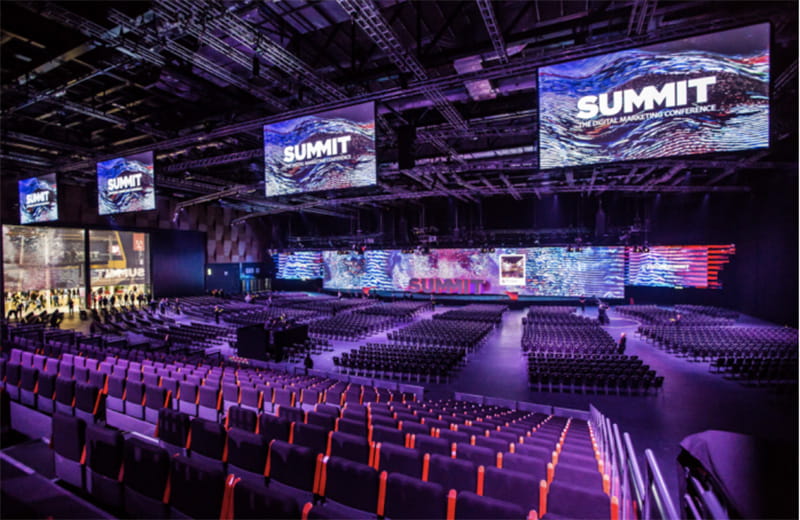
Indoor LED displays have turned into a key part of today’s digital advertising. They offer lively visual shows and great adaptability. In shops, company entrances, airports, and fun spots, these displays change plain messages into engaging experiences. Their skill to show live updates and hands-on content makes them vital for companies that want to connect with people well. Key Benefits of Indoor LED Displays Indoor LED displays give bright, clear pictures that boost brand notice and keep messages easy to see even in well-lit areas. Their piece-by-piece setup lets you adjust sizes and shapes easily. This fits different building designs, from small shop desks to big video walls in meeting halls. Smart control tools allow quick content changes. Marketers can tweak plans right away based on how people react or sale times. So, this flexibility aids lively ad plans that keep things new and interesting. Comparing LED Screens with Traditional Display Technologies LED screens beat LCDs or projectors in brightness and steady color match over the whole surface. They hold up picture quality without light leaks or contrast problems seen in other methods. Plus, they need less upkeep. This comes from longer use times and tough parts. It leads to better costs over years for firms. Smooth join tech makes big pictures without gaps. Thus, it builds one full image that draws viewers in more. How Do Technical Specifications Affect Display Performance? The tech details of indoor LED displays shape how well they work in areas like picture sharpness, power use, and lasting strength. Knowing these points helps experts pick the right display options for certain places. The Role of Pixel Pitch in Image Quality Pixel pitch means the space between nearby pixels. It stands as a main factor in setting display sharpness. Tighter pixel pitches, like P1.2mm to P2mm, create clearer pictures. These suit near views, such as in control areas or shop displays. On the other hand, wider pixel pitches save money for setups where people stand back. So, matching pixel pitch to spending plans gives the best sight clearness without extra costs. Refresh Rate and Color Accuracy Considerations Fast refresh rates matter a lot for even motion in videos or moving graphics. A rate over 3,840 Hz cuts down on flickers and blur. It offers a comfy view, even when cameras record it. Better color setup methods keep steady results across many panels. This holds brand colors true in setups with several screens. Good timing between hardware parts and software guides stops shadow effects. Those can harm picture quality. What Installation and Maintenance Practices Ensure Longevity? Good setup and care steps form the base for getting the most from indoor LED displays’ working life. Right setup cuts down on problems. It also keeps safety and trust over years of steady use. Best Practices During Installation A firm mounting frame is key to hold the load of big LED screens. It keeps parts lined up just right. Enough air flow stops heat build-up by letting cool breeze move behind modules. Use pro tools for setup to get even light and color match over all parts. Safe wire setups lower electric noise. They guard against signal drops or power swings that might stop work. Routine Maintenance Strategies for Extended Lifespan Regular care keeps both sight quality and electric steadiness as time goes on. Clean now and then with soft tools to clear dust. Do this without hurting light parts or cover layers. Watch systems for surroundings help keep heat and wet levels in suggested ranges. This stops early wear on pieces. Usual software updates boost system firmness. They also improve fit with fresh media types and add work boosts from new growth. How Are Indoor LED Displays Integrated into Advertising Systems? Fitting in plays a big part in using all the strengths of indoor LED displays in wider digital ad setups. Mixing hard parts with smart software lets plans run together across many spots. Content Management Systems (CMS) for Dynamic Control Content Management Systems act as main centers for planning, sending, and updating mixed media over screens at once. Far-off handling lets workers change lists or fix problems without being there. This cuts wait times a lot. Smart CMS tools add data check features. They gauge plan success by people measures like stay length or action counts. Synchronization with Other Digital Media Platforms Today’s ad plans often link indoor LED displays with other online spots like social pages or live show feeds. API links allow instant two-way action. For example, show user-made content in sales or events. Auto ad systems turn content based on group info or day times. This keeps things fitting for aimed groups. Steady links across spots build strong brand feel. They give one message over all digital points. Why Choose Shenzhen Longcheng Photoelectric Technology Co., LTD as Your Supplier? Shenzhen Longcheng Photoelectric Technology Co., LTD shows as a reliable maker focused on modern LED display fixes made for world markets. Its drive for exact building makes sure each item hits strict quality rules. These fit pro uses from shop signs to company talk systems. Core Strengths of Shenzhen Longcheng Photoelectric Technology Co., LTD The firm gives a wide choice of indoor LED displays built just for business spots that need sharp work under steady run states. Using top production ways promises even light spread and true color show over every set made. Also, buyers get full tech help. This covers before-setup talks, on-spot guide, tune aid, and after-sale care. It makes sure steady work over the item’s full time. Summary Insights on Indoor LED Displays in Advertising Solutions Indoor LED displays keep changing how brands talk in closed areas. They blend tech new ideas with story skills. Their growth fit makes them great for varied places. Think shop groups wanting people links through moving sights. Or company spots using them as digital signs. Transport centers use them for rider info. Show halls set them as deep talk backs. With top picture quality, bendy fit choices, and smart guide systems, indoor LED screens bring real worth. They raise people focus hold rates. At the same time, they fine-tune work flow in ad nets. Frequently Asked Questions (FAQs) What is the ideal pixel pitch for indoor advertising environments? The ideal pixel pitch usually falls between P1.2mm to P3mm based on view range. Smaller ones give better details for near spots like display rooms or meet halls. There, sight exactness counts most. How long can an indoor LED display operate before replacement is needed? Top indoor LED displays often reach lives over 100,000 hours with good care. This means some years of steady run in normal use without big light drop. Can indoor LED screens be customized according to architectural design requirements? Yes, change options cover shifting size measures, bent shapes, side ratio tweaks, and custom edge looks. All this lets smooth fit into hard building plans. It keeps even picture out over setups.
From Flat to Fantastic — What Flexible LED Display Panels Can Do for Your Brand

From Flat to Fantastic — What Flexible LED Display Panels Can Do for Your Brand

Flexible LED display panels are changing how brands connect with their audiences. They blend technology, creativity, and adaptability in fresh ways. These panels, often called flexible digital displays, support lively visual stories. They go beyond the limits of usual flat screens. Their bendable build lets them fit onto different surfaces. This creates engaging spaces that boost brand impact and viewer involvement. The Evolution from Traditional Screens to Flexible Displays The shift from stiff LED screens to bendable, light options shows a big step in display tech. Old LED setups had rigid builds and weighty parts. These factors limited creative uses. Today’s flexible screens use smart composite materials and micro-LED tech. This allows bending without losing picture sharpness. Such progress meets the rising need for engaging, curved visual setups in shops, fun spots, and building projects. Flexible LED panels now fit on rounded walls, tube-shaped columns, or even wavy areas. They turn still places into moving visual scenes. As experience-based marketing grows, these displays help creators and ad makers build spaces where content seems active. It also responds to the area around it. The Role of Flexibility in Creative Brand Expression Flexibility goes beyond a simple tech trait. It acts as a tool for imagination. Bent and wrap-style setups let brands escape the boxy limits of old displays. They surround watchers with action and hues that grab focus. This boosts viewer interest by wrapping them in a brand’s story. It does so instead of showing it on one level. Plus, flexible digital displays blend well into building parts like posts, roofs, or art setups. Their skill to match various shapes aids in telling tales through active forms and shifts. This turns solid structures into breathing spaces for brand shows. Why Should Brands Invest in Flexible Digital Displays? Using flexible LED tech does more than improve looks. It stands as a smart choice for better visibility, savings, and lasting use. Companies that use these tools get ahead with lasting customer moments. These lead to stronger brand recall and faithfulness. Enhanced Brand Visibility Across Varied Environments Flexible digital displays work in almost any setting. Think upscale shops, show rooms, travel centers, or open-air gatherings. Their fitting nature allows setup on odd surfaces like bent walls or pillars. There, regular flat panels would not work. This range increases how well messages stick. It does so by offering eye-catching designs that draw eyes, even in busy spots. For brands in image-filled markets, this fitting quality keeps messages clear and strong. It works no matter the place or light setup. Cost Efficiency and Longevity as Strategic Benefits Besides their shape flexibility, these panels bring clear work perks. Their light weight makes setup easier. It cuts down on worker costs and building needs. Power-saving LEDs lower energy use. Yet they keep strong light levels for inside or outside spots. The piece-by-piece build of flexible LED systems also eases upkeep. Single pieces can swap out without taking apart the whole setup. This growth-friendly style aids in saving money over time. It lets brands grow or adjust displays as ad plans change. How Do Flexible Screens Integrate with Modern Marketing Strategies? In today’s marketing world, driven by data checks and instant links, flexible screens act as active hubs. They are not just show units. They fit well with all-channel plans that focus on custom touches and quick replies. Integration with Interactive Technologies New flexible LED panels handle touch features, movement detectors, and added reality (AR) tools. These turn still ads into hands-on events. At gatherings or shop sales points, buyers can join in with shown content. They might check item facts or take part in game-like deals built around move following or hand signs. This joining creates stronger feeling ties between brands and viewers. It also pulls in useful action data for plan tweaks. Data Analytics and Content Adaptation Capabilities The real strength of flexible digital displays comes from changing content on the spot with live data. By linking with cloud-based content handling systems (CMS), ad folks can refresh images right away across many sites. They base updates on crowd traits or flow patterns. For instance, a shop brand could shift promo images by time or buyer crowd spotted through sensors. This keeps every message fitting the moment. Such a data-led way turns flexible LED setups into smart talk tools. They can grow with viewer actions. What Technical Features Make Flexible LED Panels Stand Out? The smart building of flexible LED panels guarantees top work in tough spots. It keeps great picture quality even when shaped into tricky bends or turns. Display Performance and Durability Factors Fine pixel spacing gives sharp images from any watch angle. It holds clearness over uneven areas. Smart materials in panel making fight heat rise, water contact, and force strain. These traits matter for setups facing changing weather. Strong wire plans with good power control add to long life stats. These often beat those of usual flat LEDs. This toughness ensures even light spread over years of steady run. It avoids fade in color truth. Installation Versatility and Control Systems Setup range is a key plus of new flexible LED systems. Magnet pieces make fixing on uneven spots simple. They keep exact line-up between parts for smooth sight flow. Fit with various control rules allows matched play across big nets or multi-screen plans. Far-off watch tools add to trust by letting quick fixes via main boards. These track heat changes, power steadiness, or pixel issues. They cut stop time with ahead upkeep steps. How Does Shenzhen Longcheng Photoelectric Technology Co., Ltd Enhance the Market for Flexible Digital Displays? Shenzhen Longcheng Photoelectric Technology Co., Ltd shines as a reliable maker focused on pro-level flexible digital display answers. These suit world fields like shops, fun areas, building works, and travel nets. The firm’s pledge to exact building ensures steady product trust. It comes with full tech help plans aimed at long client joy. Core Competencies of Shenzhen Longcheng Photoelectric Technology Co., Ltd Their main skills cover know-how in making top flexible LED modules. These adjust to many weather types. From inside shows needing close pixel work to outside fronts wanting weather-proof strength. Steady research and development spending pushes gains in panel bend and picture truth. It also tunes making steps for green ways. On top, Shenzhen Longcheng Photoelectric Technology Co., Ltd stresses top after-sale care. This includes pro setup tips, system tune help, and ongoing fix programs. They guard run steadiness through each item’s life span. What Future Trends Are Shaping the Next Generation of Flexible Screens? As display tech moves toward deeper ties with smart setups, the coming wave of flexible screens will mix art style with digital smarts. This will reshape how sight talk links with daily spots around the globe. Innovations Driving the Next Phase of Development New ideas include see-through flexible LEDs for two-way sight uses. These fit well for glass walls or shop fronts. There, watchers can view content from both sides at once. Linking with Internet of Things (IoT) setups will let auto content shifts based on setting clues. Examples are light levels or user nearness info. At the same time, makers are using earth-kind materials in all making steps. This cuts harm to nature while boosting reuse. It matches tech steps with world green aims key to today’s firm duty plans. Conclusion: Transforming Brand Experiences Through Flexibility Flexible LED display panels mark a big change from still signs to active tale media. These can remake space views. By adding these handy techs into ad bases, especially via ties with solid suppliers like Shenzhen Longcheng Photoelectric Technology Co., Ltd, groups can lift brand spots. They go from flat shows to deep events marked by savings, lasting time, hands-on links, and free imagination. FAQs 1. What distinguishes flexible LED display panels from traditional flat screens? Flexible panels can bend or curve without affecting image quality. They allow installation on irregular surfaces where standard flat screens cannot fit. 2. Are flexible digital displays suitable for outdoor use? Yes, many models are designed with weather-resistant coatings and high brightness levels suitable for outdoor advertising or architectural integration. 3. How can businesses ensure long-term performance of flexible screens? Partnering with reputable manufacturers like Shenzhen Longcong Photoelectric Technology Co., Ltd ensures access to durable components, professional installation guidance, and consistent technical support throughout the product lifecycle.
Modular LED Screen The Future of Flexible Digital Displays

Modular LED Screen The Future of Flexible Digital Displays

Modular LED screens have become a key breakthrough in digital display systems. They mix scalability, flexibility, and strong visual quality to provide great results in various uses. Unlike old fixed-size screens, modular LED screens consist of several linked panels. These panels can be set up to match any size or form. This setup boosts adaptability. It also improves repair ease and setup simplicity. Key Features Defining Modular LED Screens The main trait of modular LED screens is their easy assembly and disassembly. Each panel uses exact connectors. This ensures a smooth image without clear lines or spaces. Their bright light output and sharp contrast make them fit for indoor shows and outdoor ads. They keep clear sight even in strong sun. Plus, their light weight eases transport. It helps with fast setup and takedown at events or short-term spots. How Modularity Enhances Display Flexibility The modular design of these LED screens lets creators and experts build screens of almost any size or ratio. Panels join together to reach the needed scale. This happens without losing image evenness. The tech also allows bent or odd shapes. Thus, it gives freedom to builders and event staff for unique visual setups. Repair work is simple too. Single modules can swap out on their own. This cuts downtime and fix expenses. How Do Flexible Digital Displays Transform Visual Communication? Flexible digital displays have changed how content appears in many fields. They blend adaptability with better image features. These setups allow lively stories through deep visuals. Such visuals fit unusual surfaces or building lines. Applications Across Diverse Environments In shops, flexible digital displays boost product interest. They make active displays that draw in buyers. Event teams use modular LED screens for changing backgrounds. These can update content live during shows or talks. In building design, big LED walls act as art and brand tools. They turn outside building faces into active art spaces. These respond to weather signals or crowd input. The Role of Flexibility in Creative Design Flexibility lets creators try new ideas past standard box shapes. By forming screens into bends or uneven forms, visual talks become more engaging and touching. Content can shift to fit the screen’s lines. This allows smooth changes and space-based stories. Such design freedom builds stronger crowd ties. It mixes tech with art in fresh ways. Rigid screen systems could not do this before. What Are the Technical Components Behind Modular LED Screens? The work of a modular LED screen depends on its electronic, optical, and build parts. All these are made for exact timing. Core Elements of a Modular System LED Modules: Each module holds a grid of light-emitting diodes. These create bright colors with exact match over the whole screen area. Control Systems: These handle data flow between modules. They ensure timed playback and steady frame speeds, even on big setups. Power Supply Units: Steady voltage control is vital. Power spread systems keep even light output. They avoid flicker or wear over time. Innovations Improving Performance and Reliability New steps like fine pixel pitch tech have greatly raised image sharpness. This makes near-view uses possible, such as watch rooms or show halls. There is no clear pixel show. Better heat control via smart cooling stops overheat in long runs. It lengthens life and steadiness. Smart setup software auto-fixes color match across modules. It removes unevenness from old diodes or outside factors. Why Are Modular LED Screens Considered the Future of Digital Display Solutions? As fields lean more on visual media for talks and brands, modular LED screens give top versatility and value for money. This beats old tech like LCD walls or projector setups. Scalability and Cost Efficiency Advantages Groups can set up growing installs. They start small and add on as needs rise. No need to swap whole setups. The swapable module build cuts long-term repair costs. Only bad units need work, not full panels. Energy-saving LEDs lower power use. They keep top light output. This aids green work habits. Integration with Emerging Technologies Today’s modular LED systems link well with Internet of Things (IoT) setups for far-off checks, fixes, and work boosts. AI-based content tools study crowd reaction data live. They tweak message plans on their own. Also, fit with augmented reality (AR) and virtual reality (VR) tech creates active setups. These blend real places with digital stories. It starts a new time for hands-on marketing. How Does Shenzhen Longcheng Photoelectric Technology Co., LTD Stand Out as a Supplier? Shenzhen Longcheng Photoelectric Technology Co., LTD has set itself as a top maker. It focuses on advanced modular LED screen fixes for world markets. The firm’s push for study-based new ideas ensures goods that hit strict global rules. At the same time, they meet varied buyer needs in trade, fun, and building areas. Strengths That Define Shenzhen Longcheng Photoelectric Technology Co., LTD Its wide study and development skills aim at building next-level LED tech. This stresses better output and toughness. Strict quality checks promise steady work across make runs. This means trust even in hard settings. Also, Shenzhen Longcheng gives full custom choices. These fit special project needs, from small inside setups to wide outside fields. What Factors Should Be Considered When Choosing a Modular LED Screen? Picking the right modular LED fix needs close look at tech details tied to planned uses. Key Selection Criteria for Professionals Pixel pitch is a top factor to think about. Smaller pitches give sharper images for near spots like meeting rooms or shop areas. Larger pitches save money for far views, such as signboards or sports fields. Weather-proof levels, including IP ratings, set fit for outside use. There, wet or dirt exposure happens often. Fit with current control setups must check too. This ensures easy link into present audio-visual systems without big changes. Conclusion: The Path Forward for Flexible Digital Displays Modular LED screens do more than offer small steps ahead. They reshape how digital content links with real space via flexibility, exact build work, and changing smarts. As screen tech keeps growing toward better links and depth, flexible digital displays will stay key in forming future talk areas. This includes smart cities lit by quick-response walls and fun spots run by shifting visual setups. FAQs What distinguishes a modular LED screen from a traditional fixed display? A modular LED screen consists of interconnected panels that can be assembled or reconfigured as needed, offering greater flexibility than fixed-size displays which are limited by their frame dimensions. How long do modular LED screens typically last? With proper maintenance, high-quality modular LED screens can operate efficiently for over 100,000 hours, depending on usage conditions and component quality. Can modular LED screens be used outdoors year-round? Yes, outdoor-rated modular screens are designed with weatherproof enclosures that protect against moisture, dust, and temperature fluctuations while maintaining consistent performance throughout the year.
Home
WhatsApp
Email
Contacts