
Nullam dignissim, ante scelerisque the is euismod fermentum odio sem semper the is erat, a feugiat leo urna eget eros. Duis Aenean a imperdiet risus.
Loading
Nullam dignissim, ante scelerisque the is euismod fermentum odio sem semper the is erat, a feugiat leo urna eget eros. Duis Aenean a imperdiet risus.
 author
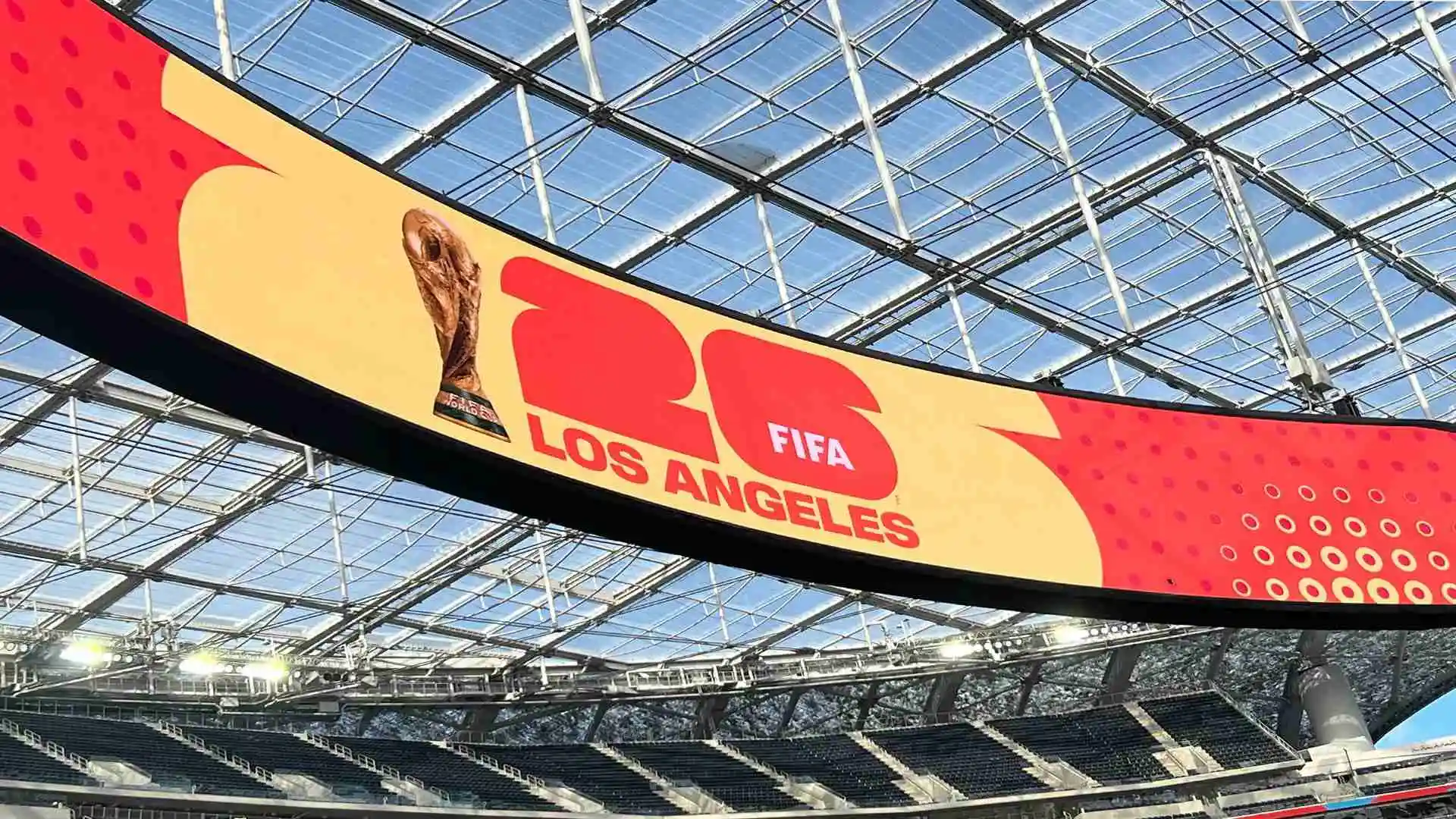
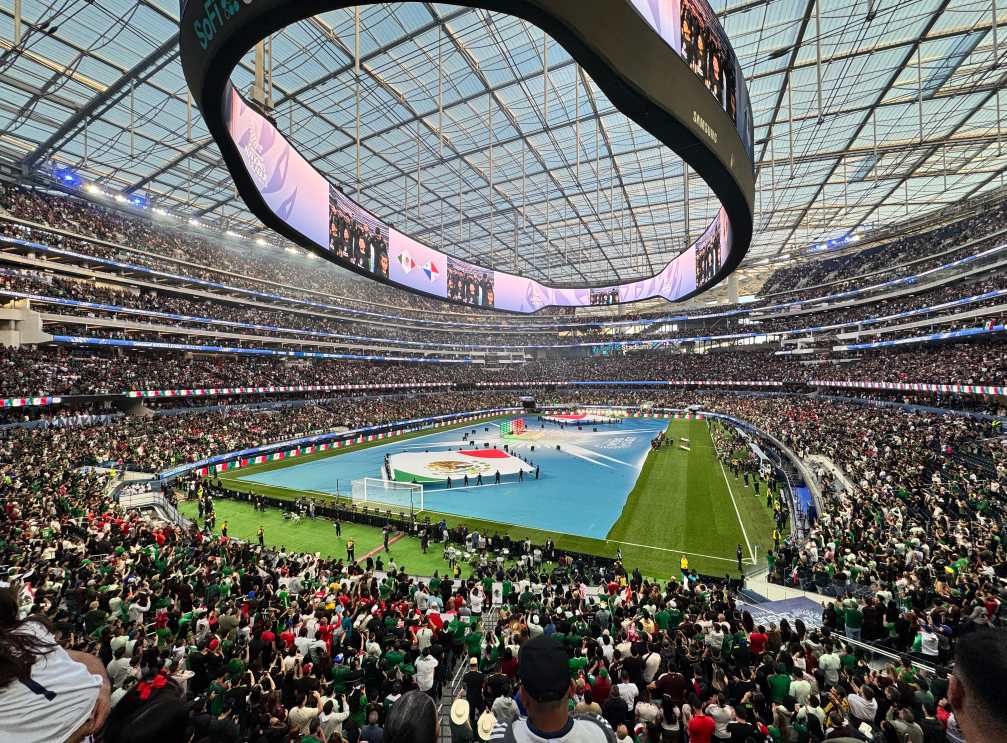
 The FIFA World Cup 2026 will cover the widest-ever spread of host cities, placing matches in 16 venues across the United States, Canada, and Mexico with 48 teams competing over a schedule that runs nearly a full month. High-brightness LED displays have turned into standard equipment for maintaining clear, stable pictures in FIFA World Cup 2026 stadiums, fan zones, and related viewing spots, dealing with long stretches of bright daylight then shifting to night under powerful lights without dropping quality or reliability.
Older setups relying on basic scoreboards or rows of ordinary TVs struggle to keep up with the size and demands of these sites. Today’s projects need screens that stay legible from far away while running live replays, stats overlays, sponsor sequences, and fan prompts around the clock.
Ticket projections go beyond 5.5 million for stadium entry, and official fan festivals along with public viewing areas in big cities expect daily turnouts hitting tens of thousands at peak spots. Game times put early starts in strong western sun and late endings under eastern floods, so displays have to hold steady through quick, drastic light changes.
Data from past tournaments makes the pattern obvious. Qatar 2022 leaned heavily on outdoor LED setups in fan zones, and follow-up numbers showed most people outside the stadium chose big screens over phones or home sets whenever they had the option. The 2026 layout, crossing three countries and different time zones, ramps up that need considerably. Venues have locked in upgrades for perimeter boards and main video walls, and FIFA Fan Festival rules set minimum screen areas in the hundreds of square meters.
Different sites throw up varied challenges on weather, crowd distance, and runtime, and the right outdoor LED display approach handles each one cleanly.
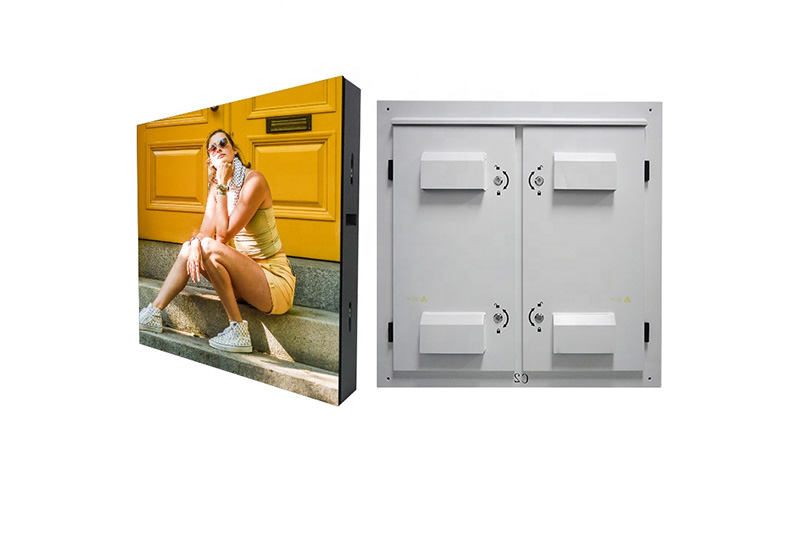
Stadium LED screens running the perimeter act as the main visual strip for ads, game info, and live content while matches play out. These stay active for long stretches without breaks, flipping between sponsor spots, replays, and stats. Anything under 6500 nits tends to fade in full sun—notes from recent confederation matches showed 5000-nit screens going blank at midday peaks. Newer specs often call for 8000–10000 nits, matched with high-contrast black LEDs and glare-reducing coatings to keep the image sharp.
Nearby areas like concourses, entry zones, and press spots follow the same rules. They deal with big temperature jumps, dust, and wind in places from hot Dallas to muggy Atlanta. IP65 protection or stronger has become a must-have rather than a nice-to-have.
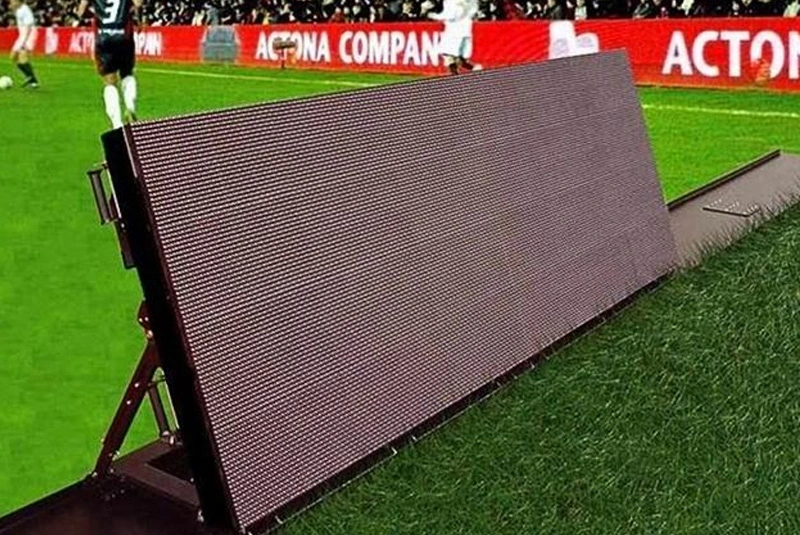
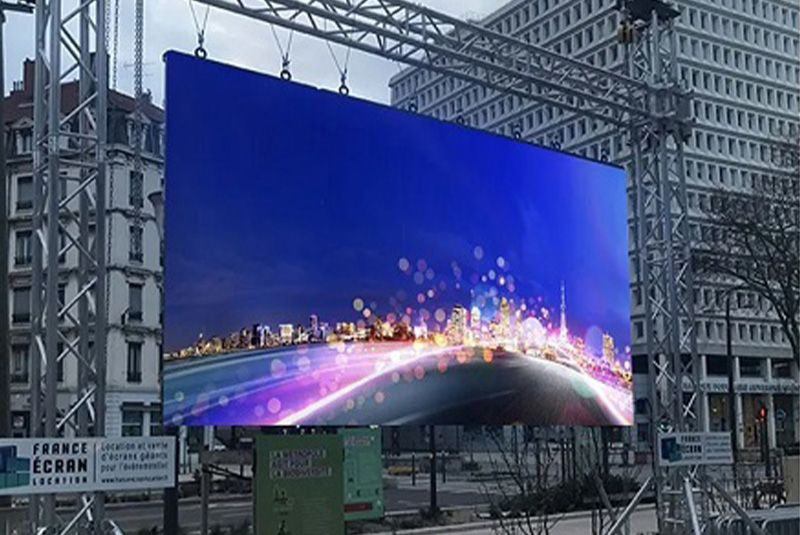
The biggest group watching happens away from the pitch. Key public spots in Mexico City plazas, Toronto downtown areas, and Los Angeles park plans will pull in huge crowds at once. A raised outdoor fan zone LED screen over 500 square meters can cover people blocks apart.
Earlier events give solid reference points. Russia 2018 had standout Moscow fan zone screens around 480 m² that still left some viewers too far back. Planning for 2026 already includes calls for screens topping 800 m² in several cities. Power use stands out as a factor—older outdoor panels at top brightness can pull over 400 kW across long days. Updated energy-efficient outdoor LED display builds hit the same 7000–8000 nits level while dropping average draw by 30–40%, cutting generator needs and fitting better with temporary site green targets.
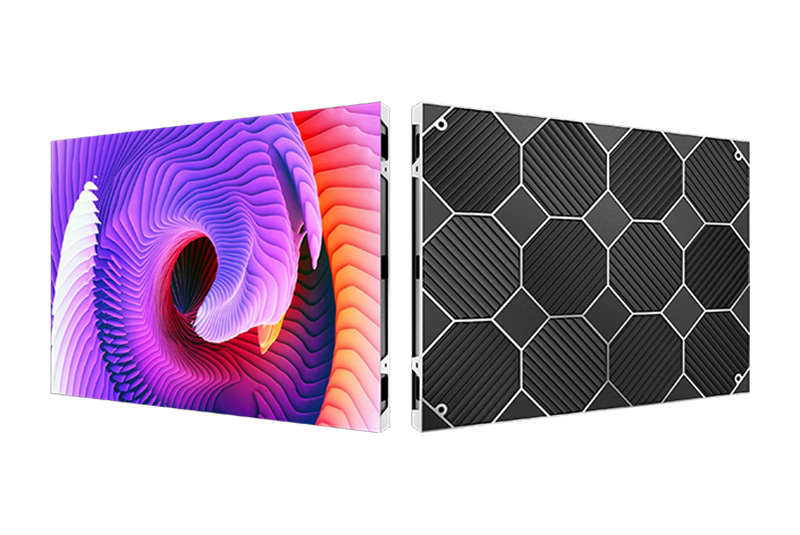
Packed indoor places count on smooth, detailed pictures to hold the mood. Indoor fine pitch LED setups in P1.5–P2.5 pitches take over from TV walls, building seamless surfaces for true 4K or better. Refresh rates hitting 3840 Hz and up wipe out motion blur on fast pans and big moments, giving cleaner action than regular broadcast feeds.
Angles close to 160 degrees plus tight color matching keep the view even from side seats or standing spots—vital where crowds shift and bunch up constantly.
Plenty of jobs run short term instead of fixed long haul. Rental LED display lines lead sponsor areas, hospitality setups, and quick pop-up events. Cabinets with built-in rigging let teams put up big video walls in hours. High-brightness rental models around 5000 nits work in mixed light or covered outdoor spots while holding weather resistance for surprises.
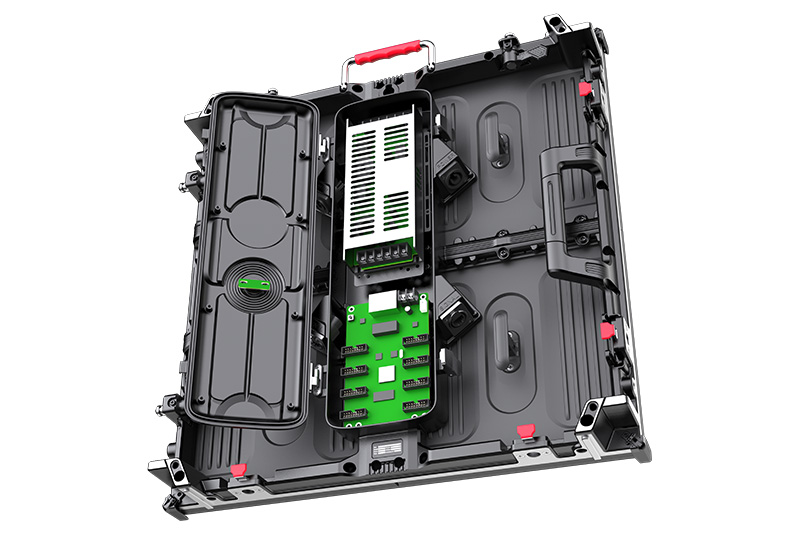
Die-cast aluminum keeps cabinets light for moving, and onboard control gear makes syncing to live feeds or custom graphics straightforward.
Trucks with lift-up screens roll through host cities for buildup promotion and extra viewing. They need tough modules, backup power paths, and fast hydraulic lifts. Mobile LED screen units face building bounce-back and direct sun, so steady high brightness stays non-negotiable.
Company events, campus watch parties, and neighborhood gatherings scale the tech down. A high refresh rate LED screen built into a 200-inch indoor wall or 300-inch outdoor setup brings stadium feel to smaller groups without matching infrastructure.
Hands-on work from recent big events points out the specs that make systems hold up.
Brightness leads the list, but steady full-white output without heat-caused color pull matters just as much. At least 3840 Hz refresh clears scan lines under pro cameras, turning out smooth slow-mo and fast clips.
Power draw shapes wiring plans and running costs over weeks. Newer energy-efficient LED display circuits using smart drivers reach 220–280 W/m² at high output, against 450–600 W/m² in old designs—real savings pile up during a tournament run.
Uptime under constant load separates good from problematic. 72-hour burn-in before shipping, plus strong parts and double signal/power backups, cut outage chances when it counts most.
Protection matches actual conditions. Front IP65 takes rain and dust head-on; rear IP54 guards the insides. Coastal spots add salt-air concerns that need extra attention.
Teams face stacks of choices, and small misses turn into big headaches later.
Pixel pitch comes straight from measured viewing distances. P8 works for fan zones at 20-meter closest approach; perimeter closer to cameras usually goes P5 or P6 for tighter detail in broadcast shots.
Rules change by country. North America wants ETL or UL electrical checks; CE covers most elsewhere. Paperwork gaps hold shipments for weeks at customs.
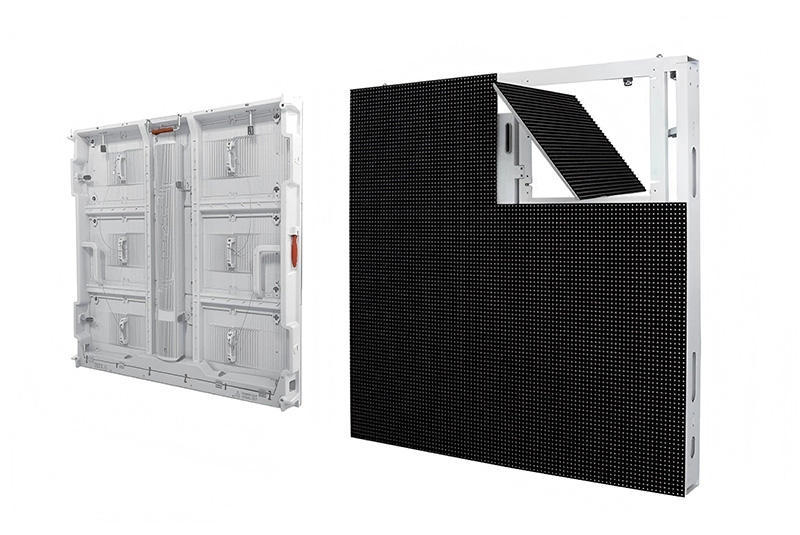
Service reach affects daily life. Tall fixed mounts gain from front-access modules or walkways. Rental gear stresses fast locks and spares kept nearby.
Processing backbone finishes the build. Pro processors with fiber backup switch feeds cleanly, beating simple players when juggling live, graphics, and backup signals.
Started in 2013 out of Shenzhen, Guangdong Province, the company sticks to LED display production with over twelve years of dedicated work. The plant runs the whole line from module build to full assembly, backed by ROHS, FCC, CE, ISO9001, and CCC approvals. Units go through 72-hour aging, sample checks, and final inspection before leaving. Output supports delivery to more than 120 countries and regions, covering concert stages, rental jobs, sports venues, and stadium projects. Focus stays on high-definition output, strong refresh performance, energy-saving builds, and tough construction, with custom options and ongoing support available. Complete product lineup details sit on the LOSCEN LED Display Products page.
FIFA World Cup 2026 will push live event visuals to new levels, and high-brightness LED displays form the backbone for solid, engaging experiences in stadiums, fan zones, and overflow spots. Perimeter runs in bright sun, rental quick builds, and indoor sharp playback all call for gear built to handle tough specs. Organizers, venue crews, rental outfits, and businesses getting ready for this major North American run need solutions that mix strong visuals, lower running costs, and track-proven staying power.
Most setups aim for 7000–8000 nits minimum to stay readable during day games, with top builds going to 10000 nits against the worst glare.
Modern rental lines with die-cast frames, 3840 Hz refresh, and backup power/signal paths handle 18–20 hour days across big tournaments when serviced right.
Rates at 3840 Hz and above clear up blur and camera lines, giving natural replays and slow-motion that work for crowds on site and TV watchers.
P1.5 to P1.8 fine-pitch indoor panels give true 4K on 138–200 inch walls, letting close viewers see every detail without seeing pixels.
ETL/UL certification, solid export packing, and early customs prep stop holdups, while vendors knowing North American power and plugs make setup smoother.










Leave a comments