
Nullam dignissim, ante scelerisque the is euismod fermentum odio sem semper the is erat, a feugiat leo urna eget eros. Duis Aenean a imperdiet risus.
Nullam dignissim, ante scelerisque the is euismod fermentum odio sem semper the is erat, a feugiat leo urna eget eros. Duis Aenean a imperdiet risus.
 author
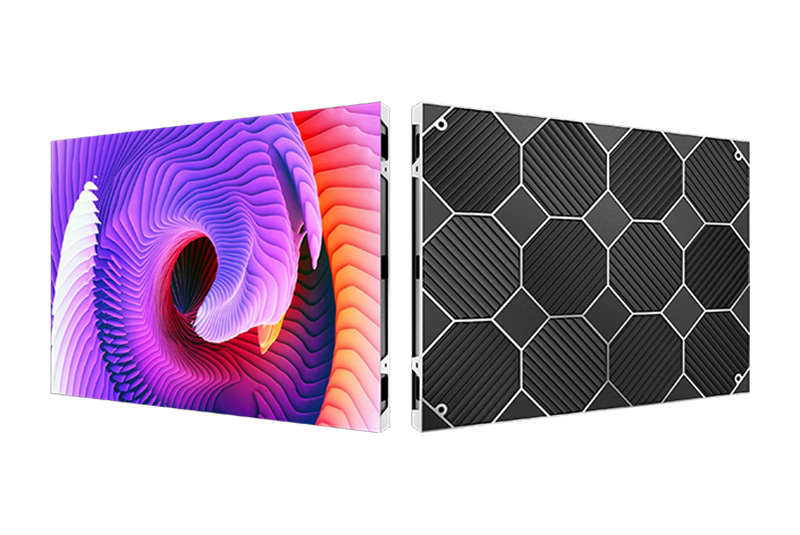
A modular LED display forms a visual setup from several joined panels or modules. These units link up to build one ongoing big screen. Each module functions alone. This makes repairs easy, setups adaptable, and size increases straightforward for many purposes. Modular LED screens stand out as a major advance in digital display tools. They combine growth potential, adaptability, and solid visual clarity. As a result, they deliver reliable outcomes in different settings. Such a design shifts how digital images fit into various spaces and building arrangements.
People use these displays in places like events, ads, and info centers. The panels snap together without hassle. Workers can add or remove them as needed. This keeps things running smooth. Overall, the system proves practical for both small and large jobs.
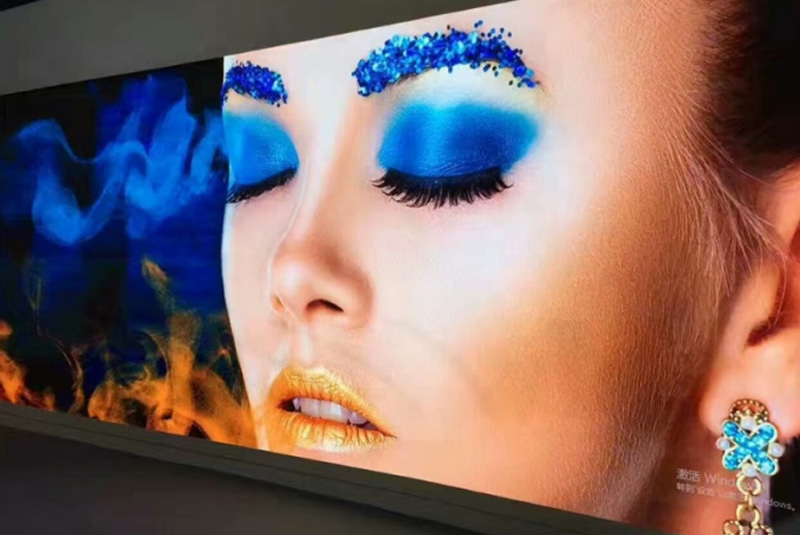
The modular build includes separate panels. Each one holds LED pixels placed in regular patterns. Teams connect these panels with accurate mechanical locks and electrical ties. This setup guarantees straight lines and unbroken signal paths. Each panel depends on those precise connectors. Therefore, the overall image looks even. No visible seams or breaks appear. The modular framework supports quick putting together or taking apart. This occurs during setup or upkeep tasks. It reduces time out of service. Yet, it preserves smooth visual results.
Builders often praise this for its ease. In practice, it saves hours on site. The connections hold firm over time too.
Each module includes a number of core parts. These shape its overall function:
LED Modules: Every module contains a pattern of light-emitting diodes. These produce lively colors. They align perfectly across the full screen. All these elements combine to provide steady operation. They also ensure true-to-life image creation on the whole display area.
Users find these parts reliable in daily use. They rarely fail, which cuts down on worries.
Modular LED screens work through careful teamwork of signal handling circuits, control tools, and heat control features. These elements support lasting dependability.
Engineers design them for tough conditions. Daily checks help spot issues early. This approach keeps performance high.
Picture information starts from video feeds. It moves through sending cards to receiving cards inside each module. Then, the receiving card breaks down the data. It changes it into directions for single pixels. This allows correct color placement. Control Systems: They direct data transfer between modules. They make playback on schedule. Frame rates remain constant, even in large arrays. Sync rules match frame times over all modules. Thus, they avoid splits or delays in fast-action videos.
In tests, this setup handles complex graphics well. Viewers notice no lags during shows.
Heat oversight plays a key role. It holds steady work during extended sessions. Aluminum frames or added heat spreaders release warmth well. Smart detectors track temp shifts. They change power flow as required. Improved heat handling through clever cooling prevents excess warmth in drawn-out operations. This extends service life and reliability. Power-saving LEDs lower energy needs further. Meanwhile, they uphold light levels fit for indoor events and outdoor promo spots.
Many sites report lower bills thanks to this. It also means less strain on power grids.
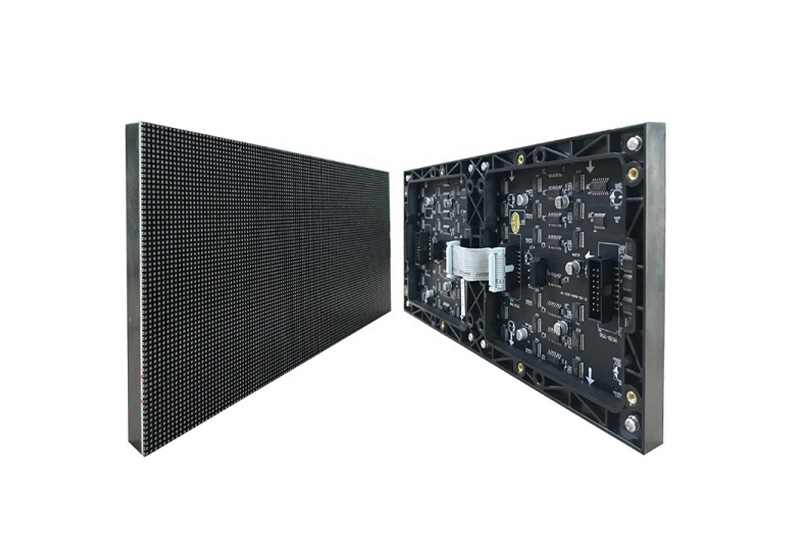
Modular LED displays do better than usual LCD or projector setups. They provide greater adaptability, even pictures, and simpler fixes.
For businesses, this means less hassle. Teams can adjust quickly to new needs. It fits modern demands well.
The modular idea enables boundless growth. People can put together displays in any size or form using standard panels. The modular design of these LED screens allows makers and specialists to construct screens in nearly any dimension or proportion. Teams achieve bent or uneven shapes. They do so by changing angles where modules meet. This widens options for building blends or event designs.
Examples include stadium wraps or store fronts. Each project turns unique with ease.
Upkeep speed marks a clear strength of modular systems. Bad modules get swapped one at a time. No need to break down the full setup. This greatly lessens downtime. Fix jobs stay basic as well. Individual modules replace independently. Hence, it trims lost hours and repair bills. Also, choices for front or back entry ease service in varied setup types. Solid part construction guarantees ongoing strength.
Owners often note fewer calls for tech support. The system lasts years with basic care.
Selecting the proper modular LED screen needs thorough checks of tech specs. Consider things like pixel pitch, refresh rate, brightness, protection level, and setup factors.
Buyers should match these to their site. This avoids regrets later. Planning ahead pays off.
Pixel pitch sets the gap between close LEDs. Tighter gaps create finer detail. This works for areas with near views, such as studios or meeting spaces. Wider gaps suit outdoor ads. There, people view from a distance. Pixel pitch counts as a prime element to review. Tighter pitches offer crisper visuals for close areas like conference rooms or retail spots. Weighing detail against costs secures best results within spending limits.
Common choices range from 1mm for indoors to 10mm outdoors. Test views to decide.
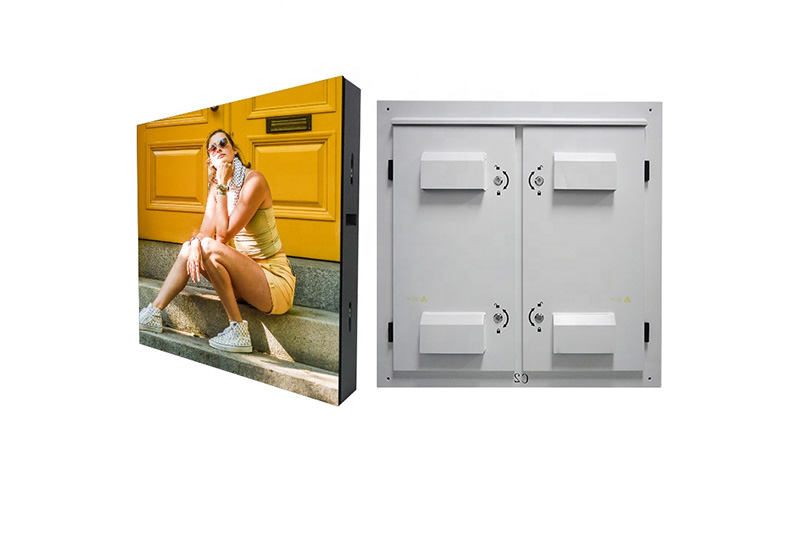
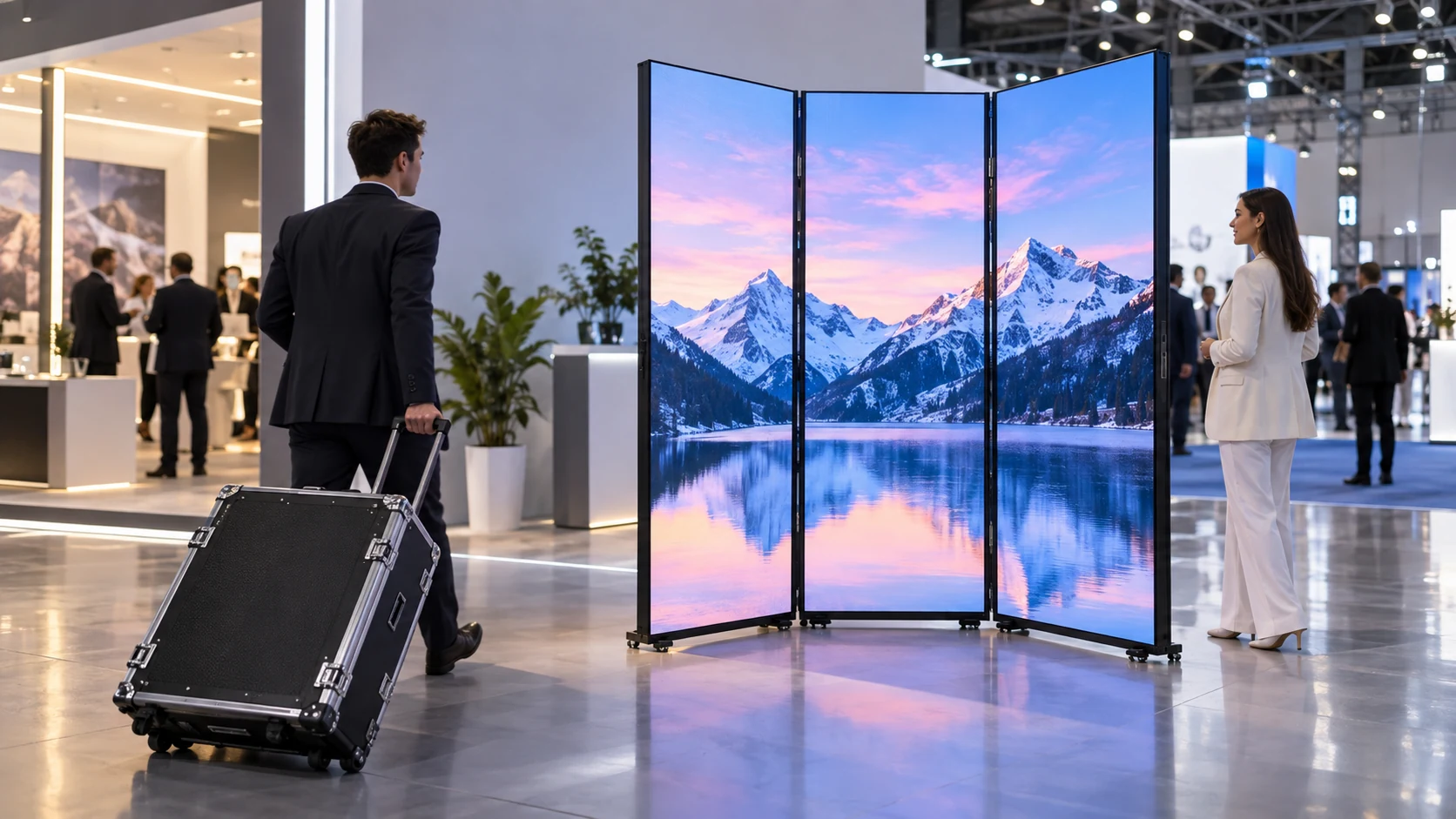
Outdoor placements require tough shells rated IP65 or better. These resist dirt, water, and weather changes. Indoor jobs favor light frames with quiet fans. These suit quiet zones like command posts or theaters. Outdoor types need stronger constructions. They feature protective covers rated IP65 or more. Attachment styles range from steady mounts to portable frames based on movement needs.
Site surveys help pick the right one. Weather data guides the choice too.
Shenzhen Longcheng Photoelectric Technology Co., Ltd has built a strong name as a leading producer. It specializes in modern modular LED options made for worldwide use. Shenzhen Longcheng Photoelectric Technology Co., LTD has positioned itself as a chief builder. It concentrates on advanced modular LED screen solutions for international markets. The company’s focus on fresh ideas pushes ongoing product tweaks. This stems from study-driven growth methods.
Years of work have honed their skills. They serve clients from small firms to big events. Trust builds through quality.
Their wide product lineup covers indoor fine-pitch displays, outdoor billboards, rental screens, flexible panels, and transparent modules. These address varied needs in fields like trade ads, performance stages, travel oversight, and structure graphics. Its broad research and growth expertise targets advanced LED tools. This emphasizes improved function and resilience.
Innovation comes from team efforts. Labs test new ideas daily. Results show in real products.
Strict quality rules maintain evenness in making lots. They also meet world approvals like CE, RoHS, FCC, KC, and UL. This points to following safety guidelines everywhere. The company supplies full tailor-made services too. Skilled engineer groups support this. They offer answers fit for exact projects around the globe.
Global reach includes exports to Europe and Asia. Feedback loops improve offerings.
The core build for modular LED tech rests on its piece-by-piece structure. It joins with accurate electronic timing and smart heat plans. Recent moves like fine pixel pitch methods have lifted image clearness sharply. Through blending wise control steps with strong material progress, these displays gain top image accuracy. They manage this in hard work scenarios. At the same time, they hold growth that outpaces old display methods.
Experts highlight the blend of tech and ease. Future updates promise even better tools. Users benefit from ongoing advances.
A modular display system holds switchable panels. These join into diverse forms without remaking the whole frame. Thus, it offers more adaptability than set-size options.
Pixel pitch shapes detail directly. Lower figures provide greater clarity for brief view ranges. Higher figures boost value for big outdoor boards.
Yes. Outdoor-rated models include water-tight shells with bright LEDs past 5000 nits. They add shine blockers for clear sight in full sun. Outdoor-rated modular screens feature protective shells. These shield from wet, grit, and heat swings. They keep even work over the seasons.












Leave a comments