
Nullam dignissim, ante scelerisque the is euismod fermentum odio sem semper the is erat, a feugiat leo urna eget eros. Duis Aenean a imperdiet risus.
Loading
Nullam dignissim, ante scelerisque the is euismod fermentum odio sem semper the is erat, a feugiat leo urna eget eros. Duis Aenean a imperdiet risus.
 author
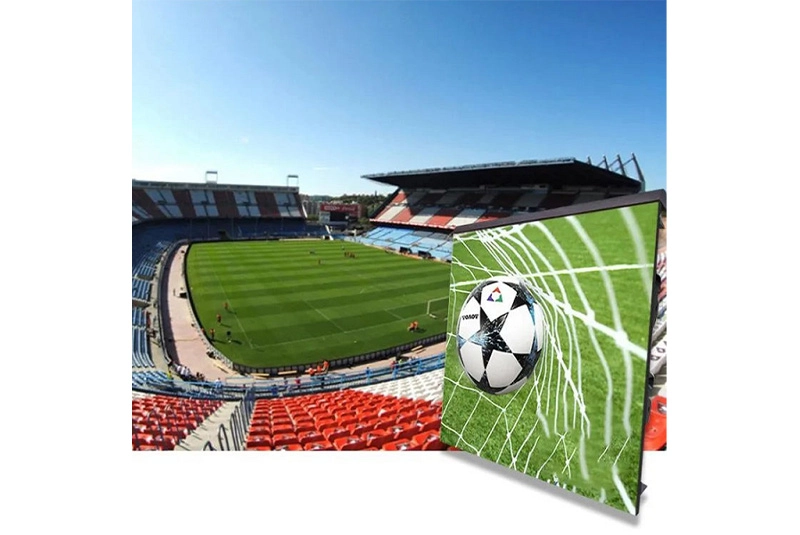
 As the 2026 FIFA World Cup approaches, stadium LED display upgrades and video board enhancements have become standard across host venues in North America. These changes deliver precise replays, immediate data overlays, fluid sponsor transitions, and consistent visuals to crowds numbering in the tens of thousands. The tournament’s footprint—covering 16 sites in three nations—requires robust systems that perform reliably in bright daylight, maintain high refresh rates under broadcast cameras, and support rapid content adjustments between fixtures.
Panels routinely achieve brightness levels well above 5000 nits to counter direct sun in open or retractable-roof configurations. Refresh rates over 3840Hz eliminate visible flicker during televised play, and modular layouts permit fast module swaps when schedules leave little margin. Earlier generations of displays frequently lost contrast in afternoon kickoffs or showed uneven color across large arrays. Contemporary calibrated setups hold uniformity on ribbon runs or curved surfaces.
The modifications fit soccer’s particular layout needs. Expanded pitch dimensions call for improved edge visibility, FIFA transmission protocols favor 4K with HDR support, and perimeter installations run advertisements without disrupting on-field focus. Ribbon configurations and pitch-proximity screens position information nearer to spectators, easing dependence on central hangs and building multi-layered engagement from entry to exit.
Project details from active sites show recurring priorities. Lower-power LEDs trim decades of running expenses, finer pitches sharpen views from remote tiers, and IP65 enclosures guard against precipitation, particulates, and thermal shifts typical in these climates.
FIFA specifications stress even sightlines and transmission dependability, leading to HDR-capable processing and synchronized multi-source feeds. Perimeter LED screens follow touchlines in slim profiles that stay clear of play, cycling sponsor material or live action without pause. Corner placements and ribbon strips cover potential dead zones, converting them into interactive elements.
Real-world demands shape these decisions. Midday glare previously dulled output; current drivers combined with anti-reflective layers preserve contrast ratios. Modular assemblies minimize service windows—a faulty cabinet gets exchanged swiftly rather than halting operations. Several venues integrate these with renewed pitch illumination for uniform exposures, aiding camera consistency across the surface.
Associated facility work feeds into the visual framework. Shifts from gridiron to soccer demand sightline recalibration, and LED arrays assist by supplying directional indicators via graphics and metrics. The combined result produces settings where technology reinforces game rhythm instead of overshadowing it.
Within a $200 million overhaul, north and south end-zone 4K LED video boards now surpass 16,000 square feet apiece, with resolutions nearing 9,120 by 2,400 pixels for outstanding sharpness. Expanded ribbon boards add over 13,000 square feet of distributed surfaces across tiers. Fresh LED field lighting reduces consumption while enhancing night visibility. The package readies the site for six World Cup fixtures, maintaining detail through varying California conditions.
Ninety-eight pitch-level ribbon screens form an unbroken visual strip adjacent to play, complementing the longstanding 360-degree Halo Board that stretches 1,100 feet with close to 25 million pixels. The ribbon supplies prompt close-range views and data for lower sections, while the halo preserves full-circle coverage. Refinements align the venue for knockout rounds and additional major fixtures.
The 70,000-square-foot oval LED board holds position as the centerpiece, equipped for 4K throughout with approximately 80 million pixels. Corner auxiliaries broaden scope for soccer layouts, modular elements facilitating adaptable live feeds, animations, and layered graphics. The arrangement accommodates international transmission needs seamlessly.
Luxury zones incorporate Micro LED panels, and the center-hung advances in resolution capability. Additional concourse and club displays widen distribution. Step-by-step refinements preserve expansive visuals and comply with worldwide event criteria.
Panel replacements upgrade the central scoreboard in place, without modifying dimensions or framework. Enhanced definition and color fidelity prolong service life economically for forthcoming matches.
Enlarged end-zone screens alongside supplementary elements tackle varying sightlines. High-brightness construction withstands local weather exposure.
Four 50-by-30-foot LED installations at corner columns improve oblique perspectives. Thoughtful positioning heightens involvement within a denser footprint.
Pitch modifications for FIFA compliance accompany auxiliary LED placements in lower areas. Coordinated delivery sustains content uniformity venue-wide.
Interior high-resolution screens and exterior banners introduce active facades. Column-based LEDs coordinate patterns extending visual reach outward.
Auxiliary surfaces and sync improvements fit the enclosed dome setting, delivering reliable replays under stable illumination.
Attendees register the change instantly. Replays reveal subtle elements—ball path, facial expressions—from far seats. Proximity ribbons and perimeter boards lessen strain by locating details nearer, synchronized streams fostering shared atmosphere. Transmission teams obtain dependable high-resolution inputs that refine multi-camera work and reduce artifacts.
Sponsors access adaptable inventory. Perimeter rotations handle messages fluidly, amplifying reach through in-venue and broadcast channels. The tiered structure converts fixtures into full-spectrum visual productions, deepening emotional ties for participants.
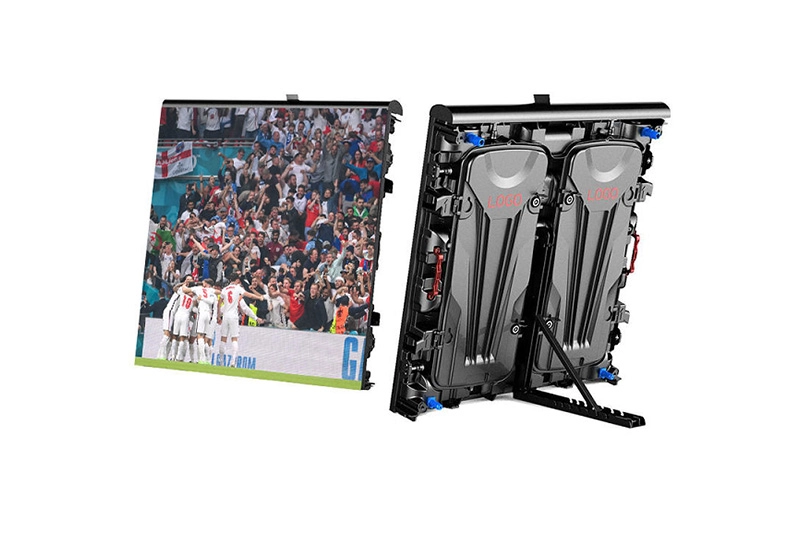
Established in 2013 and located in Shenzhen, Guangdong Province, China, Shenzhen Longcheng Photoelectric Technology Co., Ltd. concentrates on engineering and fabricating dependable LED displays. Across more than a decade, the operation has built indoor and outdoor lines, encompassing small-pitch modules for events, stadium environments, gymnasiums, concerts, and rental deployments.
Products complete 72-hour aging protocols to confirm enduring reliability. The assortment prioritizes high definition, superior refresh rates against flicker, reduced energy draw, and sturdy assemblies. Approvals encompassing ROHS, FCC, CE, and ISO9001 confirm adherence to standards and sustainability. Displays reach over 120 countries, supporting temporary configurations through to permanent fixtures.
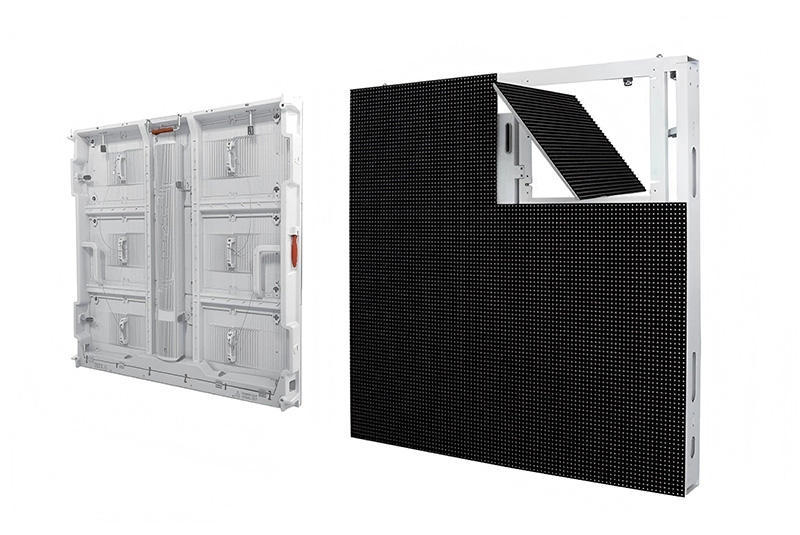
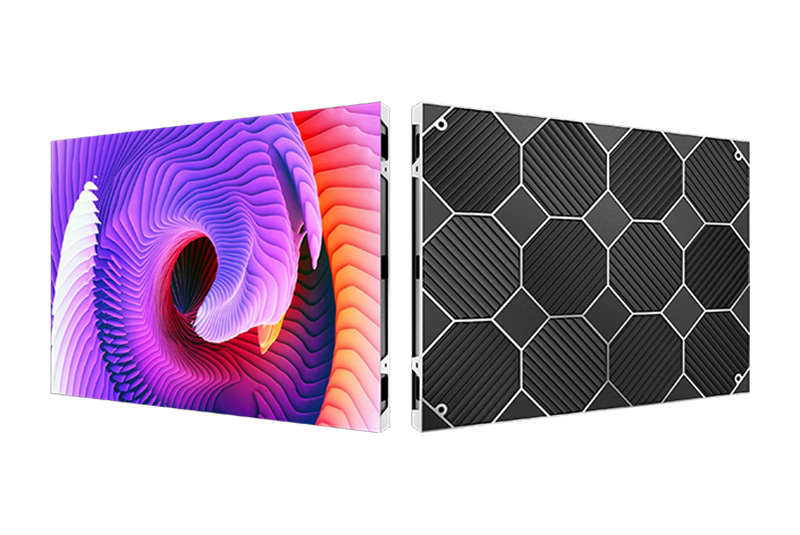
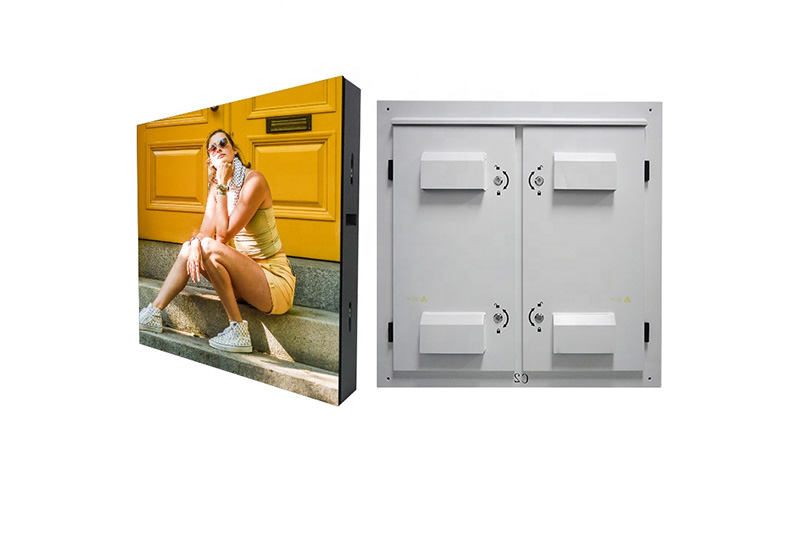
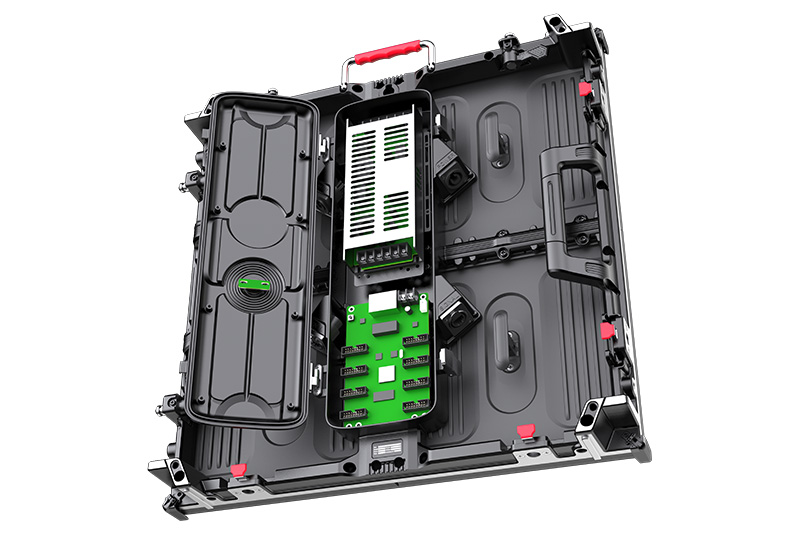
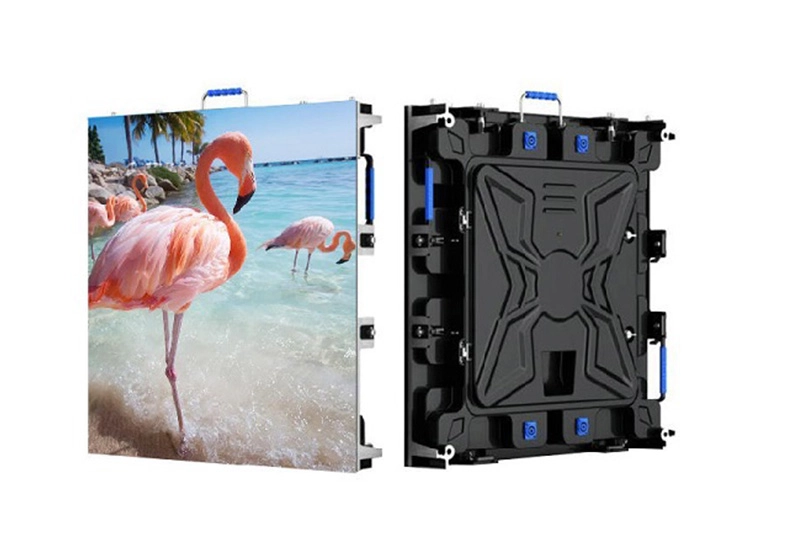
In stadium contexts, selections feature high-brightness outdoor fixed units at 4500–7500 nits, rental lines with die-casting aluminum frames for swift setup, and adaptable formats for perimeter or video wall deployments. These correspond to rigorous, high-exposure settings.
Explore high-brightness outdoor LED solutions tailored for demanding venues.
LED display and video board upgrades throughout 2026 FIFA World Cup host sites signal a measured advance in sports facility visuals. Substantial 4K primary boards, pitch-adjacent ribbons, and perimeter arrays together elevate participation, reinforce transmission standards, and expand possibilities for intricate content presentation. Approaching the event, concentration on brightness, resolution, and integration defines benchmarks likely to shape subsequent deployments well beyond the concluding match.
Units at 5000 nits and above neutralize intense sunlight in open-roof or exposed structures, preserving replay and graphic clarity from all vantage points while retaining color integrity during daylight scheduling.
Positioned along field boundaries, these screens supply instant close-ups of play, metrics, and sponsor cycles without impeding movement, covering lower sightlines and contributing immersion via aligned feeds.
Brightness suited to exterior conditions, refresh rates surpassing 3840Hz to prevent camera-induced flicker, IP65-level environmental sealing, and modular builds for prompt servicing rank highest, together with 4K capability for detail across broad expanses.
Ribbon layouts establish ongoing bands at pitch or intermediate heights, granting enhanced visibility for adjacent spectators and facilitating varied-angle replays, data, and advertisements that blend effectively with central video walls.
Improved arrays furnish stable, elevated-resolution feeds incorporating HDR and cross-screen alignment, diminishing visual interference and raising overall transmission standards for international distribution.










Leave a comments