
Nullam dignissim, ante scelerisque the is euismod fermentum odio sem semper the is erat, a feugiat leo urna eget eros. Duis Aenean a imperdiet risus.
Loading
Nullam dignissim, ante scelerisque the is euismod fermentum odio sem semper the is erat, a feugiat leo urna eget eros. Duis Aenean a imperdiet risus.
 author
 In the current fine-pitch LED landscape, a P2 LED wall built around 2.0 mm pixel pitch continues to deliver resolution that suits detailed indoor content across mid-sized venues. Procurement specialists frequently evaluate this specification for setups demanding clear imagery from roughly 2 meters onward—boardrooms, retail showrooms, control centers, or hybrid event spaces—while sidestepping the steeper investment required for pitches under 1.9 mm. The combination of solid visual fidelity, manageable power draw, and reasonable initial outlay sustains demand for P2 into 2026, particularly amid rising refresh rates and tighter energy profiles throughout the sector.
Pixel pitch boils down to the center-to-center spacing of pixels in millimeters. At 2.0 mm, a P2 LED display achieves approximately 250,000 pixels per square meter, yielding smooth gradients, legible small fonts, and consistent video playback even in standard indoor illumination levels.
Heading into 2026, the industry has consolidated around displays capable of elevated frame rates and seamless integration with 8K workflows. P2 occupies a durable position within that progression. It sidesteps the visible pixel structure common in P2.5 or P3 pitches during closer inspections, yet it evades the cost escalation associated with P1.8 and finer alternatives. Corporate AV projects, retail environments, and institutional installs—where typical sightlines range from 3 to 8 meters—find this pitch aligns closely with practical needs. Deployment records from recent years confirm ongoing preference for fine-pitch indoor solutions near P2, driven by requirements for camera-tolerant operation in mixed live and virtual settings.
Consistent field performance hinges on several verifiable parameters. The table below reflects representative values for dependable indoor P2 configurations seen in 2026.
| Parameter | Typical Value | Field-Level Impact |
| Pixel Pitch | 2.0 mm | Delivers crisp detail across 2–10 meters; supports near-4K perception in average room scales |
| Brightness | 800–1200 nits | Maintains legibility against typical office or retail ambient light |
| Refresh Rate | 3840–7680 Hz | Prevents flicker, scan artifacts, or moiré under camera capture and dynamic content |
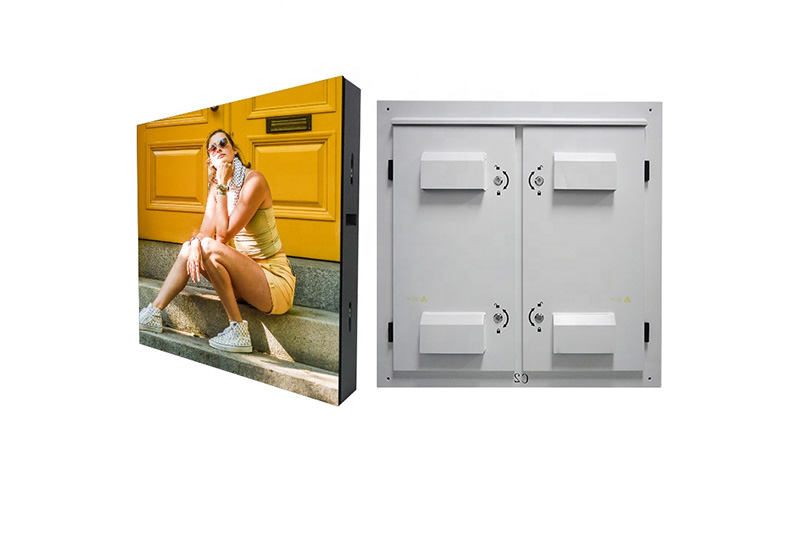
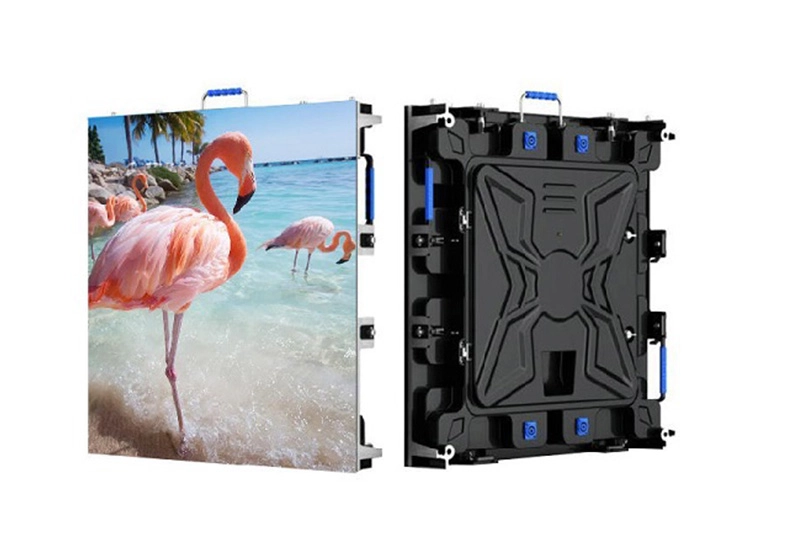
| Cabinet Size | 640×640 mm or 960×960 mm | Facilitates precise, gap-free assembly for custom dimensions |
| Average Power Consumption | 180–350 W/m² | Restrains operational electricity expenses during extended run times |
| Lifespan | ≥100,000 hours | Limits service interruptions and full-system replacements; frequently covered by extended terms |
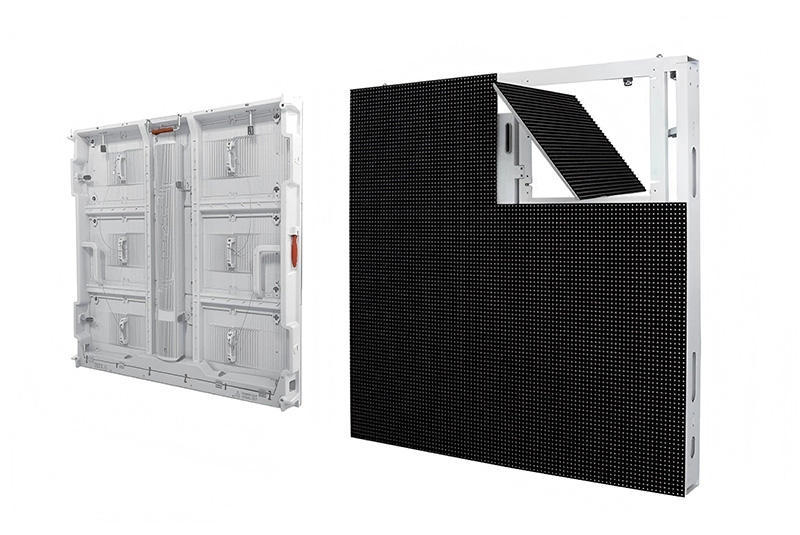
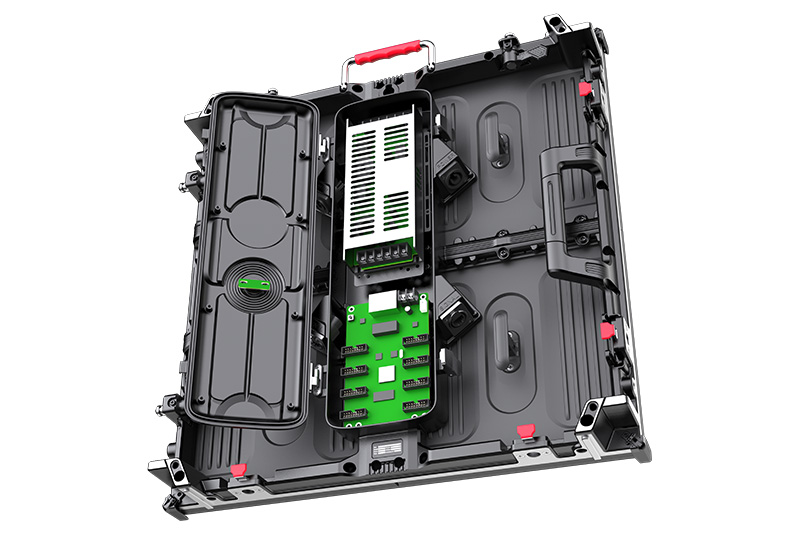
Refresh rates at or above 3840 Hz now qualify as baseline for environments involving video recording, while common-cathode driver architectures paired with contemporary LED chips reduce average draw compared to older designs. Front-service cabinetry accelerates module replacement in space-constrained locations—such as executive suites or storefront displays—where rear access creates logistical challenges.
Direct comparisons clarify trade-offs for indoor deployments in 2026.
| Pitch | Optimal Viewing Distance | Clarity Rating | Approximate Price Range ($/m²) | Primary Indoor Applications |
| P1.8–P1.9 | 1.5–6 m | Highest | 1,800–3,000 | Command facilities, very close-proximity viewing |
| P2 | 2–10 m | Excellent | 1,200–2,200 | Conference areas, showrooms, medium-scale events |
| P2.5 | 2.5–12 m | Very good | 800–1,400 | General commercial interiors, wider layouts |
| P3 | 3–15 m | Solid | 500–900 | Lobbies, extended-distance observation |
P2 regularly surfaces as the preferred option when projects prioritize noticeable improvements in sharpness over P2.5 at distances below 6 meters—vital for detailed slides, product visuals, or data overlays—without venturing into the higher expense bracket of P1.8 territory. Practical experience across corporate and retail sectors places the bulk of indoor work in the P2 to P2.5 spectrum for strongest overall return.
Realistic budgeting begins with market-aligned figures. Mid-to-premium P2 LED walls range from $1,200 to $2,200 per square meter in 2026, encompassing core modules, receiving hardware, power units, and entry-level control elements.
Influencing elements include:
Consider a 20-square-meter configuration: landed costs often span $24,000 to $44,000 prior to structural integration or interconnects. Configurations quoting substantially below $1,000 per square meter commonly reflect compromises in driver stability or diode quality, manifesting as accelerated degradation or elevated long-term energy burdens across a five-year cycle. Lifecycle assessments consistently reward higher-refresh, lower-draw models that curb utility expenses in continuous-duty scenarios.
P2 LED walls demonstrate robust utility in several established indoor categories during 2026.
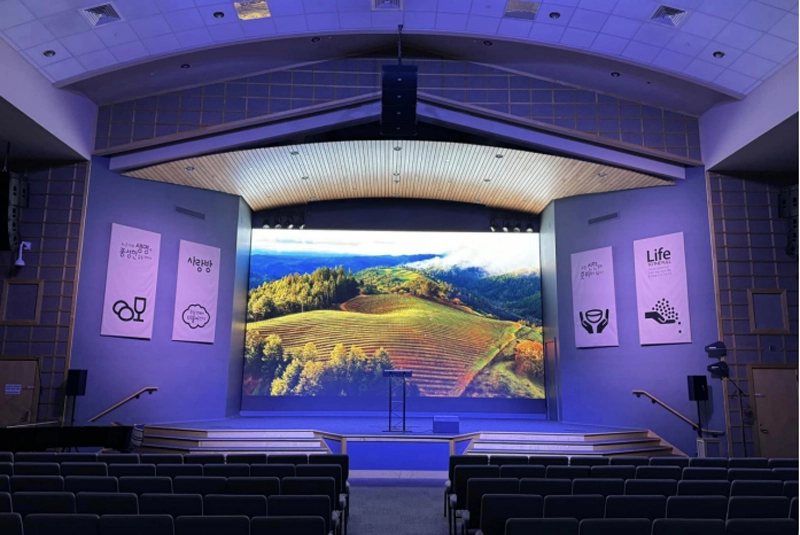
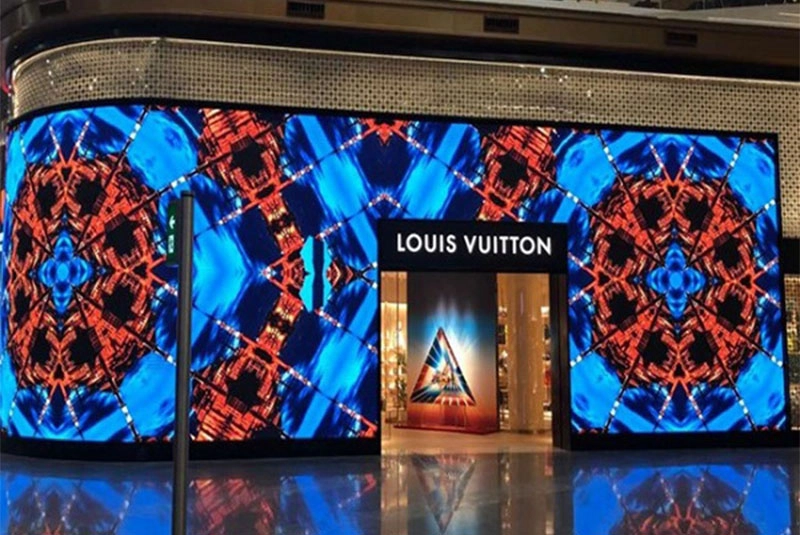
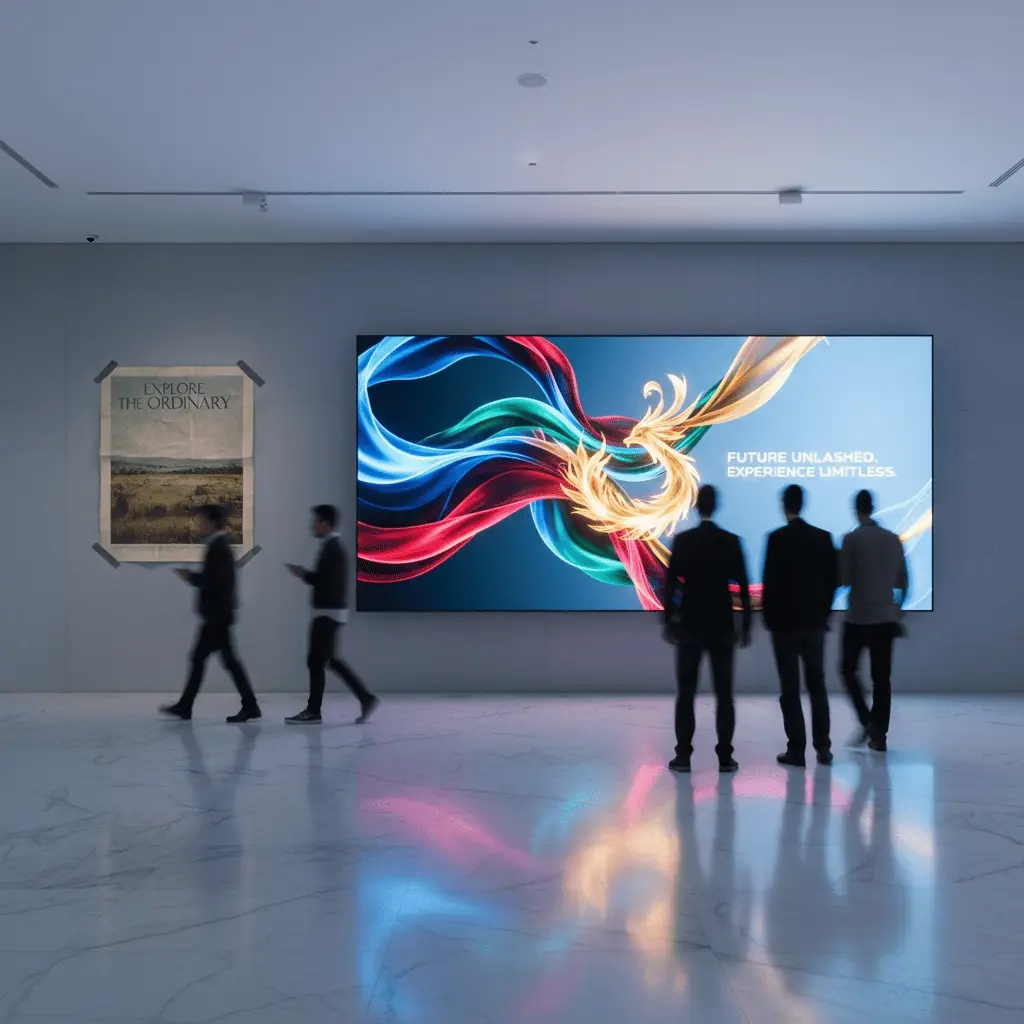
Boardrooms and executive conference spaces utilize them for precise rendering of financial graphics, remote participant feeds, and corporate identities from 3–6 meters. Retail experience zones capitalize on the resolution to display merchandise textures and colors authentically, encouraging nearer engagement. Auditoriums, educational lecture halls, and religious venues gain from uniform text visibility and fluid motion for larger gatherings. Broadcast facilities and virtual production stages rely on elevated refresh rates to suppress interference during multi-camera shoots.
Installed bases illustrate longevity in these roles. Corporate facilities deploy 15 m² P2 arrays for routine strategic reviews, whereas retail chains implement tiled 10 m² sections per location to rotate promotional content. Across applications, the pitch preserves image integrity while containing routine service demands.
Hardware longevity traces back to the producing entity. Prioritize operations featuring integrated manufacturing, exhaustive pre-shipment validation, and structured support frameworks.
Critical evaluation points encompass:
Proposals that undercut significantly while relying on untraceable components, unclear contractual language, or evasive technical disclosure warrant caution. Manufacturers maintaining steady multi-continental export volumes typically enforce stricter process controls and quicker resolution pathways.
Shenzhen Longcheng Photoelectric Technology Co., Ltd., recognized as LOSCEN, has produced LED displays since 2013 from its Shenzhen Bao’an District facility. Over 12 years of concentration on small-pitch and conventional indoor/outdoor screens have shaped an operation centered on elevated refresh performance, reduced energy requirements, and robust build quality. Products undergo 72-hour aging verification, alongside pre-production sampling and final checks prior to release. The portfolio encompasses fine-pitch indoor solutions aligned with conference, retail, and event demands. Certifications cover CE, RoHS, FCC, ISO9001, and additional standards, supporting shipments to more than 120 countries and regions. Focus remains on project-specific adaptation, technical consultation, and durable field results delivered via an experienced support structure.
P2 LED walls retain strong positioning as a balanced, effective solution for indoor projects through 2026. The specification merges capable resolution with adaptable viewing parameters and restrained expenditure, addressing core concerns of procurement teams pursuing reliable extended visual output. Emphasis on refresh capabilities, power optimization, and accessibility features secures systems that operate dependably over time. Collaboration with a manufacturer rooted in production discipline and client-oriented execution transforms these attributes into measurable, sustained project benefits.
A P2 LED wall achieves optimal performance from 2 to 10 meters, delivering maximum sharpness between 3 and 8 meters. Distances shorter than 2 meters begin to expose pixel structure; beyond 10 meters, advantages shift toward slightly coarser pitches.
Quality P2 LED wall setups range from $1,200 to $2,200 per square meter in 2026. Final pricing reflects refresh specifications, service design, certification requirements, and installation scale—substantially lower quotes frequently indicate concessions in component endurance or operational efficiency.
Conference rooms with viewing positions at 3–6 meters typically benefit from the enhanced text and graphic clarity of a P2 LED wall compared to P2.5, providing meaningful gains before expenses escalate into finer-pitch categories. P2.5 remains viable for expansive layouts or more constrained financial parameters.
P2 LED walls configured with refresh rates of 3840 Hz and above accommodate camera-based workflows effectively, minimizing visible flicker, scan interference, and pattern artifacts. Configurations extending to 7680 Hz offer additional margin for demanding live broadcast or streaming environments.
Quality P2 LED walls demand limited routine intervention—mainly dust management and selective module verification—especially in front-service arrangements. Expected operational lifespans exceed 100,000 hours, with consistent monitoring of power elements and periodic firmware adjustments supporting peak functionality across the timeframe.










Leave a comments