
Nullam dignissim, ante scelerisque the is euismod fermentum odio sem semper the is erat, a feugiat leo urna eget eros. Duis Aenean a imperdiet risus.
Loading
Nullam dignissim, ante scelerisque the is euismod fermentum odio sem semper the is erat, a feugiat leo urna eget eros. Duis Aenean a imperdiet risus.
 author
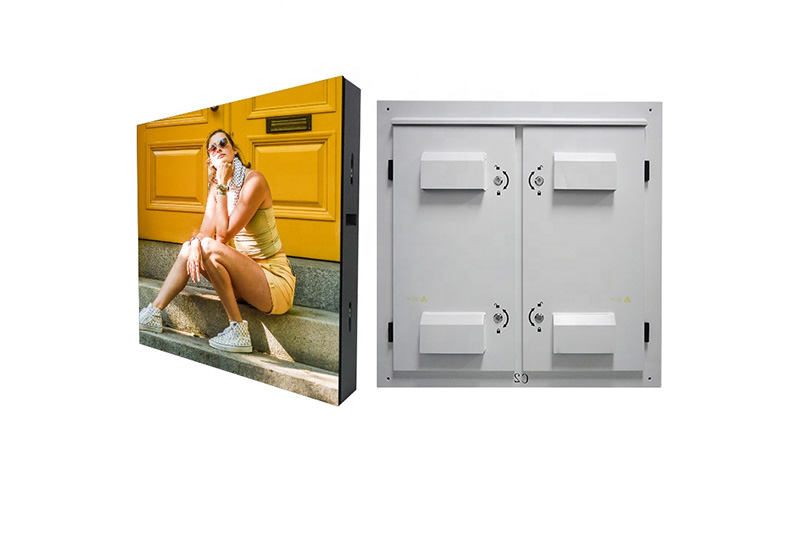
 In the shifting world of indoor LED setups, wholesale buyers and project leads routinely dig into the details of P2.5 vs P3.0 LED display choices to line up image sharpness with spending limits. These pitches sit right in the middle ground for plenty of jobs, the tighter P2.5 pulling off cleaner lines up close, the P3.0 holding steady with better pricing for setups that stretch a bit farther. Choices come down to things like how far folks stand, what kind of content runs, and ongoing power bills, particularly now that 2026 models pack smarter modules cutting energy use while keeping output strong. Shop floor numbers peg P2.5 at around 160,000 pixels per square meter, against about 111,000 for P3.0, touching everything from executive briefings to store signs.
Wholesale runs for meeting halls or entrance areas demand that balance between initial outlay and running costs. Take a standard buying loop: groups hunt for screens that push high-res feeds without breaking up, but steer clear of pitches too fine that jack up the tab for no real gain.
A direct matchup lays out the basics that steer buying calls. P2.5 units carry denser pixels, sharpening text and charts when people hover 2 to 5 meters off, perfect for data boards in ops centers. P3.0, coarser by a touch, fits spots where views hit 3 to 6 meters, think wide halls or lecture spaces, serving up decent looks at slimmer square-meter rates.
Plant specs draw the lines clear. Brightness runs 600 to 1,000 nits across both, holding up under usual room lights, though P2.5 nudges ahead on refresh, hitting 7,680 Hz tops for smooth clips without blinks. Power pulls average 180 to 220 watts per square meter on P2.5, smart dimming shaving 15 to 25 percent off. P3.0 tracks close, 200 to 250 watts, leaning on the same split-channel drives that trim loads by separating colors.
Pricing mirrors those traits: P2.5 pieces go $600 to $1,400 per square meter in 2026 bulk bids, bumped by packed LEDs, while P3.0 sticks $500 to $1,200, drawing eyes for bigger spreads where extra pixels barely matter. Setup times match, modular boxes snapping together fast for temp or permanent gigs, but upkeep leans to P2.5’s easy front pulls in cramped spots.
Pixel pitch marks the gap between LED hubs, in millimeters, and it molds how screens play out content in everyday spots. Tighter pitches cram more dots per panel, ramping res for fine work, looser ones spread ’em for cheap blanket coverage on larger fields.
Density math spells out the spreads. P2.5 slots in at 160,000 pixels per square meter, letting 4K rolls on 8 to 12 meter widths without seams or fuzz. That fits buys for high-pressure zones, say sim labs in hospitals where docs pore over images nearby. P3.0, clocking 111,000 pixels per square meter, nails full HD but eases on thin strokes when blown big, a swap that clicks in bulk orders for workout spaces or class halls showing pump-up reels from mid spots.
Res links straight to it. On a 4 by 3 meter wall, P2.5 racks over 1.92 million pixels total, backing crisp shifts in 16-bit grays. P3.0 dips to 1.33 million, fine for broad signs but chancing ripple effects in filmed bits if tuning slips. Field time proves mismatched pitches rack up fixes—10 percent of budgets in cases—so purchasers weigh content res from the jump.
Distance guidelines root in eye sharpness, roughly one millimeter pitch per meter for best looks. P2.5 kicks in at 2.5 meter mins, sweet up to 5, easing strain in meeting spots during long hauls. Imagine board types clustered on plans: tighter pitch keeps graphs readable sans pinch.
P3.0 shoves mins to 3 meters, best to 6 or 7, suiting big rooms like hotel fronts where passers glance distant. Bulk buyers dodge snags by mocking units—past jobs data flags 20 percent spike in swaps from seen blur. Fixes roll in with site checks, plotting crowd spots to pitches for clean fits.
Look tests show pitches tackling varied feeds. Lab pairs peg P2.5 acing word-heavy boards, like stock runs in offices, edges staying knife-like sans jags. Clip play gains, fluid jumps in quick cuts, uniform over 95 percent killing shade spots.
P3.0 stands firm on pic-loaded walls, event drops with marks from 4 meters, but close fine bits blur some. Actual runs tell: mall with P3.0 on promo clips cuts first tabs but flips to P2.5 post gripes on fuzzy goods shots. Dodge hits via feed tweaks—size pics to pitch packs skips warp, frequent slip in bulk deploys.
High refreshes boost play. Both back 3,840 Hz floors, P2.5’s 7,680 Hz peak glowing in streams, damping shakes on camera swings. Thrift LEDs hold hue true past 100,000 hours, locking wholesale worth long haul.
Bulk tabs in 2026 push smart swaps. P2.5 pulls 15 to 40 percent more than P3.0 from packed parts—$600 to $1,400 per square meter vs $500 to $1,200—but ownership totals swing it. Split-channel savings clip tabs 15 to 20 percent, $9,000 to $13,500 over five years on 100 square meters at 15 cents per kWh.
P3.0 draws for tight jobs, class grids where base clear works, but sneak costs pop in fixes. Coarser wears odd in busy zones, adding 5 to 10 percent yearly swaps. Buyers gauge fit via payback tools: P2.5 in meeting spots covers extra in two years from less juice and fewer beefs.
Dodge through spend plans with cert checks—ROHS, CE tags flag tough build, skipping flimsy that tank early. Bulk talks snag cuts on mass P2.5, evening finer pitch for mid jobs.
Job pairing seals wholesale wins. P2.5 slots precision calls, ops hubs tracking flows from 2 to 4 meters, pixel mess breaking focus. Home setups or doc labs, density locks deep dives sans pulls.
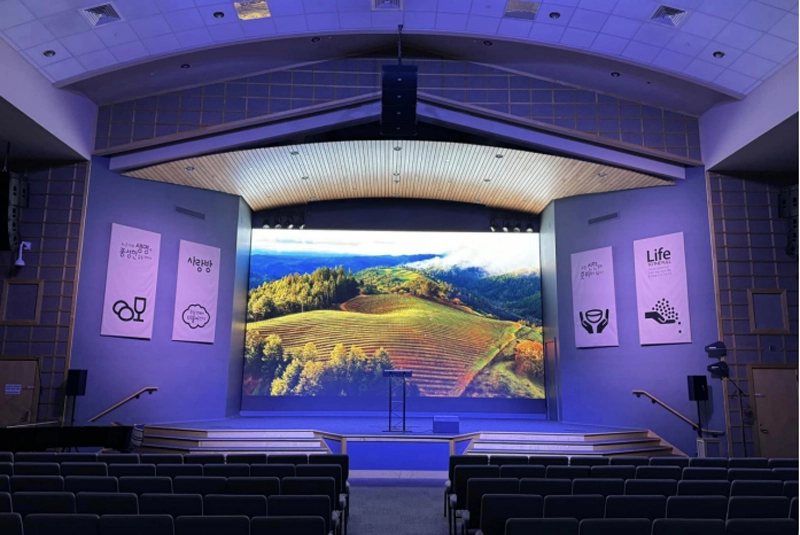
P3.0 nails mid calls, hall walls with decks from 4 meters, or tune drops where room glow masks soft. Bulk for gyms tips P3.0 for wide rim tabs, but lifts chase when clip grip spot holes.
Calls judge via crowd maps: trace walks in fronts to lock gaps, dodging slips. Mix fixes—P2.5 keys, P3.0 sides—trim bulk tabs in blend spots.
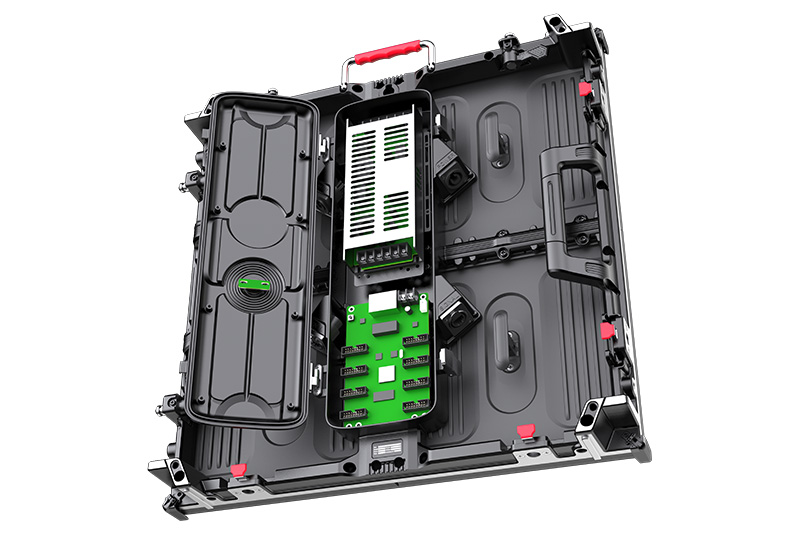
Specs stretch past pitch. Both ride die-cast aluminum boxes for light lifts, under 8 kilos per square meter in temp types, speeding event snaps. Glow self-tunes on sensors, slashing loads 30 to 50 percent dim.
Power splits show in drives: P2.5’s sharp chips run dense with less warm, stretching spans. Refresh, grays to 16 bits, both grip fades, P2.5 leads low-light true. Dust guards hit IP30 indoors, shielding stock.
Tweaks set apart: bend units for wrap looks favor P2.5’s bend sans res drop. Upkeep drills, 72-hour burns, weave tough in each.
2026 shifts shove P2.5 up as tabs fall 10 to 15 percent from ramped makes, closing on P3.0. Pull for HD in sim runs and mix real favors tight, P2.5 gaps cheap and good.
Power rules shove thrift builds, split-channel take saving 15 to 50 percent, evening P2.5 for green bulk bids. Wide take in classes, trains from mix work, P2.5 hooks from far eyes need sharp.
Call flows kick with need scans: gauge gaps, feed res, power caps. Mock units in real digs judge run, skipping after fits.
Quotes beg split lists on parts, boxes, covers—2 to 3 years usual. Bulk types haggle on scale, locking thrift adds that drop ownership. Dodge via seller checks for tags, locking rule and back.
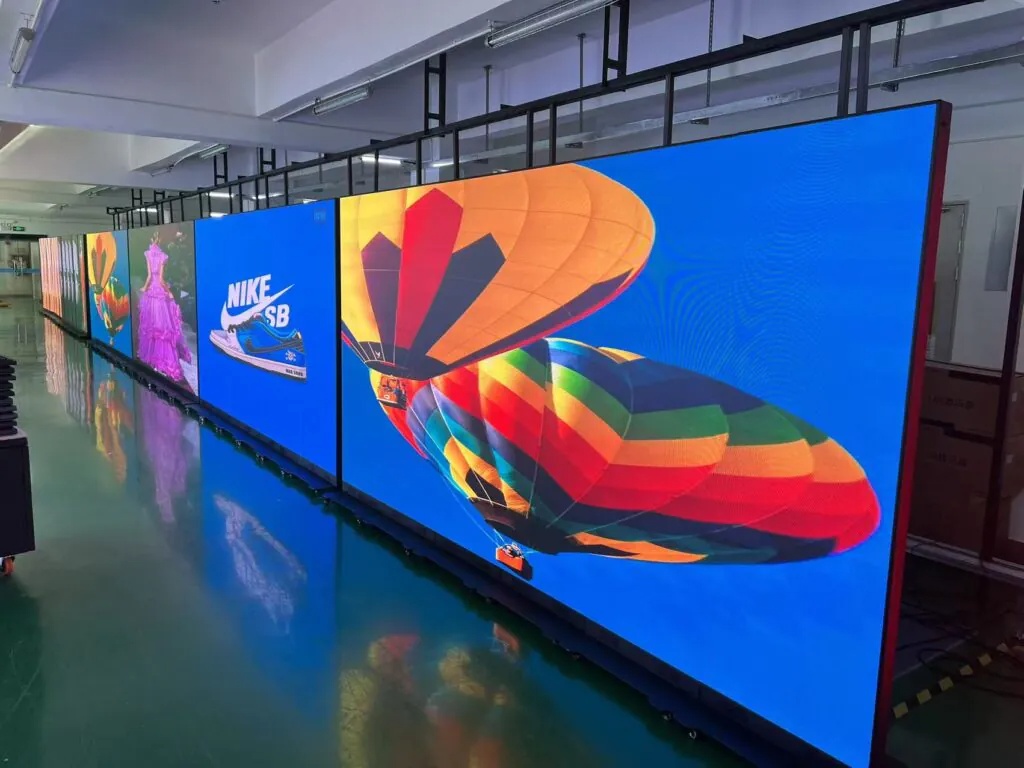
Shenzhen Longcheng Photoelectric Technology Co., Ltd., set up in 2013 and based in Bao’an District, Shenzhen, China, carries over 12 years crafting LED displays. Range covers small-pitch indoor bits, fixed outdoor screens, rental boxes, poster types, stadium kits, all stressing sharp looks, refreshes to 7,680 Hz, thrift runs cutting power 15 to 50 percent via split-cathode and tuned loops. Units face strict 72-hour tests pre-ship, backed by ROHS, FCC, CE, ISO9001, CCC tags. Hitting over 900 firms, bodies across 120+ lands, spots, firm pushes custom, solid tech help, 24-hour pro back for runs from meet spots to live gigs.
Sorting P2.5 vs P3.0 LED display picks in 2026 ties to syncing pitch with view needs and thrift aims, fine bits paying in busy zones. Bulk buys win via deep matchups weighing res, tabs, long saves, skipping slips that bump spends. Straight maker links open custom, flipping tech into real edges.
P2.5 packs 160,000 pixels per square meter for knife text from 2 meters, P3.0’s 111,000 fits 3-meter looks but softs fine in tight checks.
P2.5 mins at 2.5 meters, sweet to 5, easing strain; P3.0 kicks 3 meters, comfy to 6 or 7 for wide fronts.
P2.5 gives top clear for goods close, worth 15-40 percent bump if folks near 3 meters; P3.0 trims on big with mid watch.
P2.5 averages 180-220 watts per square meter, 15-25 percent cut from smart; P3.0 similar but less in pack jobs, hitting five-year ownership.
P3.0 suits halls or gyms from 4 meters, cheap cover; flip P2.5 for ops needing sharp to skip pixel snags.











Leave a comments