
Nullam dignissim, ante scelerisque the is euismod fermentum odio sem semper the is erat, a feugiat leo urna eget eros. Duis Aenean a imperdiet risus.
Nullam dignissim, ante scelerisque the is euismod fermentum odio sem semper the is erat, a feugiat leo urna eget eros. Duis Aenean a imperdiet risus.
 author
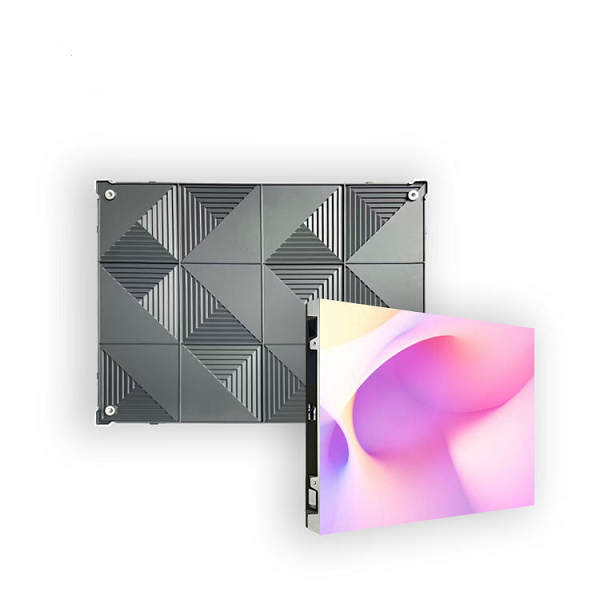
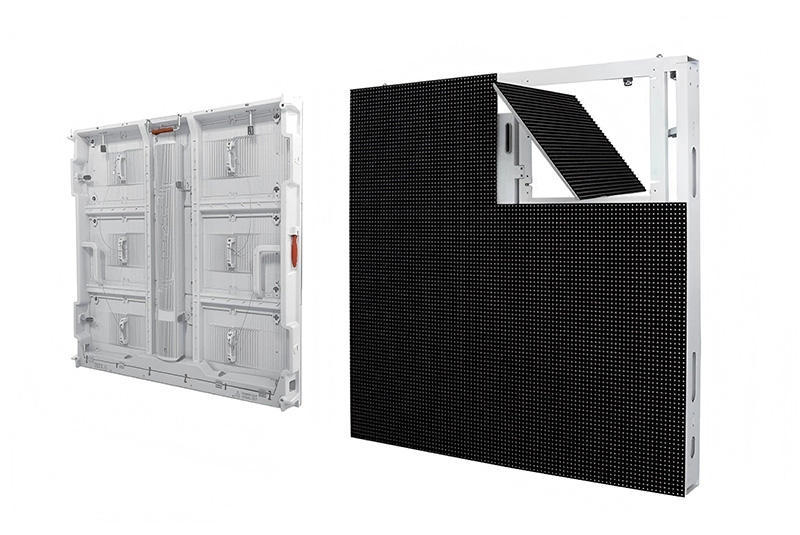
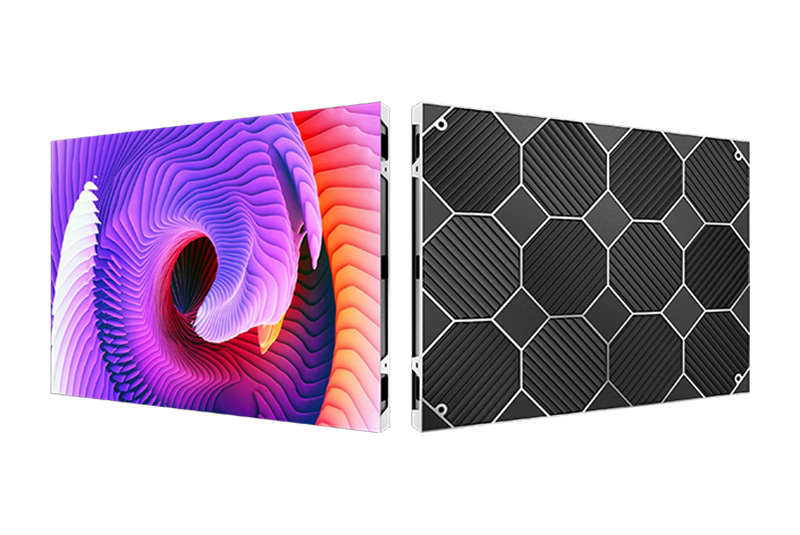
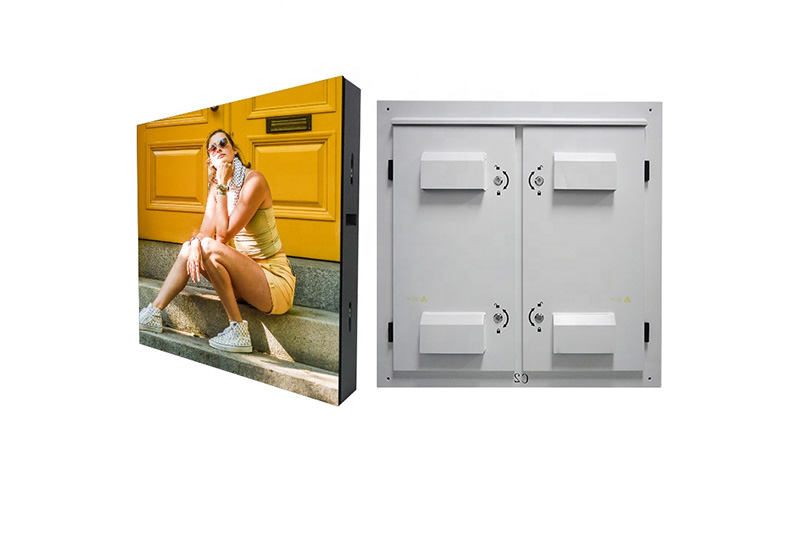
Modular LED screens have become a key breakthrough in digital display systems. They mix scalability, flexibility, and strong visual quality to provide great results in various uses. Unlike old fixed-size screens, modular LED screens consist of several linked panels. These panels can be set up to match any size or form. This setup boosts adaptability. It also improves repair ease and setup simplicity.
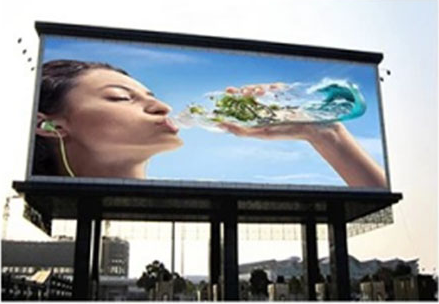
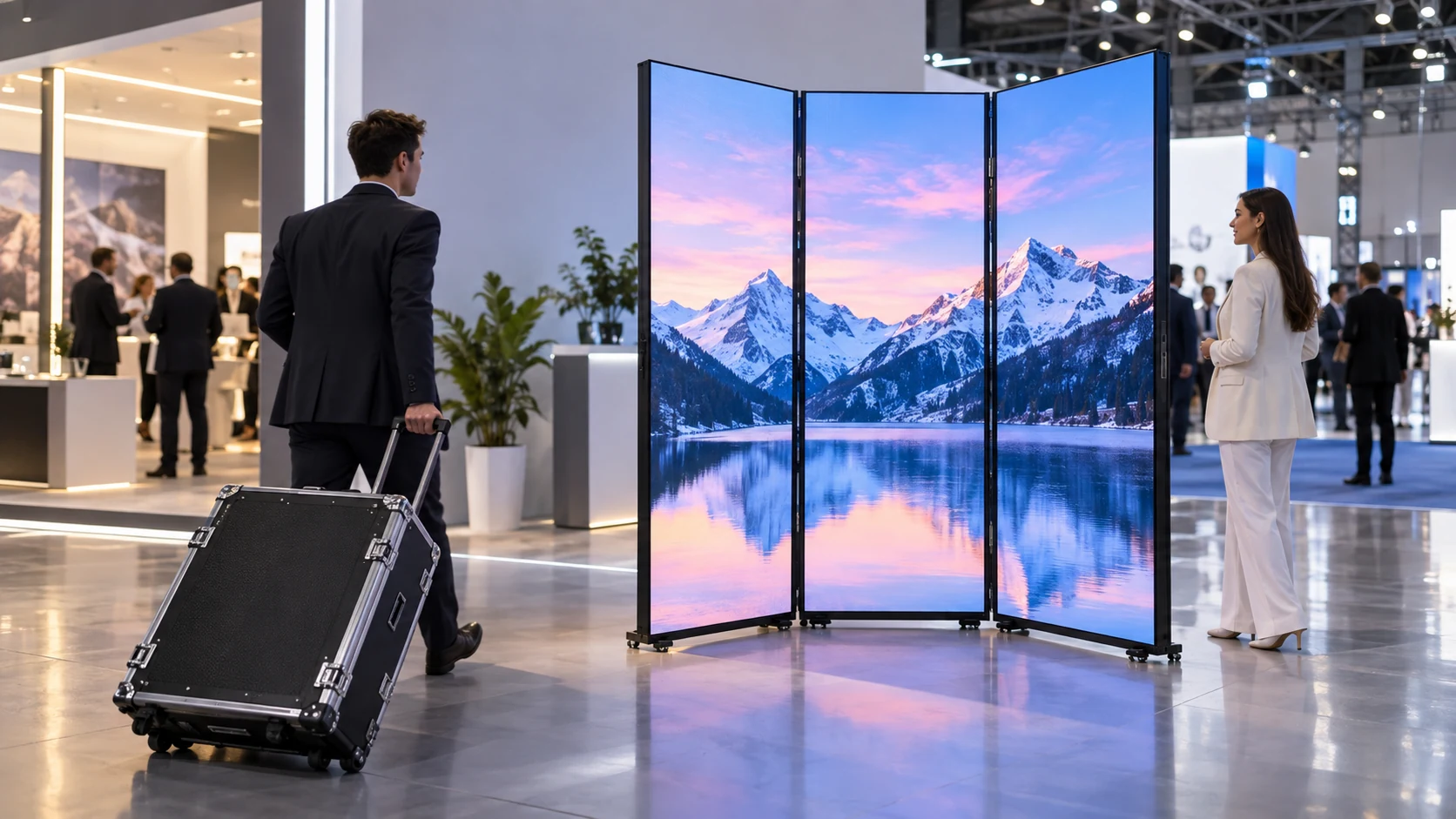
The main trait of modular LED screens is their easy assembly and disassembly. Each panel uses exact connectors. This ensures a smooth image without clear lines or spaces. Their bright light output and sharp contrast make them fit for indoor shows and outdoor ads. They keep clear sight even in strong sun. Plus, their light weight eases transport. It helps with fast setup and takedown at events or short-term spots.
The modular design of these LED screens lets creators and experts build screens of almost any size or ratio. Panels join together to reach the needed scale. This happens without losing image evenness. The tech also allows bent or odd shapes. Thus, it gives freedom to builders and event staff for unique visual setups. Repair work is simple too. Single modules can swap out on their own. This cuts downtime and fix expenses.
Flexible digital displays have changed how content appears in many fields. They blend adaptability with better image features. These setups allow lively stories through deep visuals. Such visuals fit unusual surfaces or building lines.
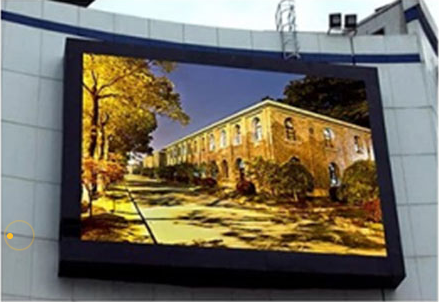
In shops, flexible digital displays boost product interest. They make active displays that draw in buyers. Event teams use modular LED screens for changing backgrounds. These can update content live during shows or talks. In building design, big LED walls act as art and brand tools. They turn outside building faces into active art spaces. These respond to weather signals or crowd input.
Flexibility lets creators try new ideas past standard box shapes. By forming screens into bends or uneven forms, visual talks become more engaging and touching. Content can shift to fit the screen’s lines. This allows smooth changes and space-based stories. Such design freedom builds stronger crowd ties. It mixes tech with art in fresh ways. Rigid screen systems could not do this before.
The work of a modular LED screen depends on its electronic, optical, and build parts. All these are made for exact timing.
LED Modules: Each module holds a grid of light-emitting diodes. These create bright colors with exact match over the whole screen area.
Control Systems: These handle data flow between modules. They ensure timed playback and steady frame speeds, even on big setups.
Power Supply Units: Steady voltage control is vital. Power spread systems keep even light output. They avoid flicker or wear over time.
New steps like fine pixel pitch tech have greatly raised image sharpness. This makes near-view uses possible, such as watch rooms or show halls. There is no clear pixel show. Better heat control via smart cooling stops overheat in long runs. It lengthens life and steadiness. Smart setup software auto-fixes color match across modules. It removes unevenness from old diodes or outside factors.
As fields lean more on visual media for talks and brands, modular LED screens give top versatility and value for money. This beats old tech like LCD walls or projector setups.
Groups can set up growing installs. They start small and add on as needs rise. No need to swap whole setups. The swapable module build cuts long-term repair costs. Only bad units need work, not full panels. Energy-saving LEDs lower power use. They keep top light output. This aids green work habits.
Today’s modular LED systems link well with Internet of Things (IoT) setups for far-off checks, fixes, and work boosts. AI-based content tools study crowd reaction data live. They tweak message plans on their own. Also, fit with augmented reality (AR) and virtual reality (VR) tech creates active setups. These blend real places with digital stories. It starts a new time for hands-on marketing.
Shenzhen Longcheng Photoelectric Technology Co., LTD has set itself as a top maker. It focuses on advanced modular LED screen fixes for world markets. The firm’s push for study-based new ideas ensures goods that hit strict global rules. At the same time, they meet varied buyer needs in trade, fun, and building areas.
Its wide study and development skills aim at building next-level LED tech. This stresses better output and toughness. Strict quality checks promise steady work across make runs. This means trust even in hard settings. Also, Shenzhen Longcheng gives full custom choices. These fit special project needs, from small inside setups to wide outside fields.
Picking the right modular LED fix needs close look at tech details tied to planned uses.
Pixel pitch is a top factor to think about. Smaller pitches give sharper images for near spots like meeting rooms or shop areas. Larger pitches save money for far views, such as signboards or sports fields. Weather-proof levels, including IP ratings, set fit for outside use. There, wet or dirt exposure happens often. Fit with current control setups must check too. This ensures easy link into present audio-visual systems without big changes.
Modular LED screens do more than offer small steps ahead. They reshape how digital content links with real space via flexibility, exact build work, and changing smarts. As screen tech keeps growing toward better links and depth, flexible digital displays will stay key in forming future talk areas. This includes smart cities lit by quick-response walls and fun spots run by shifting visual setups.
A modular LED screen consists of interconnected panels that can be assembled or reconfigured as needed, offering greater flexibility than fixed-size displays which are limited by their frame dimensions.
With proper maintenance, high-quality modular LED screens can operate efficiently for over 100,000 hours, depending on usage conditions and component quality.
Yes, outdoor-rated modular screens are designed with weatherproof enclosures that protect against moisture, dust, and temperature fluctuations while maintaining consistent performance throughout the year.












Leave a comments