
Nullam dignissim, ante scelerisque the is euismod fermentum odio sem semper the is erat, a feugiat leo urna eget eros. Duis Aenean a imperdiet risus.
Loading
Nullam dignissim, ante scelerisque the is euismod fermentum odio sem semper the is erat, a feugiat leo urna eget eros. Duis Aenean a imperdiet risus.
 author
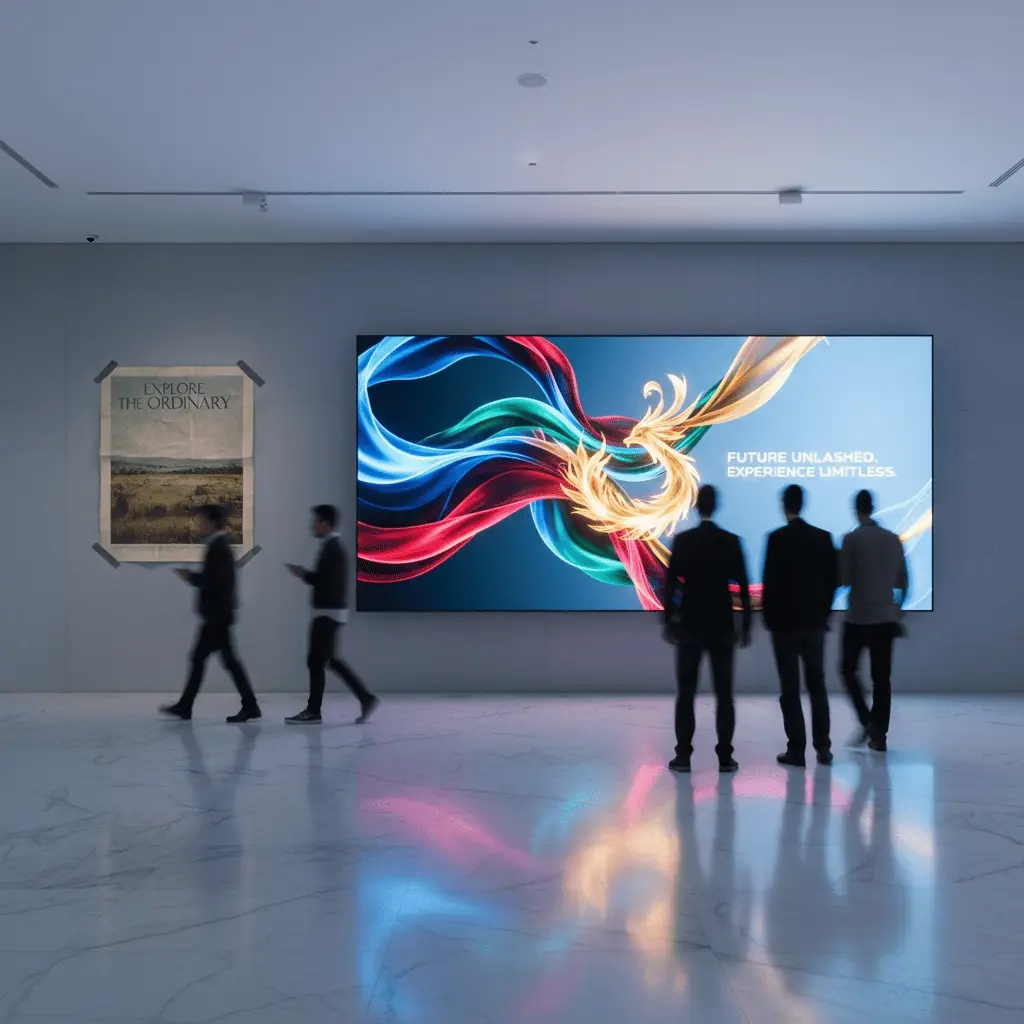
 When putting together budgets for indoor applications, the first question that usually comes up concerns LED screen indoor price and what really moves the number. Figures typically range anywhere from roughly $500 per square meter on basic configurations up to $1,500 and beyond once fine pixel pitch enters the picture for sharp detail in boardrooms, showrooms, or retail environments. Pixel pitch, total dimensions, required brightness, refresh performance, plus installation specifics all carry serious weight in the final figure. Teams responsible for advertising setups, corporate communication walls, or information displays need solid visibility into these drivers to keep expectations realistic and land equipment that holds up over the long run.
The spread in numbers comes straight from project experience. Something modest for a reception area often stays toward the lower side, whereas a substantial video wall in a flagship location naturally climbs higher. Getting a clear handle on these variables makes it easier to allocate funds properly and recognize genuine value when it appears.
Organizations frequently hit familiar roadblocks during cost estimation for indoor LED screens. Initial plans start with approximate size and intended use, then specifications reveal themselves and suddenly push the total well beyond early assumptions. Take a retail operation sizing a roughly 10-square-meter panel for store entry promotions—wanting tight viewing clarity to highlight seasonal offers. Choosing a finer pitch to deliver that level of sharpness can quickly double the panel expense. Room lighting conditions add complexity too; displays must cut through window glare or overhead fixtures, demanding brightness and contrast that push material costs upward.
Project coordinators and procurement groups regularly point out surprise line items that surface after preliminary figures. Freight, structural support for mounting, cabling runs, and playback controllers routinely tack on another 15 to 30 percent. These patterns explain why detailed cost breakdowns remain in high demand—buyers want the complete layout before locking in commitments.
Most searches around LED screen indoor price split between two directions. One group digs for background information, wanting to know exactly which elements drive prices higher or lower, especially the role of pixel pitch in both resolution quality and expense. Another group leans heavily toward action, looking for practical advice on landing competitive pricing or identifying strong offers from manufacturers. Patterns in queries frequently include phrases such as “indoor LED display cost factors” or “LED screen indoor price per sqm,” signaling a strong preference for usable comparisons.
Market pressures keep these searches active. Corporate groups face strict spending limits that require clear justification for expenditures, while retail planners and event operators chase fast payback through compelling visuals. Recent project data shows buyers placing greater weight on sustained savings—lower power consumption over years—rather than simply chasing the cheapest initial quote. Meeting these expectations calls for direct, application-focused explanations.
Requirements usually revolve around performance that justifies the spend. Hospitality operators and educational facilities commonly look for robust displays capable of handling constant content rotation without quick wear. This matches ongoing interest in long-lasting indoor LED solutions, where upfront expense recedes in importance compared to reduced replacement frequency. High-traffic retail locations, meanwhile, shift emphasis toward elevated resolution that remains effective even from short distances.
These priorities underline the value of customized planning. Museums deploying interactive exhibit displays, for instance, place high importance on accurate color rendering and generous viewing angles—attributes that directly shape component choices and pricing structure. Satisfying these needs means carefully matching technical details against financial boundaries to produce results that deliver real operational benefit.
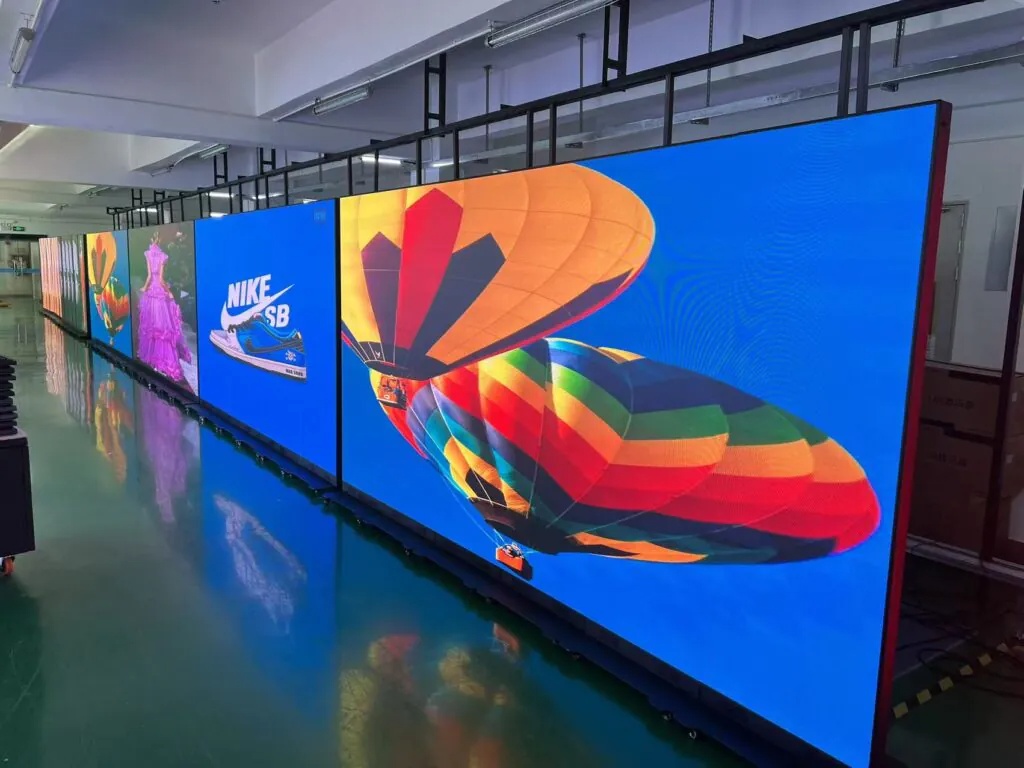
Pixel pitch remains the single largest determinant of LED screen indoor price. Narrower pitches around 1.25 millimeters cram significantly more diodes per area, producing outstanding sharpness ideal for distances below three meters. Configurations in this category generally land between $900 and $1,500 per square meter, depending on supporting build quality. Wider pitches near 2.5 millimeters provide solid clarity for medium-range viewing and commonly sit in the $500 to $800 per square meter band.
The practical difference shows up immediately in deployment. Boardrooms equipped with fine-pitch panels present clean graphs and video during meetings, while corridor installations can perform adequately with slightly broader pitch and still maintain acceptable quality. The denser layout requires more sophisticated production techniques, which accounts for the noticeable price increase, yet the result is noticeably stronger viewer retention.
Brightness ratings from 600 to 1,000 nits cover the majority of indoor situations, handling typical office or mall illumination without strain. Displays engineered for these levels keep images readable without drawing excessive current. Refresh rates spanning 1,920 to 3,840 Hz remove visible flicker during dynamic content, an essential requirement for advertising loops or live feeds. Incorporating these capabilities naturally adds to the overall cost, particularly on units built for 24/7 duty cycles.
Longevity factors heavily influence total ownership expense. Panels subjected to extended burn-in testing—typically 72 hours—demonstrate greater resistance to premature defects that would otherwise interrupt operation. In environments such as shopping complexes with continuous playback, this kind of build quality reduces service interventions and supports stable performance across multiple years.
Overall dimensions scale costs directly; more surface area means additional panels, cabling, and alignment work. A 5 by 3 meter configuration multiplies panel expense while increasing the engineering required for seamless integration. Fixed wall-mount installations often involve custom bracing or reinforcement, which raises labor and material charges considerably.
Supporting systems—content controllers, power distribution, and signal processing—also factor in. Designs emphasizing power efficiency can cut daily electricity demand by up to 20 percent in standard use cases, helping recover higher starting investments over time. These variables combine to shape the complete project expenditure, especially in extended-run applications.
Current market observations place indoor LED displays in the $500 to $1,500 per square meter window on average. Premium fine-pitch models for demanding applications occupy the upper portion, whereas everyday resolutions for general signage remain lower. Installation-related expenses and peripheral equipment frequently contribute another 15 to 30 percent, varying by location and complexity. Familiarity with these ranges allows purchasers to establish feasible targets and approach negotiations with greater confidence.
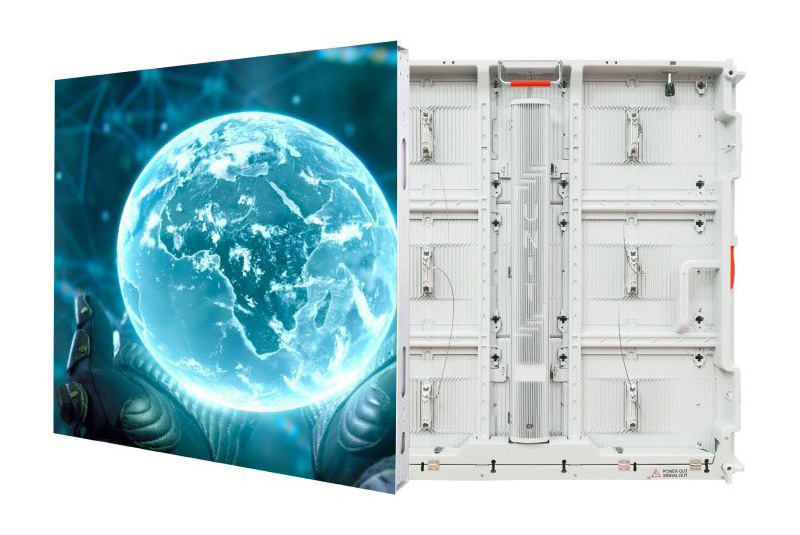
Collecting several detailed quotations from proven manufacturers serves as the foundation. Move past surface pricing to examine coverage on warranty terms, after-sales assistance, and quality verification procedures. Larger volume commitments—particularly orders above 20 square meters—commonly open doors to meaningful reductions. Insist on itemized proposals that separate core panels from controllers, transport, and setup services to reveal actual value.
Assess vendors according to demonstrated history. Organizations with substantial international delivery records and a wide installed base usually deliver consistent product quality at market-competitive levels. Negotiation gains strength when project requirements—such as emphasis on reduced power consumption—align closely with supplier capabilities.
Power-efficient configurations deliver substantial reductions in operating expense. A 10-square-meter installation running 12 hours per day can accumulate considerable savings across a few years. High refresh performance and sturdy construction further decrease service frequency, often extending useful life past 60,000 operating hours.
Return-on-investment calculations that include these aspects frequently show that moderate increases in initial outlay for superior components produce stronger overall economics than entry-level choices prone to earlier failures and higher upkeep.
Unlisted charges catch many groups unaware—international freight, import duties, structural modifications, or control hardware. Comprehensive quotations eliminate most of these surprises. Confirm that offered units carry relevant certifications and pass documented testing routines to validate claimed reliability.
Give priority to suppliers offering reliable technical support with round-the-clock availability. This level of assistance becomes critical during commissioning and throughout daily operation, minimizing expensive interruptions.
Commence with thorough evaluation of the installation space and primary objective. Establish typical viewing distances to guide pixel pitch selection—narrower spacing for intimate viewing, wider for open areas. Define required dimensions according to available wall space and desired visual impact.
Compile essential technical requirements next: brightness suited to ambient conditions, refresh performance matched to content style, and power-saving characteristics for cost containment. Apply these criteria when soliciting proposals. Conduct side-by-side comparisons that balance immediate expenditure against anticipated long-term benefits.
Retail deployments often favor small-pitch displays for merchandise highlights. The elevated initial cost yields heightened customer attention through detailed imagery. Corporate entrance video walls using fixed mounting achieve clean integration, balancing scale and resolution within reasonable financial limits while reinforcing brand identity.
These cases illustrate how aligning technical choices with functional needs keeps expenditure in check without compromising effectiveness.
Post-installation monitoring of engagement levels and actual power consumption provides concrete feedback on investment performance. Lessons drawn from these observations refine specifications for subsequent acquisitions, such as preference for modular construction that simplifies future expansion. This iterative process steadily improves procurement outcomes.
Shenzhen Longcheng Photoelectric Technology Co., Ltd., founded in 2013 and headquartered in Shenzhen City, Guangdong Province, China, concentrates on the development and production of premium LED screen displays. Over more than twelve years in the field, the company has introduced more than 350 distinct products, with particular strength in small pixel pitch LED modules as well as comprehensive indoor and outdoor systems designed for conference venues, advertising applications, retail environments, and commercial installations.
The organization has supported over 900 enterprises and institutions in more than 120 countries and regions worldwide. Core operating principles center on professionalism, practical performance, integrity, and dependability. All products undergo 72-hour aging and testing protocols, incorporating advanced energy-saving technology, consistent quality, high-definition output, and extensive customization possibilities. Relevant certifications—ROHS, FCC, CE, ISO9001, and CCC—demonstrate adherence to international standards. A staff of 50 to 100, including a dedicated research and development group, maintains 24-hour online technical support, enabling reliable delivery of tailored solutions for varied global requirements.
Arriving at the right LED screen indoor price requires systematic review of pixel pitch, performance specifications, installation demands, and supplier track record. Placing emphasis on sustained operational value rather than minimum initial cost positions organizations to acquire displays that function consistently while controlling overall expenditure. Deliberate preparation transforms these purchases into assets that contribute meaningfully to long-term objectives in demanding indoor settings.
Current averages for LED screen indoor price per square meter fall between $500 and $1,500, heavily influenced by pixel pitch, brightness capability, and build specifications. Fine-pitch configurations for superior resolution occupy the higher portion of the range, while standard pitches remain more accessible.
Pixel pitch exerts major influence on indoor LED display cost—narrower measurements like 1.25 millimeters increase expense substantially because of greater diode density and more intricate manufacturing. Wider pitches deliver lower pricing with satisfactory clarity at greater viewing distances.
Primary factors influencing LED screen indoor price encompass pixel pitch, overall display dimensions, brightness ratings, refresh performance, mounting method, and energy-efficiency features. Peripheral expenses from control hardware and logistics further shape the final total.
Securing the best deals on indoor LED screens involves gathering multiple detailed quotations, pursuing volume discounts on larger orders, prioritizing configurations with strong power efficiency, and requesting full breakdowns that cover support services and quality testing procedures.
Hidden costs in indoor LED screen pricing frequently appear in the form of installation labor, structural modifications, international shipping charges, and necessary control equipment. Detailed quotations obtained early help surface these items and prevent unexpected budget overruns.










Leave a comments