
Nullam dignissim, ante scelerisque the is euismod fermentum odio sem semper the is erat, a feugiat leo urna eget eros. Duis Aenean a imperdiet risus.
Loading
Nullam dignissim, ante scelerisque the is euismod fermentum odio sem semper the is erat, a feugiat leo urna eget eros. Duis Aenean a imperdiet risus.
 author
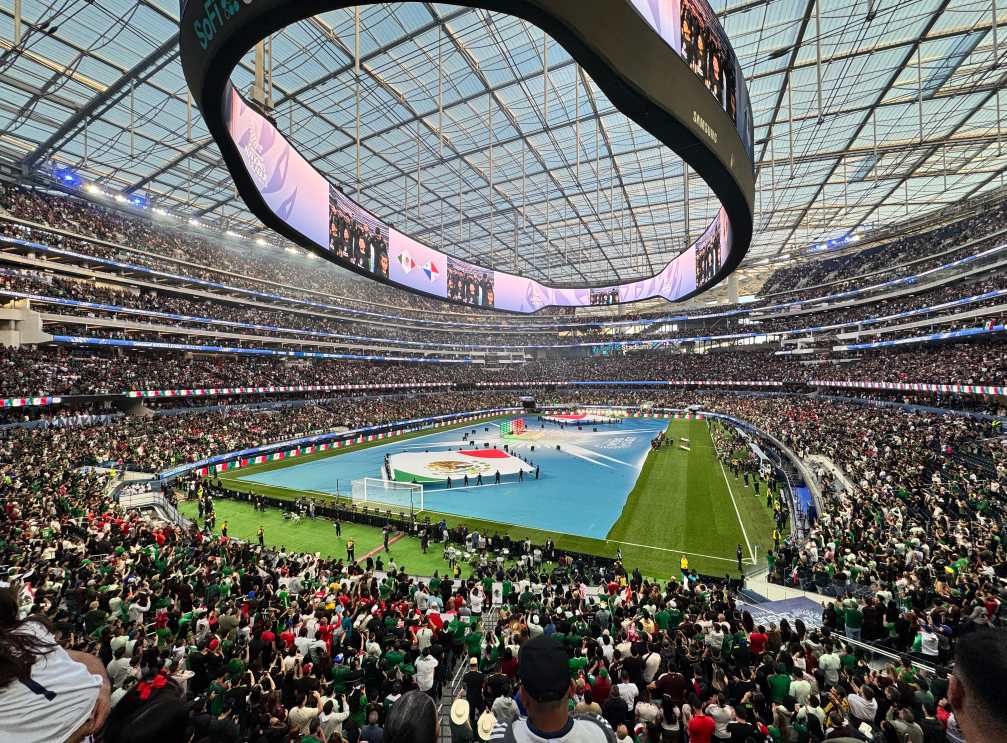
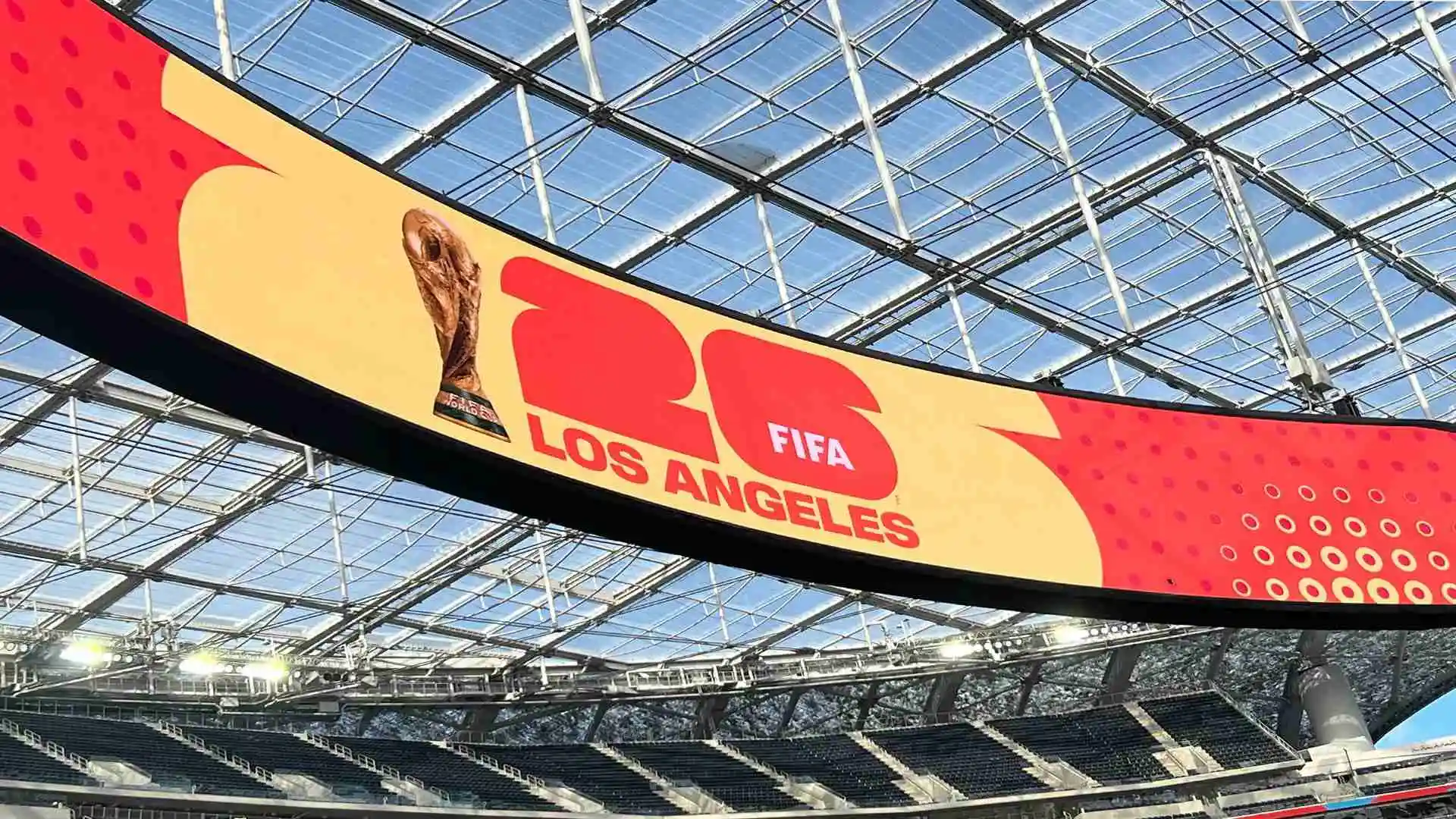
 The 2026 FIFA World Cup will utilize 16 venues spread across the United States, Canada and Mexico, staging 104 matches in front of a global audience expected to surpass five billion people. FIFA sustainability strategy puts very strong emphasis on carbon neutrality, which means host cities and venue operators must deliver concrete plans focused on emissions reduction, significantly better energy efficiency, responsible use of resources and overall environmental accountability. Stadium LED displays regularly account for 25–40% of temporary power consumption during match days and event periods — that is exactly why energy-efficient LED displays have become one of the most serious technical and commercial decisions for stadiums and venues that need to satisfy FIFA requirements while still delivering the extremely bright and sharp picture quality demanded by live sports and major broadcasters.
FIFA environmental requirements are built upon real experience collected from previous World Cups and now demand very clear net-zero alignment from every major power consumer in the venue — lighting, broadcast systems and especially display infrastructure. Electricity prices across North American host markets show very large differences — California and New York commonly have much higher rates than Texas — which creates very direct pressure on stadium operators to control the biggest electricity loads. An 80,000-seat stadium running full-scale LED systems during peak event hours can easily reach six-figure annual energy bills. Under these conditions even seemingly small percentage improvement in power efficiency produces very meaningful money difference.
Sponsors have become noticeably stricter — they now routinely expect and demand measurable environmental performance. Display solutions that can show documented lower carbon footprint and clearly reduced power consumption fit exactly into their current requirements. Because of this situation energy-efficient technology has quickly moved from “nice to have” category to must-have specification in almost every serious tender.
Current generation stadium LED products show very obvious technical progress compared with equipment that was considered normal during previous major sports events. Traditional common anode architecture usually applies the same relatively high voltage to all color channels — this approach creates considerable unnecessary heat and substantial wasted power. Modern common cathode + high-efficiency chip designs separate power supply to R/G/B channels with individually optimized voltage — this change brings very consistent and measurable efficiency improvement.
Typical outdoor pitches (P10, P6.67, P8 etc) used to consume 600–900 W/m² when running at full brightness. Well-designed energy-saving products with good quality high-efficiency chips + advanced driver IC + intelligent control can now deliver 30–50% lower average power consumption — most real projects fall into 300–500 W/m² range while still keeping brightness 5,000–10,000 nits that is necessary for good daylight performance.
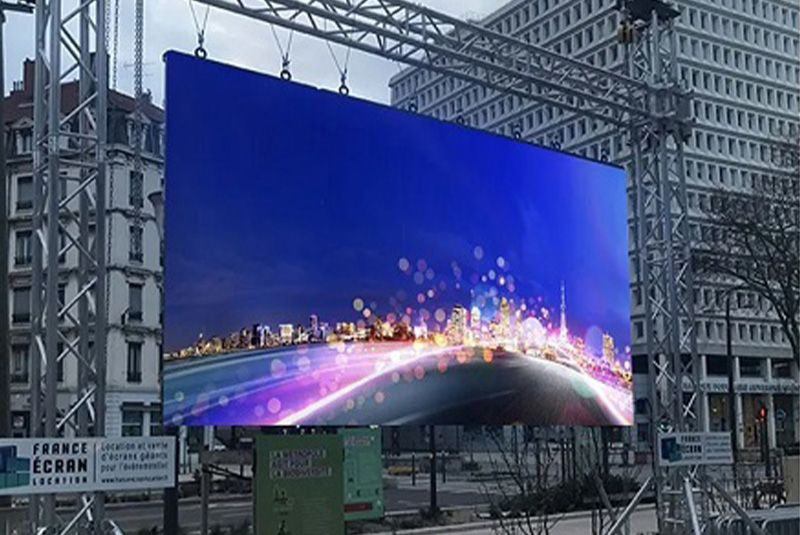
Different display locations show different saving patterns: • center-hung videoboards benefit the most from ambient light tracking dimming • perimeter LED boards get very good saving from lower heat + reduced cooling requirement • ribbon displays take advantage of modular design that naturally limits idle power • fan-zone / big outdoor screens profit a lot from automatic brightness management that prevents running full power when unnecessary
When the scale reaches stadiums similar to MetLife or AT&T, complete tournament period (commissioning + testing + matches + teardown) can easily save tens of thousands of kilowatt-hours — the number is large enough to create very meaningful cost difference and very real carbon reduction that matches FIFA targets.
Common cathode power architecture gives the biggest and most reliable efficiency advantage in large stadium projects. Precise individual voltage supply to each color channel (normally 2.8–3.8V range instead of single high voltage) creates much lower forward voltage loss, significantly lower internal resistance and clearly less heat. Real operation temperature difference usually reaches 20–30 degrees Celsius cooler compared with common anode — this difference alone dramatically reduces air-conditioning load and greatly improves long-term component reliability.
Power supplies that achieve >90% efficiency working together with modern driver ICs that support high dynamic scanning + refresh rate up to 7680Hz can keep very smooth fast motion picture while almost completely eliminating flicker problems. Ambient light sensor + automatic brightness management system is now considered standard feature — it removes large amount of unnecessary power consumption during lower light periods without creating any obvious picture quality drop.
Better thermal design + improved optical efficiency (better lens + reflective surface) allow the system to produce same visible brightness with noticeably fewer watts. Lightweight modular cabinet design also indirectly helps — less steel structure weight, lower transportation energy, faster installation = less temporary power consumption on site.
Serious buyers must look much deeper than marketing language. Require real average power consumption data in three different working conditions: full white, typical video content and low brightness — never accept only peak power number. Operating temperature range + derating curve must be suitable for hot North American summer outdoor environment.
Look for third-party energy performance certification, redundant power/control design, front-service module structure and good long-term brightness maintenance curve (displays that lose brightness slowly don’t need to increase power later to compensate).
Warning signs that usually indicate fake or exaggerated energy-saving performance:
FIFA venue guideline requires sustainability thinking from very early planning stage. In RFP document maximum average power density should be clearly specified, automatic dimming must be mandatory requirement, and consumption monitoring + reporting protocol should be demanded.
During procurement stage ask for complete component list (LED chip type, driver IC model, power supply efficiency curve) + third-party test report. Installation phase should include permanent power monitoring system right from the beginning — this is the only way to prove real saving after the project is finished.
On live match days good central control software can do real-time zone dimming, content scheduling according to crowd situation and complete power consumption logging that can be used directly in sustainability report.
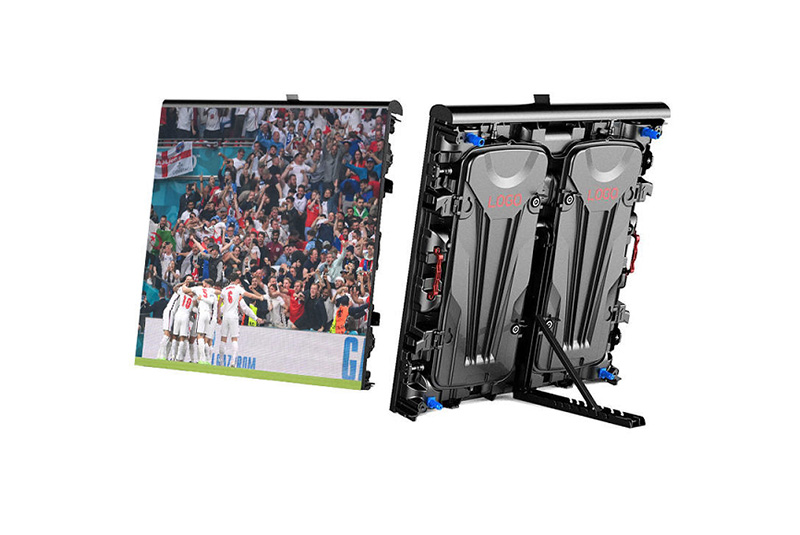
Shenzhen Longcheng Photoelectric Technology Co., Ltd. was established in 2013 and is located in Shenzhen, Guangdong Province, China. The company currently manufactures more than 350 different types of LED display products and has served over 900 enterprises/institutions in more than 120 countries/regions. All products pass ROHS, FCC, CE, ISO9001, CCC and go through strict 72-hour aging test before delivery.
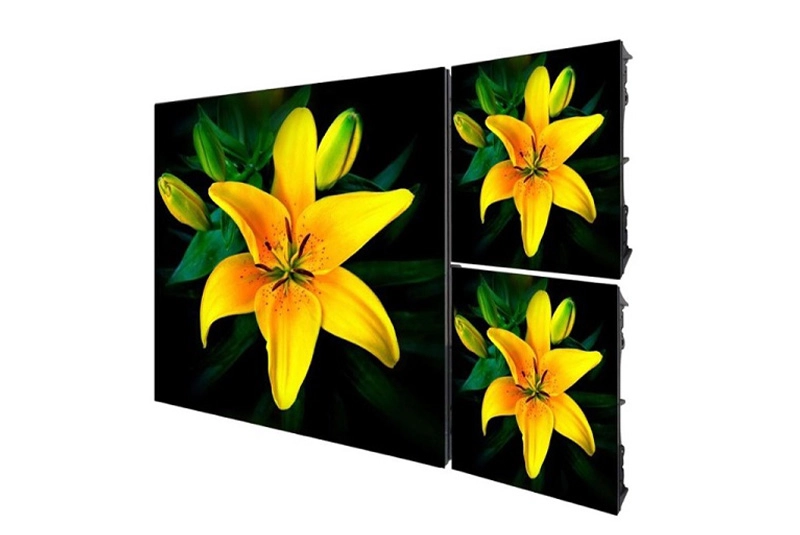
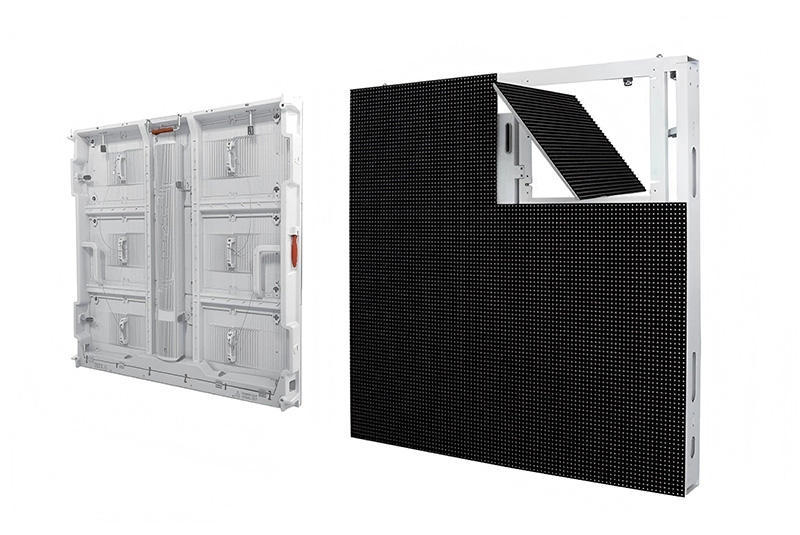
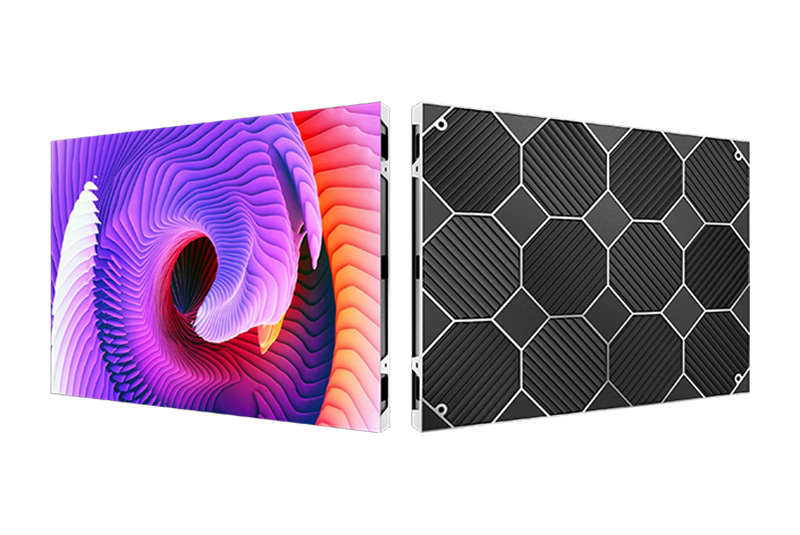
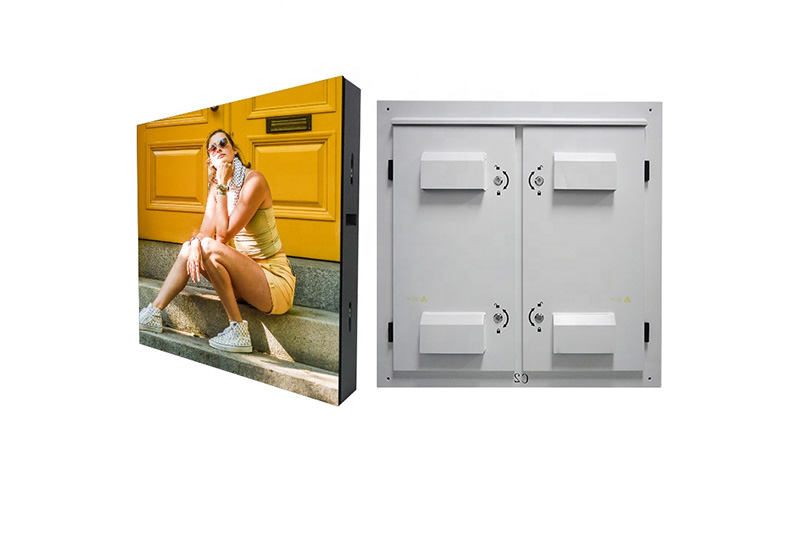
Main product categories include small pitch indoor, fixed outdoor, poster series and sport stadium LED displays specially developed for perimeter, ribbon and venue main display applications. Energy-saving performance comes from high-efficiency lamp beads + optimized driving circuit + advanced IC + intelligent brightness management — many projects achieve up to 40% power saving while keeping very high brightness (4500–10000 nits) and refresh rate (3840–7680Hz) that stadium projects require. Full IP65–IP68 protection + front/back service modular design makes the product very suitable for fast installation/dismantling requirements of major sports events. These technical characteristics match very well with technical specification and sustainability targets expected from 2026 World Cup level projects.
Energy-efficient LED displays have become one of the most realistic and impactful ways to achieve FIFA carbon neutral target while keeping venue operation cost under control and satisfying sponsor environmental requirements at the same time. With the tournament getting closer every month, operators who seriously focus on proven power reduction, good thermal management and intelligent control capability will have clear commercial and technical advantage. High visual quality + measurable real energy saving is currently the most important combination in stadium display business.
Real projects normally achieve 30–50% lower average consumption compared with traditional products. For high-brightness outdoor stadium applications this usually means going from 600–900 W/m² down to 300–500 W/m² range.
Common cathode architecture + high-efficiency driver IC + automatic ambient light dimming is currently considered the most effective and reliable combination for perimeter applications.
Good modern energy-saving design maintains or even increases brightness (up to 10,000 nits) and normally extends lifespan because of much lower working temperature. Serious compromise almost never happens when quality components are used.
Basic calculation = initial extra cost ÷ (electricity saving per year + reduced maintenance cost). Most stadium projects achieve payback between 2–4 years when electricity price is normal or high.
Maximum average power density, mandatory automatic brightness adjustment, third-party energy certificate requirement, complete thermal performance data, redundancy design and full compliance with FIFA sustainability reporting standard.










Leave a comments