
Nullam dignissim, ante scelerisque the is euismod fermentum odio sem semper the is erat, a feugiat leo urna eget eros. Duis Aenean a imperdiet risus.
Loading
Nullam dignissim, ante scelerisque the is euismod fermentum odio sem semper the is erat, a feugiat leo urna eget eros. Duis Aenean a imperdiet risus.
 author
 Creative LED configurations for 2026 World Cup events continue to gain ground as a direct response to the unique demands of large-scale fan gatherings, sponsor-driven activations, trophy roadshows, and short-term pop-up venues. While the tournament itself occupies 16 host stadiums across three countries, the bulk of branded visual experiences unfolds in surrounding public spaces—city plazas, retail concourses, street-side viewing areas, and dedicated hospitality zones. Curved LED screens, spherical LED displays, and custom LED shapes solve problems that conventional flat arrays simply cannot address in these settings. They bend to follow existing structures, enclose content for omnidirectional viewing, or assume recognizable forms such as football spheres or trophy profiles that immediately signal the occasion.
Practical requirements drive the adoption. Flat panels constrain narrative continuity in rounded activation booths or circular crowd zones. Curved configurations deliver uninterrupted imagery along architectural sweeps. Spherical displays remove any preferred viewing direction, maintaining uniform luminance and resolution no matter where someone stands. Custom LED shapes act as instant thematic hooks—graphics flow across a globe surface or animate along a trophy contour in time with on-field developments. Refresh rates consistently above 3840Hz manage quick-cut sequences without stutter, and the modular nature of the panels allows field assembly within tight windows typical of event cycles.
Performance holds up across environments. Fan zones exposed to full sun and occasional weather need brightness figures starting at 4500 nits combined with IP65-level sealing. Indoor retail or lounge placements favor tighter pixel pitches that preserve sharpness at shorter distances. The net effect changes how people interact—moving around the display rather than standing static, lingering longer, and absorbing more of the programmed content.
Current project patterns reveal several recurring priorities. Die-casting aluminum cabinets supply the necessary torsional stiffness for accurate curved alignments or spherical builds while controlling overall mass for easier handling and transport. Connected arrays withstand typical public-zone stresses—moderate gusts, incidental contact—without shifting out of calibration.
Omnidirectional coverage remains a frequent specification for centerpiece placements. Playback distributes evenly over the entire surface so live feeds, country flags, or looping animations appear consistent from all approaches. Kinetic features that briefly separate and reassemble sections generate short bursts of visual drama, often the moments captured in attendee photos and short clips during trophy-related stops or pre-kickoff build-up.
Location dictates protection levels. Outdoor fan-zone deployments call for fully sealed modules and power supplies that run cool during extended daylight hours. Indoor counterparts emphasize color matching and moderate brightness tuned to artificial lighting conditions.
Schedule pressure favors rental-capable architectures. Cabinets latch together rapidly, alignment checks complete in minutes, and content ingestion occurs through familiar software tools. The workflow accommodates frequent relocations between host-city sites with minimal crew overhead.
Sponsor objectives frequently dictate final form. A spherical LED globe placed in a high-visibility spot draws natural foot traffic and becomes a reliable source of user-generated imagery. Curved wraparounds sequence brand messaging in stages—teasing buildup to payoff—while custom profiles tie the installation more tightly to campaign themes and set the activation apart from generic signage.
Fully enclosed 360-degree spherical structures anchor open plazas and gathering squares. Diameters generally range from one to three meters, with complete LED coverage producing a seamless global canvas. Attendees circulate freely to track match action, replays, or cycling sponsor graphics. The omnidirectional layout eliminates any suboptimal viewing sector and performs well amid dense pedestrian flow.
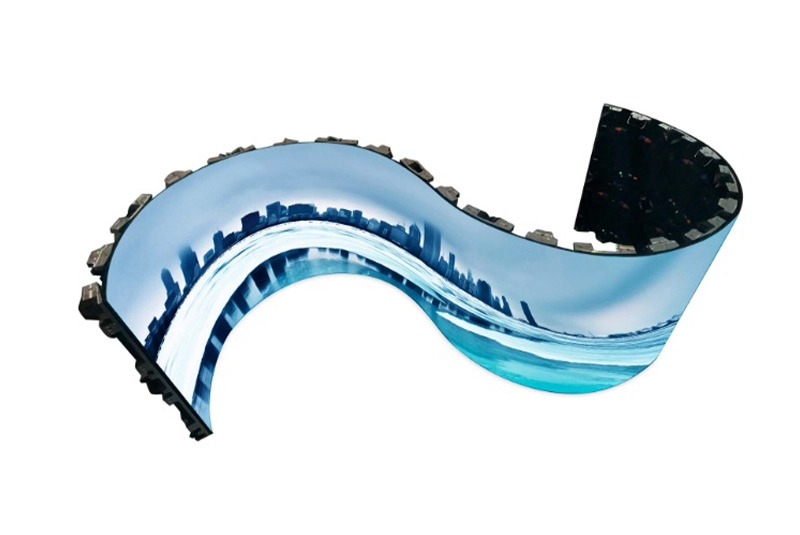
Extended curved surfaces serve as primary backdrops for booth perimeters or stage fronts. Modules conform to designed radii, ensuring imagery continues without interruption across broad spans. Programming advances methodically—team lineups give way to live clips before closing on brand reinforcement. The inward sweep of the curve concentrates viewer attention for the duration of longer content blocks.
Displays formed as footballs, trophies, or abstract globes function as thematic focal points. Internal support frames maintain pixel uniformity despite the non-rectangular geometry. Split-and-rejoin mechanics allow dramatic parting and reunion sequences, providing punctuation during trophy tours or milestone announcements.
Vertical helical columns or twisting elements rotate at deliberate speeds, layering visuals that evolve with the motion. High-refresh panels keep rapid sequences stable. Installations of this type naturally become selfie and group-photo magnets within interactive fan areas.
Narrow curved ribbon strips define walkways or temporary barriers inside fan zones. On-site reconfiguration takes little time, permitting quick adjustments to crowd patterns while carrying directional signage, advertisements, or real-time match data along the path.
Proximity- or touch-sensitive surfaces respond to audience gestures, allowing direct control over effects or content selection. The participatory layer transforms routine playback into shared activity, proving especially useful in compact brand engagement zones.
Smaller globes between 0.3 and 2 meters in diameter relocate with relative ease. Reduced weight and rapid power/data connections support multiple daily moves while preserving strong visual presence in retail corridors or street-level promotions.
Integrated assemblies merge curved wall sections with spherical accents to build layered depth. Coordinated playback across the combined elements produces unified scenes appropriate for elevated sponsor spaces or broadcast-adjacent viewing areas.
Spectator behavior adjusts noticeably. Spherical displays prompt physical exploration—people orbit the structure to examine different facets of the same feed. Curved surfaces channel focus along the arc, rendering progressive storytelling more effective than flat equivalents. Brands observe increased engagement metrics when the form echoes campaign motifs, fueling organic distribution through attendee posts and videos.
Operations gain from streamlined execution. Modular rental frameworks reduce crew size and logistical burden relative to bespoke permanent constructions. Content switches occur fluidly between live sources and prepared material without touching hardware. The venue atmosphere shifts toward landmark status, strengthening participant attachment to the overall tournament narrative.
Shenzhen Longcheng Photoelectric Technology Co., Ltd., founded in 2013 and located in Shenzhen, Guangdong Province, China, concentrates on engineering and manufacturing LED display systems. The company develops indoor and outdoor product lines, including small-pitch modules for fine-resolution work and configurations intended for concerts, events, rental deployments, sports venues, gymnasiums, and stadium applications.
Every unit passes 72-hour aging protocols to validate sustained reliability. The assortment stresses high definition, elevated refresh rates that prevent flicker, lower power draw, and robust physical construction. Certifications encompassing ROHS, FCC, CE, ISO9001, and complementary standards attest to quality control and regulatory alignment. Displays reach over 120 countries, accommodating temporary rental cycles as well as long-term fixed installations.
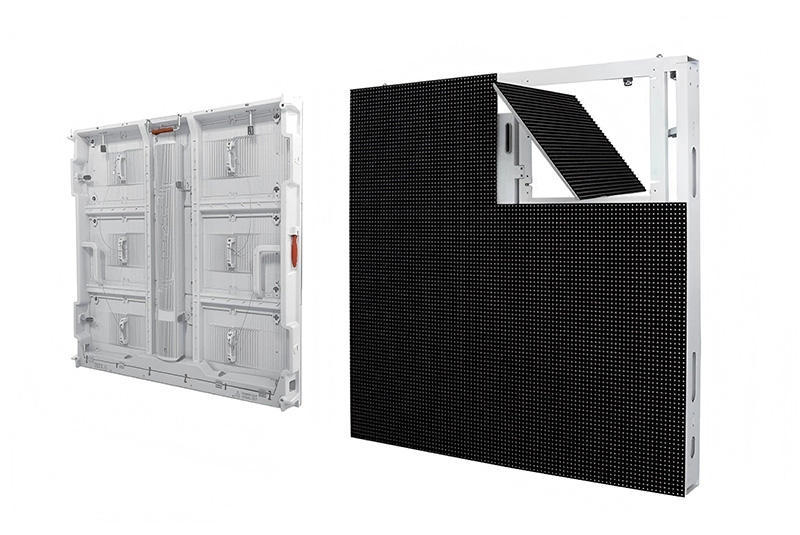
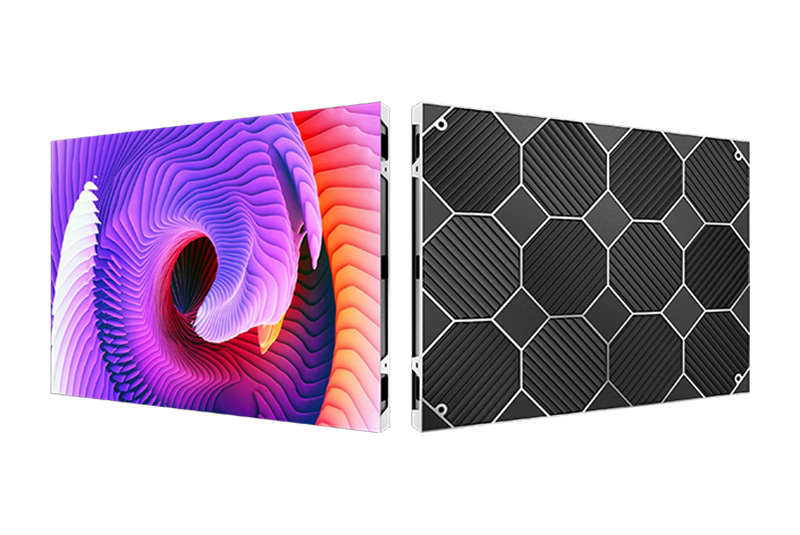
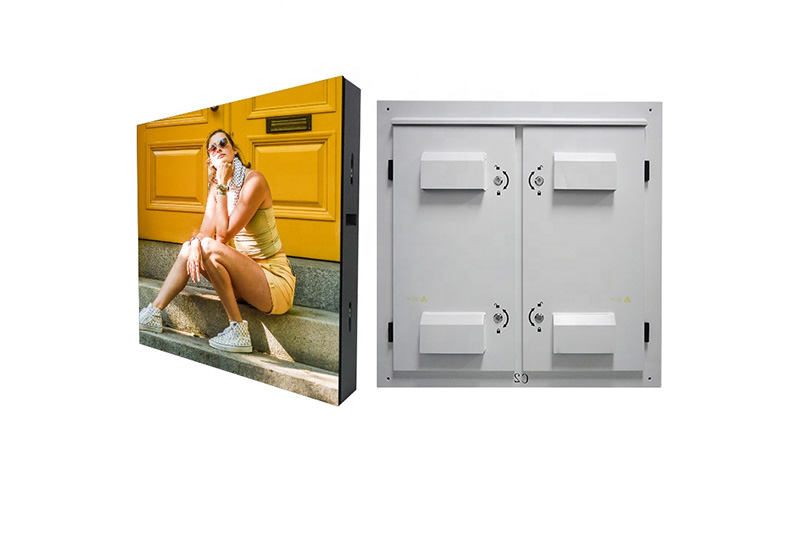
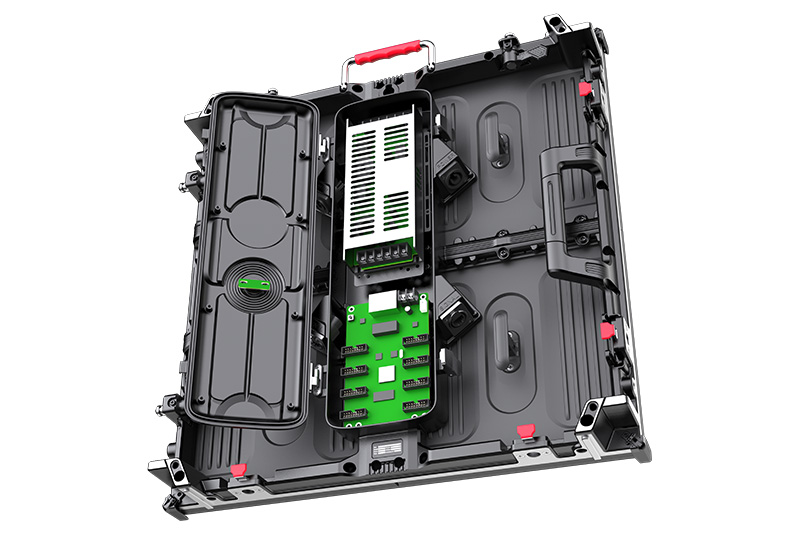
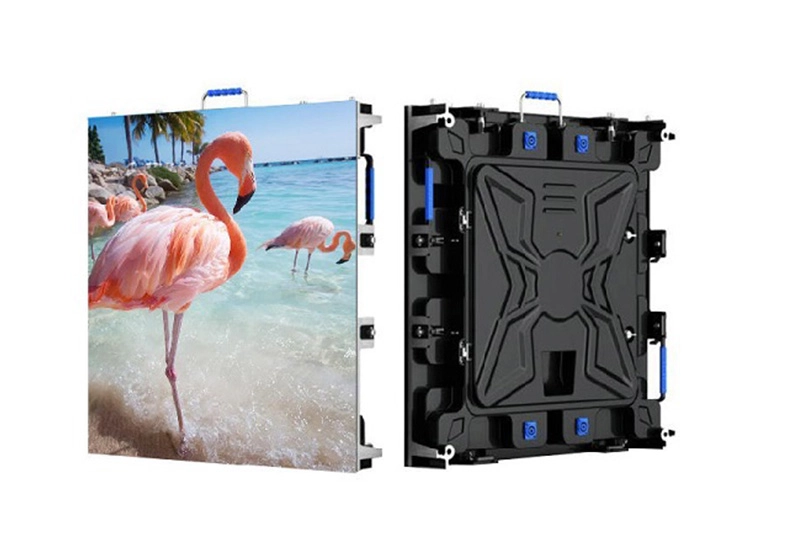
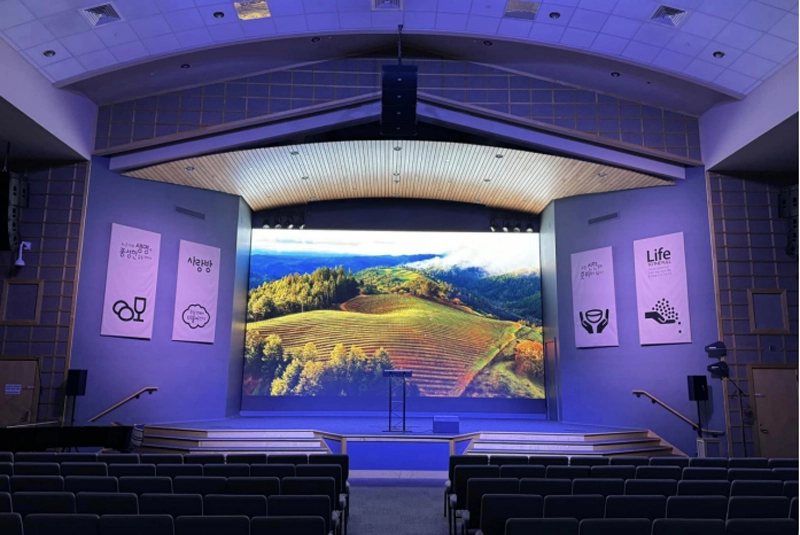
For event-oriented and creative deployments, the lineup includes rental series constructed around die-casting aluminum cabinets that enable swift assembly and adaptable geometries, including curved and custom layouts. High-brightness outdoor modules endure rigorous exposure, while indoor variants provide accuracy under controlled illumination.
Creative LED configurations continue to redefine how visual content reaches audiences at 2026 World Cup events. Curved wraparounds, spherical globes, and custom shapes move past the constraints of standard panels, delivering immersion, deployment speed, and unmistakable branding value throughout fan zones, sponsor activations, and transient venues. As the tournament draws closer, these methods establish benchmarks for flexible, high-impact display work that will carry forward into future large-scale productions.
Spherical LED displays supply uniform 360-degree visibility with no fall-off in quality, letting crowds in crowded plazas view live action, replays, or sponsor rotations equally well from any surrounding standpoint.
Curved LED screens trace booth or stage outlines to maintain continuous imagery, enabling sponsor sequences to unfold step by step while holding viewer attention across the full activation period.
Prioritize refresh rates exceeding 3840Hz for clean motion, die-casting aluminum cabinets for structural precision, IP65 environmental protection for outdoor reliability, and brightness calibrated to the site’s lighting conditions.
Rental LED configurations support rapid setup and breakdown through modular components that adapt to different locations, lowering labor and overhead compared with permanent fixed alternatives.
Footprint depends on diameter—1-2 meter globes integrate readily into malls or smaller plazas, while 3-meter versions require open fan-zone areas with sufficient clearance for surrounding pedestrian circulation.










Leave a comments