
Nullam dignissim, ante scelerisque the is euismod fermentum odio sem semper the is erat, a feugiat leo urna eget eros. Duis Aenean a imperdiet risus.
Nullam dignissim, ante scelerisque the is euismod fermentum odio sem semper the is erat, a feugiat leo urna eget eros. Duis Aenean a imperdiet risus.
 author
Color performance shows how well a fixed LED display recreates visual content with accuracy and brightness. Several technical factors shape this aspect. They work together to provide exactness, steadiness, and true-to-life visuals.
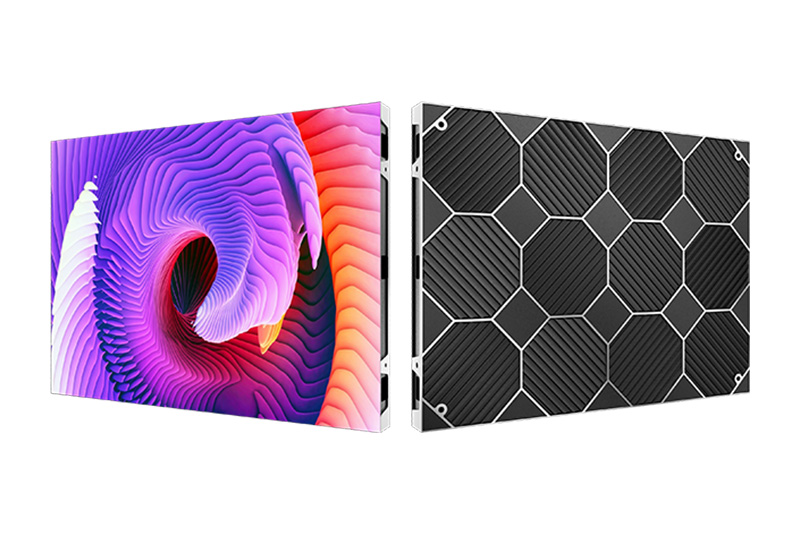
Top-notch LED chips form the base for strong color output in fixed LED displays. These chips keep a steady wavelength release. As a result, red, green, and blue sub-pixels give out even light strength. If chip quality differs, color mismatches appear clearly across display modules. The cleanliness of materials matters a lot too. Impurities in semiconductor mixes can warp light emission patterns. This leads to color tone changes or uneven light spread.
Precise binning improves color evenness. It sorts LEDs by their light output and color positions. Thus, each module holds a steady color shade when put together into bigger screens. Better sealing materials, like silicone types, guard LED chips from outside wear. They also boost light use. These substances cut down on yellowing. Plus, they stop slow color shifts during long runs. This stays key for keeping true image sharpness in setups that last years.
Driver ICs manage the electric flow to each pixel. They affect light steadiness and color exactness right away. Strong driver ICs lower power swings. So, they avoid flickering and make smooth shifts in brightness levels. A faster refresh rate betters moving images. It cuts down on flicker sight in quick-action scenes. This proves vital for uses like sign boards or TV backgrounds.
Matching between display modules counts just as much. Timing mismatches between modules can cause ghost images or stripe marks. These spoil the seen image sharpness. Right driver setup makes sure data flows in sync over all panels. It keeps smooth visual flow, even in big fixed LED setups.
Color calibration matches the display’s results to standard color ranges, such as sRGB or DCI-P3. Expert tools check light response patterns. They adjust RGB strength levels for true content playback. White balance setup handles changes in room light. This matters a lot in places with mixed lights, like shops or control areas.
Ongoing calibration with auto systems keeps steady output as time passes. LEDs wear out, and outside factors change. This method fixes small shifts in light strength or color points. It holds the planned visual truth over the display’s full work life.
Image quality comes from the mix of resolution, contrast level, shade range, and ease of viewing. It decides how engaging and real a display looks to people watching.
Pixel pitch means the gap between nearby pixels. It shapes image clearness directly. Tighter pixel pitches allow better resolution in small screen spaces. This suits near-view spots, like office entrances or TV rooms. But very tight pitches raise making costs. So, picking the right pixel closeness weighs sharpness against budget sense.
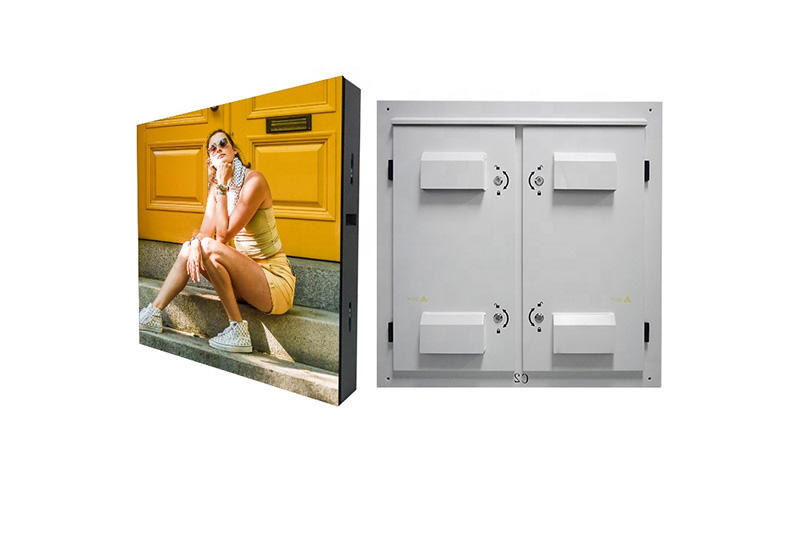
Setup accuracy also sways seen resolution. Wrong alignment in building can shift pixels. This twists small details or adds wavy patterns. Exact fitting systems keep even gaps over panels. They hold high-detail image steadiness.
A strong contrast level boosts depth sense. It creates dark blacks next to bright spots. This wide range lifts visual energy in different room light setups. Smart brightness handling changes light levels based on nearby glow. It ensures clear sight without too much shine.
Too much brightness can tire eyes over long looks. So, fine-tuning light settings saves power too. It makes viewing comfy without losing detail hold in dim content parts.
Grayscale depth sets how many tones a display can show from full black to white. Deeper grayscale lets smoother shade changes. This fits movie scenes or graphics with many blends. Even power spread over pixels stops clear steps in shade levels at low light.
Right gamma fix makes sure shown tones match their planned light values in digital standards. Good gamma linking avoids over-bright colors or dull middles. It keeps natural shade flow across light changes.
Handling the surroundings proves key for steady work in indoor and outdoor fixed LED displays. Heat changes, dampness, and power shifts can harm dependability.
Good heat release setups protect from heat shifts. Heat rises and changes diode traits. This causes color unevenness or light drop. Aluminum cases with built-in heat removers speed up heat flow. Active cooling keeps inside temps steady during non-stop work.
Heat sensors inside display modules watch temp shifts live. They allow quick changes to light output if overheat dangers show. This rule lengthens part life. It also keeps steady color hold during long work periods.
Water entry can rust wires or spark shorts. These lead to uneven light over panels. To fight this, outdoor fixed LED displays use IP-rated covers. They block dust and water from inside parts.
Special coatings on printed circuit boards add safety against rust in damp areas. They ensure lasting trust even in tough weather, like seaside spots or half-outdoor places.
Steady power flow stops flicker signs from uneven electric paths over modules. Top power units have voltage steady circuits. They hold outputs during main power swings. Protected data lines cut electric noise. This keeps clear signal send between controls and receiver cards.
Extra power plans assure non-stop work if one line fails. This stays key for must-run tasks, like road control spots or live show broadcasts where stops can’t happen.
Upkeep shapes how a fixed LED display keeps its starting image traits over many years of use.
Dust buildup blocks air flow near heat removers. It cuts cooling power and dims light faces that spread light unevenly. Regular cleaning with no-static brushes keeps cooling work and light clearness. It avoids static harm to touchy parts.
Often checks spot early issues, like dead pixels or panel fade. They catch them before bigger problems need pricey fixes. This cuts stop time with ahead-of-time steps.
Firmware changes better driver steps. They improve signal handling truth. This means smoother blends and less wait in hard visual plays. Regular re-setup brings back white balance evenness after long runs. Slow wear may change light releases among RGB diodes.
Central watch systems aid far-off checks. They let upkeep groups follow health measures over spread setups. This smooths fix steps with ahead-guess tools, not just fix-after ways.
As a skilled maker focused on fixed LED displays, Shenzhen Longcheng Photoelectric Technology Co., Ltd. offers forward-thinking fixes built for exact work in many uses around the world.
The firm blends new making gear with strict check rules. It promises great color evenness, build strength, and work steadiness in all items. These range from inside tight-pitch displays to big outdoor signs made for round-the-clock runs in changing weather.
Using deep know-how in light-tech design advances, Longcheng gives custom setups fit for ad webs, order rooms, shop spots, travel points, or fun areas. It ensures best fit in each plan’s space limits. Plus, it hits top image traits matched to buyer needs.
Getting flawless color output and image sharpness needs a full plan. It includes top hardware picks, like fine LED chips with exact driver ICs. It also covers pro setup steps matched to known field rules, such as DCI-P3 or Rec.709 types. Surround fitting through tough cover builds, plus ahead upkeep plans, locks in long work without losing visual top marks over time.
Recalibration is typically recommended every 6–12 months depending on usage intensity, environmental exposure, and operational hours to maintain consistent color accuracy.
Yes, excessive ambient light can reduce perceived contrast ratios; adaptive brightness control or shading structures help preserve visual clarity under bright conditions.
Key considerations include product reliability certifications, after-sales technical support availability, customization flexibility, and proven expertise in large-scale display integration projects.











Leave a comments