
Nullam dignissim, ante scelerisque the is euismod fermentum odio sem semper the is erat, a feugiat leo urna eget eros. Duis Aenean a imperdiet risus.
Loading
Nullam dignissim, ante scelerisque the is euismod fermentum odio sem semper the is erat, a feugiat leo urna eget eros. Duis Aenean a imperdiet risus.
 author
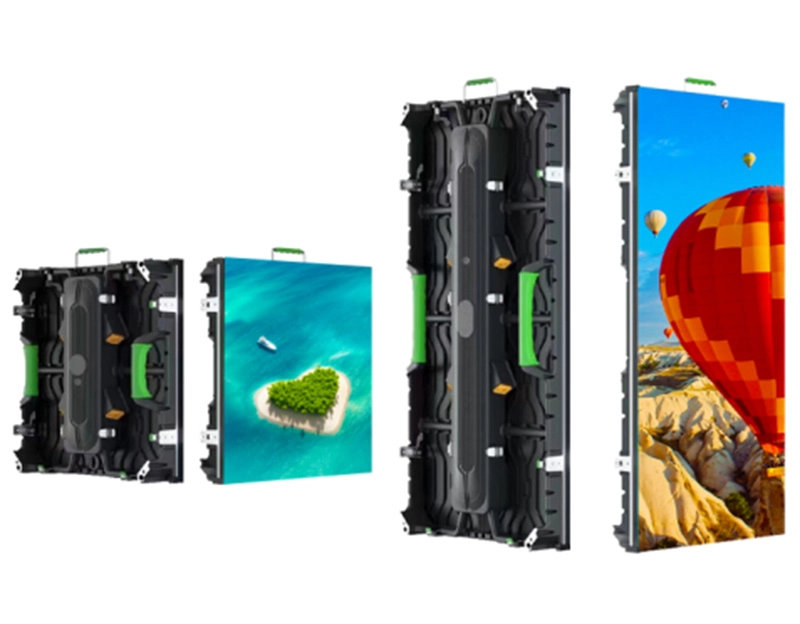
 Production crews and event technical directors keep returning to mobile LED wall rental whenever large-scale, transportable, high-brightness video surfaces are required for concerts, corporate activations, music festivals, sports broadcasts, trade show booths, and multi-city roadshow campaigns. Trailer-mounted or quick-deploy portable systems consistently deliver uniform picture quality, daylight-readable brightness, and rock-solid tiling — qualities that remain difficult to match with other technologies when the show must happen rain or shine.
Recent industry tracking shows the rental market still expanding steadily, pushed forward by ongoing improvements in power efficiency, dramatically shorter setup windows, and native support for real-time audience participation features. For most organizations running eight or fewer large-format productions per calendar year, the rental economics continue to outperform ownership when total cost of ownership, logistics burden, and technology refresh risk are calculated together.
Energy cost keeps climbing higher on outdoor and extended-run event P&L sheets. The latest rental-grade LED modules have moved the needle significantly — typical full-white power draw now falls in the 3.5–4.5 W/m² range at maximum brightness, compared against the 7–9 W/m² many legacy fleets still carry. On a representative 6×3 meter outdoor face running a full eight-hour day at 5500+ nits, the difference frequently translates into several hundred dollars less spent on diesel generators or venue power tie-ins over a three-day program.
Rental companies have incorporated these efficiency gains directly into rate cards. Most units ship with automatic brightness management that tracks ambient lux levels, along with high-efficiency power factor correction supplies. Beyond the straight wattage reduction, the rental model cuts out the long tail of ownership expenses: no scheduled driver board refreshes, no recurring heatsink/fan servicing, no contingency line for burnt modules after heavy cycling. Standard packages include redundant power paths and standby technicians, keeping the operation on rails when anything unexpected hits the schedule.
Crowd behavior has shifted. Attendees now measure an event partly by how quickly they can interact with the main visual surface. Rental mobile LED walls in 2026 routinely arrive with integrated 5G modems and edge compute nodes, supporting near-real-time features — live audience polling, instant social wall feeds, simple AR overlays, or AI-driven visual responses to crowd volume or hashtag velocity.
In field conditions this means a festival main stage can push fan-uploaded clips to screen with sub-second latency, or a corporate town hall can surface live sentiment polling results without perceptible delay. Rental turnkeys normally bundle the required playback servers, signal processors, and interaction software, removing the need for organizers to procure and certify separate broadcast-grade equipment packages that easily add five-figure costs.
Refresh rates starting at 3840 Hz (with many inventories now offering 7680 Hz) have become table stakes, guaranteeing clean motion rendering even when interactive graphics move quickly. Combined with independent 5G data paths, these systems no longer lean on unpredictable venue wireless infrastructure, delivering the kind of consistent responsiveness that directly feeds higher social amplification numbers.
The rent-or-buy conversation ultimately boils down to production cadence versus technology half-life. In the present cycle, meaningful LED platform improvements — pixel density, thermal design, cabinet weight, power architecture — arrive roughly every twelve to eighteen months. Hardware purchased in early 2025 can already feel dated by late 2026 when quoting new business.
Practical observation across rental houses and end-users shows the same pattern: teams producing fewer than seven significant large-format events per year almost always land in a better financial position through straight rental. Once frequency crosses twelve major shows annually, multi-year leases or selective purchase start to enter the discussion, although an increasing number of suppliers now offer attractive seasonal and annual rental agreements that close much of the gap.
Rental keeps the fleet perpetually current without forcing the organizer to absorb depreciation or carry refresh capex. Aluminum die-cast cabinets reduce truck weight and cut rigging time, while the rental company assumes responsibility for warehousing, annual color calibration, and liability coverage. Money that would otherwise be tied up in depreciating assets stays liquid for lighting, audio, talent, or marketing spend.
Outdoor work lives and dies by the forecast. Rental mobile LED walls counter the usual variables with significantly upgraded environmental sealing. IP65 through IP67 protection on both face and rear is now commonplace, and IP68-rated products appear regularly in higher-end rental inventories, allowing continued operation through steady moderate rain without emergency power-downs.
Contracts typically document practical fall-back procedures: automatic or manual brightness limiting during heavy downpours, dual independent power inputs, field-replaceable modules, and guaranteed rapid-response technical crews. A failed panel can usually be swapped on location within a few hours rather than the multi-day or multi-week turnaround common when servicing owned stock.
This risk transfer becomes especially valuable for one-off signature events or seasonal campaigns where in-house technical depth is limited. The rental house absorbs responsibility for weather-related wear, transit damage, and premature component failure, producing higher overall uptime and fewer headline-making interruptions.
Real ROI for many programs now lives in the digital tail more than the live headcount. Sharp, saturated, large-format imagery on mobile LED walls remains one of the strongest organic triggers for attendee content creation. Platform algorithms still heavily reward footage that captures big screens, crowd energy, and real-time interaction moments, pushing reach well beyond the physical venue.
Rental inventories support content-creator-friendly output modes — native 9:16 vertical framing presets, simultaneous multi-layer feeds, and high-fidelity processing that survives aggressive smartphone compression. Field reporting continues to show that comparable production budgets invested in mobile LED configurations generate three to seven times more usable user-generated material than programs relying on projection, conventional LED, or static backdrops.
The downstream effect — extended brand visibility, prolonged sponsor exposure, stronger post-event engagement metrics — frequently delivers the clearest commercial justification for the rental line item.
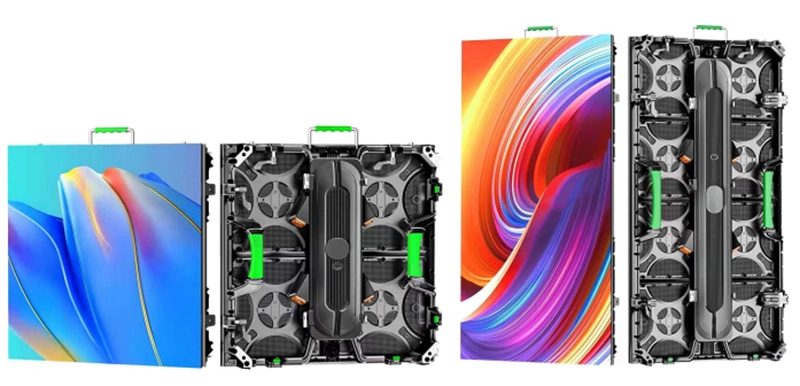
Founded in 2013 and based in Shenzhen, Guangdong Province, Shenzhen Longcheng Photoelectric Technology Co., Ltd. has accumulated over twelve years of specialized manufacturing experience focused on high-definition LED display solutions. The company supplies products specifically engineered for rental & staging, concert touring, live broadcast, sports venues, and large-scale fixed installations.
Key characteristics across the range include high refresh capability (up to 7680 Hz), outdoor brightness from 4500 to 10000 nits, robust IP65–IP68 environmental protection, and consistent emphasis on energy efficiency. All panels pass a standardized 72-hour aging protocol before shipment. The product portfolio carries major international certifications including ROHS, FCC, CE, and ISO9001.
Shipments reach more than 120 countries and territories across North America, Europe, Asia, Oceania, and other regions, supported by established quality systems and technical service infrastructure serving rental companies, system integrators, and direct enterprise clients worldwide.
In the 2026 production environment, mobile LED wall rental delivers a compelling balance of leading-edge performance, predictable budgeting, strong weather resilience, and outsized digital amplification potential. The model effectively addresses the major pain points around operating cost, technology currency, field risk, and audience participation expectations, making it the default choice for the majority of professional event scenarios.
Daily rates for mobile LED wall rental usually range from $2,000 to $5,000 for mid-to-large outdoor configurations, depending on physical dimensions, pixel pitch, transport distance, and whether setup, technical labor, and basic interactive processing are included.
Mobile LED trailer rental removes large capital commitment, eliminates ongoing maintenance liability, and protects against rapid technology obsolescence. It suits production schedules with fewer than ten major events per year and provides continuous access to the newest power-efficient and interactive-capable hardware.
Current mobile LED wall rental units commonly feature IP65–IP67 (or higher) protection, allowing safe operation in moderate rainfall. Rental agreements generally outline brightness reduction protocols, redundant power supplies, and on-site module replacement procedures to minimize any disruption.
Mobile LED wall rental frequently proves valuable even for smaller-scale events when visual clarity and social media capture are priorities. Scalable screen sizes fit most budgets and venue layouts while delivering professional-grade imagery that encourages significantly higher user-generated content volume than alternative display methods.
Pixel pitch selection follows expected minimum viewing distance and content resolution requirements. Outdoor events with audiences mainly 20–100 feet away typically use P3.91 or P4.81; closer corporate or indoor presentations usually benefit from finer pitches such as P2.9. Rental providers routinely evaluate site plans to recommend the most appropriate specification.










Leave a comments