
Nullam dignissim, ante scelerisque the is euismod fermentum odio sem semper the is erat, a feugiat leo urna eget eros. Duis Aenean a imperdiet risus.
Loading
Nullam dignissim, ante scelerisque the is euismod fermentum odio sem semper the is erat, a feugiat leo urna eget eros. Duis Aenean a imperdiet risus.
 author
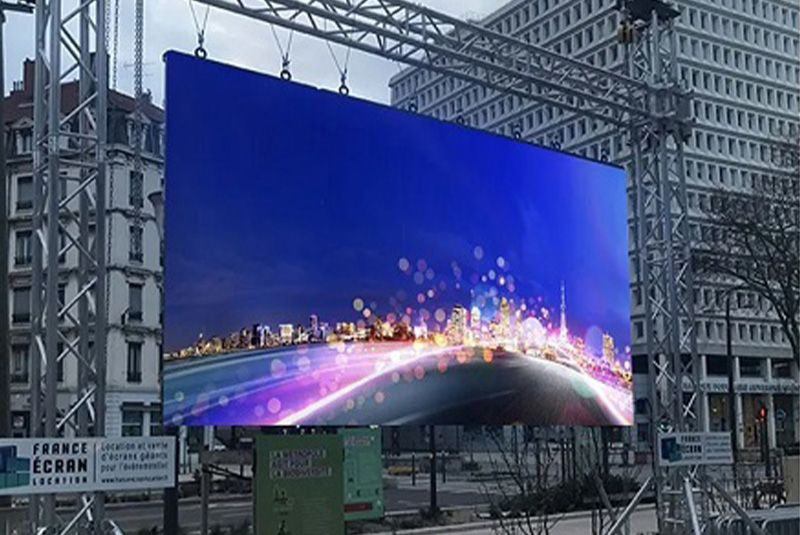
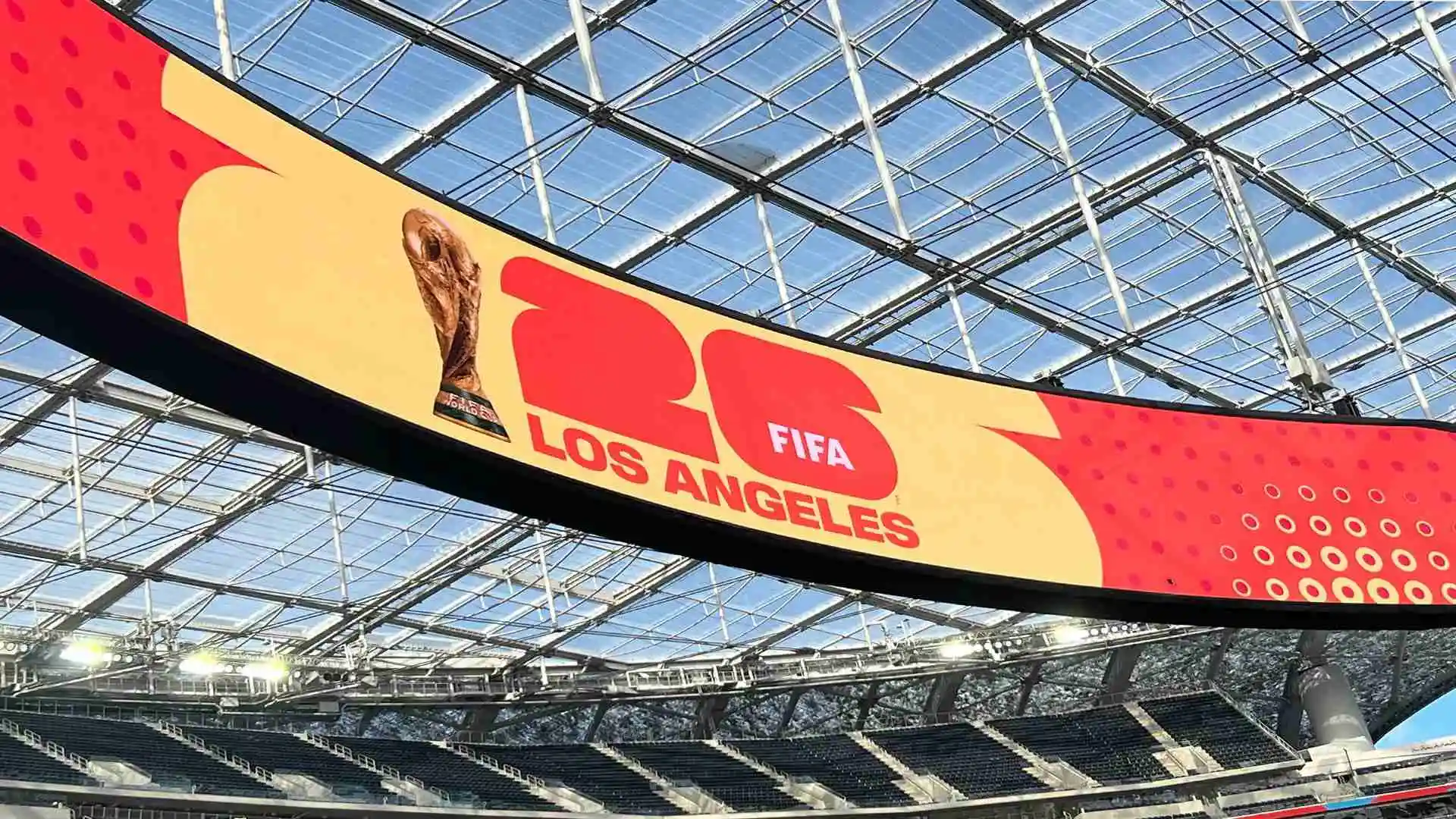
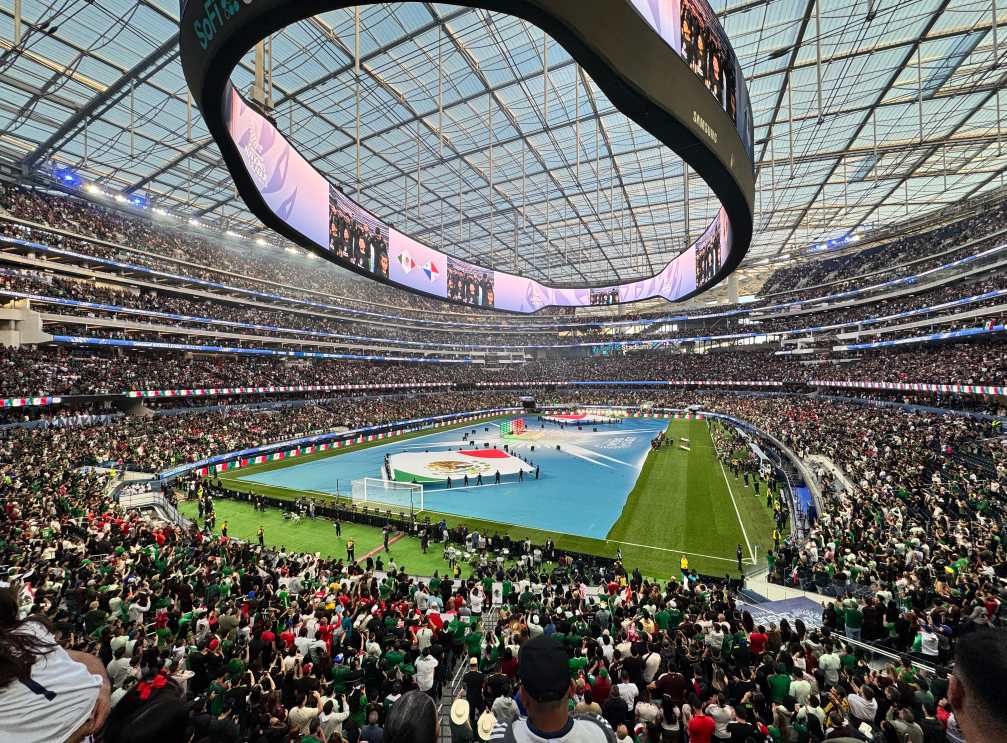
 The 2026 FIFA World Cup has pulled together 48 teams for 104 matches spread across 16 stadiums in Canada, Mexico, and the United States, with worldwide viewership expected to top five billion. Stadium tickets reach only a small portion of that audience, leaving the majority to follow the games in fan zones and public viewing areas—open city parks, plazas, and landmark spots converted into collective watch points. These zones carry live broadcasts on big screens, blend in music, food, and interactive pieces, building environments that capture much of the stadium intensity. Rental LED screens sit at the heart of these arrangements. They support rapid rollout of substantial visuals, handle changing sites, and produce clear pictures despite tough outdoor exposure.
In the host cities, fan zones have formed at places like Liberty State Park in New Jersey running a full 40 days, Lemon Hill Park in Philadelphia geared for up to 25,000 on peak days, Seattle Center with several scattered viewing spots, Fort York and The Bentway in Toronto, and various locations around the San Francisco Bay Area, including possible setups close to Levi’s Stadium. Installations like these call for displays that go up fast, stand up to sunlight, rain, and temperature changes, and stay solid through long match stretches without dropping sync on important plays or breaks. Rental LED screens manage these conditions with modular builds, strong weather resistance, and specs adjusted for crowded public settings.
Fan zones open the tournament to far more people than those inside the venues. Numbers from earlier events indicate individual sites pulling in hundreds of thousands across the tournament run, with free admission and added activities pushing counts higher. The 2026 spread across three countries directs crowds into city centers where gatherings happen naturally: open parks around Jersey City, main plazas in Mexico City, waterfront areas in Vancouver. People come for the opening whistle but linger through the day—cheers spreading across thousands, music filling halftime gaps, sponsor elements maintaining the flow.
The size brings specific difficulties. Schedules tighten: build time often falls into short gaps between group games and elimination rounds. Locations vary greatly—sun-exposed fields, shaded urban squares with shifting light, coastal zones open to humidity and wind. Crowd packing creates viewing distances from five meters up front to fifty meters toward the back. Content combines live feed with layers: possession numbers, player movement maps, quick replays, sponsor switches that change cleanly. Any visible lag or blur on a critical sequence breaks the group reaction. Power comes from temporary sources—usually generators—requiring reduced consumption. Dependability weighs heaviest: a single panel failure during transmission turns shared energy into frustration.
Rental LED screens confront these realities straight on. Modular cabinets connect in hours rather than days. High brightness levels cut through daylight. Weather-protected enclosures guard against typical North American summer showers. High refresh rates keep motion steady over wide areas. These traits change short-duration setups into reliable centers for public viewing, freeing organizers to handle programming instead of technical issues.
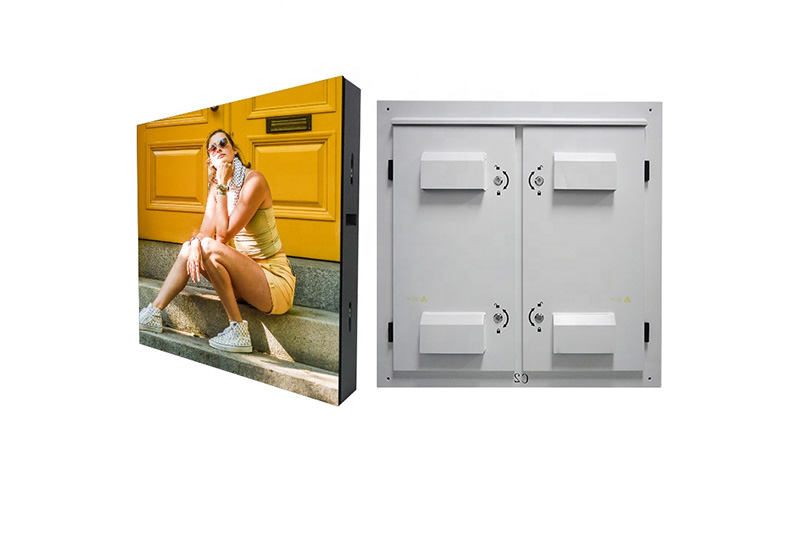
Outdoor public viewing tests displays harder than fixed stadium placements. Brightness stands essential. Direct sun hits screens during afternoon group fixtures, so 5000 to 8000 nits keeps pictures readable without washout. Lower output fades in glare; higher levels burn unnecessary power. IP65 sealing or superior blocks dust and water from passing rain or bay fog. SMD patterns cut reflections from nearby lights, holding even color over 160-degree angles so viewers close in and far out see the same clear image.
Refresh rates take on added weight in live sports. Field action speeds up: quick breaks or sudden stops blur at lower rates. Displays at 3840 Hz and above remove scan lines and motion flaws, matching 5G feeds for almost no delay. In fan zones, where crowds respond instantly to goals, that clean motion holds the shared feel. Timing offsets disrupt the collective response.
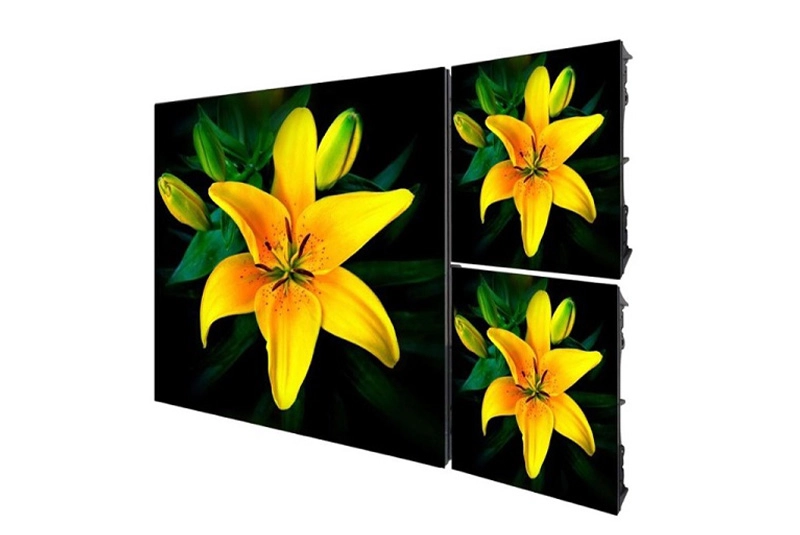
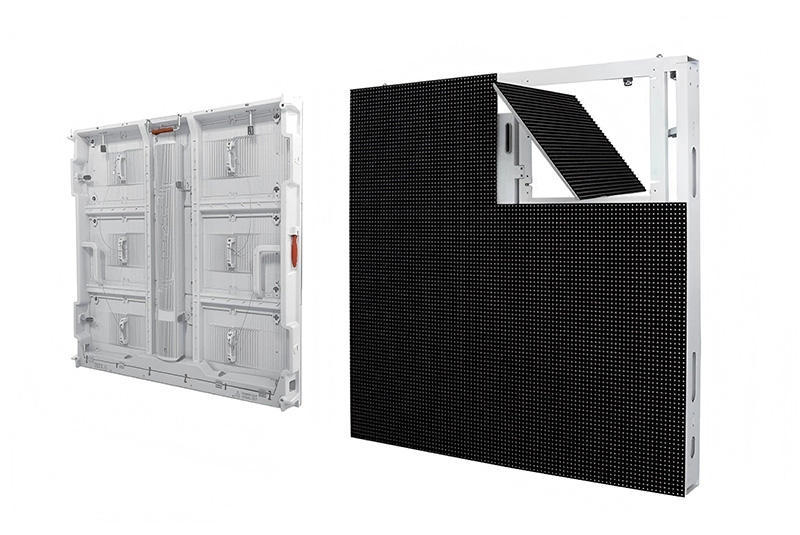
Modularity shapes rental usefulness. Die-cast aluminum cabinets drop weight from older types, stack without issue, and link with standard fittings. Crews put up 100-square-meter walls in a few hours and take them down just as fast for moving or striking. Pixel pitches from P2.6 mm to P4.81 mm hit the working middle: sharp enough for detail at 10-20 meters, practical for longer reaches. Curved or angled builds fit odd spaces—L-shaped corners by stages or wrapping walls in plazas—without extended custom delays.
Power use builds quickly over weeks of events. Automatic brightness sensors drop output in cloudy spells or night games, cutting draw by 30-50% against fixed settings. Tight driver circuits and supplies keep heat down, stretching component life through nonstop runs. These features fit sustainability aims in host cities, where energy tracking runs alongside attendance figures.
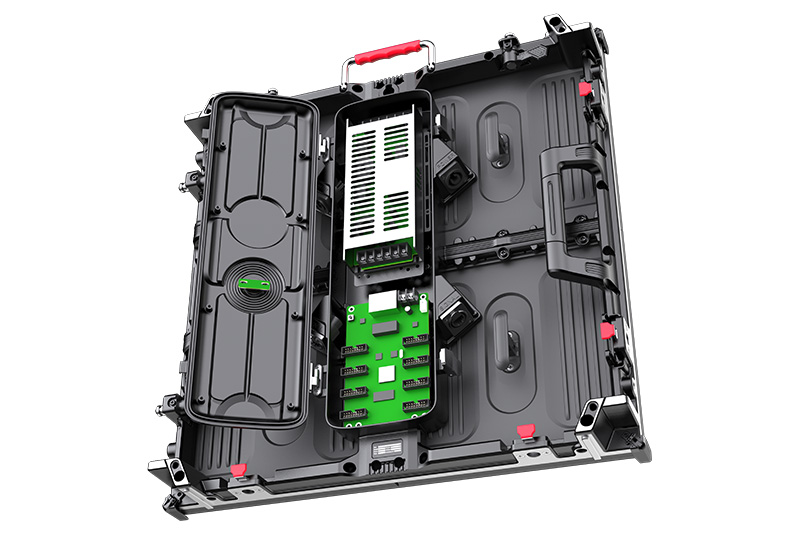
Reliability finishes the picture. Full-load aging tests—72 hours—catch early weak points. Duplicate signal and power lines stop single breakdowns. Remote checks spot trouble before it appears. In public viewing with thousands present, interruptions cost beyond repair time—they weaken the group experience.
Previous World Cups shaped the fan zone model through real-world runs. Outdoor screens in dry settings during 2022 pointed out heat control needs: panels without good cooling dropped out in long sessions. Backup paths and monitoring lowered those problems. Earlier European public corridors showed wide-angle importance—narrow views left rear areas with weak or twisted pictures.
The 2026 version adds North American elements. Liberty State Park’s long run in Jersey City needs screens that take urban crowds and changing weather. Lemon Hill in Philadelphia plans for high-attendance days, calling for expandable, fast-build walls. Seattle Center spreads zones across walkable ground, where humidity and rain challenge seals. Toronto’s Fort York mixes old grounds with new layers, suiting flexible arrangements.
Bay Area placements—around San Francisco, Oakland, San Jose—deal with strong California sun balanced by coastal haze. High-brightness panels push through glare in day games, while auto adjustment covers evening changes. Experience from similar big events, like concert runs or pro league matches, backs modular builds for shorter prep times and less labor. Tested parts reduce failure chances, letting organizers keep focus on fan involvement over fixes.
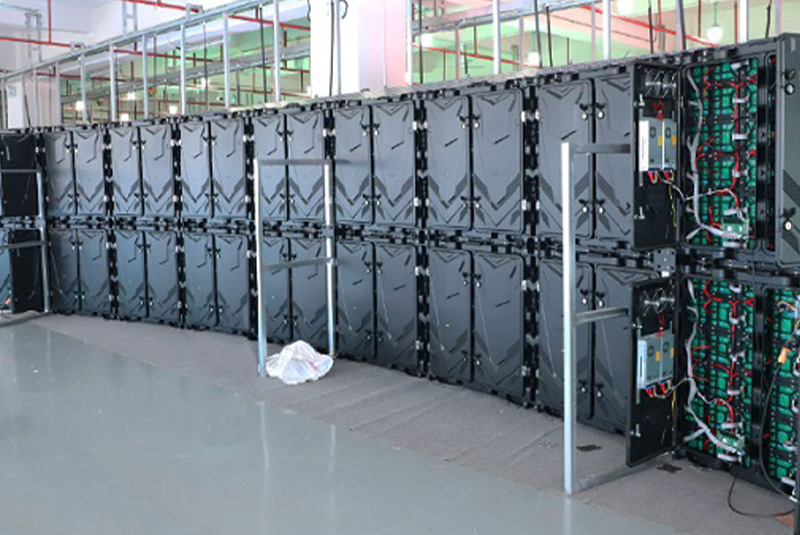
Shenzhen Longcheng Photoelectric Technology Co., Ltd. builds LED display systems designed for tough temporary and outdoor work, including public events and large gatherings. Rental screens deliver refresh rates from 3840 to 7680 Hz with IP65 protection, fitting fan zone video walls under weather stress. Pixel pitches in the P2.6 to P4.81 mm range give balanced resolution and viewing distance for crowds spread through parks or plazas. High-brightness outdoor versions hit 8000 nits, keeping pictures clear under direct sun typical in North American host areas.
All units go through 72-hour aging checks to confirm steady performance in long runs. Certifications including CE, ROHS, FCC, and ISO9001 match international standards. Efficient circuits and automatic brightness control lower power use in extended cases. Custom layouts handle different setups, and support helps tie into broadcast systems and event controls.
For fan zone work, the priority stays on consistent output that strengthens group viewing without breaks. Explore our rental LED screens for detailed specifications and customization options suited to public viewing needs.
Shenzhen Longcheng Photoelectric Technology Co., Ltd., started in 2013 and located in Shenzhen, China, concentrates on designing and producing high-quality LED displays. The range covers small-pitch modules, indoor-outdoor panels, stadium solutions, rental products, fixed installations, and custom shapes. Shipments go to more than 120 countries and regions, serving over 900 enterprises and groups. Production focuses on high definition, high refresh rates, energy savings, and strong construction, supported by full 72-hour testing and 24-hour technical help. Approvals like CE, ROHS, FCC, ISO9001, and others verify steady quality and fit for demanding uses.
The 2026 FIFA World Cup fan zones show how rental LED screens turn public spaces into immersive parts of the tournament. From wide video walls at Liberty State Park to local gatherings at Seattle Center or Toronto’s Fort York, these displays carry live action with accuracy and reliability. Progress in brightness hold, refresh performance, modular assembly, and power efficiency meets the specific needs of temporary outdoor work. As the event moves forward, the part played by adaptable, high-output screens in connecting fans across cities stands out. These setups do more than show matches—they create lasting shared memories in common places.
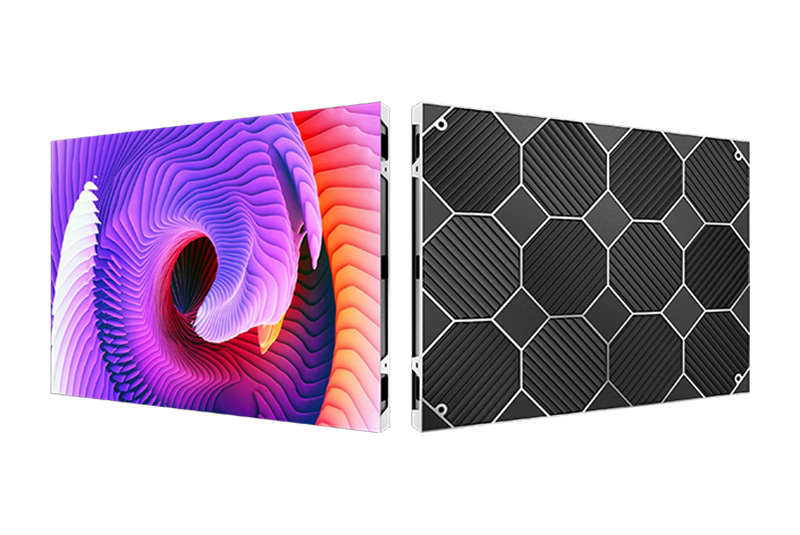
Pixel pitches from P2.6 mm to P4.81 mm fit common fan zone viewing distances of 10 to 50 meters, offering clear detail for nearby viewers while staying practical for bigger temporary walls.
High-brightness ratings of 5000 to 8000 nits along with anti-glare SMD patterns keep images visible under direct sun, a regular factor in daytime matches across places like California or New Jersey.
Modular die-cast aluminum cabinets join fast, letting teams build and take down large video walls in hours to match tight event schedules and different site needs.
Refresh rates at 3840 Hz and above clear motion blur in quick sequences, delivering fluid replays and live play that hold crowd attention without visual interruptions.
Rental LED screens use automatic brightness adjustment and efficient circuits to cut power draw by 30-50%, supporting long runs on temporary sources while meeting sustainability targets.










Leave a comments