
Nullam dignissim, ante scelerisque the is euismod fermentum odio sem semper the is erat, a feugiat leo urna eget eros. Duis Aenean a imperdiet risus.
Loading
Nullam dignissim, ante scelerisque the is euismod fermentum odio sem semper the is erat, a feugiat leo urna eget eros. Duis Aenean a imperdiet risus.
 author
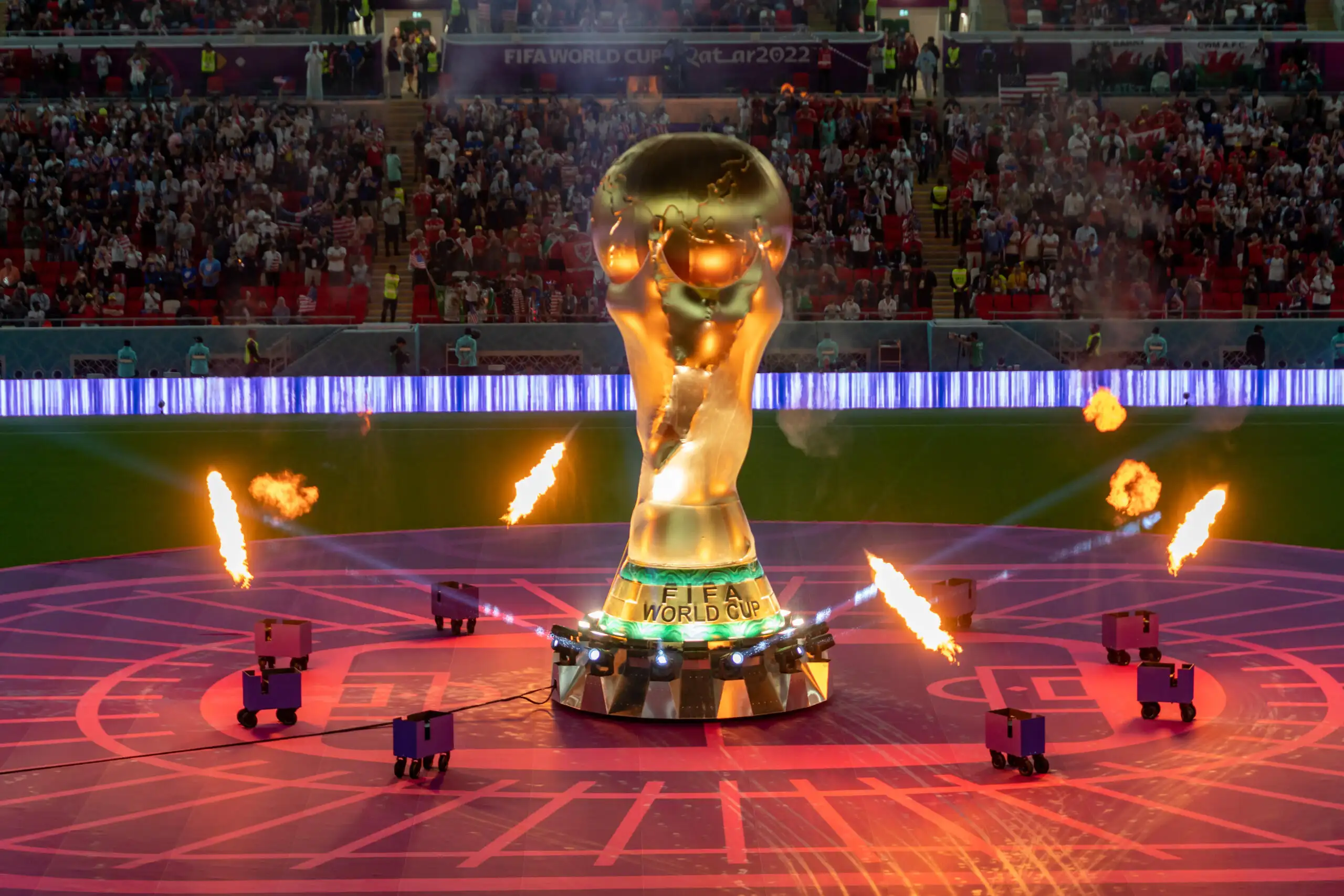
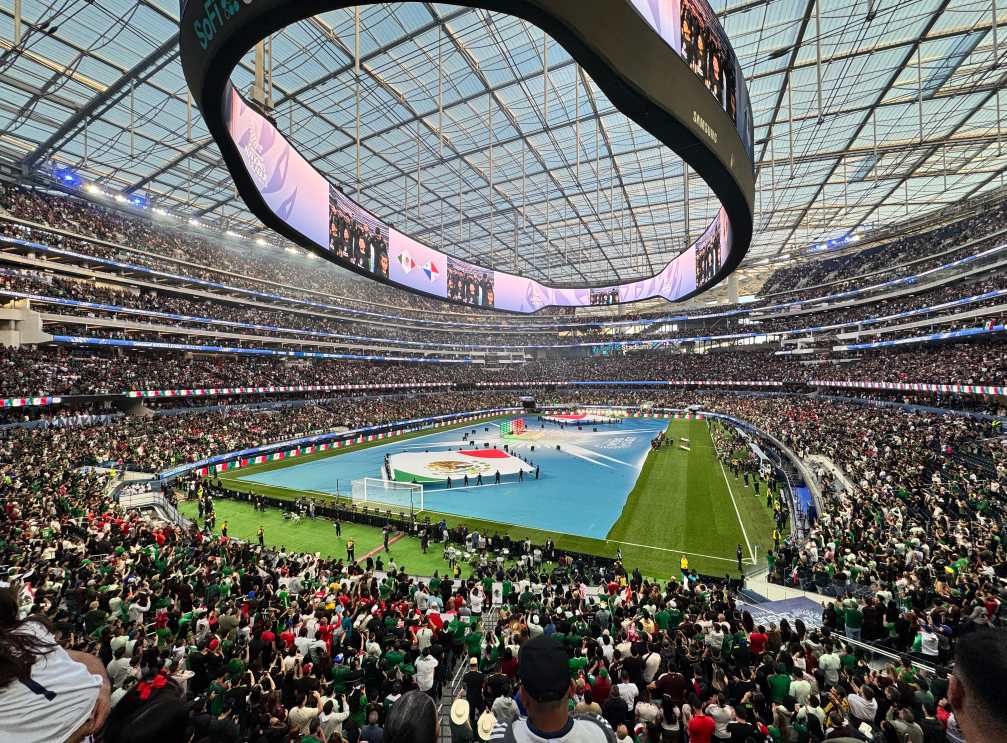
 The 2026 FIFA World Cup, hosted jointly by Canada, Mexico, and the United States, ranks as one of the broadest international sporting events planned so far. Forty-eight teams, 104 fixtures, sixteen stadiums, and a projected worldwide audience surpassing five billion place heavy demands on visual delivery systems. LED displays have moved well past simple scorekeeping roles; they serve as core elements for pushing instant replays, sponsor sequences, and interactive overlays that hold spectator attention. This progression aligns with the rising standard at top-tier tournaments for venues that merge on-pitch action with crisp digital layers.
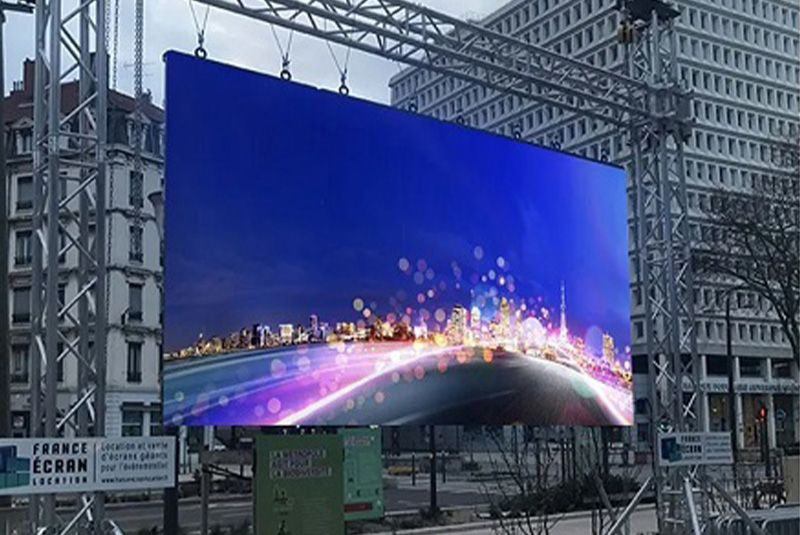
Outdoor perimeter boards along the field need steady high visibility through changing daylight and strong lighting. Indoor fine-pitch units manage control-room feeds and executive zones with exact detail. Rental setups enable fast assembly in fan zones and side events. These uses require steady output, lower energy draw, and smooth matching with broadcast signals. As site work ramps up, priority falls on systems built to handle long run times, adjust to varied weather patterns, and include automatic brightness shifts plus quick modular builds.
The sheer size of the event drives precise technical needs that speed up progress in large-scale visual hardware. Stadiums including MetLife, Estadio Azteca, and similar venues will see crowds in the tens of thousands for each game. Perimeter setups cover thousands of square meters, set to deliver clear views from all seating tiers. Host-city fan zones roll out wide video walls for extra crowds, usually outdoors where heat, dampness, and quick weather turns come into play.
Live data overlays count as baseline now. Viewers look for real-time figures—possession splits, player movement maps, shot velocities—shown with no noticeable lag. Broadcast crews pull from several camera sources, so displays need high refresh to avoid flicker in quick-motion clips. Ad content switches cleanly between sponsors while keeping visual steadiness over global feeds. These pressures push toward tough, high-throughput systems rated for weeks of continuous service.
Power usage adds its own layer. Big installations pull heavy current, leading operators to aim for cuts that fit wider sustainability plans. Newer LED setups reach this with efficient driver designs and sensors that scale brightness to match surroundings. Setup pace matters just as much. Rental panels have to go up and come down fast to fit back-to-back events in different spots. Fixed arrays focus on extended service life with little upkeep. All these pieces together make the tournament a strong driver for field-tested improvements, where solid performance ties straight to better crowd response and smoother venue runs.
Progress in LED display hardware targets several grounded areas that match the stresses of high-level sports.
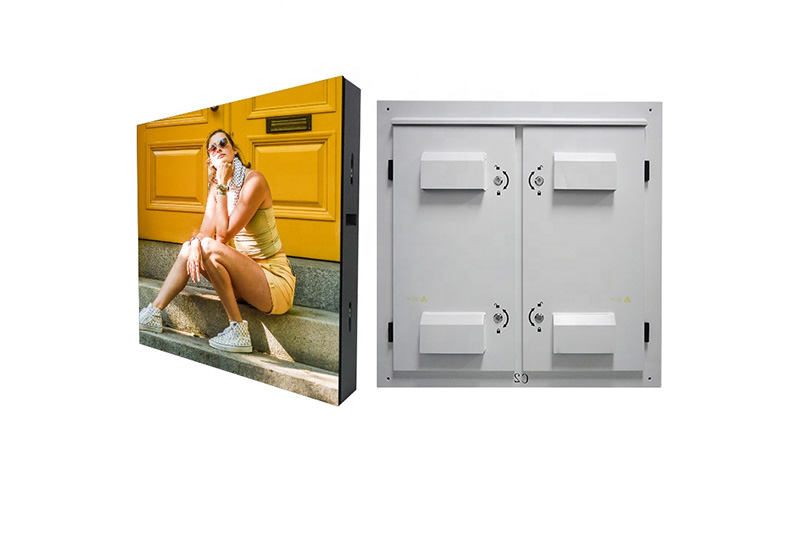
Perimeter boards and big outdoor video walls deal with full sun, rain, and wide temperature swings. Brightness from 5000 to 8000 nits keeps images readable in peak light, paired with IP65 or better sealing against dust and water. SMD layouts cut glare from overhead floods, holding even color across wide angles. Seats far back get the same sharp picture as those up close. Standard burn-in runs stretch long enough to spot weak points early. Any short dropout mid-broadcast can ripple through the entire feed, so uptime stays non-negotiable.
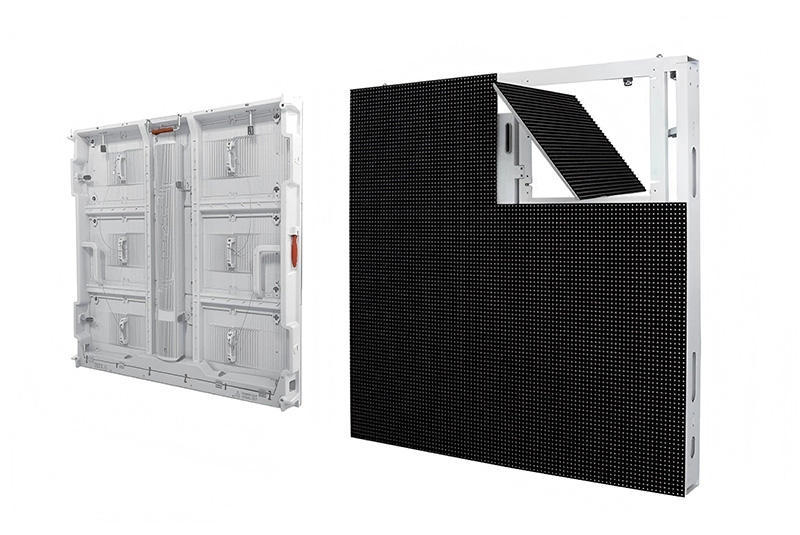
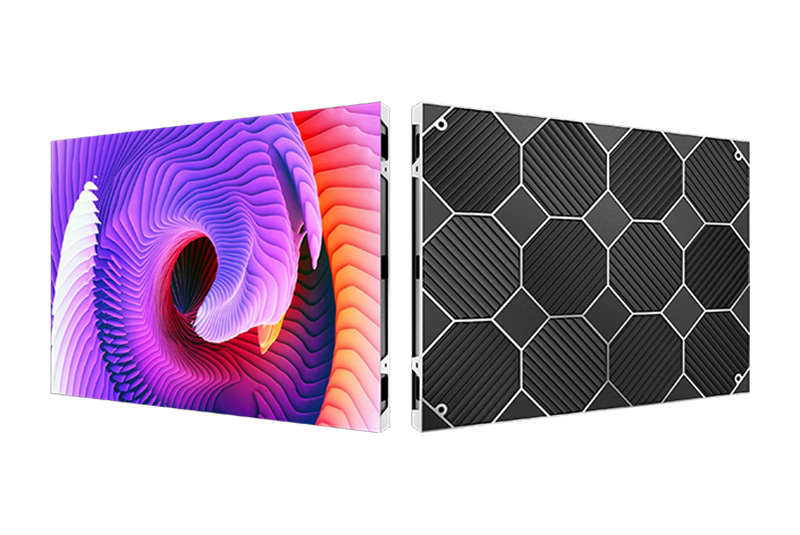
Control suites and premium areas call for pixel pitches under 1 mm to hit 4K-level sharpness at short range. COB builds place chips straight on the base, forming clean panels with contrast over 5000:1. These handle detailed breakdowns, combined feeds, and graphic layers without visible structure. Power use falls sharply—often 30-50% below prior generations—through tighter circuits and supplies. Front-service design eases fitting in tight spots, cutting install holdups.
Quick field action needs refresh at 3840 Hz and above to kill blur and scan lines. Pairing with 5G feeds keeps delay low, syncing venue screens tight with incoming video. That match-up stops the jarring shift from timing mismatches. In open viewing spots, higher rates keep motion clean through fast pans and slow-motion cuts, no matter where people stand.
Power control takes center stage. Current chips push output with less draw, and adaptive systems drop levels during quiet or low-light moments without hurting visible strength. Cabinets and modules lean more toward recyclable stock. On tournament scale, these traits deliver clear cost drops and line up with green commitments.
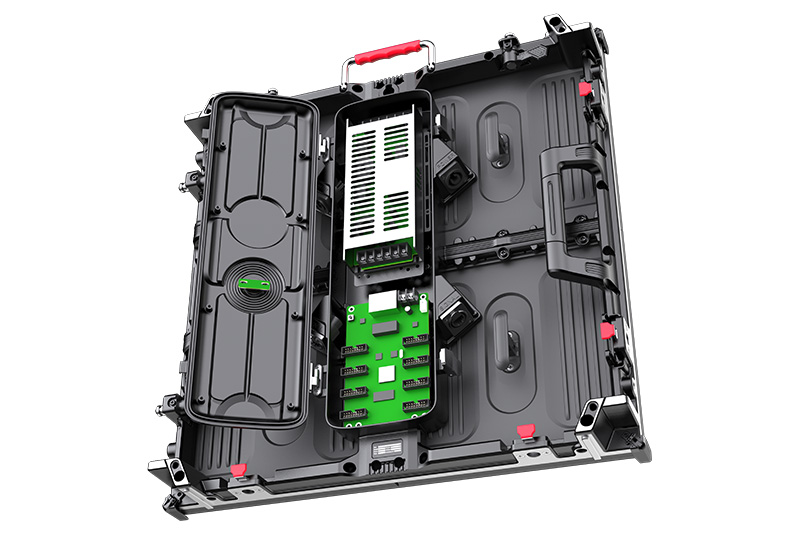
Rental gear uses light aluminum frames that lock together fast. Pitches from P2.6 mm to P4.81 mm hit the sweet spot between detail and distance, suiting stages or pop-up zones. Bendable and curved options open non-standard shapes like wrapping walls or round elements in shared areas. That range fits the spread of setups across host locations.
Prior World Cups show what LED systems bring in practice. Perimeter arrays and video walls fed replays and sponsor hits in packed houses. City zones used outdoor screens to spread match access, building group watch experiences. Heat control in dry climates and uptime through drawn-out games posed real tests. Backup paths and monitoring steps cut exposure.
For 2026, North American sites start with solid AV bases, but refreshes target better resolution and tighter network links. Perimeter content shifts on the fly with game turns, while indoor units open interactive features like crowd votes. Hosting across borders covers everything from humid coasts to inland warmth. Track records from pro leagues and major tours back up that modular builds and field-proven parts shrink timelines and lift reliability.
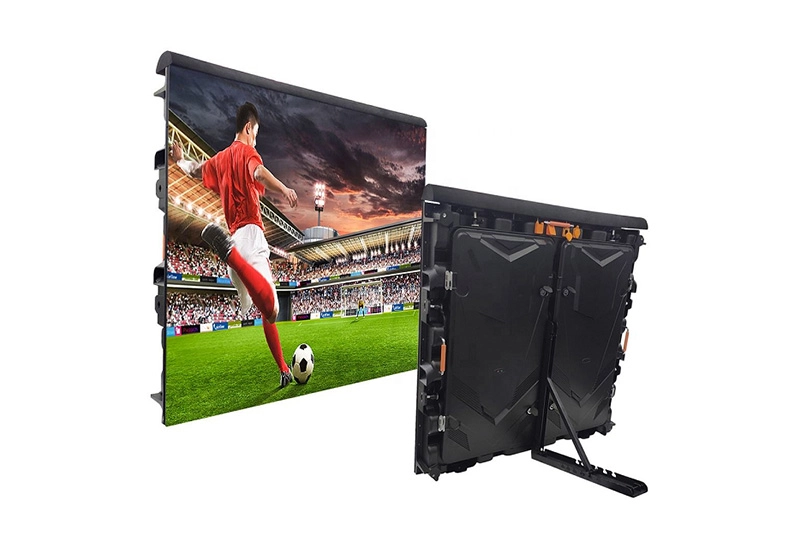
Shenzhen Longcheng Photoelectric Technology Co., Ltd. builds LED display systems shaped for tough settings, covering sports venues and big gatherings. Stadium LED displays reach 8000 nits brightness with IP65 protection, fitting perimeter work and outside video walls. Rental lines hit refresh rates from 3840 to 7680 Hz using cabinets built for quick setup in temporary roles. Fine-pitch reaches P0.9 mm for clean indoor output in ops and hospitality spots. All units pass 72-hour aging checks for steady performance, backed by CE, ROHS, FCC, and ISO9001 approvals that match international rules.
Designs pull in efficient circuits and auto-brightness to trim power in long-run cases. Custom builds handle special layouts, with support geared toward clean tie-ins with broadcast setups. For projects around major events, the drive stays on reliable delivery that boosts engagement and keeps operations tight. Explore our stadium LED displays for detailed specifications and customization options.
Shenzhen Longcheng Photoelectric Technology Co., Ltd., started in 2013 and based in Shenzhen, China, concentrates on designing and making high-grade LED displays. The range covers small-pitch modules, indoor-outdoor panels, stadium solutions, rental gear, fixed installs, and custom shapes. Shipments cover more than 120 countries and regions, reaching over 900 companies and groups. Production stresses sharp definition, high refresh, energy savings, and build strength, supported by full test runs and round-the-clock tech help. Approvals like CE, ROHS, FCC, ISO9001, and others confirm steady quality and fit for hard-use cases.
The 2026 FIFA World Cup will put clear distance between current LED display performance and earlier limits. Perimeter setups lock in key plays, fan zone arrays link wider groups, and the full suite shapes reliable, absorbing settings. Gains in brightness hold, refresh speed, power trim, and build flexibility tackle the event’s special pressures. As sites lock in final plans, focus on tough, high-output gear will set results. The tournament marks a line for visuals that clear everyday marks and lay groundwork for later large-scale events.
FAQs
Outdoor perimeter boards and video walls usually need 5000-8000 nits to stay visible under direct sun or bright floods, keeping images sharp across full seating during day games.
Refresh rates at 3840 Hz and up remove blur and scan lines in fast sequences, giving clean replays and live flow so crowds follow quick action without visual noise.
Energy-efficient units use tight chips and auto-brightness to cut draw by 30-50%, handling long schedules while meeting green goals and lowering site expenses.
Modular rental screens come with fast-lock die-casting cabinets and flexible pitches, allowing rapid rollout at different spots and sizes while pushing high-res visuals to big groups.
Fine-pitch below 1 mm pixel pitch delivers crisp, gap-free pictures at close range, supporting exact multi-source tracking, tactical layers, and feed control in ops areas.










Leave a comments