26/ February
The Latest Rental LED Display Guide In 2026
Introduction
Event crews and rental houses stepping into 2026 quickly realize the latest rental LED display guide in 2026 has become required reading for staying competitive. Forecasts show the market shaking off a short dip before climbing again, with growth rates holding above six percent annually through 2032 while fine-pitch panels and lower-power designs lead the charge. Fast-lock cabinets, refresh rates pushing past 3840 Hz, and tighter sustainability standards now separate the panels that stay booked from the ones that gather dust. Grasping these changes lets technicians and production managers pick equipment that runs reliably and keeps budgets in check across everything from arena concerts to boardroom activations and virtual stages.
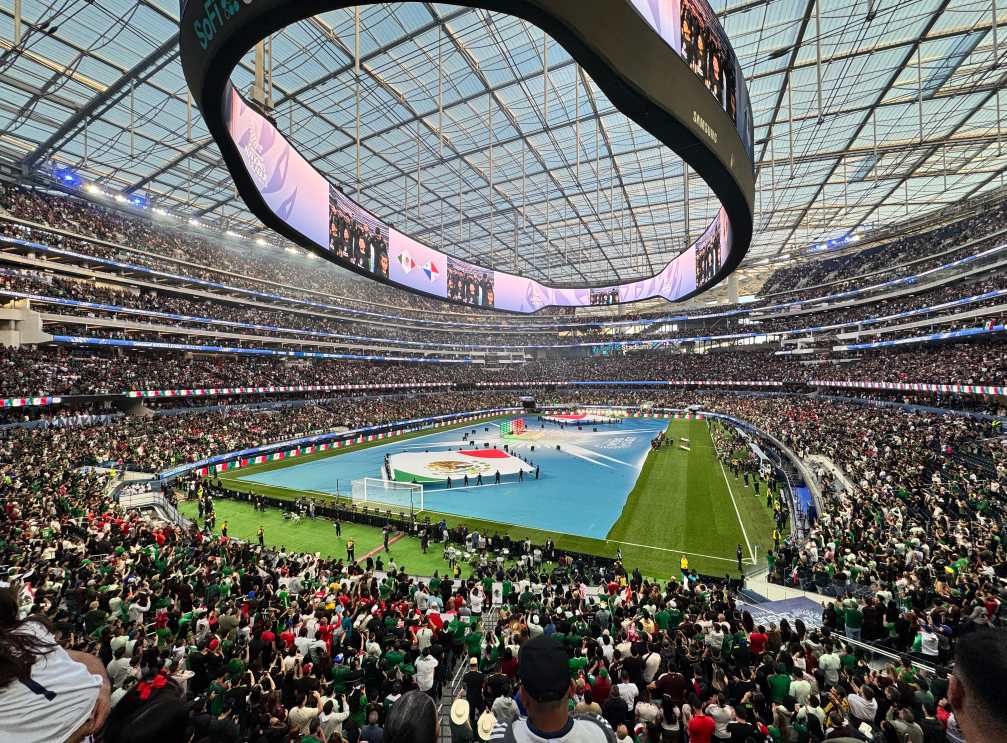
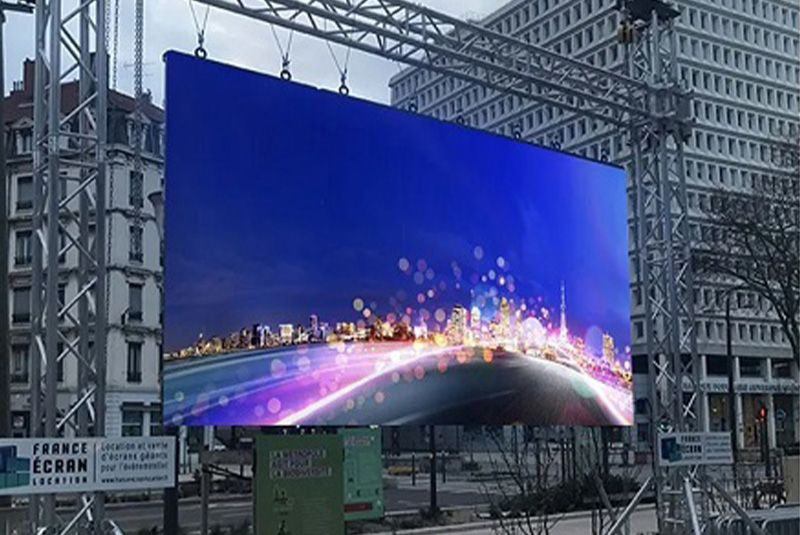
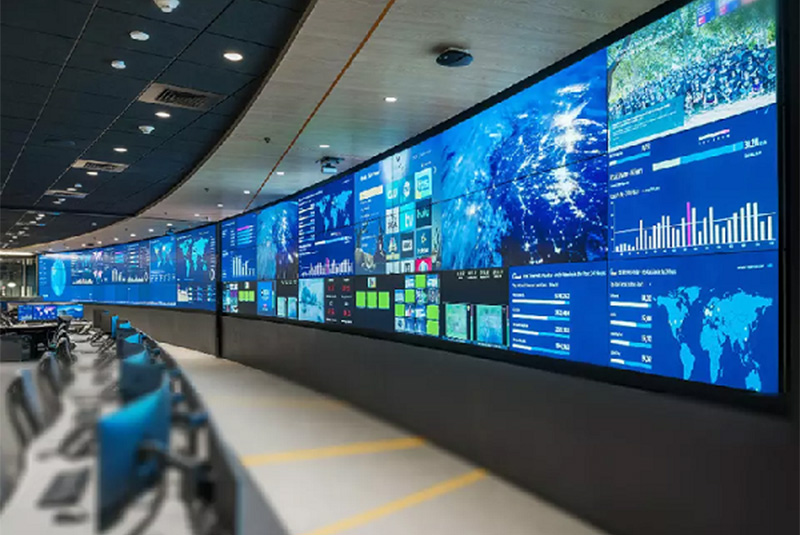
The rental business continues leaning toward displays that go together in minutes, travel without breaking backs, and deliver clean pictures no matter the house lights or daylight. A typical corporate conference in a convention center ballroom, for example, calls for walls that assemble fast and look flawless from the front row to the back. Outdoor music festivals, on the other hand, demand cabinets tough enough for wind and rain yet bright enough to punch through afternoon sun. This overview lays out where rental LED technology stands right now in 2026 and points out the specs and approaches that actually matter on the job.
Understanding User Needs and Search Intent for Rental LED Displays in 2026
Core Challenges Driving Demand in the Rental Market
Rental operators and clients keep running into the same headaches year after year. Build time sits at the top of the list—load-in windows shrink every season, turning quick-lock mechanisms and light cabinets into must-haves. Power draw follows right behind, especially now that venues enforce harder limits and green requirements get stricter. One big outdoor show can burn through serious kilowatts with older inefficient panels, jacking up generator fuel bills and drawing complaints from clients watching their carbon numbers.
Picture quality under real conditions adds another layer of difficulty. Corporate indoor setups need tight pixel pitches that stay clean when broadcast cameras roll, while daytime festivals push for high-nit output that fights glare without losing contrast. Reliability seals the deal—any flicker or dead module during a live event costs money and reputation fast. Those pressures explain why searches for rental LED display trends 2026 and similar phrases spike hard during pre-production.
Typical Search Patterns and Intent in the Current Year
Queries in 2026 split mostly between two camps. Technical leads and inventory managers hunt for deep dives into new capabilities—higher refresh performance, cleaner low-brightness greyscale, stronger corner guards for curved rigs. Buyers and producers shift toward practical decisions, checking daily rates across pitches and weighing which panels give the best return. Common searches pull in phrases such as “best pixel pitch for indoor rental 2026,” “energy efficient rental LED cabinets,” or “rental LED display features 2026.”
Booking cycles still drive the rhythm. Spring trade shows and summer festivals push outdoor-rated gear, while fall and winter corporate gigs ramp up demand for fine-pitch indoor walls. Virtual production keeps adding volume as studios rent massive arrays for LED volumes, creating steady searches for low-latency, camera-friendly panels.
Aligning Requirements with Available Technology
Crew members focus on gear that solves problems they actually face on site. Riggers prefer cabinets under eight kilograms per square meter with built-in climb bars for ground-stack or fly jobs. Lighting teams want displays that hold color when spots and gels hit from odd angles. Camera operators refuse anything below 3840 Hz refresh to avoid scan lines in IMAG feeds. Sustainability managers push for reduced power consumption and longer diode life to meet client ESG targets.
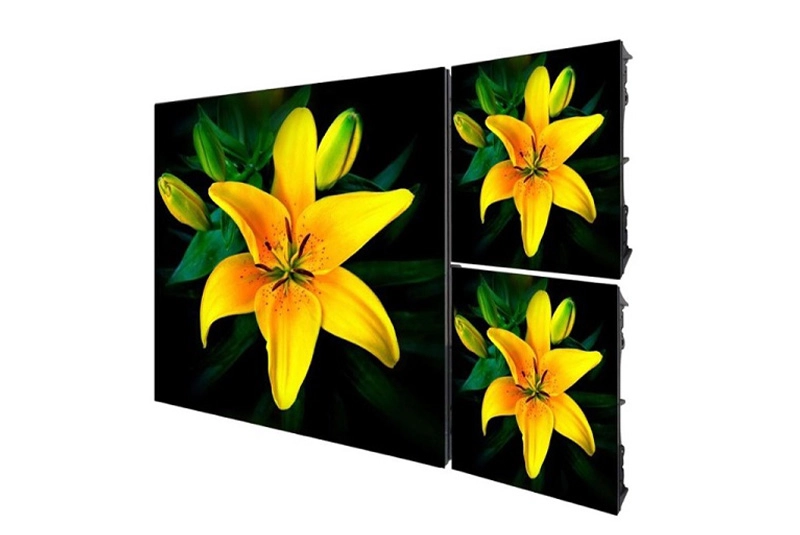
These demands point toward flexible modular systems. Rental inventories built around proven pitches—usually 1.9 to 3.9 millimeters indoors and 3.9 to 6.25 outdoors—cover the majority of jobs while keeping logistics straightforward.
Latest Trends Shaping Rental LED Displays in 2026
Dominance of Fine-Pitch Technology in Indoor Applications
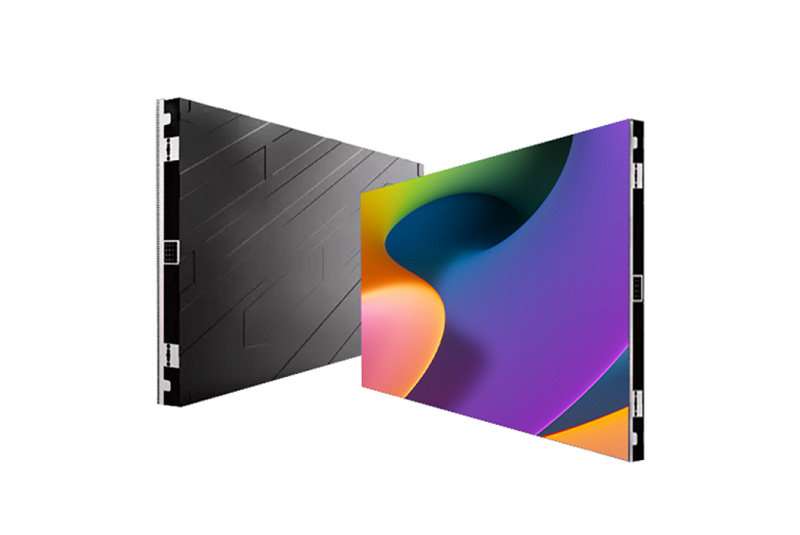
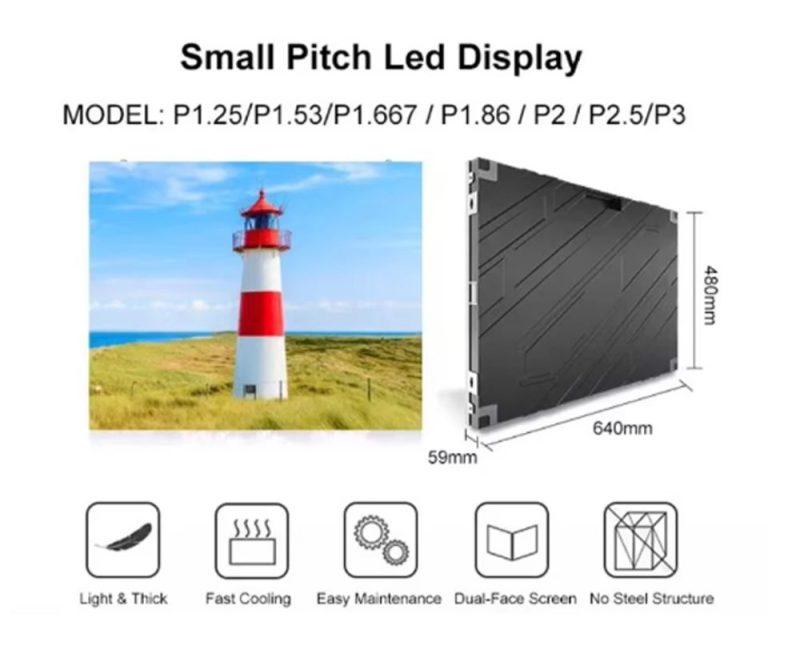
Fine-pitch keeps gaining ground as the default choice for indoor work in 2026. Cabinets in the 1.5 to 2.5 millimeter range show up regularly at corporate theaters, live broadcasts, and upscale brand events where audiences sit close. The difference hits immediately—text stays crisp from short distances, and high-resolution video fills large surfaces without any visible grid. Rental houses note steady increases in requests for these pitches as clients walk away from coarser options that create noticeable pixelation in premium settings.
Production advances have brought costs down while lifting quality. Better bin selection across batches improves color matching, cutting headaches when replacement tiles join mid-run. Refresh rates now commonly clear 3840 Hz, wiping out rolling shutter problems that used to plague camera work.
Energy Efficiency and Sustainability Advances
Power usage turned into a major discussion point by 2026. Updated common-cathode circuits and refined LED chips trim consumption by fifteen to twenty percent compared with earlier models at equivalent brightness. A 500-square-meter rig that used to demand 200 kilowatts now runs closer to 160 kilowatts, shrinking generator sizes, cutting fuel expenses, and easing pressure on carbon reporting.
Extended diode lifespan—frequently rated over 100,000 hours—cuts replacement frequency. Modular builds that let single tiles swap out instead of scrapping whole panels strengthen the case for greener rental fleets.
Modular Design and Quick-Deployment Features
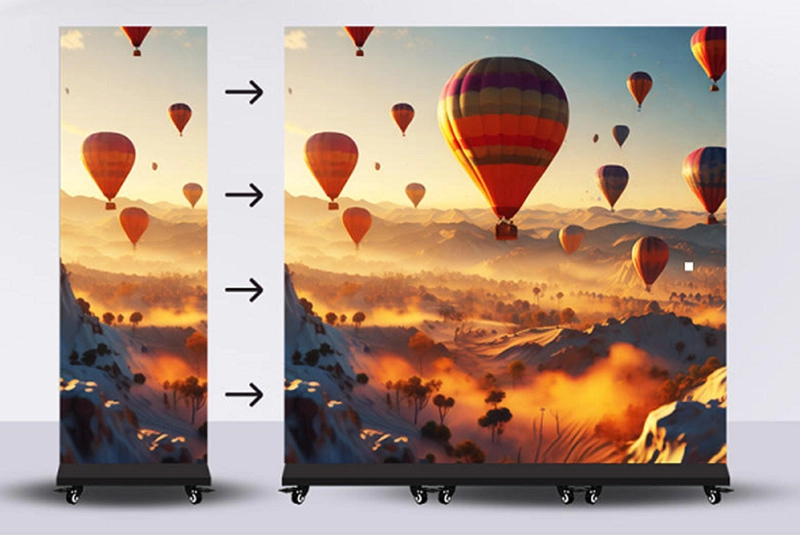
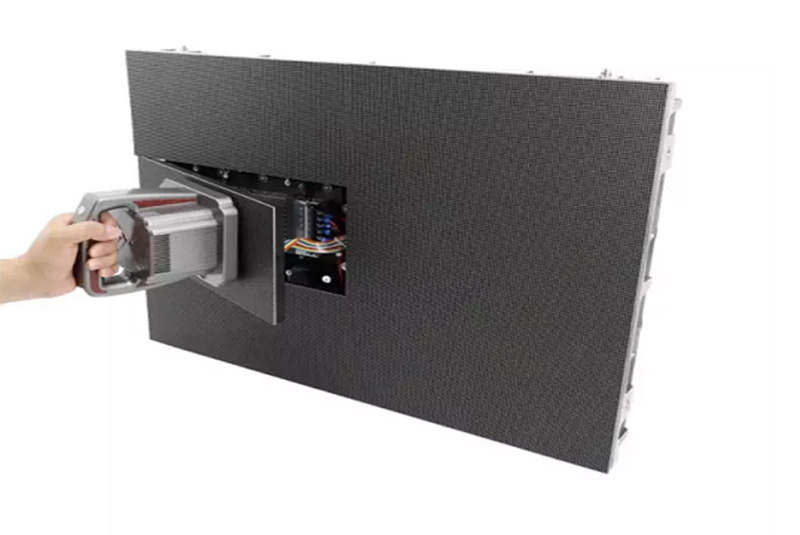
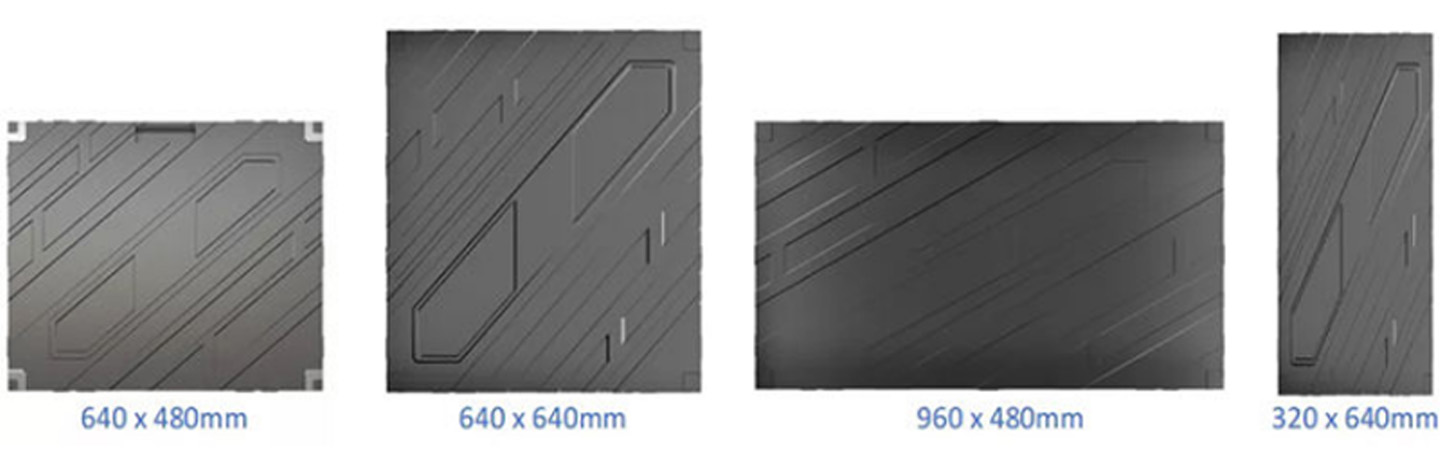
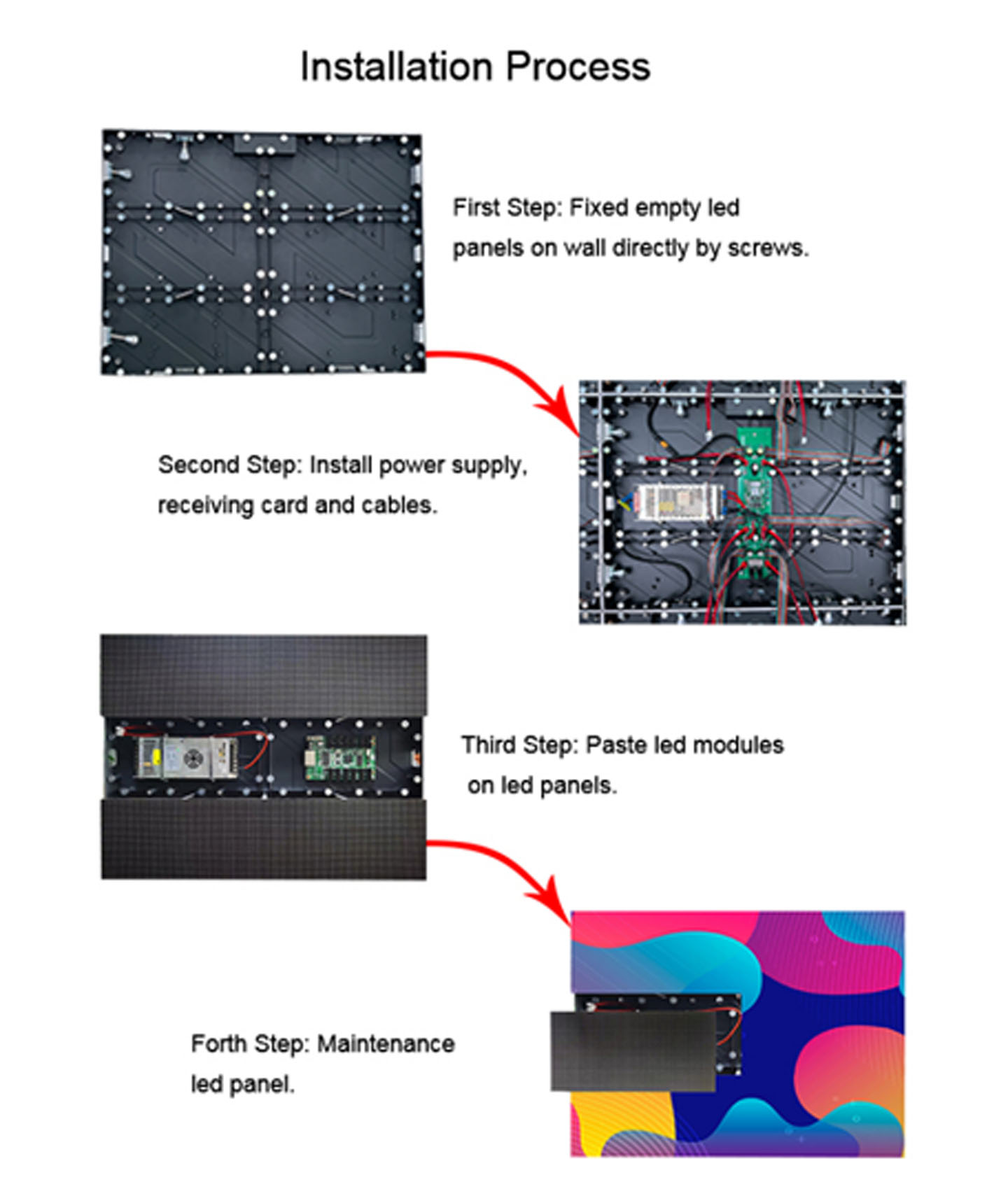
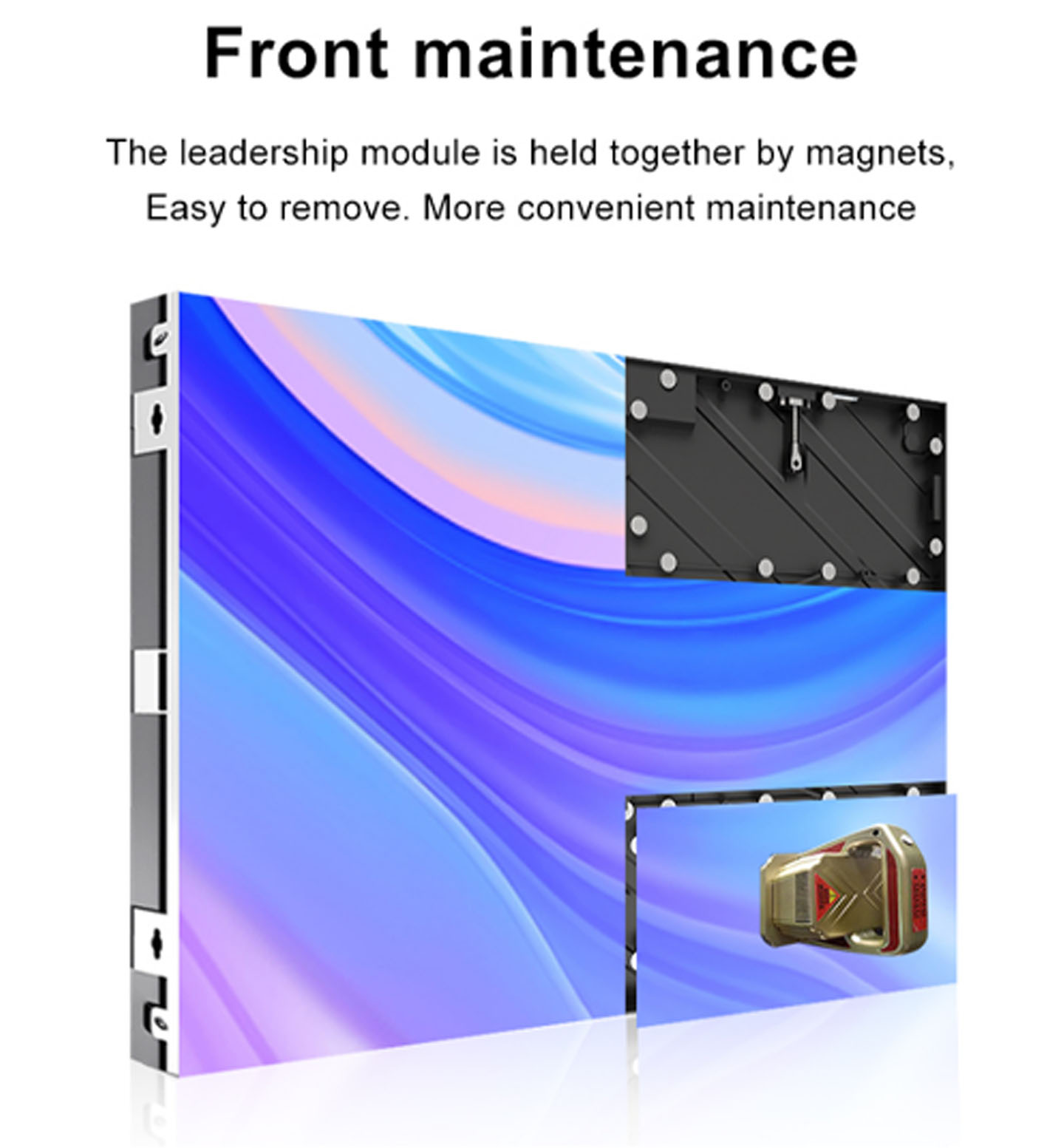
Locking systems have improved noticeably. Magnetic aids, precise alignment pins, and tool-free connections drop build times sharply. Seasoned teams put up 100 square meters of 2.9 millimeter wall in less than two hours, including curves for convex or concave shapes. Beefed-up corner protection and edge reinforcement lower transport damage rates, a constant issue for fleets on the road.
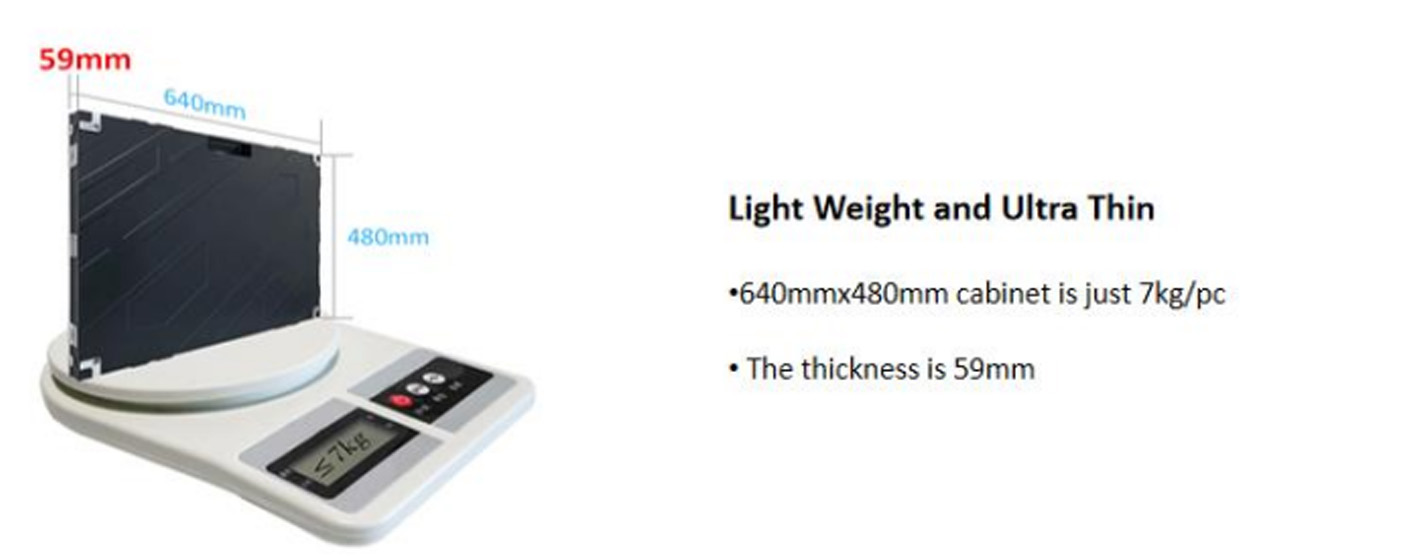
Weight keeps dropping. Reinforced frames and slimmer modules bring many cabinets below seven kilograms per square meter, lightening rigging loads and reducing freight costs on extended tours.
Emerging Applications and Market Shifts
Virtual production maintains strong momentum, pulling in large orders for 1.9 and 2.3 millimeter panels with precise color and low latency. Film stages and broadcast facilities rent big volumes for LED volumes, while hybrid live-virtual events blend the same surfaces for multiple purposes. Outdoor festivals test transparent panels for integrated scenery, and experiential designers explore flexible modules for immersive curved walls.
How to Choose the Best Rental LED Display in 2026
Critical Specifications for Different Applications
Picking starts with linking pixel pitch to expected viewing distance. Corporate indoor work usually calls for 1.9 to 2.6 millimeter spacing for three to ten meter sightlines. Concert IMAG screens often settle near 3.9 millimeter to balance expense and detail for farther audiences. Outdoor daylight jobs require 5.9 to 8 millimeter pitches paired with at least 6000 nits to handle full sun.
Refresh rates have standardized at 3840 Hz minimum for camera-heavy shows. Low-brightness greyscale performance gets careful evaluation during panel shootouts. Outdoor cabinets need IP65 sealing and verified wind-load ratings to finish the core spec list.
Indoor Versus Outdoor Rental Considerations
Indoor panels stress fine pitch and strong low-brightness performance. Outdoor units sacrifice some resolution for higher output and weather sealing. Hybrid models that perform acceptably in both settings gain popularity, simplifying inventory management for houses handling mixed bookings.
Budget and Return-on-Investment Factors
Daily rental figures in 2026 run from $45 per square meter for basic outdoor 3.9 millimeter to $400 and up for top-tier 1.5 millimeter indoor. Power savings and faster rigging often make higher-rate efficient panels pay for themselves on longer jobs. Extended contracts for corporate clients or virtual production houses regularly secure better pricing with guaranteed access to fresh stock.
Actionable Solutions for Implementing Rental LED Displays in 2026
Step-by-Step Planning and Specification Process
Begin with precise venue dimensions and sightline mapping to nail down resolution and distance requirements. Identify content type—will the wall handle graphics, playback, or live camera feeds? Determine brightness needs according to expected lighting and show timing. Build in spares—extra panels, processors, and fiber—to avoid single-point failures.
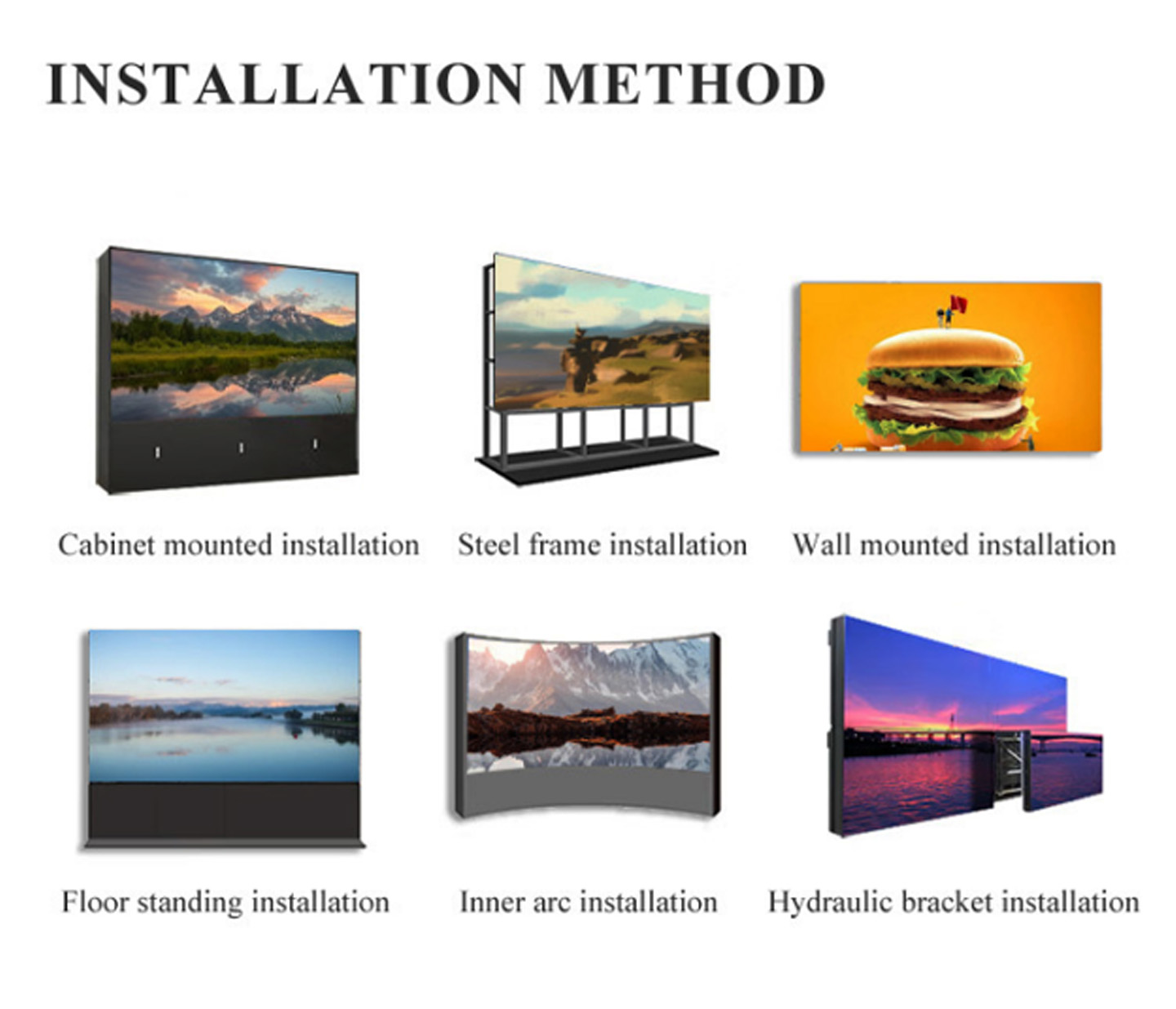
Draft rigging drawings early. Newer cabinets support multiple hanging methods, but structural sign-off on wind and weight remains mandatory for outdoor or flown setups. Power calculations deserve the same attention—total load including processing requires generator capacity with margin.
Practical Deployment and Operation Strategies
Whenever feasible, pre-rig and test the complete wall in the shop. Pixel calibration and seam adjustment go smoother in a controlled space than under show pressure. Clear labeling on cables and road cases saves valuable minutes during load-in.
Run crew training on the exact panel system ahead of time. Lock mechanisms differ between models, and hands-on familiarity prevents errors during tight builds. Set up direct lines between video, lighting, and rigging teams to head off power-phase clashes or control-network conflicts.
Maintenance and Troubleshooting During Events
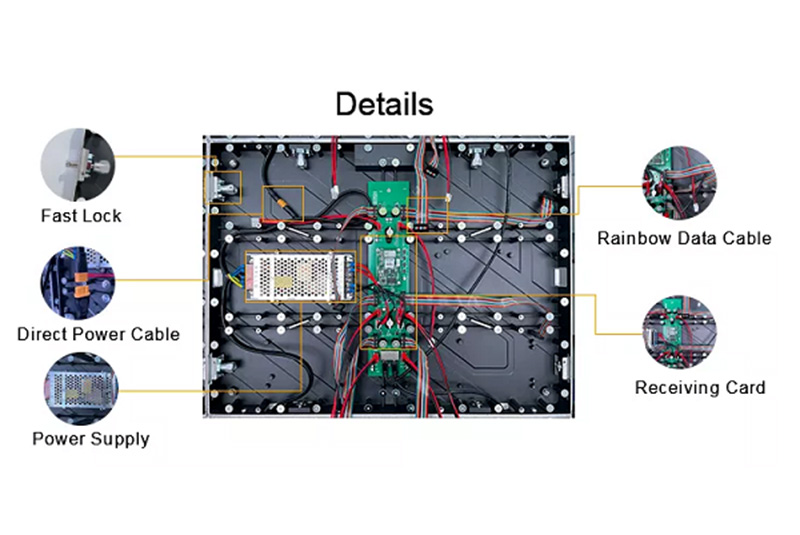
Stock essential spares—power modules, receiving cards, and color-matched replacement tiles. Current diagnostic tools allow remote panel health checks that catch problems before they show on screen. Maintain proper operating temperatures—avoid wide swings that stress components, particularly in cold-weather outdoor gigs.
Introducing Shenzhen Longcheng Photoelectric Technology Co., Ltd.
Shenzhen Longcheng Photoelectric Technology Co., Ltd., founded in 2013 and based in Shenzhen City, Guangdong Province, China, focuses on premium LED display manufacturing with a strong emphasis on small pixel pitch solutions. The company has produced over 350 different products during more than twelve years of operation, serving more than 900 enterprises and organizations in over 120 countries and regions.
All displays go through 72-hour aging and testing before leaving the facility. Energy-saving architecture, stable performance, high-definition visuals, and broad customization options form the core strengths. Certifications such as ROHS, FCC, CE, ISO9001, and CCC verify compliance with global standards. A staff of 50 to 100, including a committed research and development group, provides 24-hour technical assistance, supporting clients worldwide with dependable solutions for complex display projects.
Conclusion
Rental LED technology in 2026 continues raising expectations for visual quality, deployment speed, and operational efficiency. Advances in fine-pitch resolution, power consumption, and modular construction give event teams better tools to meet client demands while keeping costs manageable. Rental companies and production managers who track these developments position themselves to deliver standout results and maintain strong booking rates in a demanding market.
FAQs
What are the biggest rental LED display trends in 2026?
Rental LED display trends in 2026 center on fine-pitch cabinets dominating indoor work, common-cathode designs reducing power use by 15-20%, and advanced quick-lock systems that cut build times significantly. Curved, flexible, and transparent panels gain traction for creative staging.
Which pixel pitch works best for indoor rental LED displays in 2026?
Indoor rental LED displays in 2026 most often use 1.9 to 2.9 millimeter pitch for corporate events, conferences, and concerts, providing sharp detail at standard viewing distances while keeping daily rental rates reasonable. Finer 1.5 millimeter sees heavy use in broadcast and virtual production.
How much does rental LED display cost per square meter in 2026?
Rental LED display rates per square meter in 2026 typically range from $45-80 for standard outdoor 3.9 millimeter cabinets to $250-400+ for premium fine-pitch indoor panels, quoted daily or weekly. Volume or long-term virtual production rentals frequently secure lower effective pricing.
What refresh rate should rental LED displays have in 2026 for camera work?
Rental LED displays in 2026 require at least 3840 Hz refresh, with many high-end models reaching 7680 Hz or more to remove all scan lines during IMAG feeds and broadcast camera shots. Higher rates have become standard for professional camera applications.
Are energy-efficient rental LED displays worth the higher rental rate in 2026?
Energy-efficient rental LED displays usually offset their premium rates through lower power and generator expenses on larger or longer events, while satisfying the stricter sustainability standards that venues and corporate clients enforce. Current rental LED display guides in 2026 consistently recommend them for festivals and touring productions.
Read More